How Do Faucet Covers Work: Protect Your Pipes This Winter
Keeping your home safe from winter’s cold may seem simple, but one small detail can save you from headaches and expensive repairs: faucet covers. Many homeowners overlook them, not realizing how these small devices protect plumbing and prevent damage during freezing weather. If you’ve ever wondered how faucet covers work, or if you’re debating whether you need them, you’re not alone. Let’s explore the science, the types, and the practical benefits of faucet covers—plus, some tips and insights that most beginners miss.
What Is A Faucet Cover?
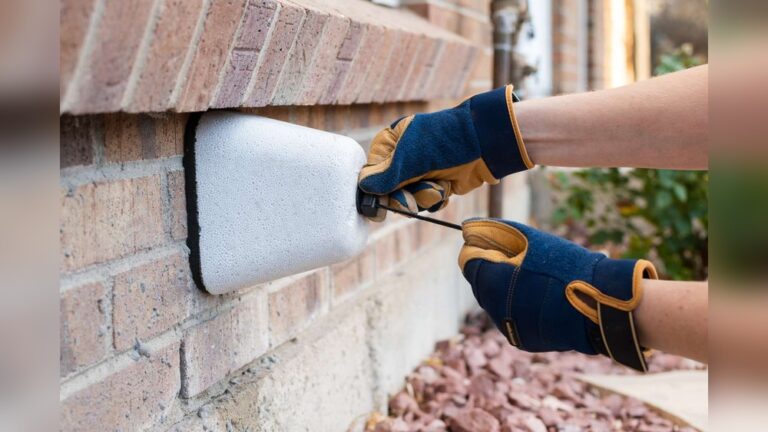
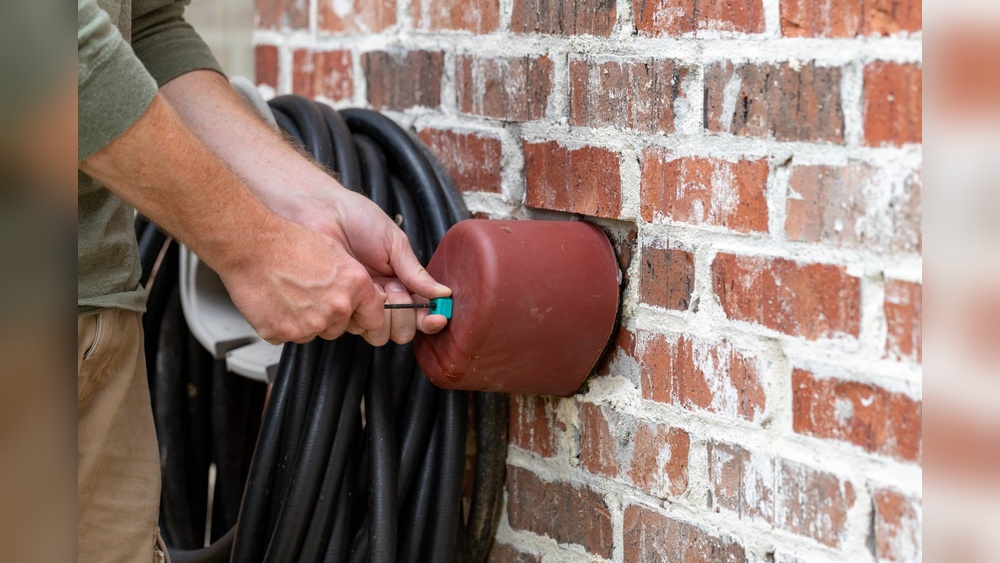
A faucet cover is a protective device designed to shield outdoor faucets (also called spigots or hose bibs) from the cold, especially during winter. These covers are usually made from materials like hard plastic, foam, or insulated fabric. They fit securely over the faucet, creating a barrier against freezing temperatures, wind, and moisture.
The main goal of a faucet cover is simple: prevent water inside the faucet and connecting pipes from freezing. When water freezes, it expands. This expansion can crack or burst pipes, leading to leaks and water damage. Faucet covers reduce the risk by keeping more heat around the faucet and blocking icy air from entering.
Why Do Faucets Freeze?
To understand how faucet covers work, it’s helpful to know why faucets freeze in the first place. Outdoor faucets are exposed to the elements, and when the temperature drops below 32°F (0°C), water left inside the pipes or faucet can start to freeze. Here’s what happens:
- Cold air surrounds the faucet, cooling the metal and the water inside.
- Heat escapes quickly from metal parts, especially if there’s wind (this is called wind chill).
- Water inside the faucet or pipe freezes, expands, and creates pressure.
- If pressure builds up, pipes crack or burst—sometimes inside your wall, causing hidden leaks.
Even a small crack can release gallons of water, leading to mold, rot, and expensive repairs. According to the Insurance Institute for Business & Home Safety, a single burst pipe can cause more than $5,000 in water damage on average.
How Do Faucet Covers Actually Work?
Faucet covers act as insulation and a physical barrier. They slow down heat loss from the faucet and shield it from freezing wind and direct contact with cold air. Let’s break down their key functions:
Insulation Against Heat Loss
Most faucet covers use foam or other insulating materials. Foam traps air, which slows the transfer of heat from the faucet to the outside. Just like a winter jacket keeps your body warm, the cover keeps the faucet warmer than the surrounding air.
Blocking Wind And Moisture
Wind can make freezing happen faster by stripping away the thin layer of warm air near the faucet. Faucet covers block wind, making it harder for cold air to reach metal parts. They also keep rain, snow, and ice from direct contact, preventing extra cooling and potential ice buildup.
Sealing Gaps
Many covers have a snug fit or sealing mechanism (like a rubber gasket or a drawstring). This is important: even a small gap can let in enough cold air to freeze the faucet. A tight seal keeps warmth in and cold out.
Creating A Microclimate
A good faucet cover creates a small, insulated space around the faucet. This “microclimate” is often several degrees warmer than the outside air, even if only by 5–10°F. That difference is often enough to keep water from freezing, especially during short cold snaps.
Example: Temperature Protection
Studies show that a properly installed foam faucet cover can raise the temperature around the faucet by 10–15°F compared to uncovered faucets during freezing nights. This can be the difference between a functioning faucet and a burst pipe.
Types Of Faucet Covers
Not all faucet covers are the same. The best choice depends on your climate, faucet design, and budget. Here are the most common types:
1. Foam Dome Covers
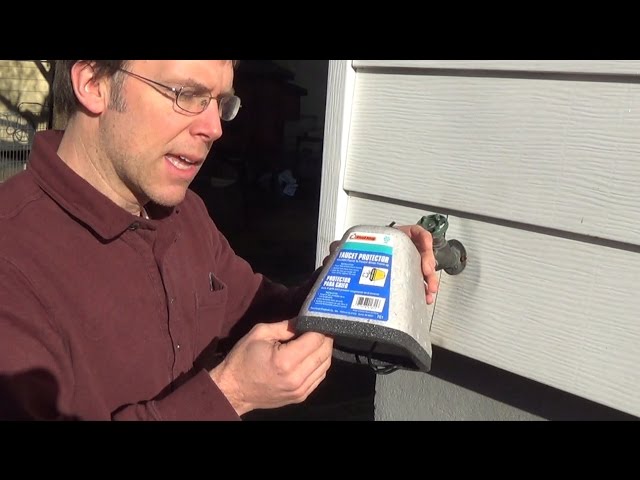
These are the most popular and affordable. They look like a large foam cup or dome and are lightweight.
- Material: Thick foam, sometimes with a hard plastic shell.
- Installation: The cover fits over the faucet, and a hook or elastic cord holds it in place.
- Pros: Easy to install, reusable, inexpensive.
- Cons: Can blow off in strong winds if not secured tightly.
2. Hard Plastic Covers
These covers use a hard, weather-resistant plastic shell with an insulated lining inside.
- Material: Plastic outside, foam or insulation inside.
- Installation: Often a hook, latch, or twist mechanism for a secure fit.
- Pros: Durable, wind-resistant, lasts for years.
- Cons: More expensive, bulkier to store.
3. Insulated Fabric Covers
Some covers use thick, weatherproof fabric filled with insulation (like polyester or foam).
- Material: Heavy-duty fabric (often waterproof), with foam or batting inside.
- Installation: Wraps around the faucet and tightens with Velcro or a drawstring.
- Pros: Flexible fit, works for odd-shaped faucets, good for extreme cold.
- Cons: Can become wet if not fully waterproof, more expensive.
4. Diy (do-it-yourself) Covers
Some homeowners make their own covers using towels, rags, or even old socks wrapped in plastic bags.
- Pros: Cheap, quick solution.
- Cons: Less effective, can blow away, often not waterproof.
5. Heated Faucet Covers
Rare but available, these covers have a small electric heating element to provide extra warmth.
- Pros: Protects in extreme cold, works in subzero temperatures.
- Cons: Requires power outlet, higher cost, more complex to install.
Comparison Of Popular Types
Below is a quick look at how three common types compare on key features:
| Type | Insulation | Durability | Cost | Ease of Use |
|---|---|---|---|---|
| Foam Dome | Good | Medium | Low | Very Easy |
| Plastic Shell | Very Good | High | Medium | Easy |
| Fabric | Excellent | Medium | High | Easy |
How To Install A Faucet Cover
Most faucet covers are simple to install, but a few key steps can improve protection. Here’s a proven method:
- Turn off the water supply to the outdoor faucet, if possible, using the indoor shut-off valve. This prevents water from sitting in the pipe.
- Drain the faucet: Open the outdoor faucet to let any remaining water drip out.
- Disconnect hoses: Remove garden hoses or attachments, since these can trap water in the faucet.
- Dry the faucet: Wipe away any moisture or ice.
- Fit the cover: Place the cover over the faucet, making sure it sits flush against the wall.
- Secure tightly: Use the hook, cord, or drawstring to hold the cover in place.
- Check for gaps: Make sure there are no spaces for air to enter.
Pro tip: If your area experiences high winds, add a zip tie or extra cord to keep the cover in place.
Do You Really Need A Faucet Cover?
If you live in a region where temperatures drop below freezing, faucet covers are a smart investment. Here’s why:
- Cost vs. risk: A faucet cover costs $3–$20, but a burst pipe can cost thousands in repairs.
- Older homes: Homes with older plumbing are more likely to freeze and crack.
- Unheated garages or basements: Faucets in these areas are extra vulnerable.
Even in milder climates, a sudden cold snap can surprise you. It’s better to be safe and spend a few minutes installing covers than risk major damage.

Credit: www.youtube.com
Common Myths And Mistakes
Myth: “it’s Not Cold Enough Here To Need Faucet Covers.”
Even a short cold snap can freeze pipes. In fact, the American Red Cross reports that burst pipes are common in areas with mild winters, because people aren’t prepared.
Myth: “leaving The Faucet Dripping Will Prevent Freezing.”
A dripping faucet can help, but it’s not a guarantee. If the temperature drops very low, the drip can freeze, and ice can still block the pipe.
Mistake: Not Removing Hoses
Leaving a hose attached traps water in the faucet, making it more likely to freeze and burst.
Mistake: Loose Or Missing Covers
A cover that’s not tight against the wall can let in cold air, making it almost useless. Always check the fit and replace any damaged covers.
Advanced Tips For Maximum Protection
While faucet covers do most of the work, you can add extra protection, especially in very cold climates.
Use Pipe Insulation
Wrap the exposed pipe leading into the wall with foam pipe insulation before installing the cover. This protects both the faucet and the pipe itself.
Seal Wall Gaps
Check for cracks or gaps where the pipe enters the wall. Use caulk or weather-stripping to seal these gaps. Cold air sneaking in through the wall can freeze pipes, even with a cover.
Add A Heat Source
In extreme climates, some homeowners use heat tape (an electric heating cable) on pipes, combined with a faucet cover. This is common in the northern United States and Canada.
Check Covers Annually
Inspect your faucet covers each fall. Look for cracks, missing insulation, or loose parts. Replace as needed—foam can break down after a few years.
Monitor Weather
If a deep freeze is forecast, double-check that covers are secure and pipes are drained. A little preparation goes a long way.
Real-world Examples And Data
Let’s look at how faucet covers performed during real cold snaps.
- In the 2014 North American cold wave, cities like Atlanta, Dallas, and Charlotte saw record pipe bursts. Many homes without faucet covers suffered thousands of dollars in damage, while those with covers avoided costly repairs.
- A study by the University of Minnesota found that using a foam faucet cover reduced the chance of pipe freezing by up to 60% compared to uncovered faucets during nights of 20°F (-6°C).
- Insurance records show that most winter water damage claims come from homes without any outdoor pipe protection.
Choosing The Best Faucet Cover For Your Home
With so many options, how do you pick the right cover? Consider these factors:
Climate
- For moderate winters (lows above 10°F / -12°C), a foam or plastic dome is usually enough.
- For harsh winters (subzero lows), choose insulated fabric or a hard cover with extra foam.
Faucet Shape And Location
- Standard hose bibs fit most covers.
- Unusual shapes (antique or decorative faucets) may need a flexible fabric cover.
- For faucets in windy spots, pick a heavy-duty or locking cover.
Ease Of Use
If you have many faucets, choose covers that install quickly. Some covers are designed for one-handed use.
Budget
- Basic foam covers cost $3–$8.
- Heavy-duty plastic or fabric covers range from $10–$25.
- Heated covers start around $40.
Durability
If you want a cover that lasts several seasons, invest in a hard plastic or thick fabric model.
Credit: www.youtube.com
Environmental Impact
Faucet covers are a green choice for two reasons:
- Water conservation: Preventing pipe bursts saves thousands of gallons of water.
- Energy savings: Insulation reduces the energy needed to reheat pipes or repair water damage.
Most foam covers are made from recyclable materials, but check local recycling rules before disposal.
Do Faucet Covers Work For All Types Of Faucets?
Most covers are designed for standard outdoor hose bibs, but there are options for less common faucets:
- Frost-free faucets: These are designed to resist freezing, but a cover adds an extra layer of safety.
- Decorative or large faucets: Use flexible, insulated fabric covers.
- Sillcocks or wall hydrants: Specially shaped covers are available.
Comparison: Faucet Covers Vs. Other Methods
Some homeowners try alternatives, but faucet covers are usually the best first defense. Here’s how they compare:
| Protection Method | Effectiveness | Cost | Ease of Use |
|---|---|---|---|
| Faucet Cover | High | Low | Easy |
| Leave Faucet Dripping | Medium | Very Low | Very Easy |
| Pipe Insulation Only | Medium | Low | Easy |
| Heat Tape + Cover | Very High | High | Medium |
Insight: Faucet covers are the only method that combines insulation and wind protection, making them the best all-around choice for most homes.
What Happens If You Skip Faucet Covers?
Ignoring outdoor faucets can lead to:
- Burst pipes inside walls: Hard to detect, expensive to repair.
- Flooding in basements or crawlspaces
- Mold and mildew growth: Water leaks encourage mold, which is dangerous for health.
- Increased insurance premiums: Water damage claims can raise your rates.
Many people don’t realize that a small investment in faucet covers can prevent these problems entirely.

Credit: diy.stackexchange.com
Maintaining And Storing Faucet Covers
Covers should be checked and cleaned at the start and end of each winter.
- Cleaning: Rinse off dirt and debris; let fabric covers dry before storage.
- Storage: Keep foam or fabric covers in a dry place, away from sunlight.
- Replacement: Replace covers if the foam is brittle, torn, or compressed.
A good faucet cover can last 3–5 years or more with proper care.
Non-obvious Insights Beginners Miss
- Covers protect pipes in the wall, not just the faucet. The cold can travel through metal into your home, so a cover helps keep the connected indoor pipe safe too.
- A cover alone is not enough in extreme cold. In climates with deep freezes, combine covers with other methods (like pipe insulation and heat tape) for full protection.
- Covers are not one-size-fits-all. Always check the size and shape before buying, especially for old or unusual faucets.
- Wind is as dangerous as temperature. Even if the air temperature is above freezing, strong wind can make pipes freeze. Secure covers tightly in windy spots.
Frequently Asked Questions
How Long Do Faucet Covers Last?
Most good-quality faucet covers last 3–5 years. Foam may break down faster if exposed to sunlight or harsh weather, while hard plastic and insulated fabric covers can last longer. Check each fall for damage or wear, and replace as needed.
Can I Leave My Faucet Cover On All Year?
Yes, but it’s not necessary. Faucet covers are designed for freezing weather. In warm months, remove the cover to prevent mold or pests from nesting inside, and to allow easy use of the faucet.
Are Faucet Covers Reusable?
Absolutely. Most covers are reusable for several seasons. Clean and dry them before storing at the end of winter, and avoid tearing the foam or fabric.
Do Heated Faucet Covers Use A Lot Of Electricity?
Heated covers use very little electricity—usually less than a 60-watt light bulb. They’re most helpful in areas with subzero temperatures. Always follow manufacturer instructions for safety.
Where Can I Buy Faucet Covers?
Faucet covers are available at hardware stores, home centers, or online retailers. For more details on different types, visit the Wikipedia page on hose bibs.
Installing faucet covers is a small step that delivers big peace of mind. By understanding how they work and choosing the right type, you’ll protect your home from costly winter surprises and keep your plumbing safe for years to come.