Prep Faucet Vs Kitchen Faucet: Key Differences You Need to Know
When planning a new kitchen or upgrading your existing one, the kind of faucet you choose might seem like a small detail. But the reality is, your faucet is one of the most-used fixtures in your entire home. Selecting between a prep faucet and a kitchen faucet can make a big difference in how your kitchen works and feels every day. Many people are surprised by how much these two types of faucets can affect cleaning, cooking, and even the overall design of a kitchen.
If you’re feeling unsure about the differences, or wondering whether you need both, you’re not alone. Many homeowners and even some professionals get confused by the terms. Below, you’ll find a clear and complete guide to prep faucets and kitchen faucets, including their unique features, best uses, pros and cons, and what really matters when making your choice.
By the end, you’ll be ready to decide which faucet setup is right for your space, your needs, and your budget.
What Is A Kitchen Faucet?
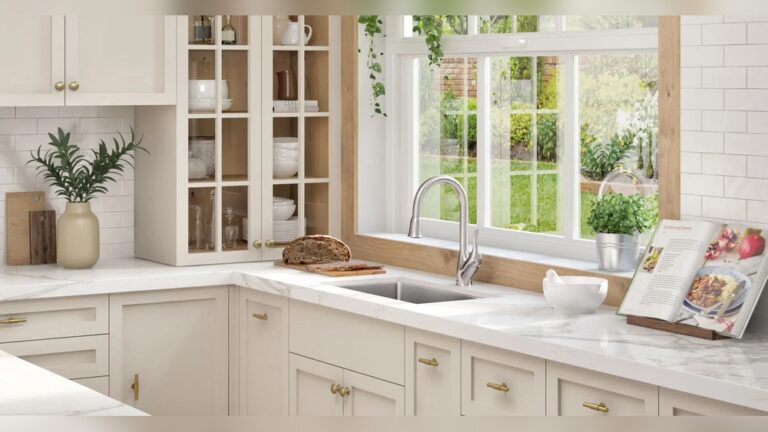
A kitchen faucet is the main tap installed on your kitchen’s primary sink. It’s where you wash dishes, fill pots, rinse vegetables, and often, get a glass of water. Kitchen faucets come in many designs, finishes, and sizes, but they all share one key role: handling the biggest cleaning and water tasks in your kitchen.
Key Features Of Kitchen Faucets
- High flow rate: Designed to fill large pots and quickly handle lots of dishes.
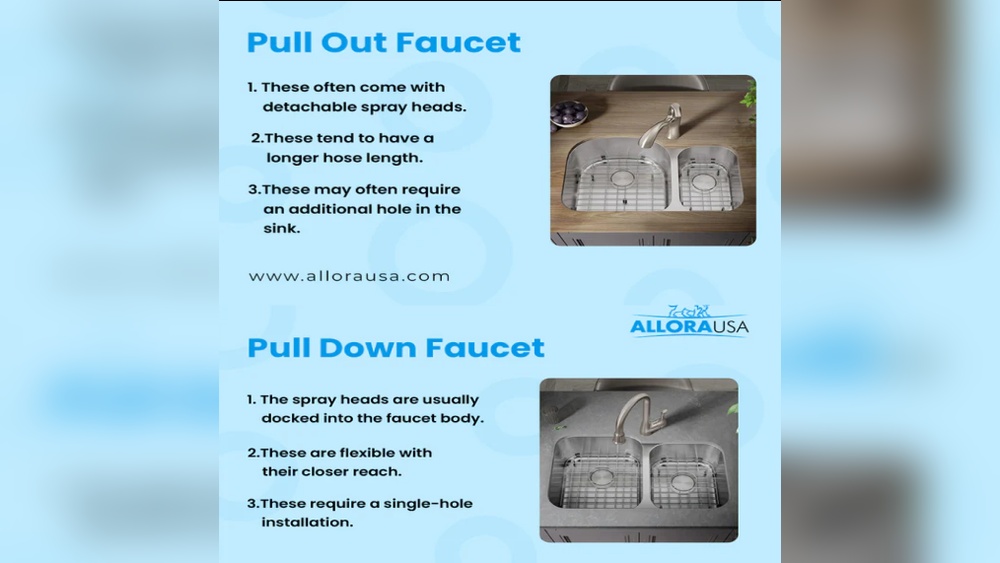
- Variety of spray options: Many have pull-down or pull-out sprayers for flexible cleaning.
- Taller spouts: High-arc designs make it easier to fit large pans or buckets under the tap.
- Durability: Built for frequent, heavy use.
Kitchen faucets are usually installed on sinks that are 24 inches or wider. They often serve as the main design feature in a kitchen, so style and finish options are extensive.
Common Kitchen Faucet Types
- Single-handle faucets: Easy to use with one hand; controls temperature and flow.
- Double-handle faucets: More traditional; separate controls for hot and cold.
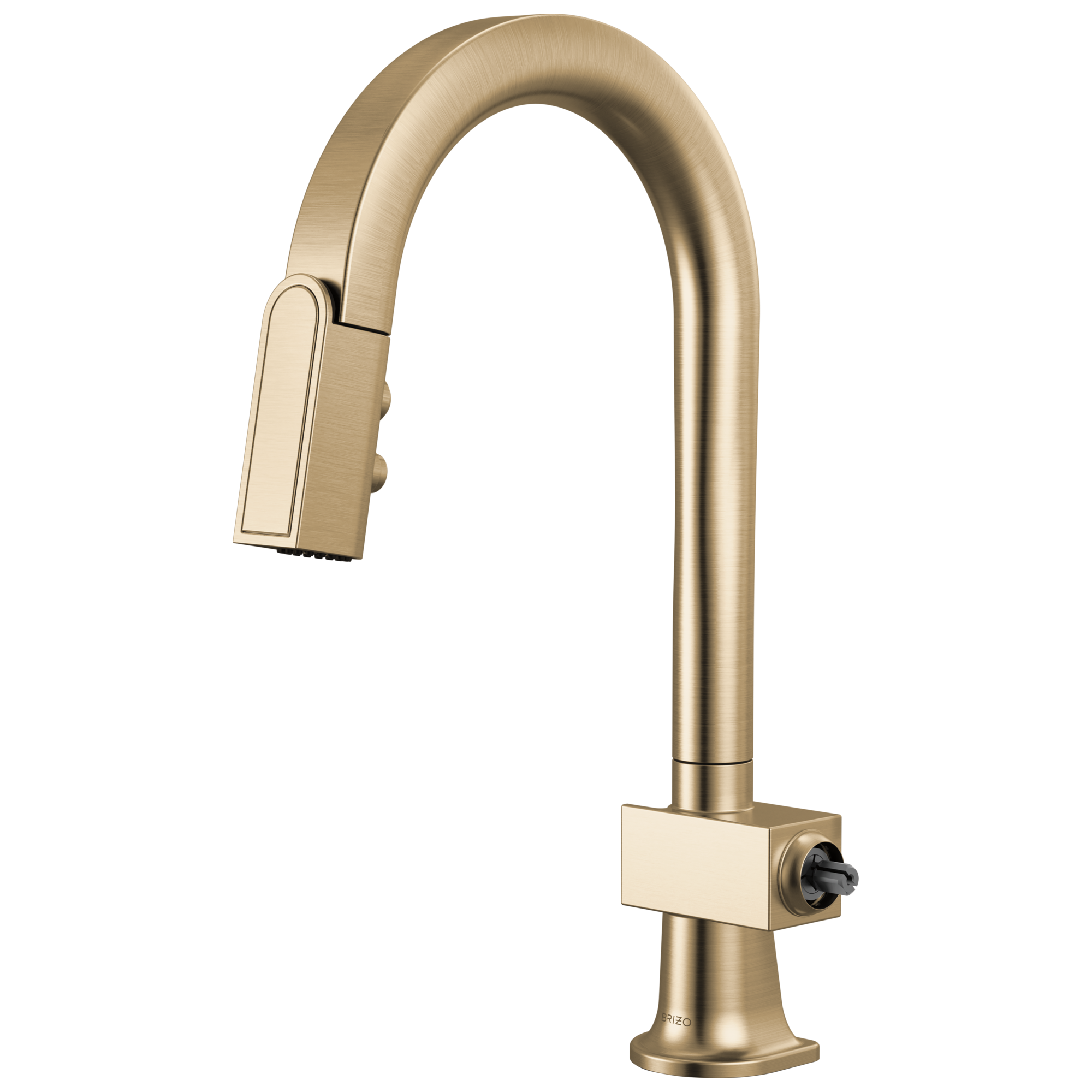
- Pull-down/pull-out faucets: Sprayer can be extended for better reach.
- Touchless faucets: Use motion sensors to turn water on and off.
- Commercial-style faucets: Tall, spring-like designs for heavy-duty cleaning.
Where Kitchen Faucets Work Best
Kitchen faucets are essential for every kitchen’s main sink. They’re the right choice if you have only one sink or if your main sink handles most of your kitchen’s work.
What Is A Prep Faucet?
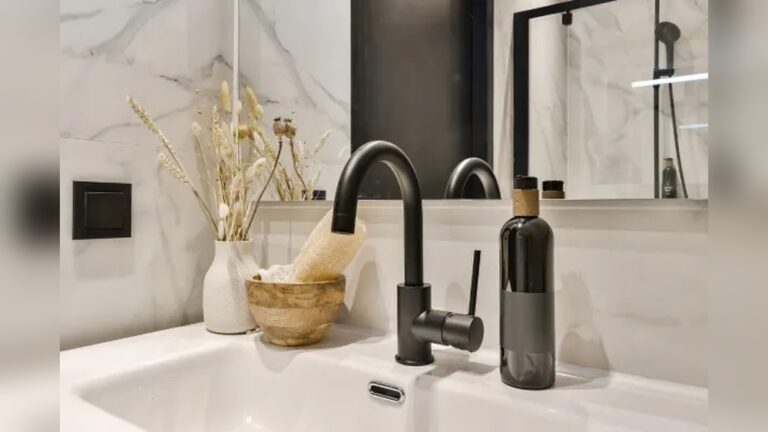
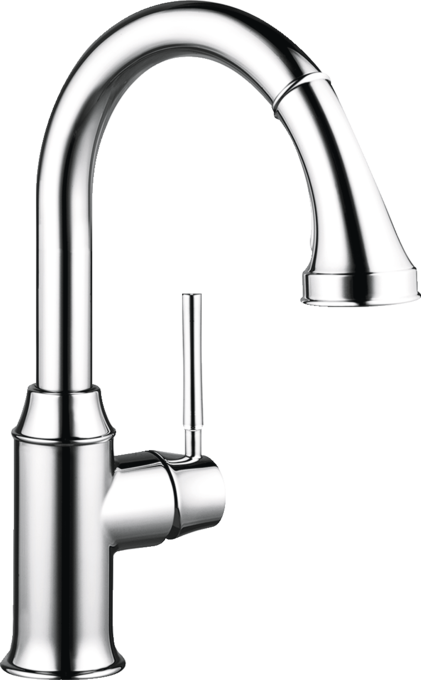
A prep faucet is a smaller faucet, usually installed on a secondary sink (called a prep sink), often found on a kitchen island or separate counter. Prep faucets support food prep tasks like washing vegetables, rinsing fruit, or draining pasta. They’re not meant to replace the main kitchen faucet but to add extra convenience and improve workflow.
Key Features Of Prep Faucets
- Compact size: Lower profile, shorter spout reach and height.
- Lower flow rate: Designed for rinsing and prepping, not filling big pots.
- Simple operation: Often single-handle or lever style for quick on/off.
- Flexible placement: Can fit in small spaces or corners.
Prep faucets are best for sinks 18-21 inches wide. They’re popular in large kitchens, open-plan layouts, or homes where multiple cooks work together.
Common Prep Faucet Types
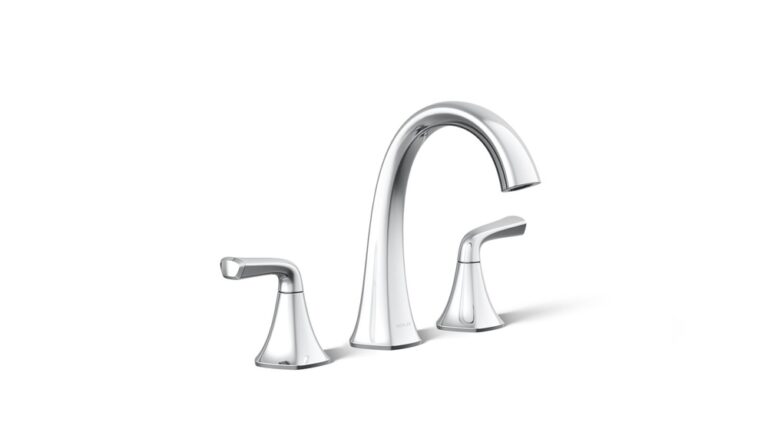
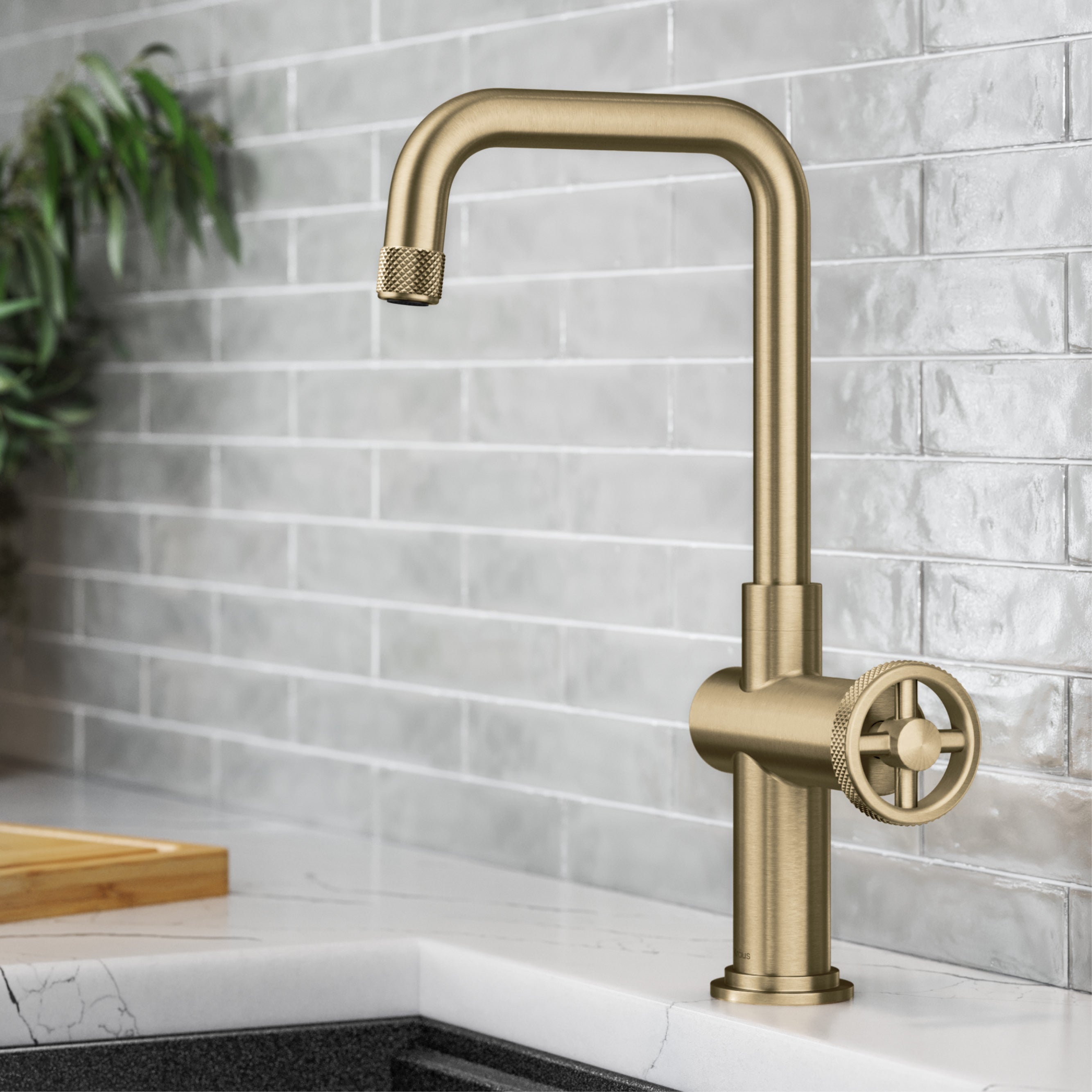
- Bar faucets: Similar to prep faucets, often used for home bars but work well as prep faucets.
- Single-handle levers: Simple and easy to clean.
- Gooseneck designs: Provide extra clearance for rinsing.
- Filtered water faucets: Some prep faucets supply filtered or instant hot water.
Where Prep Faucets Work Best
Prep faucets shine in kitchens with more than one sink, especially in homes where cooking is frequent and involves many steps. They’re also ideal for entertaining, as one person can prep food while another washes dishes.
Credit: www.brizo.com
Side-by-side Comparison: Prep Faucet Vs Kitchen Faucet
To make the differences crystal clear, here’s a head-to-head look at the main features of prep faucets and kitchen faucets.
| Feature | Prep Faucet | Kitchen Faucet |
|---|---|---|
| Main Use | Food prep, rinsing | Washing dishes, cleaning, filling pots |
| Typical Sink Size | 18-21 inches | 24+ inches |
| Flow Rate | Lower (1.5–2.2 GPM) | Higher (up to 2.5 GPM) |
| Spout Height | Shorter (6–12 inches) | Taller (10–20 inches) |
| Style Options | Fewer, mostly practical | Many, highly decorative |
| Sprayer Features | Rare, basic | Common, advanced (pull-down, multi-spray) |
| Cost | $50–$250 | $90–$600+ |
Benefits Of Kitchen Faucets
Kitchen faucets are the workhorses of any kitchen. Here’s why they matter:
- Versatility: They handle every big job, from scrubbing pans to filling kettles.
- Design statement: The right faucet becomes a focal point and can match your décor.
- Advanced features: Modern kitchen faucets offer features like touchless operation, temperature memory, and even voice activation.
- Durability: Built for years of heavy, daily use.
- Flexibility: Many come with high-arc spouts and pull-down sprayers for easier cleaning.
Non-obvious insight: Many homeowners don’t realize that kitchen faucets often have “adjustable flow restrictors.” This means you can fine-tune water pressure to save water without losing cleaning power—a smart way to cut utility bills.
Benefits Of Prep Faucets
Prep faucets are about adding speed and convenience to your kitchen. Here’s what they bring:
- Task separation: While one person cleans up, another can prep food at the same time.
- Space efficiency: Their smaller size fits in tight spots, letting you use unused corners or islands.
- Improved workflow: If you cook often, you’ll spend less time waiting for the main sink to be free.
- Support for special tasks: Perfect for washing delicate produce or making drinks at a bar station.
- Less mess: Prep sinks with their own faucet help keep cross-contamination (like raw meat juices) away from dishes.
Non-obvious insight: Many people skip a prep faucet to save money, but adding one can actually boost your home’s resale value. Buyers love the convenience, and kitchens with dual sinks often sell faster.
Drawbacks Of Kitchen Faucets
No product is perfect. Here’s where kitchen faucets can fall short:
- Space demands: Large faucets need big sinks and enough counter space. They look out of place in small kitchens.
- Splashing: High flow rates and tall spouts can cause water to splash, especially in shallow sinks.
- Complex installation: Some advanced models need extra plumbing or electrical work, raising costs.
- Cost: Fancy finishes and touchless features can get expensive.
Many people also forget to measure the distance to the backsplash. A tall spout can hit your window sill or wall, making cleaning awkward.
Drawbacks Of Prep Faucets
Prep faucets are not for every kitchen. Here’s what to keep in mind:
- Extra plumbing: Installing a prep sink and faucet means extra pipes, drains, and sometimes electrical work.
- Limited use: In small kitchens, a second sink might never get used.
- Added cost: Even a simple prep faucet adds to your overall kitchen budget.
- Fewer style choices: There’s less variety compared to main kitchen faucets.
Sometimes, people install a prep faucet but never use it because their kitchen layout doesn’t make it accessible or useful. Planning is key.
How To Decide: Prep Faucet Vs Kitchen Faucet
Making the right choice depends on your kitchen size, cooking habits, and budget. Here’s a simple decision process:
1. Assess Your Kitchen Layout
- Large kitchens (over 200 sq. Ft.): A prep faucet makes sense if you have a kitchen island or a separate prep area.
- Small kitchens: Focus on a high-quality kitchen faucet; a prep faucet may not fit or be practical.
2. Think About Your Cooking Style
- Frequent cooks/entertainers: If you cook large meals, host parties, or have multiple cooks, a prep faucet adds valuable convenience.
- Occasional cooks: If you rarely cook or live alone, a kitchen faucet is enough.
3. Budget Realistically
- Kitchen faucet only: Basic models start around $90, but high-end options can exceed $600.
- Adding a prep faucet: Expect to spend an extra $50–$250 for the faucet, plus plumbing costs ($200–$600 on average).
4. Consider Maintenance
Two sinks and two faucets mean double the cleaning and maintenance. If you want a low-maintenance setup, stick with one.
5. Plan For The Future
If you might sell your home in the next few years, a dual-sink layout can make your kitchen stand out in real estate listings.
Real-life Examples
Example 1: Family Kitchen
The Smith family loves to cook together. Their kitchen is 300 sq. Ft. with a large island. They installed a main kitchen faucet with a pull-down sprayer on the main sink and a small prep faucet on the island. Now, one person can wash veggies at the prep sink while another loads the dishwasher, making meal prep faster and less stressful.
Example 2: Small Apartment
Maria lives in a 75 sq. Ft. apartment kitchen. She chose a single, stylish kitchen faucet with a pull-out sprayer. There’s no space for a prep sink, and a second faucet would only clutter her counter. She uses a cutting board over the sink to maximize workspace.
Example 3: Entertaining Space
In a custom-built home, the owners wanted a bar area for parties. They installed a prep faucet next to a small bar sink, separate from the main kitchen faucet. This keeps drink-making and food prep away from the main cooking zone, making parties smoother.
Common Mistakes When Choosing A Faucet
- Ignoring sink size: Don’t buy a tall kitchen faucet for a tiny sink; it will cause splashes and look oversized.
- Mismatching finishes: Prep and kitchen faucets should match or complement each other for a unified look.
- Overlooking installation costs: Prep faucets seem cheap, but the plumbing often costs more than the fixture.
- Skipping reach measurement: Always check that the spout reaches the center of your sink for best coverage.
- Not thinking about workflow: A prep sink that’s far from your fridge or stove can end up unused.
Which Faucet Features Matter Most?
When comparing faucets, focus on these details:
| Feature | Why It Matters | Ideal For |
|---|---|---|
| Spout Height | Fits large pots/pans; prevents splashing in shallow sinks | Main kitchen faucets |
| Spout Reach | Ensures water flows into center of sink | Both prep and kitchen |
| Sprayer Type | Flexible cleaning, faster rinsing | Main kitchen faucets |
| Handle Type | Ease of use, quick temperature control | Both, but especially prep faucets |
| Finish | Resists fingerprints, matches décor | Both |
Installation Tips And Best Practices
1. Work With A Pro
While handy homeowners can install basic faucets, adding a prep sink and faucet often requires a plumber. You’ll need to tap into water lines, add drainage, and sometimes cut holes in countertops.
2. Plan The Workflow
Place your prep sink near the fridge or stove, not too far from food storage. This keeps steps short and makes meal prep smoother.
3. Allow Enough Space
Leave at least 18 inches between your prep sink and the main sink if you want two people to work comfortably at the same time.
4. Don’t Forget Water Pressure
If you have low water pressure in your home, choose faucets designed for low pressure to avoid weak flow.
5. Check Local Codes
Some areas have rules about how many sinks you can install or require air gaps on certain faucets. Check before you buy.
Credit: directsinks.com
Maintenance And Care
Both prep and kitchen faucets last longer with simple care:
- Wipe down daily: Prevents mineral buildup and water spots.
- Check for leaks: Small drips can waste water and cause damage.
- Clean aerators: Unscrew and rinse aerators every few months to keep flow strong.
- Use gentle cleaners: Harsh chemicals can ruin finishes.
A common beginner mistake is using abrasive pads that scratch the faucet’s surface. Stick to soft cloths for cleaning.
Cost Breakdown: What To Expect
Here’s a rough guide to costs:
- Kitchen faucet: $90–$600 for the faucet, $150–$300 for installation
- Prep faucet: $50–$250 for the faucet, $200–$600 for sink/plumbing
- Pull-down sprayer: Adds $30–$80
- Touchless or smart features: Add $100–$300
In most kitchens, the main faucet is the bigger investment. But the added convenience of a prep faucet can be worth the extra cost if you cook often.
For more technical details and industry standards, see the EPA’s WaterSense guide.
Credit: www.hansgrohe-usa.com
Frequently Asked Questions
What Is The Main Difference Between A Prep Faucet And A Kitchen Faucet?
The main difference is their purpose and size. A kitchen faucet is larger and handles all main cleaning tasks, while a prep faucet is smaller and used for food prep or as a bar sink. Kitchen faucets have more features and higher flow rates; prep faucets are simpler and fit smaller sinks.
Do I Need Both A Kitchen Faucet And A Prep Faucet?
Most homes need only a kitchen faucet. But if you have a large kitchen, cook often, or want two people to work at once, a prep faucet adds convenience. It’s not necessary for small kitchens or homes with limited space.
Can I Use A Kitchen Faucet As A Prep Faucet?
Technically, yes—but it’s not ideal. Kitchen faucets are bigger and may overwhelm a small prep sink, causing splashing and wasted space. Prep faucets are designed for smaller sinks and lighter use.
Are Prep Faucets More Expensive Than Kitchen Faucets?
No, prep faucets are usually less expensive because they’re smaller and have fewer features. However, the cost of adding a prep sink and extra plumbing can make the total project more expensive.
How Do I Match The Style Of My Prep Faucet With My Kitchen Faucet?
Choose faucets from the same brand or product line. Look for matching finishes and similar handle styles. Most manufacturers offer both kitchen and prep faucets in coordinated designs for a seamless look.
Creating a kitchen that works for you means understanding not just how things look, but how they function every day. The right faucet setup can make cooking, cleaning, and even socializing smoother and more enjoyable. Whether you choose just a kitchen faucet or add a prep faucet for extra flexibility, thinking through your needs ahead of time will help you avoid regrets and enjoy your kitchen for years to come.