What is an Air Gap Faucet: Ultimate Guide to Leak-Free Plumbing
Have you ever wondered how your drinking water stays safe and pure, especially when using a reverse osmosis system? If so, understanding what an air gap faucet is can make a big difference for your home’s water quality and safety.
An air gap faucet is not just any faucet—it’s a smart design that protects your filtered water from contamination by creating a physical break between your clean water and the drain. This simple yet clever feature prevents dirty water from flowing back into your drinking supply, giving you peace of mind every time you turn on the tap.
You’ll discover exactly how an air gap faucet works, why it might be essential for your plumbing system, and how it compares to other faucet types. Keep reading to make sure your water is as clean and safe as it should be.
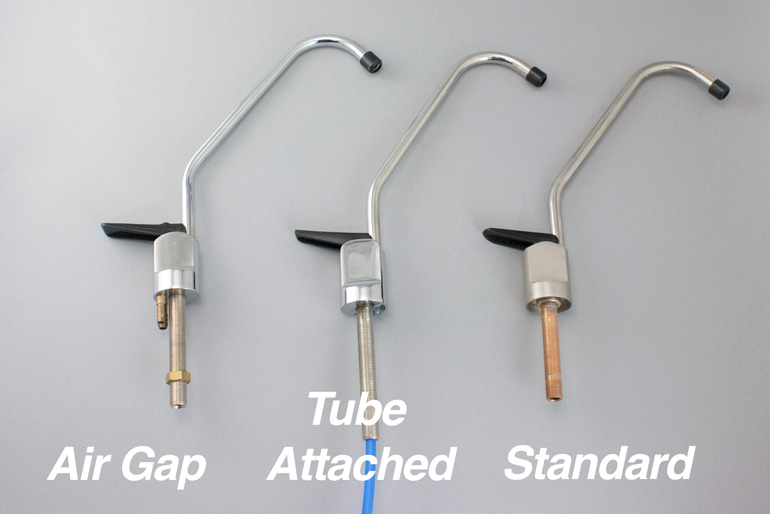
Credit: www.purewaterproducts.com
Air Gap Faucet Basics
An air gap faucet plays an important role in home water systems. It is common with reverse osmosis (RO) water filters. This faucet helps keep drinking water clean and safe. It stops dirty water from flowing back into the clean water supply. The design includes a small break of air in the drain line. This break stops backflow and contamination.
Understanding the basics of an air gap faucet helps in choosing the right faucet. It also aids in proper installation and maintenance. Below are the key details about how an air gap faucet works and why it matters.
Purpose And Function
An air gap faucet prevents dirty water from mixing with clean water. It creates a space of air between the drain and the water supply. This space acts as a barrier against backflow. The faucet is mostly used with RO water filter systems. It ensures that wastewater does not enter the drinking water line. This keeps water pure and safe to drink.
Key Components
The air gap faucet has several important parts. First, it has a tube that delivers clean filtered water. Second, it has two drain tubes for wastewater. One tube carries drain water from the RO system. The other tube connects to the sink drain or garbage disposal. The faucet also has a small opening, called the air gap, where air breaks the flow. This design helps control water direction and stops contamination.
How It Prevents Backflow
The air gap faucet stops backflow by using a physical air break. If the drain clogs, water cannot flow backward. Instead, it spills out of the air gap opening. This prevents dirty water from reaching the RO system. The air space breaks any siphon effect that could pull wastewater back. This simple yet effective method keeps drinking water safe and clean at all times.
Credit: espwaterproducts.com
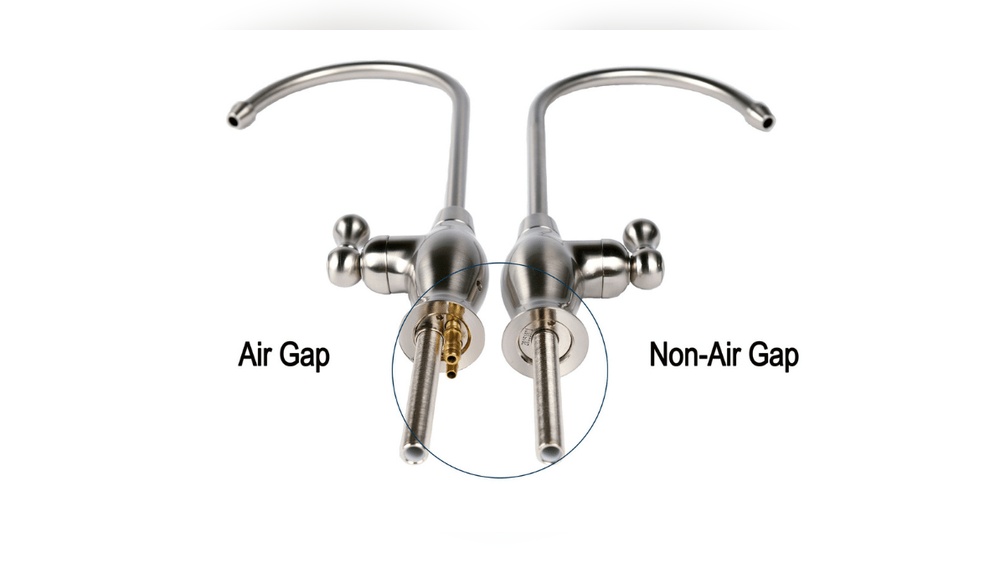
Air Gap Vs Non-air Gap Faucets
Choosing between an air gap faucet and a non-air gap faucet is important for water safety. Both types serve to deliver filtered water, but they work differently. Understanding their differences helps in making the right choice for your home or business. Here is a breakdown of how air gap and non-air gap faucets compare.
Design Differences
An air gap faucet has three tubes: one for filtered water and two for waste water. It creates a physical break between the faucet and the drain. This gap stops dirty water from flowing back into the clean water supply.
A non-air gap faucet uses only one or two tubes. It does not have a physical break in the drain line. This design is simpler but may allow backflow if the drain clogs or pressure changes.
Pros And Cons
Air gap faucets prevent contamination by stopping backflow. They offer better protection for drinking water. The design can be more complex and may cost more to install.
Non-air gap faucets are easier to install and less expensive. They work fine if the plumbing is well maintained. The risk of cross-contamination is higher without an air gap.
Code Compliance
Many local plumbing codes require air gap faucets for reverse osmosis systems. This rule protects the water supply from contamination. Non-air gap faucets may not meet these codes in some areas.
Checking local regulations before installation is crucial. Using an air gap faucet ensures legal compliance and safer water.
Installation Insights
Installing an air gap faucet requires careful attention to detail. This faucet prevents dirty water from flowing back into your clean water system. Proper installation ensures safety and proper function. Understanding the setup, common problems, and how to handle noise and leaks can save time and effort.
Typical Setup
An air gap faucet usually connects to a reverse osmosis system. It has three tubes: one for clean water and two for waste water. The waste water line runs through the air gap, then to the drain. This design stops backflow from the drain into the clean water line. The faucet mounts on the sink or countertop with a hole for the three tubes.
Common Challenges
Installing an air gap faucet can be tricky for beginners. Aligning the tubes correctly is essential to prevent leaks. The air gap must be above the drain to work properly. Sometimes, space under the sink is tight, making tube connections hard. Using flexible tubing and the right tools helps avoid damage. Checking local plumbing codes can prevent installation problems.
Noise And Leak Issues
Air gap faucets can produce a gurgling or splashing sound. This noise comes from water passing through the air gap. Proper tube placement can reduce noise. Leaks often occur if tubes are loose or cracked. Tighten all connections and replace damaged tubes quickly. Regular checks help catch leaks early and keep the system working well.
Applications And Usage
Air gap faucets have specific uses that protect water quality and plumbing. They stop dirty water from flowing back into clean water lines. This safety feature is important in many settings. Understanding where to use air gap faucets helps maintain safe and healthy water systems.
Reverse Osmosis Systems
Air gap faucets are common in reverse osmosis (RO) water systems. RO systems filter water to remove impurities. The air gap prevents wastewater from re-entering the clean water supply. This keeps the drinking water pure and safe.
Without an air gap, backflow can contaminate the RO system. The faucet design includes a gap of air in the drain line. This breaks any siphon effect that could cause dirty water to flow backward.
Kitchen Sink Integration
Many kitchen sinks use air gap faucets with water filters or RO units. The faucet fits neatly on the sink or countertop. It connects to both the filtered water output and the drain line.
This setup ensures that wastewater flows safely into the drain. If the drain clogs, water spills out of the air gap instead of flowing back. This protects the home’s water supply from contamination.
Areas Requiring Air Gaps
Local plumbing codes often require air gap faucets in specific areas. These include homes with RO systems and commercial kitchens. The air gap prevents cross-contamination in busy or complex plumbing setups.
Some regions mandate air gaps for dishwashers or water filtration devices. This helps meet health and safety standards. Installing an air gap faucet ensures compliance and safer water use.
Risks Of Missing An Air Gap
Missing an air gap in your faucet setup can lead to serious issues. This small component plays a key role in protecting your water system. Without it, you risk harmful problems affecting your home and health.
Cross-contamination Hazards
Without an air gap, dirty water can flow backward into clean water lines. This backflow allows bacteria and contaminants to enter your drinking water. Cross-contamination can cause illnesses and health risks for your family.
An air gap creates a physical space that stops this reverse flow. Its absence removes this safety barrier, increasing the chance of polluted water mixing with safe water.
Drainage Problems
Missing an air gap can cause drainage issues in your sink or dishwasher. Water may not drain properly, leading to clogs or slow flow. This can cause water to back up into your appliance or sink basin.
Such blockages can damage plumbing and require costly repairs. An air gap ensures water drains smoothly and prevents waste water from flowing back.
Impact On Water Quality
The absence of an air gap can reduce the quality of your filtered water. Contaminated water may enter the clean water supply through backflow. This compromises the taste, smell, and safety of drinking water.
Using an air gap faucet maintains the purity of your water. It helps keep your drinking water fresh, clean, and safe for everyday use.
Maintenance And Troubleshooting
Maintaining an air gap faucet keeps your water clean and your system working well. Troubleshooting helps catch small issues before they grow. Regular checks and care extend the faucet’s life and performance.
Detecting Clogs
Watch for slow draining or water backing up near the faucet. These signs often mean a clog in the air gap or drain line. Check the small gap area for water overflow or drips. Clear blockages quickly to avoid damage or leaks.
Cleaning Tips
Turn off the water supply before cleaning the faucet. Remove the faucet cap gently to access the air gap chamber. Use a soft brush and warm, soapy water to clean inside. Avoid harsh chemicals that could damage parts. Rinse well and dry before reassembling the faucet.
When To Replace
Replace the air gap faucet if leaks persist after cleaning. Cracks or broken parts also signal replacement time. If water does not flow properly, the internal mechanism may be worn out. Choose a replacement that fits your system and local codes.

Credit: www.amazon.com
Frequently Asked Questions
Is An Air Gap Faucet Necessary?
An air gap faucet prevents contaminated water from flowing back into your filtered water system. It ensures safe, clean drinking water and meets plumbing codes in some areas.
Can I Replace An Air Gap Faucet With A Non-air Gap?
You can replace an air gap faucet with a non-air gap only if local codes allow it. Non-air gap faucets risk backflow contamination. Check plumbing regulations before making changes to ensure safety and compliance.
What Happens If You Don’t Install An Air Gap?
Not installing an air gap risks contaminated water backflow into your drinking supply. It may violate plumbing codes and cause health hazards.
What Is The Point Of An Air Gap?
An air gap prevents contaminated water from flowing back into a clean water system. It ensures safe, hygienic water by blocking backflow.
Conclusion
An air gap faucet keeps your drinking water safe and clean. It stops dirty water from flowing back into the filtered water. This simple design uses air to block any backflow. Many local codes require air gap faucets with reverse osmosis systems.
Though it may make some noise, the protection it offers is worth it. Choosing an air gap faucet helps maintain healthy water in your home. Understanding its purpose can guide you to better water safety.