Pur Vs Culligan Faucet Filter: Which One Should You Choose?
Pur Vs Culligan Faucet Filter
Safe drinking water is not just a comfort—it’s a necessity. Many people worry about what’s really in their tap water. Two of the most popular solutions for cleaner water right from your kitchen sink are Pur and Culligan faucet filters. Both brands promise easy installation and better-tasting water, but which one is actually best for your home? This guide will walk you through the strengths, weaknesses, and important details of each, so you can choose with confidence and avoid common mistakes.
What Makes A Good Faucet Filter?
Before looking closely at Pur and Culligan, it’s smart to understand what really matters in a faucet water filter. Many buyers focus only on price or brand, but that often leads to disappointment. Here are some key factors:
- Contaminant removal: Does it block lead, chlorine, or other harmful substances?
- Filter life: How long before you need to change the filter?
- Flow rate: Will your water slow to a trickle?
- Ease of installation: Can you fit it yourself, or will you need a plumber?
- Maintenance and cost: Are replacement filters expensive or hard to find?
- Build quality: Is it sturdy, or does it leak after a few months?
- Certifications: Is the filter tested by groups like NSF/ANSI?
Focusing on these points saves money and frustration. Many people miss looking at certifications—but this is a sign the filter truly works as promised. Always check for these before you buy.
Pur Faucet Filter: Overview And Features
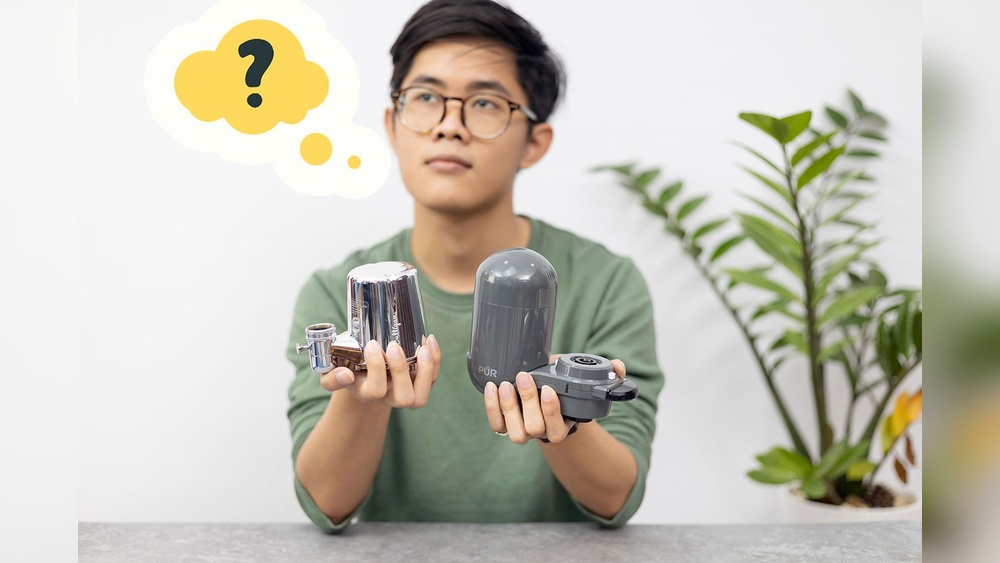
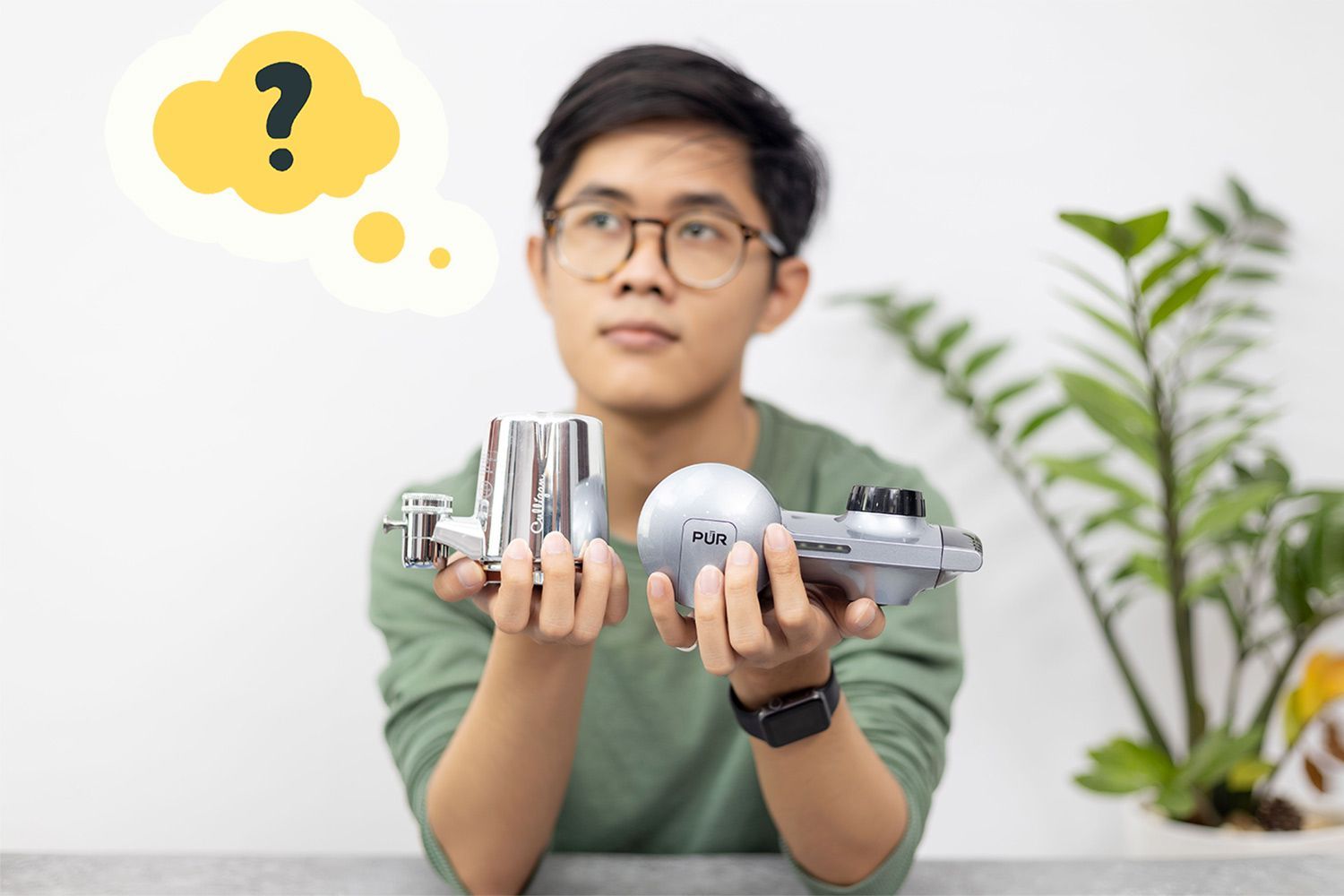
Pur is a well-known brand in home water filtration, famous for its simple designs and broad availability in stores. The company makes several models, but their standard Pur Faucet Filter System is a top seller.
Key Features Of Pur
- 3-stage filtration technology: Uses activated carbon and ion exchange.
- Certified to reduce 70+ contaminants: Including lead, chlorine, some pesticides, and mercury.
- NSF/ANSI 42, 53, and 401 certified: Trusted third-party verification.
- Easy tool-free installation: Most people fit it in under 10 minutes.
- Electronic filter change light: Reminds you when to replace the cartridge.
- Up to 100 gallons per filter: Lasts about 2-3 months for a typical family.
- Multiple finishes: Chrome, white, and sometimes black.
How Pur Filters Work
Pur filters use a special carbon block with an ion exchange layer. As water passes through, the carbon absorbs chemicals and odors, while the ion layer grabs metals like lead. The filter’s micro-mesh keeps out larger particles. This combo creates water that tastes fresh and is safer to drink.
Real-world Example
Suppose your city water has a chlorine smell and is known for lead pipes. The Pur filter can reduce both, making your water much more pleasant and safer for children.
Culligan Faucet Filter: Overview And Features
Culligan is another respected name with a long history in water treatment. Their Culligan FM-15A and Culligan FM-25 models are popular choices for home faucets.
Key Features Of Culligan
- Advanced carbon block filtration: Removes chlorine, lead, atrazine, and particulates.
- NSF/ANSI 42 and 53 certified: Trusted by health experts.
- Tool-free installation: Fits most standard faucets.
- 200-gallon filter life: Lasts up to 2-3 months, longer than some competitors.
- Compact design: Takes up less space.
- Affordable replacement cartridges: Easy to find in stores and online.
How Culligan Filters Work
Culligan uses a similar carbon block approach, focusing on removing chlorine, bad tastes, and some metals. The filter fits directly onto your faucet and diverts water through the cartridge only when needed, which can help it last longer.
Real-world Example
If your main concern is strong chlorine taste or visible particles in water, the Culligan filter is a practical, budget-friendly solution.
Pur Vs Culligan: Head-to-head Comparison
Comparing Pur and Culligan side by side is the best way to see which is right for your needs. Here’s a look at how they stack up on the most important criteria:
| Feature | PUR Faucet Filter | Culligan Faucet Filter |
|---|---|---|
| Contaminants Removed | 70+ | ~15 (mainly chlorine, lead, particulates) |
| Certifications | NSF/ANSI 42, 53, 401 | NSF/ANSI 42, 53 |
| Filter Life | 100 gallons | 200 gallons |
| Filter Change Indicator | Electronic light | No |
| Installation | Tool-free, easy | Tool-free, easy |
| Replacement Cost | Medium | Low |
| Design Options | Several finishes | Mostly white/chrome |
| Water Flow Rate | Moderate | Moderate to high |
Key Insights From The Comparison
- Pur removes more contaminants. If you worry about a wide range of chemicals or pharmaceuticals, Pur is stronger here.
- Culligan lasts longer per filter. You’ll change filters less often, which saves time and money.
- Pur’s filter indicator light is helpful. Beginners often forget when to change filters, which reduces effectiveness.
- Culligan is usually cheaper to maintain. Replacement filters are easy to find and cost less.
Installation And Maintenance
Many people feel nervous about installing a faucet filter. The good news is both Pur and Culligan are designed for easy, DIY setup. Here are the main steps you’ll follow for each:
Installing A Pur Faucet Filter
- Unscrew the faucet aerator.
- Choose the right adapter (usually included).
- Attach the filter unit and tighten by hand.
- Run water through the filter for about 5 minutes to flush it.
You do not need any tools, but sometimes older faucets may need a special adapter. Always save any extra adapters that come with the box.
Installing A Culligan Faucet Filter
- Remove the faucet’s aerator.
- Select the adapter that fits (provided).
- Screw on the Culligan filter by hand.
- Flush the filter with cold water for a few minutes.
Culligan filters are a bit smaller, so they fit tight spaces better. But, like Pur, they do not work on pull-out or spray faucets without extra adapters.
Maintenance Tips
- Change filters on time. Pur’s indicator light helps, but Culligan users must remember to check the calendar or watch for slow water flow.
- Only use cold water. Hot water can damage the filter and reduce its effectiveness.
- Clean the filter housing with a damp cloth every few weeks to prevent mold or buildup.
- Check for leaks after installation and after each filter change.
If your water suddenly slows down, it’s usually a sign the filter is clogged and needs to be replaced.
Contaminant Removal: What Do They Really Block?
Not all faucet filters are equal. Pur and Culligan both help, but the details matter.
What Pur Removes
- Lead (99%+ removal)
- Chlorine (taste and odor)
- Mercury
- Certain pesticides and herbicides
- Pharmaceuticals (model specific)
- Microplastics
- Some industrial chemicals
Pur’s higher NSF/ANSI 401 certification means it handles newer contaminants found in some city waters.
What Culligan Removes
- Chlorine (taste and odor)
- Lead
- Particulates (sediment, dirt)
- Atrazine (pesticide)
- Lindane (insecticide)
Culligan is strong for basic taste and safety, but does not cover as many unusual chemicals or pharmaceuticals.
Not-so-obvious Insight
Many people think all filters remove microbes like bacteria and viruses. This is not true for Pur or Culligan. For true microbe removal, you need special filters or a UV purifier. If you’re on well water or in an area with known bacteria issues, these faucet filters are not enough by themselves.
Cost Of Ownership
Upfront price is only part of the story. Over time, the real cost of a faucet filter depends on replacement filters and how often you change them.
| Brand | Starter Kit Price (approx.) | Replacement Cartridge Price (each) | Average Annual Cost |
|---|---|---|---|
| PUR | $25 – $40 | $10 – $15 | $60 – $90 |
| Culligan | $20 – $30 | $7 – $10 | $40 – $60 |
Culligan is usually cheaper each year, especially if you use a lot of filtered water. But Pur’s extra contaminant removal can be worth the extra money if your water is at risk.
Durability And Build Quality
No one likes leaks, cracks, or wobbly filters. Both Pur and Culligan use mainly plastic housings, but there are some differences:
- Pur: Some users report leaks after 6-12 months, especially if they change filters often or do not tighten the housing correctly. The electronic light is helpful but can fail if water seeps inside.
- Culligan: The compact, simple design means fewer parts to break. It feels sturdy but may discolor over time.
A tip for both: Do not overtighten the filter on your faucet. This can crack the housing or strip the threads. Hand-tight is enough.
:max_bytes(150000):strip_icc()/sea-product-culligan-fm25-faucet-mount-abigail-clarkin-10-7936c7e2b5c6430fa4dd2f0ec9a806f0.jpeg)
Credit: www.seriouseats.com
Filter Life And Performance Over Time
A common mistake is waiting too long to change the filter. Both brands say 2-3 months, but if your family uses lots of water, you may need to change more often.
- Pur’s 100-gallon filter is best for 1-2 people or light use.
- Culligan’s 200-gallon filter suits bigger families or those who drink a lot.
You’ll notice water flow slows down as the filter fills up with contaminants. Always keep a spare filter cartridge on hand so you never run out.
Ease Of Finding Replacement Filters
It’s easy to buy Pur and Culligan filters online or in big stores. But check your model number carefully—sometimes Pur changes the design, and old filters might not fit new units.
Culligan has kept the same cartridge style for years, so it’s a bit easier to find replacements. But both are widely available.
Taste And Odor Improvement
Both Pur and Culligan greatly improve the taste and smell of tap water. In blind taste tests, most people cannot tell the difference between filtered water from either brand and bottled water—especially when the filter is new.
However, if your water has a strong chemical smell or metallic taste, Pur’s broader contaminant removal may create a cleaner flavor.
Who Should Choose Pur?
Pur is a strong choice if:
- You worry about a wide range of contaminants, especially lead, pesticides, or pharmaceuticals.
- Your water has a strong chemical odor or taste.
- You like extra features, like a filter change indicator.
- You want multiple finish options to match your kitchen.
Pur’s advanced filtration is especially helpful for older homes or cities with known water issues. The indicator light is a big plus for busy families who forget to change the cartridge.
Who Should Choose Culligan?
Culligan is best for:
- People who want a simple, reliable filter for basic chlorine or lead removal.
- Those on a tighter budget who want to save on replacement cartridges.
- Homes with high water use (since Culligan filters last longer).
- Small kitchens with little space around the faucet.
Culligan is a solid, no-frills option. It does the basics well and costs less to keep running year after year.
Common Mistakes When Buying Or Using Faucet Filters
Many people buy a filter, then feel disappointed later. Here are mistakes to avoid:
- Ignoring certifications: If the filter is not tested by NSF/ANSI, it may not work as advertised.
- Not checking faucet compatibility: Some fancy faucets (like pull-out sprayers) do not fit standard filters without extra parts.
- Using hot water: This damages the filter and can release contaminants.
- Forgetting to change filters: Old filters can actually make water worse.
- Expecting microbe removal: Faucet filters do not kill bacteria or viruses—only special systems do this.
- Not flushing the filter: Always flush a new filter for a few minutes to clear out carbon dust.
A not-so-obvious tip: If your water pressure drops sharply, check for mineral buildup in your faucet screen (not just the filter). This is a common source of slow flow that many people miss.
Environmental Impact
Using a faucet filter is much better for the planet than buying bottled water. Both Pur and Culligan make filters that are recyclable in some areas. However, check local rules—most cities do not accept used filter cartridges in standard recycling.
Some programs let you mail in used filters for special recycling. This can reduce your environmental footprint even more.
User Reviews And Real-world Feedback
Looking at hundreds of online reviews gives a clear picture:
- Pur users praise the fresh taste and indicator light but sometimes complain about leaks or hard-to-read instructions.
- Culligan users love the value and long filter life but wish for more finish choices and a filter change reminder.
Both brands have strong customer support and good return policies.
Credit: shouldit.com
When To Consider A Different Filter
If your water is extremely hard, has a strong sulfur smell, or you need to remove fluoride, neither Pur nor Culligan may be enough. In these cases, consider an under-sink or reverse osmosis system instead. These are more expensive but offer deeper filtration.
For renters or those who move often, faucet filters like Pur and Culligan are a simple, portable choice.
How To Decide: Quick Questions
Ask yourself:
- What’s in my water? (Check your city’s water report online.)
- Do I want the highest contaminant removal, or just better taste?
- Is my faucet compatible?
- Do I want a reminder when to change filters?
- What’s my budget for replacement cartridges?
If you answer these honestly, you’re much less likely to regret your purchase.
:max_bytes(150000):strip_icc()/sea-product-pur-plus-faucet-mount-abigail-clarkin-05-a35ce3f99c0142ab96e66c54b4405154.jpeg)
Credit: www.seriouseats.com
Extra Tip: How To Test Your Water
If you’re unsure what’s in your tap water, buy a home test kit or ask your water company for a quality report. Testing for lead, chlorine, and pesticides helps you choose the right filter—and shows if it’s time to upgrade to a more advanced system.
For more on water quality and filter certifications, see the EPA’s drinking water site.
Frequently Asked Questions
What Contaminants Do Pur And Culligan Faucet Filters Remove?
Pur removes over 70 contaminants, including lead, chlorine, mercury, and some pharmaceuticals. Culligan focuses on chlorine, lead, particulates, and certain pesticides. Neither removes bacteria or viruses.
How Often Should I Change My Faucet Filter?
Change the Pur filter every 100 gallons (about 2-3 months) and the Culligan filter every 200 gallons (2-3 months, depending on use). Heavy water use means you may need to change filters more often.
Can I Use Hot Water With These Filters?
No. Always use cold water only with faucet filters. Hot water can damage the filter and release trapped contaminants back into your water.
Do These Filters Fit All Faucets?
Most standard faucets will fit, but pull-out sprayer faucets or unique designs may need special adapters. Check your faucet before buying and keep all adapters provided in the package.
Do Pur Or Culligan Filters Improve Water Taste?
Yes, both filters improve taste and odor by removing chlorine and other chemicals. Pur’s wider contaminant removal may make water taste even cleaner, especially if your tap has strong chemical flavors.
Faucet filters like Pur and Culligan make a real difference in daily life—saving money, reducing waste, and protecting your family from unwanted chemicals. By understanding your needs and these two top choices, you can drink confidently from your own tap.