Zinc Vs Metal Faucet: Which Is Best for Your Home?
Choosing the right faucet material can change your kitchen or bathroom for years to come. Many homeowners and builders often debate between zinc faucets and metal faucets. Both have their strengths, but they also have weak points that can affect your experience, maintenance, and budget. If you’re shopping for a new faucet or just curious about what you already have, understanding the differences between these two materials can help you make smarter decisions. Let’s explore what sets zinc and other common metals apart when it comes to faucets—so you won’t be left guessing at the hardware store.
What Is A Zinc Faucet?
A zinc faucet is a fixture made primarily from zinc alloys. Most often, these faucets use zinc die-casting—a process where melted zinc is poured into molds to make different parts of the faucet. Sometimes, zinc faucets have a thin layer of chrome or nickel on the outside to give a shiny look and protect the surface.
Zinc is a light-gray metal that is not used in its pure form for faucets. Instead, manufacturers mix it with small amounts of aluminum and copper to improve strength and durability. The most common zinc alloy used is Zamak, which contains about 4% aluminum and small amounts of magnesium and copper.
Zinc faucets are popular in budget product lines and temporary installations. They are found in many homes, rental properties, and commercial spaces where cost is a major factor.
What Is A Metal Faucet?
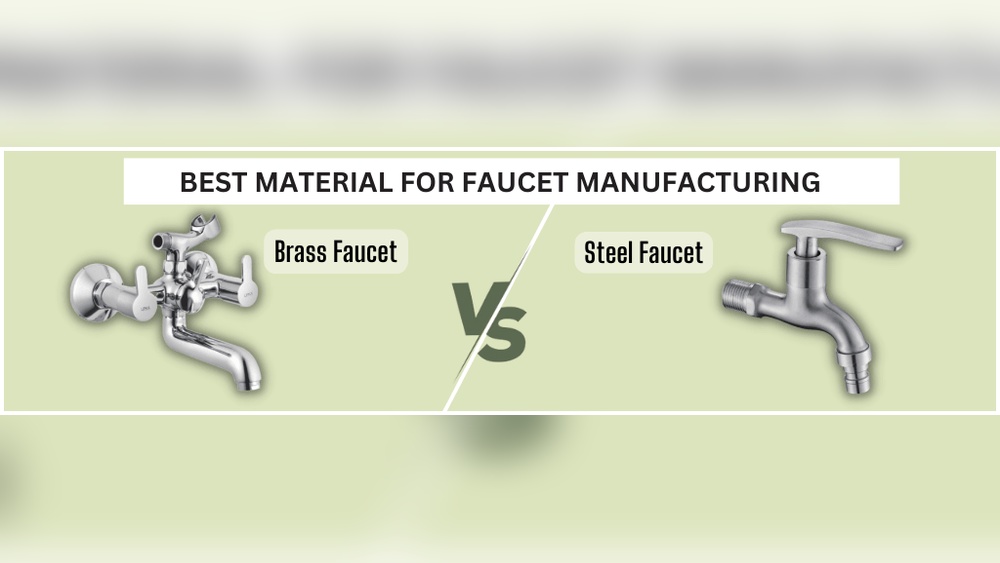
The term metal faucet is broad. It includes faucets made from materials like brass, stainless steel, bronze, and sometimes copper. These metals have been used for generations because of their corrosion resistance, strength, and long life.
Each metal brings something unique:
- Brass (copper and zinc alloy) is known for reliability and is widely used in quality plumbing.
- Stainless steel resists rust and staining, common in modern kitchens and bathrooms.
- Bronze faucets are valued for their classic look and resistance to corrosion.
- Copper has natural antimicrobial qualities, though pure copper faucets are rare.
Metal faucets are not always more expensive, but they usually offer better durability and performance compared to basic zinc faucets.
Credit: vigoindustries.com
How Zinc And Metal Faucets Are Made
Zinc Faucet Manufacturing
Zinc faucets are made using a method called die casting. Molten zinc alloy is injected into a steel mold under high pressure. The faucet’s body and handles can be formed in complex shapes quickly and at a lower cost.
After casting, the pieces are polished and often coated with a thin layer of chrome or nickel. This coating improves appearance and gives extra protection against water and air, which can cause corrosion.
Metal Faucet Manufacturing
Other metal faucets are usually made by forging or casting:
- Brass faucets: Brass can be forged (pressed into shape) or cast in molds. Forged brass is stronger and used for high-quality products.
- Stainless steel faucets: Made by casting, then finished by machining and polishing. Good stainless steel faucets use high grades (like 304 or 316) for better rust resistance.
- Bronze and copper faucets: Cast in molds and then hand-finished for their unique look.
Some metal faucets also use plating (chrome or nickel) for shine and extra protection.
Key Differences Between Zinc And Metal Faucets
Understanding the real differences between zinc and other metal faucets is important for buyers. The table below highlights major differences:
| Feature | Zinc Faucet | Metal Faucet (Brass/Stainless/Bronze) |
|---|---|---|
| Cost | Lower | Higher |
| Durability | Lower | Higher |
| Corrosion Resistance | Moderate | High |
| Weight | Lighter | Heavier |
| Look and Finish | Plated, can chip | Lasting, many styles |
| Lifespan | 3-7 years (typical) | 10-20+ years |
| Common Use | Budget, temporary | Permanent, quality |
Credit: erlassjahr.de
Pros And Cons Of Zinc Faucets
Advantages
- Affordable Price: Zinc faucets are usually the cheapest option. This makes them popular for rental units or quick renovations.
- Lightweight: Easier to handle and install, especially for DIY users.
- Good for Low-Use Areas: In places where faucets are not used often (like guest bathrooms), zinc can be a practical choice.
Disadvantages
- Shorter Lifespan: Zinc alloys are weaker than brass or stainless steel. They can corrode or break after a few years, especially if the coating is damaged.
- Finish Can Wear Off: The chrome or nickel layer on zinc faucets can chip, peel, or fade, exposing the dull metal underneath.
- Corrosion Risk: If water leaks through the coating, zinc can corrode quickly. This is more likely in hard water areas.
- Not Repair-Friendly: Once the body of a zinc faucet is damaged, it’s often cheaper to replace than repair.
- Not for Hard Use: Kitchens or high-use bathrooms need stronger faucets, and zinc does not perform well under daily heavy use.
Pros And Cons Of Metal Faucets
Advantages
- High Durability: Brass, stainless steel, and bronze faucets can last decades. They resist dings, cracks, and other damage.
- Excellent Corrosion Resistance: These metals hold up well against water, humidity, and cleaning chemicals.
- Attractive Finishes: Metal faucets come in many styles and finishes that stay beautiful for years.
- Repairable and Upgradeable: Metal faucets can often be fixed or upgraded with new parts, extending their life.
- Safe for Drinking Water: Quality metals do not leach harmful chemicals into water, important for health.
Disadvantages
- Higher Cost: Good metal faucets are more expensive upfront. However, their long life may save money over time.
- Heavier: These faucets weigh more, which can make installation harder for some people.
- Potential for Water Spotting: Stainless steel and some finishes can show water spots if not wiped dry.
Performance And Longevity: What To Expect
When you buy a faucet, you want it to last. Here’s how zinc and other metal faucets compare in daily life:
- Zinc faucets may look nice at first, but their finish can wear out in busy kitchens or bathrooms. If you have kids who are tough on fixtures, or if you clean with strong chemicals, zinc can get damaged quickly.
- Brass and stainless steel faucets are built for the long haul. They resist scratches and can handle years of use without losing their shine. Many top brands offer warranties of 10 years or more on brass faucets.
A common mistake is thinking all shiny faucets are equal. In reality, two faucets can look almost the same, but one can last five years while the other lasts twenty. Always check the label or ask the seller about the true material—not just the finish.
How To Identify A Zinc Faucet Vs. A Metal Faucet
Distinguishing between zinc and other metals can be tricky, especially when everything is chrome-plated. Here are some clues:
- Weight: Zinc faucets feel lighter than brass or stainless steel. Pick up the faucet—if it’s very light, it’s probably zinc.
- Price Tag: If the price is much lower than similar-looking products, it’s often zinc.
- Product Labeling: Look for terms like “zinc alloy,” “Zamak,” or “die-cast zinc.” Brass and steel will be labeled clearly.
- Magnet Test: Stainless steel is not strongly magnetic, while zinc and brass are not magnetic at all. This test is not perfect, but it helps.
- Finish Wear: On older faucets, if you see dull gray metal under chipped chrome, it’s likely zinc.
- Sound: Gently tap the faucet with a coin. Brass and steel give a clearer, ringing sound, while zinc is duller.
If you want to be sure, ask the seller for technical details or visit a reputable brand’s website for material information.
Comparing Brass, Stainless Steel, And Zinc Faucets
Let’s look deeper at the most popular choices: brass, stainless steel, and zinc. The table below compares their main qualities:
| Property | Brass | Stainless Steel | Zinc |
|---|---|---|---|
| Strength | High | High | Moderate |
| Rust Resistance | Excellent | Excellent | Good (if coated) |
| Lead Content | Possible (check for lead-free) | None | None |
| Life Expectancy | 15-20 years | 15-25 years | 3-7 years |
| Surface Finish | Many options | Mostly satin/shiny | Plated only |
| Common Use | Most homes & hotels | Modern kitchens | Budget & rental |
Non-obvious insight: Some faucets may combine materials—using a zinc body with a brass spout or handle. Always check all parts if durability matters.
When To Choose A Zinc Faucet
Zinc faucets make sense in some situations:
- Short-term housing: For rental apartments, student dorms, or temporary homes, zinc faucets are a low-cost solution.
- Low-use spaces: In guest bathrooms or powder rooms where faucets are rarely used, zinc can last many years.
- Strict budgets: If you need to save money now, zinc gets the job done until you can upgrade.
However, always remember that a cheaper faucet may cost more in repairs and replacements over time.
When To Choose A Metal Faucet
Choose a quality metal faucet when:
- High use is expected: Kitchens, family bathrooms, or commercial restrooms need sturdy, reliable faucets.
- You want a long-term investment: A brass or stainless faucet can last decades with little trouble.
- Water quality is important: Brass and stainless steel are less likely to react with drinking water. Some regions require “lead-free” brass by law.
- Style matters: Metal faucets offer more design and finish options. You can match any décor—from classic to modern.
A common error is underestimating how often a faucet is used. Even in a small family, a kitchen faucet might be turned on and off over 100,000 times in ten years. Cheap zinc can wear out quickly under this stress.
Environmental Impact And Health Considerations
Zinc Faucets
Zinc is widely available and easy to recycle, but the die-casting process uses a lot of energy. Low-end zinc faucets may contain impurities, which can leach out if the protective coating fails. However, zinc itself is not considered toxic in faucet use.
Metal Faucets
Brass and stainless steel are also recyclable and often use recycled content in manufacturing. Brass may contain small amounts of lead, but most modern faucets are labeled “lead-free” to meet safety standards.
Health tip: Always check for certified “lead-free” or “NSF” marks on faucets, especially if you use them for drinking water. Stainless steel is a top choice for health and environmental reasons—it’s inert and doesn’t react with water.
Maintenance And Cleaning Tips
Regardless of material, a little care keeps your faucet looking good:
- Wipe dry after use: Prevents water spots and mineral buildup.
- Use mild cleaners: Avoid harsh chemicals, especially on zinc faucets, as they can damage the protective coating.
- Check for leaks: Fix drips quickly. Water under the finish can cause corrosion, especially in zinc models.
- Polish occasionally: Brass and stainless steel can be polished to restore shine, but zinc should only be gently wiped.
Pro tip: For zinc faucets, use a soft cloth and mild soap. Never use abrasive pads—they can scratch off the coating and expose the base metal.
Real-world Examples And Statistics
- In the U.S., about 75% of quality faucets sold for homes are made from brass or stainless steel. Zinc faucets account for most entry-level products found in big box stores.
- A survey of plumbers (2022) found that 80% recommend brass for kitchen and bath faucets, mainly for durability and ease of repair.
- Stainless steel faucets are growing in popularity, especially in modern kitchens, with a market share increase of 12% in the last five years.
- Homeowners who choose metal faucets report fewer repairs and replacements compared to those with zinc faucets, saving money over time.
Non-obvious insight: Some “designer” faucets use zinc to keep costs down but price them like metal. Always check what’s under the finish!

Credit: lipkahome.com
Common Buyer Mistakes
- Focusing only on appearance: Two faucets can look the same but perform very differently.
- Ignoring internal parts: Handles may be brass, but the body is zinc. Ask about all components.
- Not asking about warranty: Zinc faucets often have short warranties, while brass and stainless steel models may offer lifetime coverage.
- Forgetting about water quality: Hard water can wear down zinc finishes faster.
- Not matching material to need: High-traffic areas need strong, reliable faucets.
Which Faucet Material Is Best For You?
There’s no single answer. It depends on your needs:
- If you want low initial cost and won’t use the faucet much, zinc is fine.
- For long-term value, safety, and appearance, choose brass or stainless steel.
- If you need something in between, some brands offer zinc faucets with brass components.
If you’re unsure, ask a plumber or visit a hardware store to feel the weight and quality differences. Read reviews and check warranties before you buy.
For more technical details, the Wikipedia Faucet page covers faucet materials and standards.
Frequently Asked Questions
What Is The Main Difference Between Zinc And Brass Faucets?
The main difference is durability and lifespan. Brass faucets last much longer and resist corrosion better than zinc. Zinc is cheaper but wears out faster, especially if the finish is damaged.
Are Zinc Faucets Safe For Drinking Water?
Yes, zinc faucets are generally safe, but if the protective coating wears away, impurities could leach into the water. Always choose faucets labeled as safe for drinking water, especially for kitchen use.
How Can I Tell If My Faucet Is Made From Zinc Or Metal?
Check the weight (zinc is lighter), look for product labels, or ask the seller. If the finish chips and you see dull gray metal, it’s likely zinc. Brass and steel are heavier and make a clearer sound when tapped.
Do Metal Faucets Cost More Than Zinc Faucets?
Yes, metal faucets (like brass or stainless steel) usually cost more upfront. However, their longer life and lower repair needs can save you money in the long run.
Can Zinc Faucets Be Repaired If Damaged?
Minor issues like leaks can sometimes be fixed, but if the body is cracked or corroded, it’s usually better to replace a zinc faucet than try to repair it.
Choosing between zinc and metal faucets is about more than price or looks. Each material has its place. Think about how and where you’ll use the faucet, and don’t hesitate to ask questions before buying. The right choice today can save you money, time, and trouble in the years ahead.