Touch Vs Touchless Faucet: Which Is Best for Your Kitchen?
Touch vs Touchless Faucet: Which One Is Right for Your Home?
Choosing the right faucet for your kitchen or bathroom may seem like a small decision, but it can actually change your daily life in big ways. Faucets are used dozens of times a day, and the type you choose can affect cleanliness, water usage, convenience, and even the style of your home. In recent years, touch faucets and touchless faucets have become popular options for modern households. Both types offer hands-free or low-contact operation, but they work in different ways and come with unique benefits and challenges.
If you’re thinking of upgrading your current faucet, you may be wondering: Should I choose a touch faucet or a touchless faucet? This guide will help you understand everything you need to know, including how each type works, the main differences, costs, installation tips, maintenance, hygiene, common mistakes, and how to decide what’s best for your needs. By the end, you’ll have all the information you need to make a confident decision.
How Touch Faucets Work
Touch faucets use special sensors to detect when your skin makes contact with certain parts of the faucet, usually the spout or handle. When you tap the faucet with your hand, wrist, or even your forearm, the sensor sends a signal to open the valve and let water flow.
Another touch will turn the water off.
Most touch faucets use capacitive sensing technology. This means the sensor can detect the small electric charge from your skin when you touch the metal parts of the faucet. The sensor is usually set up so it will not turn on if you brush against the faucet by accident or use a cleaning cloth; it only responds to the actual touch of your skin.
Touch faucets still have a handle for adjusting water temperature and flow, but the on/off function is controlled by touch. Some models can be switched to manual mode if the sensor or batteries fail, which is a useful backup feature.
Key Features Of Touch Faucets
- Capacitive sensors for skin contact detection
- On/off control by tapping the faucet
- Manual handle for temperature and flow
- Battery-powered or sometimes wired
- Often includes an LED indicator for battery life
Touch faucets are popular in kitchens, where people often have messy hands or need to turn water on and off quickly while cooking.
How Touchless Faucets Work
Touchless faucets, sometimes called sensor faucets or automatic faucets, use a different technology. Instead of requiring a physical touch, they sense motion—usually the presence of your hands—under or near the spout.
The most common technology used is infrared sensing. A small infrared light and sensor are built into the faucet. When you place your hands in front of the sensor, it detects the change in infrared light reflection and opens the water valve. Move your hands away, and the water shuts off automatically.
Some advanced touchless faucets use ultrasonic sensors or even radar to detect motion, which can be more precise and less likely to be triggered by objects other than hands.
Touchless faucets are often seen in public restrooms, hospitals, and commercial kitchens, but they are now becoming more common in homes for their convenience and hygiene benefits.
Key Features Of Touchless Faucets
- Infrared or ultrasonic sensors for motion detection
- Water flows automatically when hands are detected
- Adjustable sensitivity and timer settings in some models
- May include temperature presets or manual controls
- Battery-powered or AC-powered
Touchless faucets are ideal for reducing the spread of germs, making them a popular choice in households with children or elderly family members.
Comparing Touch And Touchless Faucets
Let’s look more closely at how these two faucet types compare in important areas.
| Feature | Touch Faucet | Touchless Faucet |
|---|---|---|
| Operation Method | Tap with hand/wrist/forearm | Hands detected by motion sensor |
| Sensor Type | Capacitive | Infrared or ultrasonic |
| Power Source | Batteries or AC | Batteries or AC |
| Manual Override | Usually available | Available on some models |
| Water Temperature Control | Manual handle | Manual or preset |
| Best For | Kitchens, frequent cooks | Bathrooms, hygiene-focused homes |
Both types help reduce the spread of germs and make life easier, but the way they do this is different. Here are some additional points to consider:
- Touch faucets let you control the water with any part of your body (not just hands), which is helpful when your hands are dirty.
- Touchless faucets are fully hands-free, which can be more hygienic, especially in bathrooms or when dealing with raw food.
Hygiene And Cleanliness
One of the main reasons people choose touch or touchless faucets is to improve hygiene. Traditional faucets require you to grab the handle, which can transfer bacteria and viruses from your hands onto the surface. This is especially a concern during cold and flu season, or in homes with children.
Touch Faucet Hygiene
Touch faucets reduce contact with the faucet, but you still need to tap the spout or handle to turn it on or off. If your hands are covered in raw meat juice or sticky dough, there is still some transfer of germs, but much less than with traditional faucets.
Most touch faucets are designed to be easy to clean, with smooth surfaces and fewer crevices.
Touchless Faucet Hygiene
Touchless faucets offer the highest level of cleanliness. Since you do not need to touch the faucet at all, there is almost no transfer of germs. This makes them a favorite in hospitals, clinics, and homes where someone has a weakened immune system.
Non-obvious Insight:
However, many people forget that the surrounding sink area and faucet base can still become contaminated from splashes, especially if hands are not washed properly. Regular cleaning is still necessary, even with touchless models.
Convenience And Ease Of Use
Both touch and touchless faucets make daily tasks easier, but they do so in different ways. Let’s break down the user experience.
Touch Faucet Convenience
With a touch faucet, you can quickly turn the water on or off with a gentle tap. This is especially useful when your hands are full, dirty, or if you are multitasking. For example, you can tap the faucet with your wrist while holding a heavy pot or while your hands are covered in dough.
Touch faucets are also helpful for people with limited hand mobility, such as arthritis, since they do not require a strong grip or twisting motion.
Touchless Faucet Convenience
Touchless faucets allow for truly hands-free operation. Simply wave your hand in front of the sensor, and the water starts. This is ideal for children, elderly family members, or anyone who has trouble reaching the faucet or operating a handle.
One thing many new users notice is the learning curve: sometimes the sensor does not detect hands right away, or the water shuts off too quickly. High-quality models allow you to adjust sensitivity and flow time, but cheaper options may be less reliable.
Non-obvious Insight:
Touchless faucets can be confusing for pets who like to jump on sinks, as their movement can trigger the water unexpectedly. If you have curious cats or dogs, consider a touch model instead.
Water Conservation And Efficiency
Saving water is good for the planet and your wallet. Both touch and touchless faucets help reduce water waste, but they do so in slightly different ways.
Touch Faucet Water Saving
Touch faucets make it easier to turn water on and off quickly. Instead of leaving the tap running while washing vegetables or brushing teeth, you can tap to stop and start the flow as needed. According to some estimates, this can save up to 20% more water compared to traditional faucets.
Touchless Faucet Water Saving
Touchless faucets are even more efficient in many cases. The water only flows when hands or objects are detected, and it shuts off automatically after a set time. Many public restrooms use touchless faucets for this reason. Studies have shown that touchless systems can reduce water usage by 30-50% compared to manual faucets.
Practical Tip:
Check that your touchless faucet has an adjustable shut-off timer. Some cheaper models run too long or too short, which can waste water or be frustrating to use.
Installation And Setup
Installing a touch or touchless faucet is more complex than a standard faucet, but many homeowners do it themselves. Let’s look at what’s involved.
Touch Faucet Installation
Most touch faucets require:
- Replacing your old faucet with the new unit
- Connecting the sensor wires and control box under the sink
- Installing a battery pack (usually AA or 9V batteries)
- Connecting to your existing hot/cold water lines
Some models can be connected to AC power if you have an outlet under the sink. Battery life usually lasts one to two years, depending on usage. Many models have a low-battery indicator light.
The most common mistake is not grounding the faucet properly. Since touch faucets use capacitive sensors, they need a good electrical connection to work reliably. If installed incorrectly, the faucet may not respond to your touch.
Touchless Faucet Installation
Touchless faucets have a similar process, but the sensor is usually built into the faucet body or spout. You will need to:
- Replace the old faucet with the new one
- Mount the sensor unit and connect wires to a control box
- Install batteries or connect to AC power
- Connect water lines
Touchless faucets may require more fine-tuning after installation. The sensor angle, sensitivity, and shut-off timer often need to be adjusted so the faucet works smoothly for your sink setup. If the sensor points directly at a shiny or moving object, it may trigger the faucet by accident.
Non-obvious Insight:
Some touchless faucets require a minimum water pressure to function properly. If your home has low water pressure, check the product specs before buying.
Cost And Value
Price is always a factor when choosing fixtures for your home. Both touch and touchless faucets are more expensive than standard models, but the long-term benefits may justify the cost.
| Faucet Type | Average Price Range (USD) | Typical Features |
|---|---|---|
| Touch Faucet | $150 – $400 | Capacitive sensor, manual handle, LED, battery/AC |
| Touchless Faucet | $100 – $500 | Infrared/ultrasonic sensor, timer, battery/AC, presets |
| Traditional Faucet | $50 – $200 | Manual handle(s) only |
Factors That Affect Price
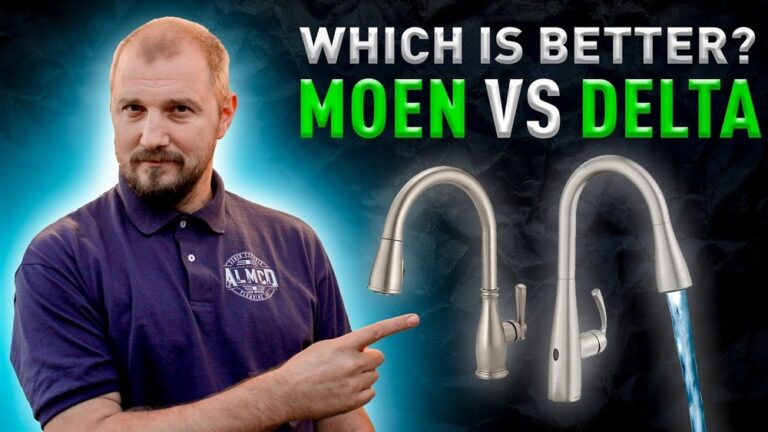
- Brand: Well-known brands like Moen, Delta, and Kohler cost more but offer better reliability.
- Sensor technology: Ultrasonic and dual-sensor models cost more than basic infrared.
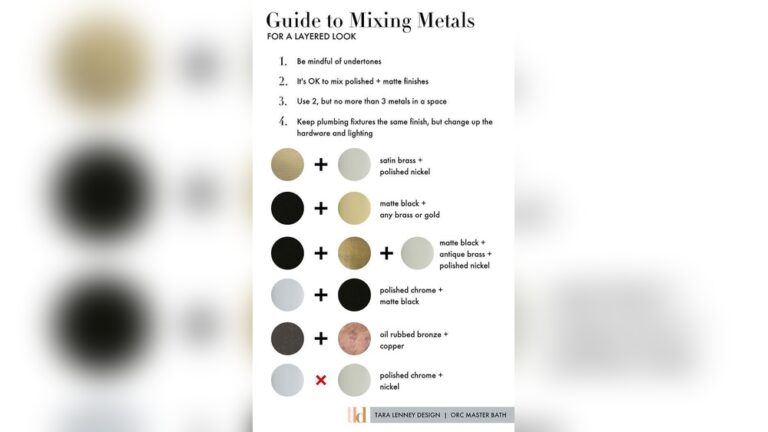
- Finish and style: Premium finishes (matte black, brushed nickel) add to the price.
- Extra features: LED indicators, voice control, app connectivity, and preset temperatures increase cost.
Value For Money
While the upfront cost is higher, both touch and touchless faucets can pay for themselves over time by saving water and reducing the need for frequent cleaning or repairs. For families, the convenience and hygiene benefits are often worth the investment.
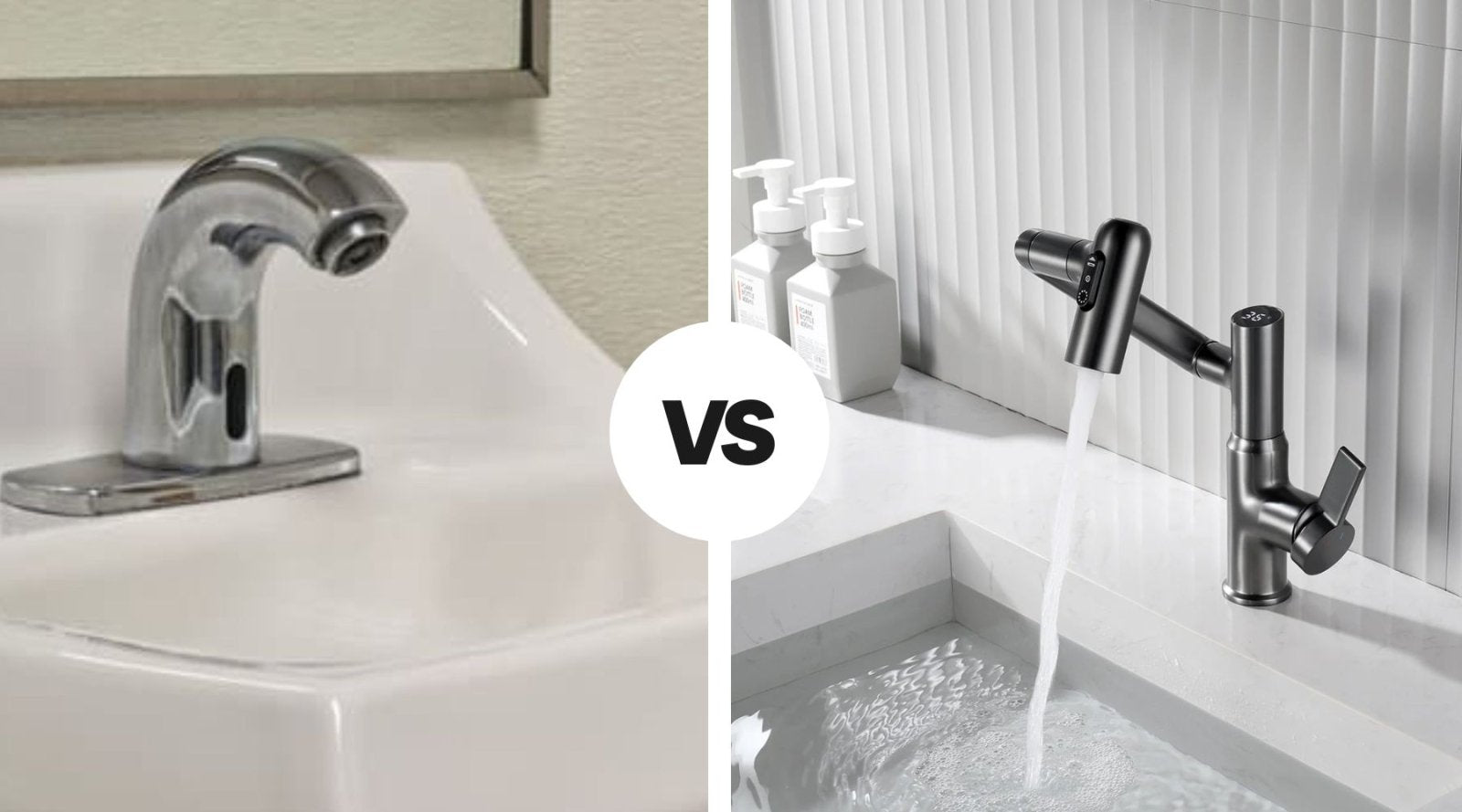
Credit: www.leftonhome.com
Maintenance And Durability
Electronic faucets need a bit more care than standard models, but they are built to last with proper maintenance.
Touch Faucet Maintenance
- Battery replacement: Every 1–2 years, depending on usage.
- Sensor cleaning: Wipe the spout and handle with a soft cloth; avoid harsh chemicals.
- Check connections: Make sure wires and control box are dry and secure.
- Manual override: Know how to switch to manual if the sensor or power fails.
Touch faucets have few moving parts, so they can last for 8–10 years with regular care. If the sensor or control box fails, replacement parts are usually available.
Touchless Faucet Maintenance
- Battery or power supply: Replace batteries as needed; check AC power if wired.
- Sensor lens: Clean regularly to prevent water spots or soap buildup.
- Valve and solenoid: Flush the system if water flow becomes weak or uneven.
- Sensor adjustment: If the faucet triggers by itself, adjust the sensor angle or sensitivity.
Touchless faucets are generally reliable, but cheap models can have issues with false triggers or sensor failure after a few years. Investing in a high-quality model reduces these risks.
Common Mistake:
Many people forget to check the battery pack until the faucet stops working. Set a reminder to replace batteries once a year, even if the faucet seems fine.
Style And Design Options
Faucet style is about more than just function—it’s also about matching your kitchen or bathroom decor.
Touch Faucet Styles
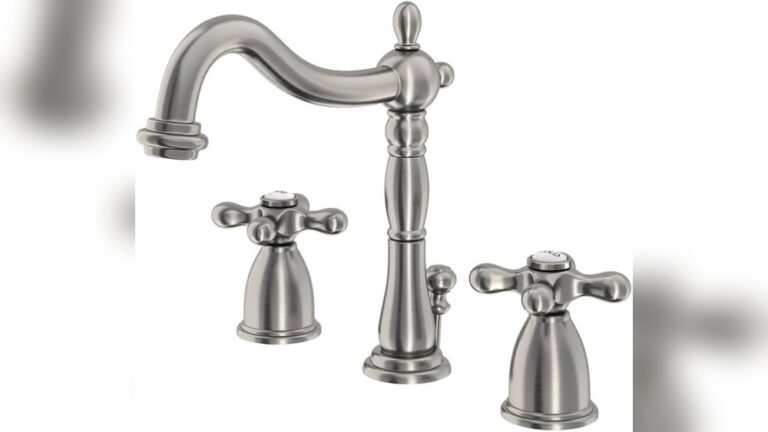
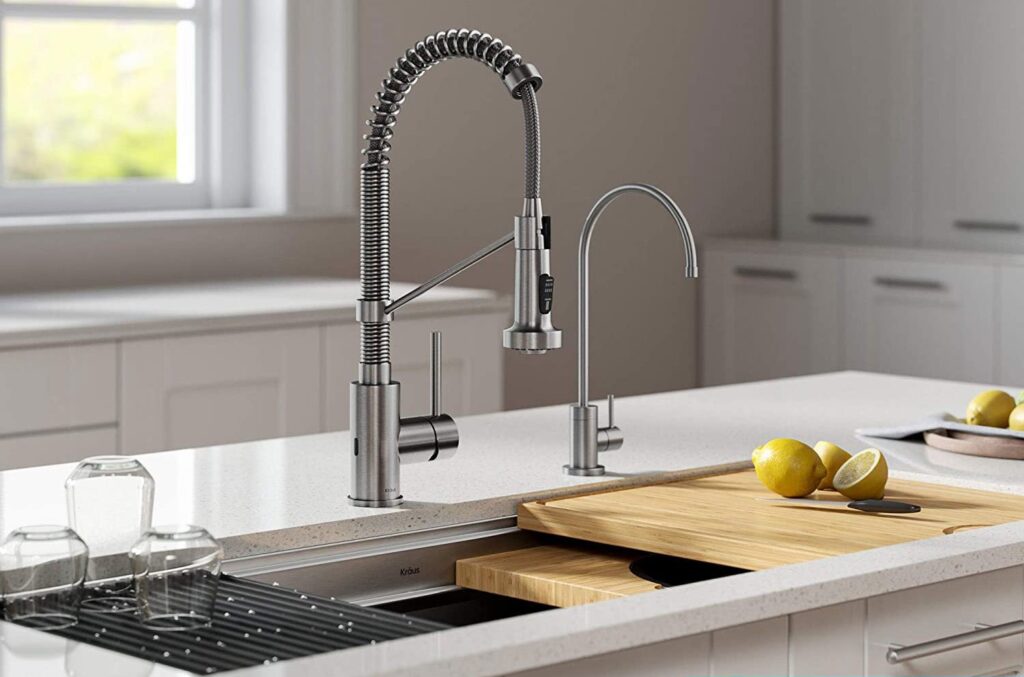
Touch faucets come in a wide range of finishes and shapes, from high-arc gooseneck kitchen faucets to compact bathroom models. You can find options in stainless steel, chrome, matte black, brushed nickel, and even bronze.
Many brands offer matching soap dispensers, sprayers, and accessories for a coordinated look.
Touchless Faucet Styles
Touchless faucets are available in modern, minimalist designs as well as more traditional shapes. Some models have visible sensors (a small black “eye” on the spout), while others hide the sensor for a cleaner look.
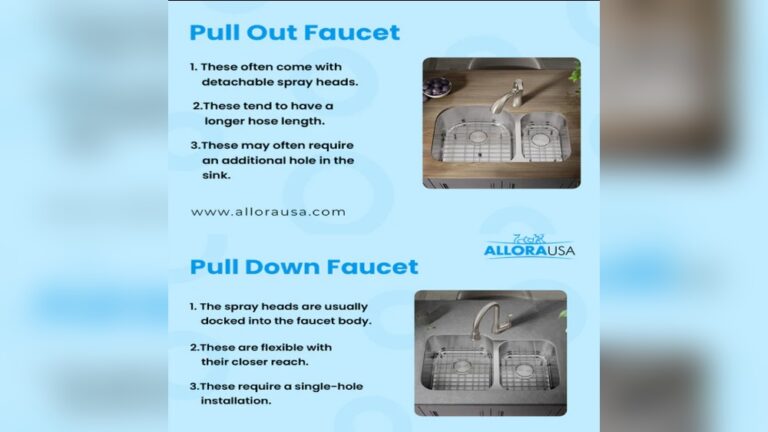
Features like pull-down sprayers, LED temperature indicators, and voice activation (compatible with smart home systems) are becoming more common in touchless models.
Pro Tip:
If you want a faucet that blends in with a historic or classic style, choose a touch model—these often have more “traditional” design options compared to the high-tech look of many touchless faucets.
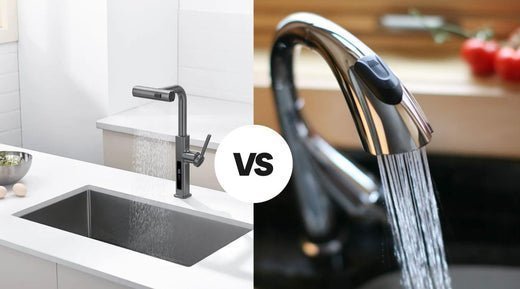
Credit: www.leftonhome.com
Choosing The Right Faucet For Your Needs
The best faucet for your home depends on your priorities. Here’s how to decide:
- Hygiene focus: If germ control is most important, especially in bathrooms, go with a touchless faucet.
- Kitchen convenience: For busy cooks, bakers, or parents, a touch faucet makes it easy to turn water on/off with messy hands.
- Accessibility: Both types are easier for people with limited hand strength, but touchless is best for people who cannot touch the faucet at all.
- Budget: Touchless faucets start at a lower price point, but premium touch models may be more stylish.
- Pets and children: If you have curious pets or young kids, a touch faucet avoids accidental activation.
- Water savings: Both are efficient, but touchless models with timers save the most water.
- Style and decor: Touch faucets offer more classic designs; touchless models often look modern.
For homes with both high hygiene needs and frequent cooking, some people install a touchless faucet in the bathroom and a touch faucet in the kitchen to get the best of both worlds.
Real-world Examples
- Family kitchen: The Smiths installed a touch faucet for easy cleaning during baking. No more sticky handles, and the kids love using it.
- Shared apartment: In a busy student apartment, a touchless bathroom faucet cut down on water bills and kept the sink area cleaner.
- Pet-friendly home: The Browns chose a touch model after their cat triggered the touchless faucet too many times.
- Home chef: Maria, a serious cook, prefers the touch faucet because she can use her elbow or wrist while hands are messy with dough or raw chicken.
Common Buyer Mistakes To Avoid
- Ignoring power supply needs: Make sure you have space for batteries or an outlet under the sink.
- Overlooking water pressure: Some touchless faucets need strong water pressure to work well.
- Choosing style over substance: Don’t buy the cheapest model—sensor quality matters for long-term use.
- Forgetting about pets: If your pets can reach the sink, a touchless faucet may waste water.
- Not reading reviews: Check real user reviews for reliability, not just brand reputation.
Future Trends In Faucet Technology
Faucet technology is moving fast. Here are some trends to watch:
- Voice-activated faucets: Some models now connect with Alexa or Google Assistant for voice control.
- App integration: Set water temperature and flow from your phone.
- Self-cleaning features: New coatings make faucets resistant to fingerprints and water spots.
- Improved battery life: New designs offer up to five years between battery changes.
For more information about sensor technology and water efficiency, see this resource: Infrared Sensor – Wikipedia.
Credit: www.jamesriverconstruction.com
Frequently Asked Questions
What Is The Main Difference Between Touch And Touchless Faucets?
The main difference is how you operate the faucet. Touch faucets need a tap with your hand, wrist, or arm to turn water on or off. Touchless faucets use a motion sensor, so you do not need to touch the faucet at all—just move your hands in front of the sensor.
Are Touch And Touchless Faucets More Hygienic Than Regular Faucets?
Yes, both types are more hygienic than traditional faucets. Touchless faucets are the most hygienic because they do not require any contact. Touch faucets still reduce germs, but you do have to touch the spout or handle.
Do Touch And Touchless Faucets Use More Water Or Electricity?
No, they usually save water by making it easy to turn off the tap when not needed. Battery use is very low, and most models last 1–2 years on a set of batteries. Touchless faucets with timers save the most water.
Can I Install A Touch Or Touchless Faucet Myself?
Yes, many homeowners install these faucets themselves. The process is similar to installing a standard faucet, but you need to connect sensor wires and a battery pack or power supply. If you’re not comfortable with wiring, hire a plumber.
What Should I Do If My Touch Or Touchless Faucet Stops Working?
First, check the batteries and replace them if needed. Clean the sensor area and make sure all wires are connected. If it still does not work, check the manual for troubleshooting steps or contact customer service.
Choosing between a touch and a touchless faucet comes down to what matters most for your home—hygiene, convenience, style, or budget. Both options are a big step forward from traditional faucets, making your daily routine cleaner, easier, and more efficient.
With the right information, you can pick the faucet that will serve your family well for years to come.