Center Set Vs Wide Set Faucet: Which Is Best for Your Bathroom?
Choosing a faucet may seem simple, but the decision between a center set and a wide set faucet can change both the look and function of your bathroom or kitchen. For many, the difference is not obvious at first. Yet, the choice impacts how you use your sink, how easy it is to clean, and even how much you spend. If you want a faucet that matches your space and lifestyle, understanding these two common types is essential.
Most people focus on style or price, but the way a faucet is set—center set or wide set—affects installation, repair, and daily use. A wrong choice can lead to extra costs or a mismatched look for years. This guide will help you decide with confidence.
We will explore the differences, benefits, drawbacks, real-world examples, and the details that most people miss.
What Is A Center Set Faucet?
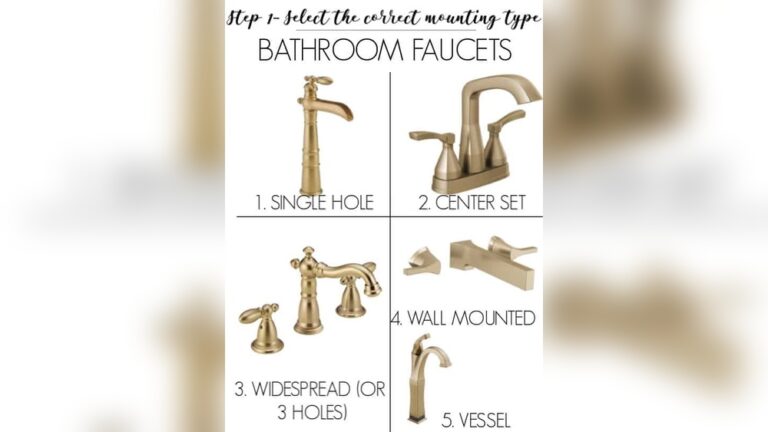
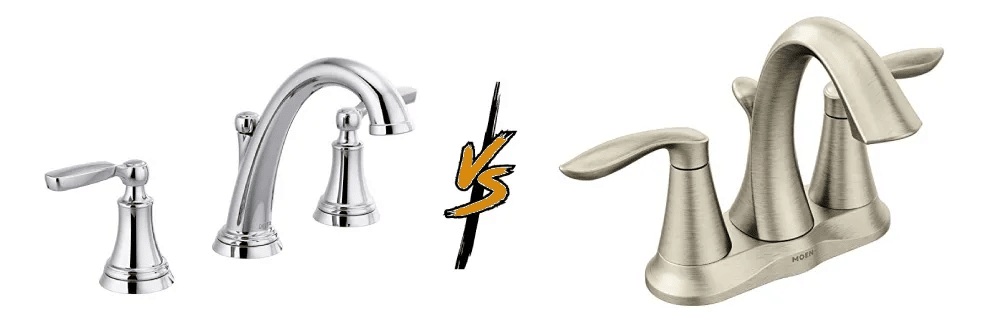
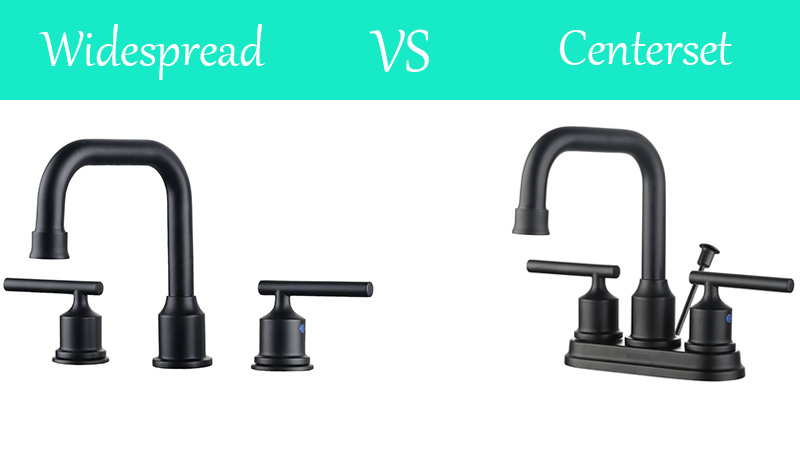
A center set faucet is a fixture where the handles and spout are combined on a single base unit. These faucets are designed for sinks with three holes that are 4 inches apart from each other. This is sometimes called a “4-inch center set.” The base plate covers all three holes, making the design compact.
You usually see center set faucets in smaller bathrooms and powder rooms. They fit sinks with less space and provide an all-in-one solution. The handles can be levers or knobs, and sometimes they are part of the spout unit. Installation is fast because all parts are connected.
Key Features Of Center Set Faucets
- Single mounting plate connects spout and handles.
- Designed for 4-inch spread between outer holes.
- Compact size fits small or medium sinks.
- Available in many styles and finishes.
- Handles can be part of the spout or separate on the base.
Where Center Set Faucets Work Best
These faucets are common in:
- Small bathrooms
- Guest bathrooms
- Apartment sinks
- Budget renovations
The all-in-one design means fewer leaks and faster cleaning. For rental properties or busy families, the simplicity is a big plus.
What Is A Wide Set Faucet?
A wide set faucet is also called a widespread faucet. Here, the spout and handles are all separate pieces. They are installed into three holes spaced 8 inches apart, but the distance can be adjusted. Each part mounts individually, so you can set the handles further apart if you prefer.
Wide set faucets are common in larger bathrooms and luxury renovations. They offer more style choices because you can mix and match parts. The space between handles makes cleaning the sink area easier.
Key Features Of Wide Set Faucets
- Separate spout and handles (three distinct pieces).
- Designed for 8-inch spread or more between holes.
- Flexible placement for custom looks.
- More styles, finishes, and design options.
- Usually larger in size, suitable for big sinks.
Where Wide Set Faucets Work Best
Wide set faucets are popular in:
- Master bathrooms
- Double vanities
- High-end homes
- Designer renovations
The extra space allows for a more dramatic look and easier maintenance for big families or busy spaces.
Credit: oltsw.com
Main Differences: Center Set Vs Wide Set Faucet
At first glance, the two faucet types may look similar, but there are clear differences that matter for both design and function.
| Feature | Center Set Faucet | Wide Set Faucet |
|---|---|---|
| Mounting Distance | 4 inches | 8 inches or more |
| Parts | Handles and spout on one base | Separate spout and handles |
| Installation | Easier, fewer steps | Requires precise placement |
| Space Needed | Small to medium sinks | Large sinks |
| Style Options | Simple, limited | Many, customizable |
| Price Range | Lower to mid | Mid to high |
Non-obvious insight: Many people do not realize that center set faucets are often more water-tight because there are fewer joints. Wide set faucets, while stylish, have more connection points and may require extra care to avoid leaks.
How To Choose: Key Factors To Consider
Before you buy, think about more than just looks. Here are the main things to keep in mind:
1. Sink Size And Hole Spacing
Check your sink’s holes. Center set faucets need three holes 4 inches apart. Wide set faucets need three holes 8 inches (or more) apart. If your sink is pre-drilled, you must match the faucet type. Changing the hole size is possible but expensive.
2. Space And Layout
A small sink works best with a center set faucet. A wide set faucet can look crowded on a small basin and may even splash water outside the bowl. For double vanities or large sinks, wide set faucets offer better balance and look.
3. Style And Design
Both faucet types come in many finishes—chrome, brushed nickel, bronze—but wide set faucets give you more freedom. You can pick unique handles or a special spout. Center set faucets are usually simpler and more classic.
4. Budget
Center set faucets usually cost less, both for the fixture and installation. Wide set faucets can cost double or more, especially if you hire a plumber. The more complex the design, the higher the price.
5. Cleaning And Maintenance
A center set faucet’s all-in-one base makes it easier to wipe down. Wide set faucets leave more open space between parts, which can collect dirt but is also easier to clean around with a cloth or brush.
6. Water Pressure And Function
Wide set faucets sometimes offer higher flow rates and more advanced features (like waterfall spouts or custom handles). Center set faucets focus on basic function, which is fine for most homes.
Non-obvious insight: If you plan to upgrade your sink or remodel in the future, choosing a wide set faucet now can allow more flexibility later for design changes.
Installation: What Homeowners Should Know
Installing a faucet is not just about connecting water lines. Each type has its own challenges.
Center Set Faucet Installation
- Usually a one-piece unit.
- Fits standard 4-inch sink holes.
- Less chance of leaks due to fewer parts.
- Can be installed by most DIYers in under an hour.
- Tools needed: Adjustable wrench, plumber’s tape, basin wrench.
Wide Set Faucet Installation
- Three separate pieces: Spout, hot handle, cold handle.
- Needs precise measuring to ensure all parts line up.
- May require a professional, especially if replacing a center set.
- More connections mean more places for leaks.
- Tools needed: Same as center set, plus possibly a drill if new holes are needed.
Tip: Always turn off your water supply before starting, and keep a towel handy for any drips.
Pros And Cons: Center Set Faucets
Understanding the upsides and downsides helps you avoid buyer’s regret. Here are the main points for center set faucets.
Pros
- Easy to install—one piece, fewer steps.
- Fits most sinks in smaller bathrooms.
- Lower price—budget-friendly for most families.
- Simple cleaning—less grime collects around the base.
- Reliable—fewer parts means fewer things can break.
Cons
- Limited style options—harder to match unique decor.
- Not suitable for large sinks—may look out of place.
- Less flexible—cannot adjust handle distance.
- Harder to repair individual parts—often must replace the whole unit.
Pros And Cons: Wide Set Faucets
Wide set faucets attract those who want a unique style, but they have their own challenges.
Pros
- Customizable design—choose spout and handles separately.
- Fits large sinks—looks balanced on wide vanities.
- Easy to clean between parts—more open space.
- Higher-end features—more choices for finishes and technology.
Cons
- More expensive—both for purchase and installation.
- Harder to install—may need a plumber.
- More leak points—extra connections can fail over time.
- Takes more space—not for small sinks.
Real-world Examples: Which Faucet Works Where?
Sometimes, a picture is worth a thousand words. But examples can help, too.
Small Apartment Bathroom
Maria lives in a city apartment with a tiny bathroom sink. She picks a center set faucet for three reasons: it fits the pre-drilled holes, matches her budget, and is easy to clean. The compact design keeps her counter free for soap and toothbrushes.
Luxury Master Bath
James and Nicole are remodeling a master suite. Their sink is a wide double vanity. They choose wide set faucets so each side of the sink has a stylish look. They pick brushed nickel handles with a separate waterfall spout. It costs more, but the finished look matches their high-end style.
Rental Property
A landlord wants durable, easy-to-repair fixtures for a rental home. They pick center set faucets for every bathroom. The lower cost and simple replacement process make repairs fast and affordable.
Non-obvious insight: Wide set faucets can boost a home’s resale value slightly, especially in upscale areas, because buyers see them as a sign of quality.
Common Mistakes To Avoid
Making the wrong faucet choice can cost time and money. Here are mistakes to watch out for:
- Ignoring your sink’s holes. People often buy a faucet that won’t fit their sink. Always measure first.
- Overlooking counter space. Wide set faucets need more room. If your counter is crowded, a center set may be better.
- Forgetting future needs. If you may remodel soon, don’t pick a style that limits your options later.
- DIY mistakes. Installing a wide set faucet without proper tools or skill can lead to leaks and damage.
- Choosing style over function. The most stylish faucet is useless if it’s uncomfortable or hard to use daily.
Cost Breakdown: Center Set Vs Wide Set Faucet
Price is more than just the sticker number. Consider all costs, including installation and future repairs.
| Type | Average Purchase Price | Installation Cost | Maintenance Cost |
|---|---|---|---|
| Center Set | $50 – $150 | $50 – $100 (DIY or basic plumber) | Low (few parts) |
| Wide Set | $100 – $400+ | $100 – $250 (often needs a pro) | Medium to High (more parts) |
Non-obvious insight: High-end wide set faucets can cost over $1,000, especially with designer finishes or advanced features. Center set faucets rarely reach such high prices.
Credit: www.wowowfaucet.com
When To Replace: Signs It’s Time For A New Faucet
Both faucet types wear out over time. Here’s how to know when to upgrade:
- Leaks or drips won’t stop after repairs.
- Rust or corrosion on the base or handles.
- Loose handles or spout that wobbles.
- Outdated look—remodeling your bathroom.
- Water pressure drops—clogs or internal damage.
If your faucet is more than 10-15 years old, it may use more water than newer models. New faucets often include water-saving features.
Environmental Impact: Water Savings And Materials
Your faucet choice can affect water use and the environment.
- Center set faucets often have basic flow rates, but many modern models offer aerators to save water.
- Wide set faucets sometimes include flow restrictors or advanced valves for better efficiency.
Both types are available in lead-free and eco-friendly designs. Always look for the WaterSense label or similar certification.
Non-obvious insight: The more parts a faucet has, the more packaging and materials are used. Center set faucets have a smaller environmental footprint in manufacturing and shipping.
Credit: bostingner.com
Maintenance: Keeping Your Faucet In Top Shape
Regular care extends the life of your faucet.
Center Set Faucet Care
- Wipe the base often to prevent mineral buildup.
- Check for leaks at the base and handles.
- Clean aerator screens every few months.
Wide Set Faucet Care
- Clean between handles and spout with a brush.
- Check hose and connections under the sink.
- Polish handles and spout to prevent spotting.
Tip: Use a mild cleaner and a soft cloth. Avoid harsh chemicals that can damage the finish.
Trends: What’s Popular In Modern Bathrooms?
Design trends change, but some patterns are clear.
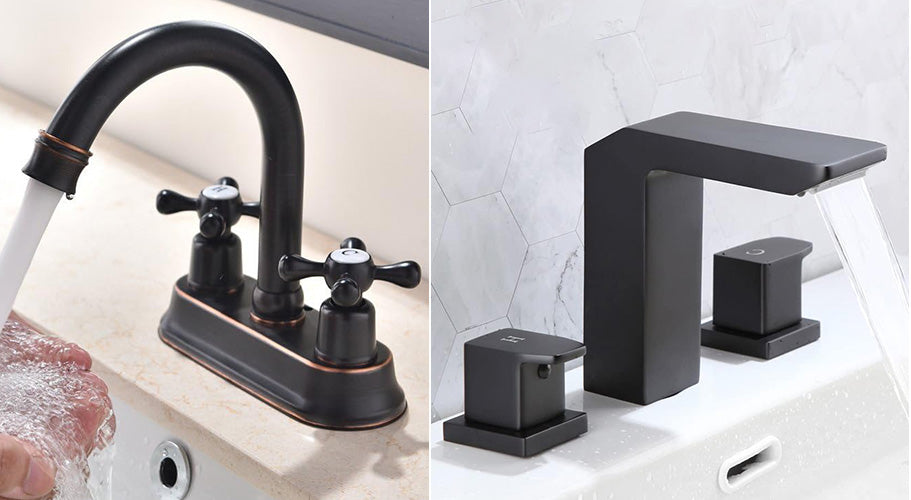
- Matte black and brushed gold finishes are rising in popularity for both center set and wide set faucets.
- Touchless technology is appearing more in wide set models, adding convenience and hygiene.
- Eco-friendly features are now common, with water-saving aerators and recyclable materials.
Buyers today want both style and function. Wide set faucets are often chosen for statement bathrooms, while center set faucets dominate in guest and kids’ bathrooms.
Which Should You Choose?
There is no single answer—your best choice depends on your space, needs, and taste.
- Pick a center set faucet if you want a simple, budget-friendly, and easy-to-clean solution for a small or medium sink.
- Choose a wide set faucet if you want style flexibility, have a large sink, and don’t mind spending more for a custom look.
Practical advice: If you are unsure, visit a store to feel the faucets in person. The handle movement, spout reach, and material finish can feel very different from what you see online.
For more information about faucet standards and water-saving certifications, see the EPA WaterSense Program.
Frequently Asked Questions
What Is The Main Difference Between Center Set And Wide Set Faucets?
A center set faucet has the handles and spout joined on a single base, fitting sinks with holes 4 inches apart. A wide set faucet has separate handles and spout, usually for sinks with holes at least 8 inches apart. The main difference is spacing, installation, and style options.
Can I Install A Wide Set Faucet On A Center Set Sink?
Usually, no. Center set sinks have holes too close together for a wide set faucet. You would need to drill new holes, which can damage the sink or countertop. Always match the faucet to your sink’s hole pattern.
Are Wide Set Faucets Harder To Clean?
Not really. The open space between parts can make it easier to clean around the spout and handles. However, more parts mean more places for dirt to collect. Regular cleaning will keep any faucet type looking new.
Which Faucet Type Is Best For A Small Bathroom?
A center set faucet is usually best for small bathrooms. It fits compact sinks, takes less space, and is easier to install. Wide set faucets can crowd small sinks and make cleaning harder.
Do Wide Set Faucets Cost More To Repair?
Yes, in most cases. Wide set faucets have more parts and connections, so repairs can be more complex and costly. Center set faucets are simpler and often cheaper to maintain.
Choosing between a center set and a wide set faucet is more than just a design choice. It’s about function, fit, and your daily routine. With the details in this guide, you can make a decision that keeps your bathroom or kitchen both beautiful and practical for years to come.