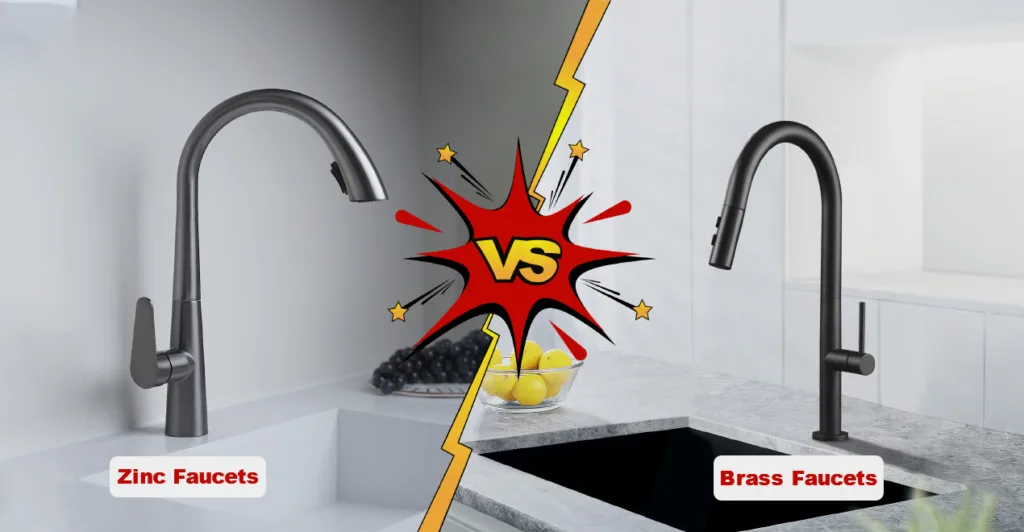
Brass Vs Zinc Faucet: Which Is Best for Your Home?
When it comes to choosing a faucet for your kitchen or bathroom, the material it’s made from matters more than most people realize. Two popular options you’ll often see are brass and zinc. At first, these metals might seem similar. After all, both are used in plumbing, both can be coated with shiny finishes, and both can be shaped into elegant designs. But dig a little deeper, and the differences become clear—differences that affect how long your faucet will last, how much you’ll pay, and even how safe your water is.
If you’re planning a renovation or just replacing an old faucet, understanding the pros and cons of brass vs zinc faucets is crucial. Many first-time buyers focus only on style or price, but the material underneath the finish will decide if your faucet stands the test of time or becomes a source of frustration. With so much confusion online, let’s break down everything you need to know, using simple language and real-world examples, so you can choose with confidence.
What Are Brass And Zinc Faucets?
Before comparing them, it’s helpful to know what these faucets are made of and why manufacturers choose these materials.
Brass Faucets
Brass is an alloy made mainly of copper and zinc. Sometimes, small amounts of other metals like lead (for machinability) are included. Brass has a warm, yellowish color and is known for its strength and resistance to corrosion. It’s been used in plumbing for centuries because it handles water well.
Zinc Faucets
Zinc faucets are usually made from zinc alloys, often called zamak. Zamak typically includes zinc mixed with small amounts of aluminum, magnesium, and copper. Zinc alloys are lightweight and cheap to produce, which is why they’re common in budget-friendly faucet lines.
The Manufacturing Process: How Brass And Zinc Faucets Are Made
Understanding how each faucet is made helps explain their strengths and weaknesses.
Brass Faucet Manufacturing
Brass faucets are often cast or forged. Casting involves pouring molten brass into molds, while forging presses hot brass into shape under pressure. Forged brass parts are stronger and denser. After the body is formed, it’s machined for precision, then polished and coated with finishes like chrome, nickel, or bronze. The entire process is labor-intensive and more expensive.
Zinc Faucet Manufacturing
Zinc alloys are usually die-cast. This means molten zinc is injected into a mold under high pressure. Die-casting is faster and cheaper, allowing for mass production. The finished part is cleaned, polished, and finished with a coating to look like more expensive metals.
Non-obvious insight: Many faucets labeled as “metal” or “all-metal” are actually zinc unless they specifically say “solid brass.”
Credit: usbathstore.com
Comparing Brass Vs Zinc Faucets: Key Factors
Let’s look at the most important differences that affect real-world use.
1. Durability And Strength
Brass is much stronger and more durable than zinc. It can handle high water pressure and frequent use without cracking or deforming. A solid brass faucet can last 20–30 years or more with basic care.
Zinc is softer and weaker. It can dent or snap under stress, especially at threaded connections. Most zinc faucets start to show wear after 5–10 years.
2. Corrosion Resistance
Brass naturally resists corrosion, even in humid or wet environments. This is why it’s the preferred material for most high-quality plumbing fittings. Brass develops a protective layer over time, which helps prevent leaks and failure.
Zinc is more prone to corrosion, especially if the surface coating is damaged. Water, especially hard or acidic water, can eat through zinc alloys, causing pitting and leaks.
3. Safety And Water Quality
Brass can sometimes contain small amounts of lead. Modern regulations (especially in the US and Europe) limit the amount of lead allowed in drinking water faucets. Most reputable brands use lead-free brass. Brass is considered safe if certified.
Zinc alloys don’t use lead, but they can leach zinc ions into water if the coating fails. High levels of zinc in water can cause health problems. Most zinc faucets rely on their finish to keep water away from the underlying metal.
Non-obvious insight: If the finish on a zinc faucet chips or scratches, the exposed metal can react quickly with water, while brass is less affected by minor damage.
4. Cost And Value
Brass faucets are more expensive to manufacture and buy. You’ll pay more upfront, but they generally last longer, making them a better long-term investment.
Zinc faucets are much cheaper. They’re a good choice for temporary solutions, low-use areas, or if you’re on a very tight budget.
5. Weight And Feel
Brass is heavier and feels solid. Many people notice the difference immediately when picking up a brass faucet—it feels substantial and well-made.
Zinc is lighter. Some users describe zinc faucets as feeling “hollow” or “cheap,” even if they look nice on the outside.
6. Design Flexibility
Both brass and zinc can be shaped into a wide range of designs, but zinc’s lower melting point makes it easier to cast into complex shapes. That’s why you’ll find many budget faucets with fancy, intricate designs made from zinc.
Brass is harder to mold into very fine shapes, but it holds up better structurally.
7. Repair And Maintenance
Brass faucets are easier to repair. Parts like cartridges, washers, and seats can usually be replaced. The threads and body stand up to tightening and reassembly.
Zinc faucets are harder to fix if something breaks. The material may crack or strip if overtightened, making repairs tricky.
Side-by-side Comparison: Brass Vs Zinc Faucets
Here’s a quick look at how these two materials compare on key features:
| Feature | Brass Faucet | Zinc Faucet |
|---|---|---|
| Durability | 20–30 years | 5–10 years |
| Corrosion Resistance | Excellent | Fair–Poor |
| Safety | Safe if certified lead-free | Can leach zinc if finish is damaged |
| Cost | Higher | Lower |
| Weight | Heavy | Light |
| Repairability | Easy | Difficult |
Real-world Performance: What Users Say
Looking at reviews and home improvement forums, you’ll notice some clear trends.
- Brass faucet owners often report that their fixtures still work well after many years, even with some scratches or fading.
- Zinc faucet owners sometimes complain about leaks, loose handles, or corrosion after a few years, especially in high-use kitchens.
One homeowner shared, “We replaced a 25-year-old brass faucet that never gave us trouble. The new zinc one started leaking in three years. ”
Plumbers also recommend brass for critical applications—especially where water quality, pressure, or safety matter most.
Appearance And Finishes: Can You Tell The Difference?
Most faucets, regardless of core material, are finished with chrome, nickel, bronze, or even colored coatings. At first glance, a zinc faucet can look just as good as a brass one.
But there are subtle differences:
- Brass faucets often have a warmer undertone that shows through under thin finishes.
- Zinc faucets may have a slightly duller, cooler appearance.
The real test comes after a few years of use. Scratches or chips on zinc faucets can expose the grayish metal underneath, making them look old or damaged. Brass, on the other hand, just develops a patina or can be polished back to shine.
Where Each Type Works Best
Some locations and uses are better suited to one material over the other.
Best Uses For Brass Faucets
- Kitchens: Where durability and water safety are critical.
- Bathrooms: Especially for family or high-traffic areas.
- Outdoor sinks: Brass handles moisture and temperature swings better.
- Commercial settings: Hotels, restaurants, or offices that need long-lasting fixtures.
Best Uses For Zinc Faucets
- Guest bathrooms: Less frequent use means zinc can last longer.
- Rental properties: Where low upfront cost is the priority.
- Temporary setups: Renovations, short-term housing, or display homes.
Environmental Impact And Recycling
Brass is highly recyclable. Most scrap brass is melted down and reused. This makes brass faucets more sustainable over their lifetime.
Zinc can also be recycled, but it’s less valuable. Many zinc faucets end up in landfills because they’re cheaper and more likely to be replaced.
Non-obvious insight: Choosing a longer-lasting brass faucet reduces waste in the long run, even if the initial environmental impact is higher due to more energy-intensive manufacturing.
Credit: lipkahome.com
Price Comparison: What Should You Expect To Pay?
Prices vary by brand, design, and finish, but here’s a general guide:
| Type | Average Price Range (USD) |
|---|---|
| Brass Faucet | $80 – $300+ |
| Zinc Faucet | $25 – $80 |
High-end designer faucets (usually solid brass) can cost $500 or more. Budget zinc models are widely available at home centers.
Installation: Is There A Difference?
Most modern faucets, whether brass or zinc, use standard connections and can be installed by a skilled DIYer or plumber.
However, there are differences worth noting:
- Brass faucets tolerate over-tightening or repeated installation better. Threads are less likely to strip.
- Zinc faucets can be damaged if forced or overtightened. Take extra care during installation to avoid cracks.
If you plan to move faucets (for example, during a remodel), brass is the safer choice.
How To Identify Brass Or Zinc Faucets
Sometimes, packaging or product descriptions aren’t clear. Here are a few ways to tell what you’re looking at:
- Weight Test: Brass feels much heavier than zinc.
- Color Test: Unfinished brass is yellowish; zinc is grayish-white.
- Magnet Test: Neither brass nor zinc is magnetic, but some cheaper “metal” faucets use steel parts. If a magnet sticks, it’s not pure brass or zinc.
- Sound Test: Tap the faucet with a coin. Brass gives a deeper, bell-like ring; zinc is duller.
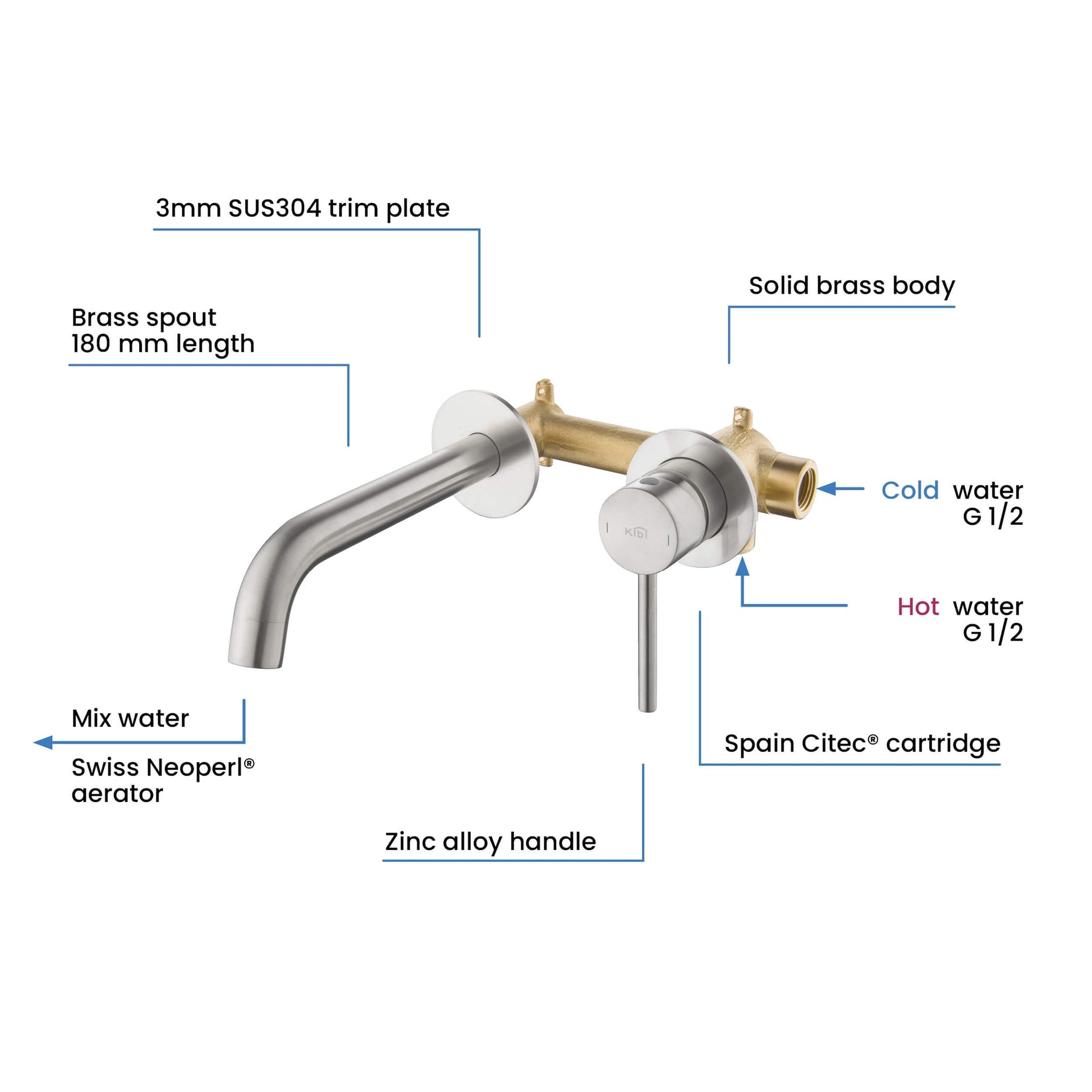
Pro tip: Some faucets have a brass body but zinc handles or trim. Always check the main water-carrying parts.
Long-term Costs: The Hidden Price Of Cheap Faucets
Many buyers see a low price tag and assume they’re saving money. But if a zinc faucet fails after a few years, you’ll pay again for a replacement—plus labor if you hire a plumber.
Over 20 years, replacing a $40 zinc faucet four times costs more than buying one $120 brass faucet that lasts the whole time.
Non-obvious insight: The cost of repairs and water damage from a failed faucet can be much higher than the price difference between brass and zinc.
Health And Regulatory Standards
In the US, faucets must meet NSF/ANSI 61 standards for safe drinking water. Look for products labeled “lead-free” or NSF certified.
- Brass faucets from reputable brands are tested and safe if certified.
- Zinc faucets are generally safe as long as the finish is intact, but some very cheap imports may not meet standards.
Always check for certification marks before buying, especially if the faucet will be used for drinking water.
For more details on plumbing material safety, visit the EPA’s drinking water standards.
Common Myths About Brass And Zinc Faucets
Let’s clear up a few frequent misunderstandings:
- “All metal faucets are the same.” Not true. The core material affects lifespan, safety, and repair.
- “Brass faucets always contain dangerous levels of lead.” Modern lead-free brass is safe and regulated.
- “Zinc faucets are just as good as brass if they look the same.” The finish can hide weaknesses, but performance differs under the surface.
Practical Tips For Choosing The Right Faucet
- Check the specifications: Look for “solid brass” or “die-cast zinc” in the product description.
- Feel the weight: A heavier faucet usually means higher quality.
- Ask about certifications: Especially for kitchen and drinking water faucets.
- Think about long-term costs: A $40 faucet that fails in five years is not a bargain.
- Match to your needs: For high-use or critical areas, brass is almost always the better investment.
Visual Differences Over Time
It’s not just about what the faucet looks like on day one. After years of use, the differences become obvious:
| Material | Initial Appearance | After 5 Years |
|---|---|---|
| Brass | Bright, warm finish | Develops patina, still solid and usable |
| Zinc | Bright, cool finish | Possible corrosion, chips expose dull metal |
Credit: infaucets.com
Frequently Asked Questions
What’s The Main Advantage Of Brass Faucets Over Zinc?
Brass faucets last much longer and resist corrosion better than zinc. They’re also safer for drinking water if certified lead-free.
Are Zinc Faucets Safe For Kitchen Use?
Zinc faucets are generally safe as long as their finish is intact and they meet safety standards. However, damage to the finish can allow zinc to leach into water, so regular inspection is important.
How Can I Tell If My Faucet Is Brass Or Zinc?
Check the weight (brass is heavier), color (brass is yellowish, zinc is grayish), or look for product markings. You can also check the manufacturer’s specifications online.
Why Are Brass Faucets More Expensive?
Brass is a more costly material and requires more labor-intensive manufacturing. The higher price reflects greater durability, safety, and lifespan.
Can I Use A Zinc Faucet Outdoors?
It’s not recommended. Outdoor conditions (rain, temperature swings, humidity) can cause zinc faucets to corrode or fail faster than brass ones.
When you’re picking a faucet, don’t just focus on the finish or the price. The choice between brass vs zinc faucet materials will determine how your investment holds up for years to come. Brass costs more but is a classic favorite for a reason—it’s tough, safe, and often trouble-free for decades. Zinc is fine for less demanding situations or where cost is critical, but it’s wise to know its limits. Armed with this knowledge, you’re ready to make a smart, confident decision for your home.