Health Faucet Vs Bidet: Which Is Best for Your Bathroom?
Every day, millions of people around the world face a simple but important choice: how to clean themselves after using the toilet. While toilet paper is popular in many countries, two other options—health faucets and bidets—are becoming more common. These bathroom fixtures promise better hygiene, comfort, and even environmental benefits. But what exactly are they? How do they differ? And which one is right for you or your family?
If you are thinking about upgrading your bathroom, or you are just curious about new hygiene solutions, understanding the differences between health faucets and bidets is essential. This guide will help you compare both, step by step. We’ll cover how they work, the pros and cons, costs, installation, hygiene factors, water usage, and even maintenance.
Let’s clear up the confusion and help you make a smart, comfortable choice for your bathroom.
What Is A Health Faucet?
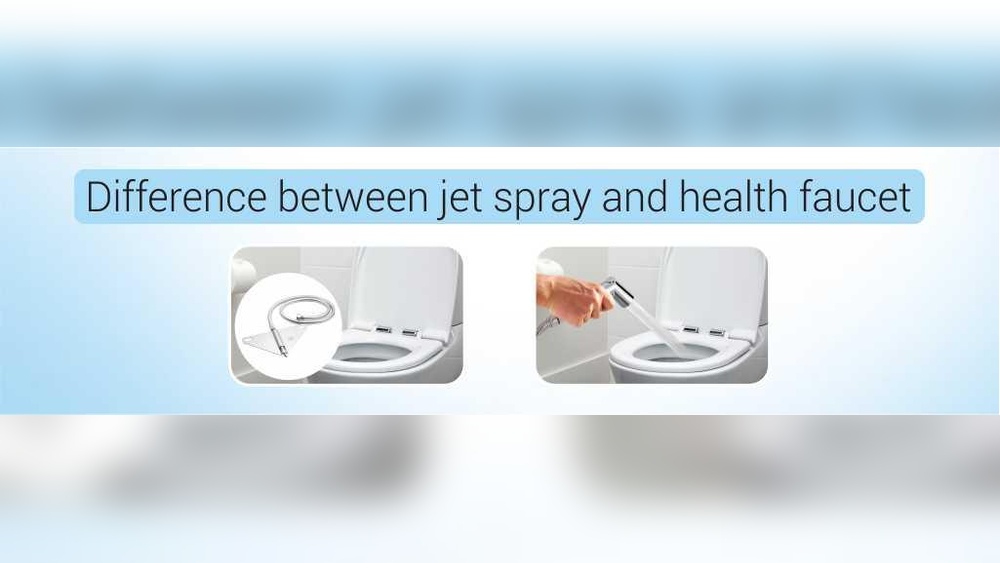
A health faucet is a small handheld spray nozzle, sometimes called a bidet shower or bidet sprayer. You usually see these attached to a flexible hose, mounted near the toilet. When you squeeze the lever, a jet of water sprays out, letting you clean yourself directly after using the toilet.
Health faucets are especially popular in South Asia, Southeast Asia, and the Middle East. In places like India, Malaysia, and the UAE, you will find them in most modern bathrooms. They are valued for their simplicity, affordability, and ease of use.
How A Health Faucet Works
Using a health faucet is straightforward:
- After using the toilet, grab the spray nozzle from its holder.
- Direct the nozzle towards the area you want to clean.
- Gently squeeze the lever to release a jet of water.
- Adjust the angle and pressure as needed.
- Dry yourself with toilet paper or a towel.
The water flow is usually controlled by a trigger, so you only use as much as you need. Most health faucets are connected directly to the bathroom’s water supply, often through a small valve for extra control.
Key Features
- Handheld operation for targeted cleaning
- Flexible hose (usually 1–1.5 meters)
- Easy to install in most bathrooms
- Affordable compared to most bidet systems
- Manual control over water pressure and direction
Common Materials
Health faucets are usually made from:
- ABS plastic (lightweight, cheap)
- Stainless steel (more durable)
- Brass (often used for premium models)
Who Uses Health Faucets?
Health faucets are popular among people who want a quick, effective clean without heavy installation or expensive upgrades. They are also useful for cleaning babies, elderly people, or even pets in the bathroom.
What Is A Bidet?
A bidet is a bathroom fixture that sprays water for personal cleaning after using the toilet. Unlike a health faucet, a bidet is usually a separate fixture or an attachment that is built into the toilet seat. The idea started in France in the 18th century and has spread to many countries, especially in Europe, Japan, and South Korea.
Bidets come in several forms:
- Standalone bidet: Looks like a low sink, separate from the toilet.
- Bidet toilet seat: Replaces your regular toilet seat, adds spray functions.
- Bidet attachments: Fit under your existing seat, add spray features.
Today, the most popular are electronic bidet seats, which offer advanced controls, adjustable water temperature, and even air dryers.
How A Bidet Works
The basic idea is simple:
- After using the toilet, you stay seated (or move to the bidet).
- Activate the spray (by turning a knob or pressing a button).
- A jet of water cleans the area.
- Use toilet paper or an air dryer to dry off.
Modern electronic bidets can heat the water, adjust the spray pattern, and even remember your favorite settings.
Key Features
- Hands-free cleaning for extra hygiene
- Adjustable water temperature and pressure
- Multiple spray patterns (for front and rear)
- Some models offer air drying, heated seats, and deodorizers
- Can be standalone or attached to your existing toilet
Who Uses Bidets?
Bidets are popular among people who want maximum hygiene and comfort. They are especially common in Japan, South Korea, Italy, and parts of the Middle East. People with mobility issues, sensitive skin, or health problems often prefer bidets for gentle cleaning.
Health Faucet Vs Bidet: Direct Comparison
To help you compare these two bathroom solutions, here’s a quick overview using a side-by-side table:
| Feature | Health Faucet | Bidet |
|---|---|---|
| Cleaning Method | Handheld spray | Fixed spray (automatic or manual) |
| Installation | Simple, quick | May require plumbing/electricity |
| Cost | Low | Medium to high |
| Water Temperature | Usually cold | Adjustable (in electric models) |
| Ease of Use | Manual control | Hands-free (in advanced models) |
| Space Needed | Minimal | Varies (can be large) |
| Maintenance | Easy, basic cleaning | May need more upkeep |
| Hygiene | Good, but hands involved | Excellent, less hand contact |
| Power Source | None needed | Some need electricity |
This table gives a snapshot, but real-world experience can be different based on your bathroom, water pressure, and personal needs.
Advantages Of Health Faucets
Health faucets offer several clear benefits, especially for people looking for a practical, low-cost solution.
1. Affordable
The average health faucet costs between $10 and $50, depending on the material and brand. Even premium models rarely go above $100. This makes them accessible for most households.
2. Easy Installation
Most health faucets can be installed in under 30 minutes. They connect directly to your toilet’s water supply, and you usually don’t need special tools. Many renters prefer them because they cause little or no damage to the bathroom.
3. Water-saving
You control the water flow with your hand, so you use only as much water as you need. On average, a single use may require 0. 5 to 1 liter of water.
4. Versatile
Besides personal cleaning, health faucets are handy for:
- Cleaning the toilet bowl
- Rinsing cloth diapers
- Bathing pets
- Washing feet
5. Space-efficient
The compact design fits even in the smallest bathrooms. No extra fixture or plumbing changes are needed.
6. Simple Maintenance
Cleaning a health faucet is easy—just wipe the nozzle and hose with soap and water. If the spray gets blocked, you can usually unscrew the head and remove any limescale.
Non-obvious Insight
Many beginners don’t realize that water pressure matters. If your water supply is weak, the spray from a health faucet may be disappointing. Using a small pressure pump or making sure the faucet is attached to a high-pressure line can fix this.
Another tip: Cheap plastic models can break quickly, especially if children use them roughly. Spending a little more on a metal version often saves money in the long run.
Disadvantages Of Health Faucets
While health faucets are popular, they have a few drawbacks you should consider.
1. Cold Water Only
Most health faucets use unheated tap water. In cold climates, this can be uncomfortable, especially in winter. Some people install mixing valves to add hot water, but this increases complexity and cost.
2. Manual Control Needed
You must use your hand to direct the spray. Some people (especially those with limited mobility, arthritis, or injuries) may find this difficult.
3. Splashing And Mess
If you are not careful with the angle or pressure, water can splash onto your clothes or the floor. This is a common complaint among new users.
4. Not Ideal For All Users
Very young children, elderly people, or people with disabilities may need help using a handheld sprayer safely and effectively.
5. Hygiene Concerns
Because your hand comes close to the cleaning area, there is a small risk of contact with germs. Regular hand washing and cleaning the nozzle helps reduce this risk.
Non-obvious Insight
Leaving the hose hanging on the floor can cause bacterial build-up and even damage the hose. Always return the nozzle to its wall holder after each use.
Also, some people forget to close the valve after using a health faucet. This can lead to leaks or even minor flooding over time.
Advantages Of Bidets
Bidets, especially modern electronic ones, offer an impressive list of benefits. They are designed for maximum comfort, hygiene, and convenience.
1. Superior Hygiene
Bidets deliver a hands-free cleaning experience. This reduces the risk of touching germs and is especially helpful for people with sensitive skin or medical issues like hemorrhoids.
2. Adjustable Features
Advanced bidet seats allow you to:
- Control water temperature
- Adjust spray strength and position
- Switch between rear and front cleaning
- Use built-in air dryers
This level of customization is hard to match.
3. Comfort In All Seasons
Heated water and seats make bidets comfortable even in cold weather. Some models also include warm-air drying, reducing the need for toilet paper.
4. Eco-friendly
While bidets use water, they can significantly reduce the amount of toilet paper you use. According to a report by Scientific American, using a bidet can lower toilet paper consumption by up to 75% per person.
5. Helpful For People With Special Needs
Bidets are especially useful for:
- Elderly people
- Pregnant women
- People recovering from surgery
- Individuals with limited mobility
Many hospitals and care facilities now use bidet seats for hygiene and comfort.
6. Modern Extras
Some electronic bidets offer features like:
- Deodorizing filters
- Night lights
- Self-cleaning nozzles
- Remote controls
Non-obvious Insight
Not all bidets are the same. Entry-level bidet attachments may only offer a cold water spray. Only mid-range and high-end models provide heated water, drying, and self-cleaning features.
Another point: Some beginners expect instant hot water, but many bidet seats have a short delay before the water heats up. It helps to look for models with instant heating.

Credit: lipkahome.com
Disadvantages Of Bidets
Despite their many benefits, bidets have a few potential drawbacks.
1. Higher Cost
Basic bidet attachments start at $30–$50, but electronic bidet seats can cost from $200 to $1,000, depending on features and brand.
2. More Complex Installation
Many bidet seats need both a water connection and an electrical outlet. This may require professional installation, especially in older bathrooms.
3. Space Requirements
Standalone bidets need extra floor space, which is not always available in small bathrooms. Even bidet seats are a bit bulkier than normal toilet seats.
4. Maintenance
Modern bidets have more parts—heaters, nozzles, dryers—which means more can go wrong. Regular cleaning is important to avoid mineral build-up and germs.
5. Power Dependency
Electronic bidets need electricity. During a power outage, features like heated water, air drying, and even the spray may stop working.
Non-obvious Insight
Hard water can damage bidet nozzles and heaters over time. Using a water filter or descaler can extend the life of your bidet, especially in areas with mineral-rich tap water.
Also, some bidet users forget about regular nozzle cleaning. Even self-cleaning models need manual cleaning once in a while to stay hygienic.
Health Faucet Vs Bidet: Hygiene Factors
When it comes to personal hygiene, both options are far better than using only toilet paper. But there are differences to consider.
- Health faucets: You control the spray, but your hand gets closer to the cleaning area. This means you must wash your hands carefully after use. The nozzle tip may also touch skin, so clean it regularly.
- Bidets: Most modern bidets position the spray automatically, and you never touch the water or nozzle. Some even have UV sterilization or self-cleaning nozzles for extra hygiene.
Scientific studies show that water cleaning removes more bacteria than dry wiping. For example, a study published in the Journal of Hospital Infection found that bidet users had lower rates of anal irritation and infections compared to those using only toilet paper.
Health Faucet Vs Bidet: Water Usage & Environmental Impact
Many people worry about water waste when switching from toilet paper to water-based cleaning.
- Health faucets: Use about 0.5 to 1 liter of water per use, depending on how long you spray.
- Bidet seats: Use about 0.5 to 1.5 liters per use, with electronic models sometimes using more for heated water and air drying.
But consider this: producing one roll of toilet paper can use up to 37 gallons (140 liters) of water and requires cutting down trees. Using a bidet or health faucet drastically reduces your toilet paper needs, which is better for the environment overall.
Here’s a simple comparison:
| Option | Water Used per Use | Toilet Paper Used |
|---|---|---|
| Toilet Paper Only | 0 | 10–20 sheets |
| Health Faucet | 0.5–1 L | 2–5 sheets (for drying) |
| Bidet | 0.5–1.5 L | 0–3 sheets (or air dry) |
Switching to water-based cleaning can reduce your overall water footprint, even if you use a bit more water during each bathroom visit.
Health Faucet Vs Bidet: Installation And Maintenance
Installation and upkeep are often overlooked, but they matter a lot.
Installing A Health Faucet
- Time needed: 15–30 minutes
- Tools required: Adjustable wrench, Teflon tape
- Process: Connect the hose to the water line, mount the holder, test for leaks
Most people can do this themselves. However, if your bathroom does not have an exposed water line near the toilet, you may need a plumber.
Installing A Bidet
- Bidet attachments: 30–60 minutes; fits under your existing seat, needs a water splitter
- Electronic bidet seats: 1–2 hours; may need a power outlet nearby
- Standalone bidets: Professional installation required; needs plumbing and extra space
If you rent your home, consider how easy it is to remove or reinstall the product when you move.
Maintenance
- Health faucets: Wipe nozzle, check hose for leaks, clean with vinegar to remove limescale
- Bidets: Regularly clean the nozzle (some are removable), wipe the seat, descale heaters if needed
Bidet models with self-cleaning nozzles reduce maintenance, but not completely.

Credit: lipkahome.com
Costs: Health Faucet Vs Bidet
Let’s look at the total cost, including installation and maintenance.
| Product | Initial Cost | Installation | Yearly Maintenance |
|---|---|---|---|
| Health Faucet | $10–$50 | Usually DIY | $5–$10 |
| Bidet Attachment | $30–$80 | Usually DIY | $10–$20 |
| Electronic Bidet Seat | $200–$1,000 | May need pro | $20–$50 |
| Standalone Bidet | $200–$600 | Pro needed | $10–$20 |
Remember, you may also save money on toilet paper, which can add up over time.
Which Should You Choose?
Choosing between a health faucet and a bidet depends on your needs, budget, and bathroom setup.
- Choose a health faucet if: You want a low-cost, easy-to-install solution that works in any bathroom. Great for small spaces or if you move often.
- Choose a bidet if: You want hands-free, customizable cleaning and extra comfort. Best for families, people with health needs, or anyone willing to invest in modern hygiene.
It’s also possible to use both—a health faucet for quick cleaning and a bidet seat for full comfort.

Credit: lipkahome.com
Frequently Asked Questions
What Is The Main Difference Between A Health Faucet And A Bidet?
A health faucet is a handheld sprayer, while a bidet is usually a fixed spray system, either as a standalone unit or built into the toilet seat. Bidets often offer features like heated water and air drying, while health faucets are simpler and cheaper.
Which Is More Hygienic: Health Faucet Or Bidet?
Both are more hygienic than toilet paper. However, bidets are usually considered more hygienic because they allow hands-free cleaning and often have self-cleaning nozzles. Health faucets require manual control, so you must wash your hands carefully after use.
Is It Expensive To Install A Bidet Or Health Faucet?
Health faucets are affordable and easy to install, often as a DIY project. Bidet seats and standalone bidets can be more expensive, especially if you need a new power outlet or plumbing changes. But you save on toilet paper costs in the long run.
Can I Install These Products If I Rent My Home?
Yes, most health faucets and bidet attachments are renter-friendly and removable. Electronic bidet seats may need a nearby power outlet. Check with your landlord before making changes to plumbing or electrical systems.
Where Can I Find More Information On Bathroom Hygiene And Eco-friendly Choices?
For in-depth details, you can visit Wikipedia’s page on bidets for more history, types, and environmental impacts.
Whether you choose a health faucet, a bidet, or both, upgrading your bathroom hygiene is a smart move for your health, comfort, and the environment. Explore your options, understand your needs, and enjoy a cleaner, fresher bathroom experience every day.