Ceramic Disc Faucet Vs Cartridge: Which Is Best for Your Home?
Choosing the right faucet for your kitchen or bathroom goes beyond just the look and price. What’s inside the faucet matters just as much—maybe even more. Two of the most common internal mechanisms are ceramic disc and cartridge faucets. If you’ve ever wondered why some faucets last for years without leaking while others need constant repairs, the answer often lies in this core difference. Understanding how these two types work, their pros and cons, and which suits your needs best can save you money, time, and headaches.
In this article, you’ll discover how ceramic disc and cartridge faucets operate, what sets them apart, and which is best for your home. We’ll go deep into maintenance, durability, water flow, cost, and other key factors. You’ll also learn some surprising facts that most buyers miss and get expert advice to help you make a confident decision. Let’s unlock the truth behind these two popular faucet types and find out which one truly deserves a place in your kitchen or bathroom.
What Is A Ceramic Disc Faucet?
Ceramic disc faucets use a pair of ceramic discs inside the faucet body to control water flow and temperature. These discs slide over each other, creating or blocking water passages. The smooth, hard ceramic material is resistant to wear and buildup, which is why ceramic disc faucets have a reputation for lasting a long time.
Ceramic disc technology first appeared in the 1970s and quickly became popular for its reliability. The discs are usually made from alumina ceramic, a material nearly as hard as diamond. When you turn the handle, the discs align or misalign holes to allow or stop water flow. The movement is precise, so you can control the water with just a gentle twist.
The most common place you’ll see ceramic disc faucets is in modern, single-handle designs. They’re found in both kitchen and bathroom sinks, and even in some shower valves. Many high-end faucet brands use ceramic disc technology because it stands up well to daily use and hard water.
How Cartridge Faucets Work
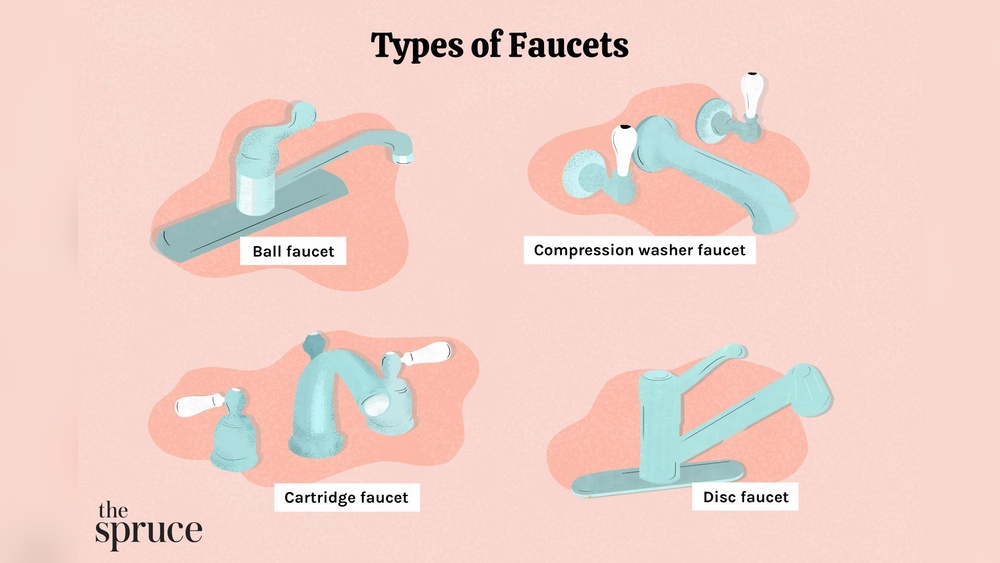
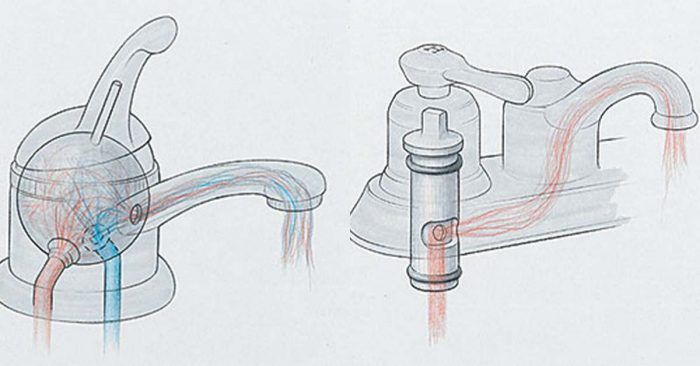
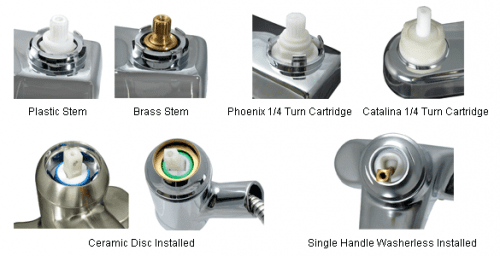
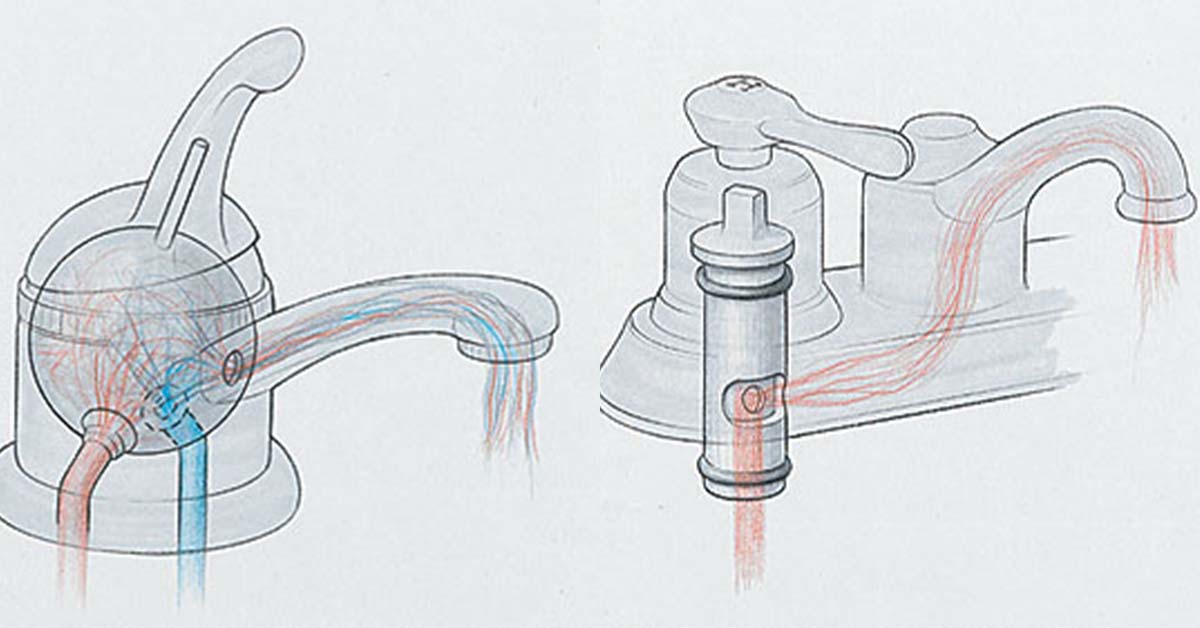
Cartridge faucets rely on a cylindrical cartridge inside the faucet body. This cartridge can be made from plastic, brass, or a combination of materials. It moves up and down or side-to-side to open and close water passages, mixing hot and cold water as needed.
Cartridge faucets are older than ceramic disc types and come in both single-handle and double-handle designs. When you turn or lift the handle, the cartridge moves to control the flow and temperature. The design is simple, and cartridges can be replaced easily if they wear out.
Cartridge faucets are extremely common, especially in homes built before the 1990s. They are still widely used today because of their affordability and ease of repair. Many people choose cartridge faucets for budget renovations or rental properties.
Core Differences Between Ceramic Disc And Cartridge Faucets
Understanding the main differences can help you choose the right faucet for your needs. Here’s a side-by-side comparison of the essential factors:
| Feature | Ceramic Disc Faucet | Cartridge Faucet |
|---|---|---|
| Mechanism | Two ceramic discs sliding | Moveable cartridge (plastic/metal) |
| Durability | Very high (10–20 years) | Moderate (5–10 years) |
| Maintenance | Rarely needs repair | Cartridge may need replacement |
| Water Control | Precise, smooth | Good, but less precise |
| Cost | Higher | Lower |
| Resistance to Hard Water | Excellent | Average |
Durability And Longevity
Durability is a big reason why many homeowners pick ceramic disc faucets. The ceramic discs themselves are extremely tough. They don’t corrode, wear down, or let minerals build up easily. In most cases, a ceramic disc faucet can last 10 to 20 years with minimal maintenance. Some even last longer if the water supply is clean.
Cartridge faucets, on the other hand, use cartridges made from plastic or brass. These materials are strong, but not as hard as ceramic. Over time, friction, hard water, or debris can wear out the cartridge. Most cartridges last 5 to 10 years before they need replacing. However, some cheaper models may need attention even sooner.
One thing many people miss is that durability also depends on water quality. Even the best ceramic disc can wear out faster if the water is full of sand or dirt. Likewise, a high-quality brass cartridge can outlast a cheap ceramic disc in clean water.
If your home has hard or gritty water, a ceramic disc faucet will generally handle it better.
Performance And Water Control
The way a faucet feels and operates can change your daily experience. Ceramic disc faucets are famous for their smooth, easy control. You don’t need to twist or push hard; a light turn is enough. The discs move precisely, so you can adjust the temperature and flow with little effort.
Cartridge faucets are also smooth, but some users notice a little more resistance or “play” in the handle. This is especially true as the cartridge wears out. Older or cheaper cartridges may not give you fine control over the water temperature.
In double-handle cartridge faucets, you adjust hot and cold separately, which can make finding the perfect mix a little harder.
Another point many people miss: ceramic disc faucets are less likely to develop drips or leaks over time, especially with frequent use. The hard discs seal tightly, so even after years, the faucet stays leak-free. Cartridge faucets, especially those with plastic cartridges, may start dripping as the seals wear out.
Maintenance And Repairs
Nobody likes fixing faucets, but all plumbing needs care eventually. Ceramic disc faucets require very little maintenance. The discs don’t wear out quickly, and they’re resistant to most types of buildup. If a ceramic disc faucet does start to leak, it’s usually because a rubber seal or O-ring has failed—not the discs themselves. Replacing these seals is straightforward but may require some care not to scratch the ceramic.
Cartridge faucets are easier for DIY repairs. If the faucet starts leaking or feels stiff, you can usually replace the cartridge in a few minutes with basic tools. Cartridges are widely available and inexpensive. However, some older or off-brand faucets use cartridges that are hard to find or require special tools.
A hidden detail: ceramic disc faucets can be sensitive to sand or debris. If dirt gets between the discs, it can scratch them, causing leaks. Using a faucet with a built-in aerator or a filter can help protect the discs. For cartridge faucets, sand and debris usually just wear out the seals faster, but won’t scratch the mechanism itself.
Cost And Value
Price is always a factor when choosing new fixtures. Ceramic disc faucets usually cost more upfront. The advanced technology and longer lifespan mean you pay a premium, often 20–40% more than for a cartridge faucet of similar style and brand.
Cartridge faucets are usually less expensive to buy and install. If you’re renovating on a budget or outfitting a rental property, cartridge faucets offer good value. The downside is that you may need to replace the cartridge every few years, which adds to the long-term cost.
Many buyers forget to consider the total cost of ownership. A ceramic disc faucet, even though it’s more expensive initially, can be cheaper in the long run because of fewer repairs and less frequent replacement. If you plan to stay in your home for a long time, the investment can pay off.
Water Resistance And Hard Water Performance
Hard water can be a faucet’s worst enemy, causing buildup and reducing performance. Ceramic disc faucets handle hard water exceptionally well. The hard, smooth discs don’t allow minerals to stick, and their tight seal prevents leaks.
Cartridge faucets are more vulnerable to hard water problems. Mineral deposits can build up on the cartridge, making it stiff or causing leaks. Some high-end cartridges use brass or are coated for better resistance, but most budget models will eventually develop issues if the water is hard.
Here’s a useful tip: If you live in an area with very hard water, a ceramic disc faucet is almost always the better choice. You’ll spend less time cleaning and replacing parts.
Credit: www.finehomebuilding.com
Installation Process
Both ceramic disc and cartridge faucets are designed for easy installation, but there are differences. Most ceramic disc faucets are single-handle, which means there’s only one hole to deal with. They often come pre-assembled and can be installed in less than an hour if you have basic plumbing skills.
Cartridge faucets can be single-handle or double-handle. Double-handle cartridge faucets require more steps and may take longer to install, especially if you’re replacing an old compression faucet. The good news is that both types fit standard sink openings, so you rarely need to drill new holes.
A non-obvious insight: Always check the manufacturer’s instructions and parts list before you start. Some ceramic disc faucets have delicate components that can break if handled roughly during installation. Cartridge faucets may require a special tool (cartridge puller) for removing stubborn old cartridges.
Common Problems And Solutions
No faucet is perfect. Here’s a look at the most common issues you might face, and how to solve them:
- Leaking faucet
- For ceramic disc: Usually caused by worn rubber seals. Replace the seals; the discs rarely fail.
- For cartridge: Replace the cartridge if leaking continues after tightening fittings.
- Stiff handle
- For ceramic disc: May mean debris is caught between discs. Remove, clean, and reassemble carefully.
- For cartridge: Mineral buildup or worn cartridge. Clean or replace the cartridge.
- Low water flow
- For both types: Check for clogged aerators or filters. Clean or replace as needed.
- Dripping after shutting off
- For ceramic disc: Rare, but usually a sign that discs are scratched—often due to grit.
- For cartridge: More common; usually fixed by replacing the cartridge.
One mistake people make is replacing the entire faucet when only a small part needs repair. With both types, most leaks or performance issues can be fixed by changing a seal or cartridge.
Credit: valterra.com
Water Flow And Temperature Control
How a faucet mixes and delivers water affects comfort and usability. Ceramic disc faucets offer very precise control. Small movements in the handle create noticeable changes in temperature and flow. This is ideal for tasks like washing hands, filling pots, or shaving, where you want steady, controllable water.
Cartridge faucets also mix water well, but they can feel less accurate, especially as the cartridge ages. In double-handle designs, you need to adjust each handle for hot and cold separately, which takes a little more effort. Single-handle cartridge faucets give smoother control but may wear out faster with heavy use.
A hidden detail: If you have young children, elderly family members, or anyone who needs easy-to-use fixtures, the gentle action of ceramic disc faucets can be a big advantage.
Design And Style Options
Both ceramic disc and cartridge faucets come in a wide variety of styles, finishes, and shapes. You’ll find everything from basic chrome to designer models in brushed nickel, black, or bronze. However, ceramic disc technology is often used in modern, high-end designs. If you want a sleek, minimalist look, you’ll probably end up with a ceramic disc faucet.
Cartridge faucets are more common in traditional or budget styles. You’ll see them in both single-handle and double-handle versions. If you’re replacing an old-fashioned faucet and want to keep the same style, a cartridge faucet may be the easiest fit.
One thing to consider: Some very cheap faucets may claim to use ceramic discs or cartridges, but the quality of the parts can vary a lot. Always buy from reputable brands and check reviews before purchasing.
Environmental Impact
Water conservation is important, and your choice of faucet can play a part. Ceramic disc faucets are often built to meet modern low-flow standards. Their precise control helps prevent waste because you can easily turn the water off or reduce flow with a simple motion.
Cartridge faucets can also be efficient, especially newer models designed for low water use. However, older designs may not meet current standards. If you want to reduce your water bill and environmental footprint, look for a WaterSense label or similar certification, which is more common on ceramic disc models.
An overlooked factor is the frequency of repairs and replacements. Ceramic disc faucets last longer, which means fewer parts end up in landfills. Cartridge faucets, with their replaceable cartridges, create more small waste but less need for a full replacement.
Cost Comparison: Real-world Examples
To give you a clearer picture, here’s a sample cost breakdown for both types. Prices are based on common models available in the U. S. market.
| Type | Faucet Price Range | Average Cartridge/Disc Price | Expected Lifespan |
|---|---|---|---|
| Ceramic Disc | $70–$300 | $10–$25 (seals) | 10–20 years |
| Cartridge | $40–$150 | $5–$15 (cartridge) | 5–10 years |
Remember, these are general estimates. High-end designer faucets can cost much more, while off-brand models may be cheaper but offer less reliability.
Credit: www.finehomebuilding.com
Which Should You Choose?
There is no universal answer, but here are some guidelines to help you decide:
- Choose a ceramic disc faucet if you want long-term durability, live in a hard water area, prefer smooth control, or are investing in a high-end bathroom or kitchen.
- Pick a cartridge faucet if you need a budget-friendly option, plan to renovate soon, or prefer double-handle designs.
Also, consider who will use the faucet most. For rental properties or public spaces where repairs need to be quick and cheap, cartridge faucets make sense. For your main bathroom or kitchen, where reliability and comfort matter, a ceramic disc faucet is usually worth the extra investment.
Common Mistakes When Choosing A Faucet
Many buyers make the same errors when picking a faucet. Here are some to avoid:
- Ignoring water quality. Hard or dirty water can wear out cartridges quickly, so choose ceramic discs in these cases.
- Focusing only on upfront price. Cheaper faucets often cost more in repairs and replacements later.
- Not checking replacement part availability. Some off-brand faucets use unique cartridges or discs that are hard to find.
- Overlooking installation needs. Some modern ceramic disc faucets need precise installation and can be damaged if forced.
- Forgetting about style compatibility. Make sure the faucet style matches your sink and bathroom/kitchen design.
If you’re unsure, talk to a plumber or check reviews from users with similar needs.
Non-obvious Insights Most People Miss
- Ceramic disc faucets can be ruined by debris: Even though they’re tough, a tiny grain of sand can scratch the discs and cause leaks. Always flush new plumbing lines before installing.
- Cartridge replacement is not always universal: Cartridges come in many shapes and sizes. Always bring the old cartridge to the store or check the faucet brand and model before buying a replacement.
- High water pressure can damage both types: Strong water pressure can force water past seals in both ceramic disc and cartridge faucets. Use a pressure regulator if your home has very high pressure.
- Warranty differences: Many ceramic disc faucets come with longer warranties compared to cartridge faucets. Always check the warranty terms before purchasing.
- Some brands use hybrid designs: A few faucet makers combine both technologies for unique performance. Read the product details carefully.
Summary Table: Key Decision Factors
Here’s a quick reference to help you make your choice:
| Factor | Ceramic Disc | Cartridge |
|---|---|---|
| Best for | Long-term use, hard water, modern style | Budget updates, easy repair, traditional style |
| Typical Lifespan | 10–20 years | 5–10 years |
| Repair Frequency | Rare | Occasional |
| Water Flow Control | Smooth, precise | Good, but less precise |
| Cost | Higher upfront, lower long-term | Lower upfront, higher long-term |
Final Thoughts
Choosing between a ceramic disc faucet and a cartridge faucet is more than just a technical decision. It’s about finding the right balance of cost, durability, style, and maintenance for your unique situation. By understanding the strengths and weaknesses of each type, you can choose a faucet that will serve you well for years. Don’t just look at the price tag—think about how you use your sink, what kind of water you have, and how much time you want to spend on repairs. With the right information, you can make a choice that brings both comfort and peace of mind to your home.
If you want to learn more about faucet technology and plumbing basics, check out this in-depth guide from Wikipedia.
Frequently Asked Questions
What Is The Main Difference Between Ceramic Disc And Cartridge Faucets?
The main difference is in the internal mechanism. Ceramic disc faucets use two hard ceramic discs that slide to control water flow, giving smooth and precise control. Cartridge faucets use a moveable cartridge, which can be made of plastic or metal, to mix and release water. Ceramic discs are more durable and last longer, while cartridges are easier to replace.
Which Type Is Better For Hard Water Areas?
Ceramic disc faucets are better for hard water areas. The ceramic discs resist mineral buildup and don’t corrode, so they keep working smoothly even if your water has a lot of calcium or magnesium. Cartridge faucets can develop problems faster if minerals build up inside.
How Do I Know Which Type Of Faucet I Have?
Check the handle and how it moves. If your faucet has a very smooth, quarter-turn handle (often single-lever), it is likely a ceramic disc faucet. If the faucet uses a handle that moves up and down or side-to-side (single or double handle), it may be a cartridge faucet. You can also look up the model number or open the faucet to see the internal parts.
Are Ceramic Disc Faucets Worth The Higher Price?
For most homeowners, yes. Ceramic disc faucets last longer, need fewer repairs, and work better with hard water. The higher upfront cost often pays for itself with fewer leaks and less maintenance over time. However, for short-term use or budget projects, a cartridge faucet may be enough.
Can I Replace A Cartridge With A Ceramic Disc Mechanism In My Old Faucet?
No, you can’t swap the internal mechanisms because the faucet bodies are designed differently. If you want to switch from a cartridge faucet to a ceramic disc faucet, you’ll need to replace the entire faucet, not just the internal part. Always check compatibility before buying replacement parts.