Can You Spray Paint a Bathroom Faucet? Expert Tips & Guide
Can You Spray Paint A Bathroom Faucet
A bathroom faucet might seem like a small detail, but it can have a big impact on how your bathroom looks. If your faucet is scratched, outdated, or simply the wrong color, you may wonder if you can spray paint it instead of buying a new one.
This idea is popular because spray painting is cheaper and faster than replacing hardware. But is it a good idea, and what does the process involve? Let’s look at what really happens when you spray paint a bathroom faucet, what you need to know before you start, and how to get results that actually last.
Is It Possible To Spray Paint A Bathroom Faucet?
Many people ask, “Can you really spray paint a bathroom faucet?” The short answer is yes, you can. Spray painting is a common way to refresh old fixtures. However, it’s not as simple as spraying and walking away. Faucets are exposed to water, soap, and constant touching. This means the paint must be tough enough to handle these challenges.
Bathroom faucets are usually made of metal like brass, stainless steel, or zinc. Most metals can be painted if you prepare them correctly. The key is choosing the right type of paint and following the right steps. If you skip steps or use the wrong products, your paint will peel, chip, or wear off quickly.
Why Consider Spray Painting A Faucet?
There are several reasons why people choose to spray paint their bathroom faucet instead of replacing it:
- Cost savings: New faucets can be expensive. Spray paint is much cheaper, especially if you are updating several fixtures.
- Aesthetic change: Changing the color can make your bathroom look modern or match other hardware.
- Sustainability: Reusing what you have is better for the environment than throwing away a working faucet.
- Customization: You can pick any finish—matte black, oil-rubbed bronze, or even gold.
It’s important to be realistic about your expectations. Painted faucets may not last as long as factory finishes. But with good prep and quality products, you can get a durable and attractive result.
What Kind Of Paint Works On Faucets?
Not all paints are suitable for metal or wet environments. For best results, you need a spray paint that is:
- Designed for metal surfaces
- Resistant to water and moisture
- Hard-wearing (sometimes called “appliance” or “automotive” paint)
- Non-toxic once cured
Epoxy spray paints and enamel spray paints are two good choices. These create a hard shell that resists chipping and moisture. Brands like Rust-Oleum and Krylon have specific products for metal and bathroom use. Read the label to make sure it’s suitable for faucets.
Some people use a clear protective topcoat after painting. This adds an extra layer of protection and gives a glossy or matte finish, depending on your preference.
Tools And Materials You’ll Need
Before you begin, gather all your tools and supplies. Having everything ready makes the process smoother and helps you avoid mistakes. Here’s what you’ll need:
- Spray paint for metal (epoxy or enamel)
- Primer for metal (if your paint doesn’t include it)
- Clear topcoat (optional but recommended)
- Screwdriver (to remove the faucet, if possible)
- Sandpaper (220–400 grit) or a sanding sponge
- Painter’s tape
- Drop cloths or plastic sheeting
- Rubbing alcohol or degreaser
- Clean rags or paper towels
- Gloves and mask (for safety)
Pro tip: Removing the faucet before painting gives a more even finish and protects your sink and countertop. If you can’t remove it, use painter’s tape and plastic to cover all surrounding areas.

Credit: www.blesserhouse.com
Step-by-step: How To Spray Paint A Bathroom Faucet
Painting a faucet takes patience, but the steps are straightforward. Here’s how to do it right.
1. Remove The Faucet (if Possible)
Turn off the water supply. Disconnect the water lines under the sink. Use a screwdriver or wrench to loosen the faucet and lift it out. Take pictures before you start so you remember how to put it back.
If you can’t remove the faucet, cover everything around it with plastic and tape. Make sure only the faucet is exposed.
2. Clean Thoroughly
Use rubbing alcohol or a strong degreaser to remove all traces of soap, toothpaste, water stains, and oil. If you skip this step, the paint won’t stick well.
3. Sand The Surface
Lightly sand the entire faucet with 220–400 grit sandpaper. This roughens the surface so the paint can grip the metal. Wipe away all dust with a clean, damp cloth.
4. Tape And Protect Surroundings
Cover your sink, countertop, and any nearby surfaces with drop cloths or plastic. Use painter’s tape to protect edges and any parts you don’t want painted.
5. Apply Primer
Spray a thin, even coat of metal primer. Hold the can about 8–12 inches from the faucet. Let it dry according to the instructions on the can, usually 30–60 minutes.
6. Spray Paint The Faucet
Shake the spray paint can well. Apply several thin coats, rather than one thick coat. Let each coat dry before adding the next. This prevents drips and gives a smoother finish.
For most paints, 2–3 coats are enough. Always follow the drying time listed on the paint can.
7. Add A Clear Topcoat
Once the color coats are completely dry, spray a clear topcoat. This helps protect against water and scratches. Let it cure fully—sometimes up to 24 hours.
8. Reinstall The Faucet
If you removed the faucet, carefully put it back and reconnect the water lines. Check for leaks.
9. Wait Before Using
Don’t use the faucet for at least 24–48 hours. This allows the paint to harden and bond to the metal.
Extra tip: Some paints take up to 7 days to fully cure. Be gentle with the faucet for the first week.
Is Spray Painting Durable For Bathroom Faucets?
This is the question most people care about. Durability depends on several factors:
- Preparation: Poor cleaning or skipping sanding causes paint to peel.
- Paint quality: Cheap paint chips easily.
- Water exposure: Constant splashing can wear paint faster.
- Touch and friction: Handles get more wear than the base.
Most DIY spray paint jobs last 6 months to 2 years with careful use. Professional refinishing or powder coating lasts much longer, but costs more.
Painted faucets require some care. Avoid scrubbing with rough sponges or using harsh cleaners. Wipe gently with a soft cloth.
Comparing Spray Painting, Replacement, And Other Options
You might wonder if spray painting is the best choice. Here’s a comparison of the main ways to update your faucet:
| Method | Cost | Difficulty | Durability | Customization |
|---|---|---|---|---|
| Spray Painting | Low ($10-$30) | Medium | 6-24 months | High |
| Replacing Faucet | Medium to High ($50-$300+) | Medium to High | 5+ years | Medium |
| Professional Refinishing | High ($100-$200) | Low (hired out) | 3-5 years | High |
Spray painting is best if you want a quick, affordable refresh. If you want a “like new” look that lasts years, buying a new faucet is a better investment.
Common Mistakes To Avoid
Many DIYers make mistakes that cause their paint job to fail. Here’s what to watch out for:
- Skipping prep: Not cleaning or sanding enough is the top reason for peeling.
- Wrong paint: General-purpose paint is not tough enough for metal and water.
- Thick coats: Heavy spraying causes drips and uneven coverage.
- No topcoat: Skipping the clear coat means less protection from scratches.
- Rushing drying time: Using the faucet before the paint fully cures can ruin your work.
- Ignoring regular cleaning: Using abrasive cleaners can quickly damage the finish.
Insider tip: Always test your spray paint on a hidden part of the faucet first. This checks for adhesion and color.
How To Choose The Right Color And Finish
Spray paint comes in many colors and finishes. Here’s how to pick the right one for your bathroom:
- Match other hardware: Choose a color that matches your towel bars, shower head, and light fixtures for a coordinated look.
- Popular finishes: Matte black, brushed nickel, oil-rubbed bronze, and chrome are common choices.
- Gloss level: Glossy finishes are easier to clean, but can show fingerprints. Matte or satin finishes hide marks better.
- Trendy vs. timeless: If you want a long-lasting look, stick to classic finishes.
If you’re unsure, use a piece of cardboard to test the spray paint and see how it looks under your bathroom lighting.
Real-life Examples: Successes And Challenges
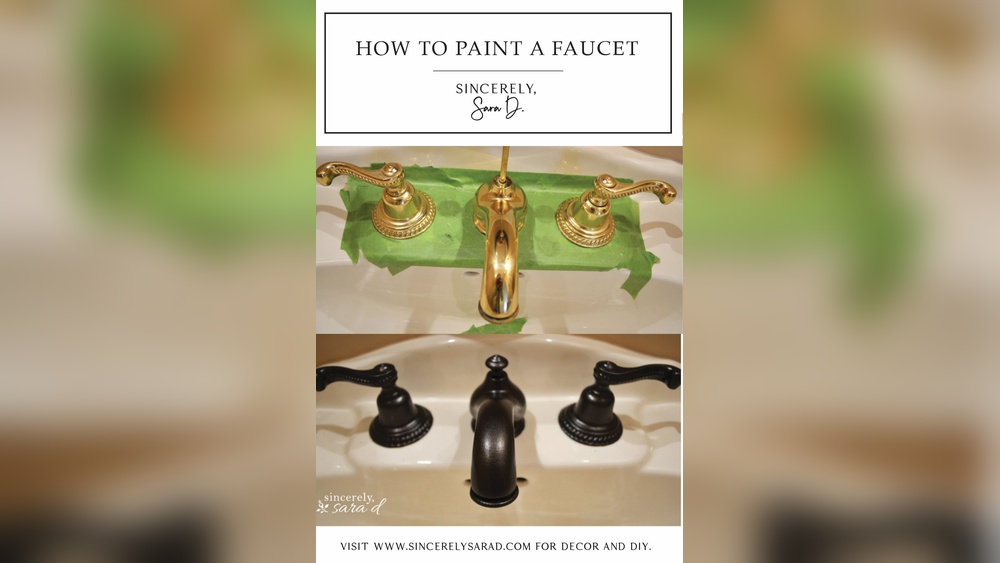
Many homeowners have tried spray painting their faucets. Most are happy—at least at first. For example, a DIY blogger sprayed her chrome faucet matte black. She reported it looked brand new and held up for over a year with gentle use.
However, some people find their paint chips or peels after a few months, especially if the faucet gets heavy use. One common issue is water pooling at the base, which can lift the paint.
Expert insight: The success of a spray-painted faucet depends more on the prep than the paint itself. The smoother and cleaner the metal, the better the results.
When Is Spray Painting Not A Good Idea?
Spray painting is not always the right solution. Here are situations when you should reconsider:
- Leaky or broken faucet: If your faucet is damaged, replacing it is better.
- Heavily used bathrooms: Guest bathrooms hold up better than busy family bathrooms.
- Rental properties: Landlords may not allow permanent changes, and painted fixtures may not appeal to future tenants.
- Specialty finishes: Some finishes, like polished chrome, are hard to replicate with spray paint.
If you’re unsure, talk to a hardware store expert or plumber before starting.
Maintenance Tips For Painted Faucets
A painted faucet needs gentle care to look good. Here’s how to make your paint job last:
- Wipe down after use: Remove water spots with a soft, dry cloth.
- Avoid harsh chemicals: Use mild soap and water only.
- No abrasive sponges: Stick to microfiber or soft cloths.
- Touch up chips: Keep a small can of matching paint for quick fixes.
- Check for leaks: Moisture under the paint can lead to bubbling or peeling.
With these habits, you can extend the life of your painted faucet.

Credit: www.youtube.com
Environmental Impact And Alternatives
Spray painting is more eco-friendly than throwing away a working faucet. It keeps metal out of landfills and reduces waste. However, spray paint does release chemicals into the air. Always paint in a well-ventilated area and dispose of cans responsibly.
If you want an even greener option, look for low-VOC spray paints or water-based metal paints. These are safer for you and the environment.
Another alternative is decorative faucet covers or sleeves. These snap over your faucet and change the color without paint or tools.
Cost Breakdown: Diy Vs. Buying New
Wondering how much you’ll really save? Here’s a quick look at the costs:
| Item | Average Cost |
|---|---|
| Spray paint (color) | $8–$15 |
| Primer | $5–$10 |
| Clear topcoat | $8–$12 |
| Sandpaper/tape | $5–$10 |
| Total (DIY painting) | $25–$45 |
| New basic faucet | $40–$80 |
| New designer faucet | $120–$300+ |
DIY spray painting is clearly cheaper, but you trade off some durability.
Credit: averageinspired.com
Safety Precautions When Spray Painting
Spray paint contains chemicals that can be harmful if inhaled. Always:
- Wear a mask and gloves
- Open windows and doors for airflow
- Cover all nearby surfaces
- Keep children and pets away
Follow all instructions on the spray paint cans. Never spray paint near open flames or in high heat.
For more information on safe painting practices, you can read about spray paint safety at the Centers for Disease Control and Prevention (CDC).
Faq: Frequently Asked Questions
Is It Better To Spray Paint Or Brush Paint A Faucet?
Spray painting gives a smoother, more even finish with fewer brush marks. Brush painting can work, but it’s harder to get a professional look. Spray paint is also faster and covers details better.
How Long Does Spray Paint Last On A Bathroom Faucet?
With good prep and gentle use, spray paint can last 6 months to 2 years. High-traffic faucets may need touch-ups sooner. Using a clear topcoat can extend the life of your paint job.
Can I Paint My Faucet Without Removing It?
Yes, but it’s harder to get even coverage. You’ll need to use painter’s tape and plastic to protect your sink and surrounding areas. Removing the faucet is recommended for the best results.
Will Spray Paint Chip Or Peel?
It can if you skip cleaning or sanding, use the wrong paint, or expose the faucet to harsh scrubbing. Using a primer and topcoat reduces chipping. Be gentle with your painted faucet to keep it looking good.
Is It Safe To Use Spray-painted Faucets For Drinking Water?
Most modern spray paints are non-toxic once fully cured, but they are not food-grade. It’s generally safe for washing hands and regular bathroom use, but not recommended for kitchen or drinking water faucets.
Giving your bathroom faucet a new look with spray paint is a smart, budget-friendly project—if you know what to expect. Take your time with prep, use the right products, and care for your new finish. You’ll be surprised at how much a small change can refresh your space.