Pre Rinse Vs Pull Down Faucet: Which Is Best for Your Kitchen?
Choosing a kitchen faucet used to be simple. Today, it’s surprisingly complex. Two popular styles — pre-rinse faucets and pull down faucets — look similar but work differently. If you’re upgrading your kitchen or designing a new space, the right faucet can save you time, water, and frustration. But which one fits your needs? This in-depth guide compares pre-rinse and pull down faucets in every way that matters, so you’ll feel confident making the best choice for your home.
Understanding Pre Rinse Faucets
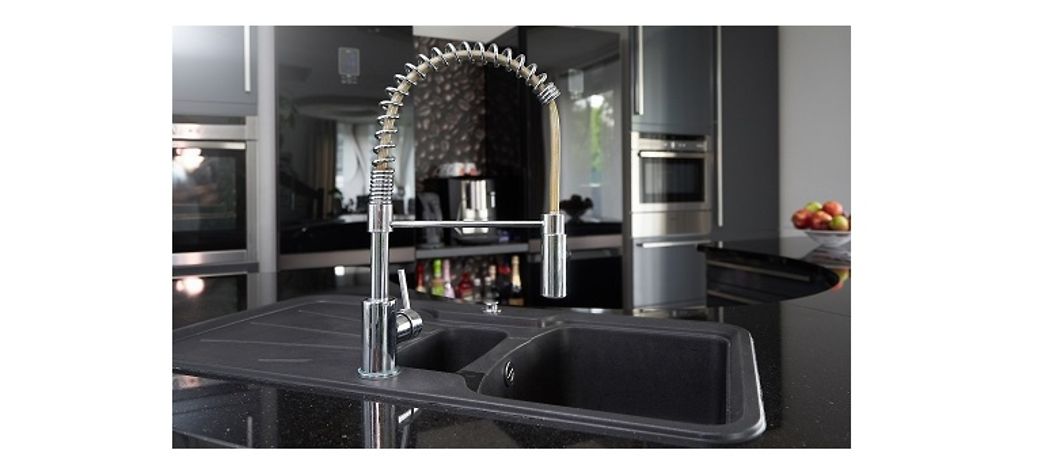
A pre-rinse faucet is inspired by restaurant kitchens. It’s made for tough cleaning tasks and heavy use. You’ll recognize it by the tall coil spring and a spray head connected to a long hose. This design lets you easily direct water anywhere in the sink. Most pre-rinse models have a powerful spray that blasts away stuck food and grease.
These faucets first became popular in commercial kitchens, where speed and cleanliness are critical. Now, many home cooks love them for their professional look and function. A pre-rinse faucet can make washing big pots, baking trays, or vegetables much easier.
Key features of pre-rinse faucets:
- Extra high arc for deep pots
- Spring coil for flexible movement
- Heavy-duty spray head
- Often one handle for temperature and flow control
Understanding Pull Down Faucets
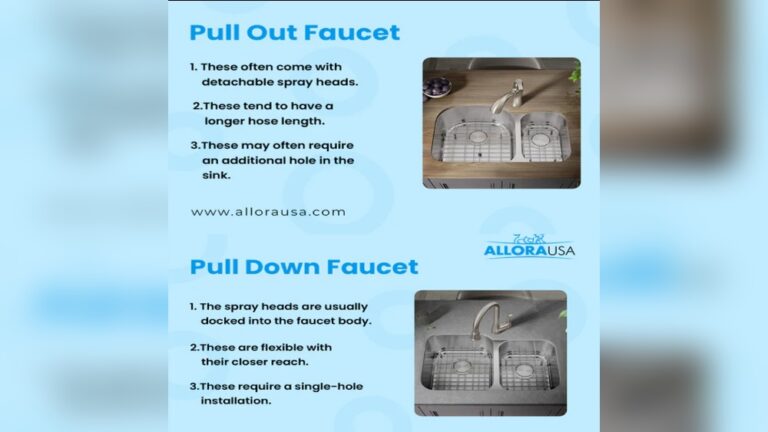
Pull down faucets are designed for home kitchens. They have a spout with a spray head that you can pull straight down into the sink on a retractable hose. The spray head usually has buttons to switch between stream and spray modes.
This style is popular for its balance of convenience and modern style. The hose is often shorter than on a pre-rinse model, but it’s enough for most daily tasks. Pull down faucets come in many designs — from sleek and minimalist to classic and decorative.
Key features of pull down faucets:
- Lower arc than pre-rinse models
- Spray head pulls down from the spout
- Multiple spray settings (stream, spray, sometimes pause)
- Magnetic or weight-assisted retraction
How Pre Rinse And Pull Down Faucets Work
Both faucet types use a flexible hose, but the way you use them is different.
A pre-rinse faucet has a spray head that hangs from a long, flexible coil. You can grab the handle and move it in all directions. The powerful spray is designed to rinse dishes fast, often with one hand.
A pull down faucet looks more like a normal kitchen faucet until you pull the head down. The hose is usually hidden inside the spout. You pull down the spray head, use it to rinse, then let it retract back in place.
Comparing Key Features
Here’s a detailed side-by-side look at pre-rinse and pull down faucets:
| Feature | Pre Rinse Faucet | Pull Down Faucet |
|---|---|---|
| Spray Power | Very strong, removes tough food | Moderate, good for daily use |
| Reach | Long hose, covers whole sink | Shorter hose, enough for most uses |
| Design | Tall, industrial look | Compact, modern or classic |
| Ease of Use | Heavier, needs two hands sometimes | Lightweight, easy with one hand |
| Price | Usually more expensive | Wide price range |
| Installation | Can be tricky due to size | Straightforward, fits most sinks |
| Water Usage | Higher flow rate (1.8-2.2 GPM) | Lower flow rate (1.5-1.8 GPM) |

Credit: www.amazon.com
Where Each Faucet Excels
When To Choose A Pre Rinse Faucet
A pre-rinse faucet is perfect if you:
- Wash large pots, pans, or baking trays often
- Want to remove tough, dried food easily
- Like the professional kitchen look
- Have a large, deep sink
Some home cooks love the sense of power and flexibility these faucets bring. If you batch cook, bake, or host big family dinners, the extra spray power is helpful. The high arc also makes it simple to fill stockpots or clean inside tall vases.
When To Choose A Pull Down Faucet
A pull down faucet is the better fit if you:
- Mostly wash plates, glasses, and small pots
- Prefer a sleek, simple style
- Have a smaller kitchen or shallow sink
- Want easy, one-handed use
Pull down faucets are practical for nearly any home. They usually cost less, are lighter, and are easy for kids or elderly family members to use. If you value flexibility but don’t need maximum spray power, a pull down faucet meets your needs well.
Installation And Compatibility
Space Requirements
One of the biggest differences is how much space each faucet needs. Pre-rinse faucets are tall — often 20 inches or more from the countertop. You need enough vertical clearance to fit the faucet and move the spray head freely. If you have cabinets or shelves above your sink, measure carefully.
Pull down faucets are lower — usually 14 to 18 inches high. They fit under most cabinets without trouble.
Sink Size And Mounting
A pre-rinse faucet pairs best with a large, deep sink. The powerful spray can splash, so a shallow sink may cause water to spill over the sides. These faucets are often heavier, so your sink and countertop should be sturdy.
Pull down faucets work well with almost any sink. They’re lighter, so they fit both drop-in and undermount sinks. Most models only need a standard single or triple hole for installation.
Installation Difficulty
Installing either faucet is a moderate DIY project if you have basic plumbing skills. Most pull down faucets come with clear instructions and all hardware. Pre-rinse faucets sometimes need extra support or bracing because of their height and weight.
If your countertop is thin or made of a softer material, a pull down faucet is less likely to cause problems. Pre-rinse models may require reinforcement. For renters or older homes, this is an important consideration.
Cleaning Power And Water Usage
Spray Strength
A main reason people choose a pre-rinse faucet is for spray power. The spray head uses higher water pressure, sometimes up to 60 psi, to remove dried or baked-on food. It’s ideal for cleaning pots, pans, or even rinsing muddy boots.
Pull down faucets have less pressure, but still enough for most daily cleaning. Their spray is gentle on glass and china, making them safer for delicate dishware.
Water Efficiency
Most modern faucets are built to save water. Federal law in the US limits new kitchen faucets to a maximum flow of 2. 2 gallons per minute (GPM). Many pull down faucets use less — around 1. 5 GPM.
Pre-rinse faucets often use more water, especially when set to full spray. This helps you clean faster, but can increase your water bill if you do a lot of rinsing.
Non-obvious tip: Some pre-rinse faucets have a pause button or eco-mode that lets you reduce the flow when you don’t need full power. This can save water without losing performance.
Durability And Maintenance
Build Quality
Pre-rinse faucets are usually made of solid brass or stainless steel. They’re built to handle rough use, so they last for years in busy kitchens. The coil spring protects the hose and helps prevent kinks or wear.
Pull down faucets can be made of brass, stainless steel, or zinc alloy. Cheaper models may have more plastic parts, which can wear out faster. Look for a ceramic disc cartridge for longer life.
Cleaning And Care
Both types of faucets are easy to clean with mild soap and water. The spray head may collect mineral deposits over time, especially in hard water areas. Most modern spray heads have soft rubber nozzles you can rub clean with your finger.
Non-obvious insight: Many people forget to check the hose. If your faucet feels stiff or hard to pull, mineral buildup inside the hose could be the cause. Running vinegar through the hose every few months can keep it moving smoothly.

Credit: www.kingstonbrass.com
Design And Style Choices
Aesthetic Appeal
Pre-rinse faucets make a bold statement. The industrial coil spring look draws attention and makes your kitchen feel like a professional space. They come in finishes like chrome, brushed nickel, and matte black.
Pull down faucets offer more variety. You can find everything from minimalist designs to vintage curves. Popular finishes include stainless steel, oil-rubbed bronze, gold, and even custom colors.
Matching Your Kitchen
If your kitchen is large, open, and modern, a pre-rinse faucet can fit right in. For smaller kitchens, or those with a cozy feel, a pull down faucet may blend better with the space.
Pro tip: Try to match the faucet finish with your cabinet hardware or appliances for a unified look.
Price Range And Value
Cost Comparison
Here’s a quick look at average prices for both faucet types:
| Faucet Type | Entry Level | Mid Range | High End |
|---|---|---|---|
| Pre Rinse | $150-$250 | $250-$500 | $500-$1,200+ |
| Pull Down | $80-$150 | $150-$300 | $300-$800 |
Pre-rinse faucets usually cost more, both to buy and to install. The materials and extra height add to the price. Pull down faucets are affordable for most budgets, and you can find high-quality models without breaking the bank.
Long-term Value
A good faucet can last 10 years or more. Spending more upfront on a solid model can save money on repairs or replacements later. Look for a lifetime warranty on parts and finish for the best value.
Everyday Usability
Ease Of Use
Pull down faucets are lighter and usually easier for everyone to use, including children and people with limited hand strength. The spray head is small and fits easily in the hand. Switching between spray and stream is as simple as pressing a button.
Pre-rinse faucets can feel heavy, especially for smaller users. The hose and spray head are larger, and the handle may need two hands if wet or greasy. However, for people who cook a lot or need to clean big items, the extra size is often worth it.
Flexibility
Both faucets offer flexibility, but in different ways. Pre-rinse faucets can reach every corner of even the largest sinks. The high arc means you can fit tall pots underneath.
Pull down faucets are best for standard sinks and quick rinsing. The retractable hose helps, but it’s shorter and may not reach as far as a pre-rinse model.
Non-obvious insight: If you have a double-bowl sink, a pre-rinse faucet’s long hose makes it easier to rinse both bowls without moving dishes around.
Common Mistakes When Choosing
- Ignoring Sink Size: Installing a pre-rinse faucet on a small or shallow sink often leads to splashing and frustration.
- Overlooking Cabinet Height: If you have low cabinets, a tall pre-rinse faucet may not fit.
- Focusing Only on Looks: Some buyers choose the flashiest design without checking if it fits their cooking habits.
- Assuming All Hoses Are Equal: Not all pull down hoses retract smoothly. Look for magnetic docking or weighted hoses for best results.
- Forgetting About Water Pressure: Homes with low water pressure may not get full benefit from a pre-rinse faucet’s spray.
Real-world Examples
- Busy Home Bakers: A family that loves baking bread and pizza chose a pre-rinse faucet. The strong spray makes cleaning sticky dough from bowls and counters fast and easy.
- Apartment Dwellers: A couple with a small kitchen and shallow sink picked a pull down faucet. It fit under their cabinets, was simple to use, and didn’t splash water everywhere.
- Large Family Kitchens: One family installed a pre-rinse faucet in their open-concept kitchen with a deep farmhouse sink. It looks dramatic and helps manage big, messy meals.
Environmental Impact
Water Consumption
As mentioned, pre-rinse faucets may use more water per minute, but if you rinse dishes faster, you could still save water overall. Some models have aerators or eco-friendly settings that reduce flow without losing cleaning power.
Tip: Always look for faucets labeled with WaterSense or similar certifications. These models meet strict water-saving standards without sacrificing performance.
Materials And Longevity
A faucet made from solid brass or stainless steel lasts longer and is less likely to end up in a landfill. Avoid cheap models with lots of plastic, which can crack or leak within a few years.
Which Faucet Is Right For You?
Ask yourself these questions before making a decision:
- How often do I cook large meals or bake?
- Is my sink deep and wide enough for a pre-rinse faucet?
- Do I prefer a bold or subtle kitchen style?
- Who will use the faucet most often?
- Is water efficiency important to me?
If you love cooking, have a big kitchen, and want a professional look, a pre-rinse faucet is an exciting upgrade. If you want everyday convenience, easy use, and broad style choices, a pull down faucet is a smart pick.
Frequently Asked Questions
What Is The Main Difference Between Pre Rinse And Pull Down Faucets?
The biggest difference is the design and spray power. Pre rinse faucets have a tall, flexible coil and a powerful spray made for tough cleaning. Pull down faucets have a smaller hose that pulls from the spout, with gentler spray for everyday use.
Are Pre Rinse Faucets Hard To Install At Home?
They can be. Pre rinse faucets are heavy and tall, so you need enough space and a strong sink. Some may need extra bracing. If you’re not comfortable with plumbing, consider a professional installer.
Do Pull Down Faucets Work For Large Pots And Pans?
Yes, but the hose is shorter and the spray is not as strong as a pre rinse model. For most home cooking, a pull down faucet is enough. For frequent heavy-duty cleaning, pre rinse is better.
Which Faucet Type Saves More Water?
Pull down faucets usually use less water per minute (1.5-1.8 GPM) than pre rinse models (1.8-2.2 GPM). However, some pre rinse faucets clean faster, which may balance out the difference. Look for WaterSense labels for best efficiency.
Where Can I Learn More About Kitchen Faucet Standards And Water Usage?
You can find detailed information on faucet standards and water efficiency at the EPA WaterSense website.
A kitchen faucet is more than just a tap — it’s a tool you use every day. Whether you choose a pre-rinse or pull down faucet, matching the style to your space and habits makes kitchen chores smoother, faster, and even more enjoyable.
Credit: www.partstown.com