Why Does My Faucet Make Noise: Causes and Quick Fixes
Have you ever turned on your faucet and suddenly heard an unexpected noise? Whether it’s a high-pitched whistle, a rattling chatter, or an annoying squeal, a noisy faucet can be more than just a minor nuisance.
You might wonder, “Why does my faucet make noise? ” and worry if it signals a bigger problem. The truth is, these sounds usually come from simple issues like worn washers, trapped air, or mineral buildup—and the good news is, most of them are easy to fix.
You’ll discover the common reasons behind those frustrating faucet noises and learn straightforward solutions to restore peace and quiet in your home. Keep reading to find out how to silence your noisy faucet once and for all!

Credit: www.instantplumbing.ca
Common Faucet Noises
Faucets often make noises that can be annoying or worrying. These sounds tell a lot about the faucet’s condition. Knowing common faucet noises helps identify problems early. This can save money and prevent damage. Below are typical noises you might hear from your faucet.
Whistling And Squealing
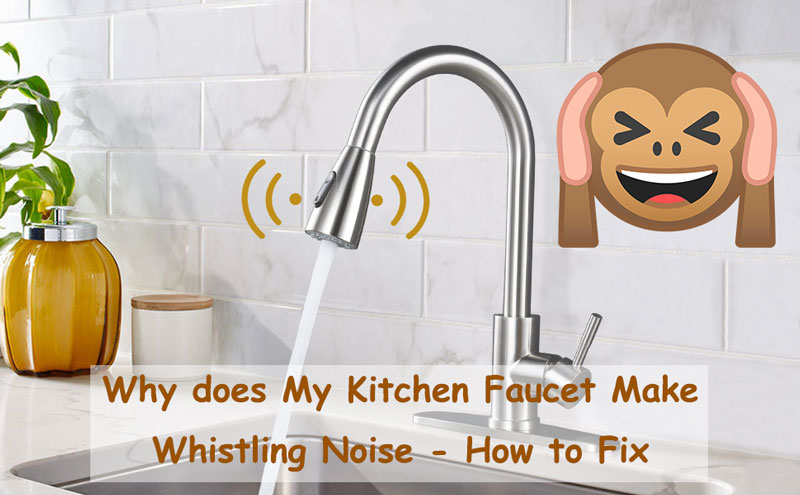
Whistling happens when water flows through a narrow or blocked space. Dirt or mineral buildup in the faucet’s seat or aerator can cause this. Squealing often occurs when turning the faucet on or off. It comes from worn or tight parts inside the faucet. Both noises suggest the water flow is restricted.
Chattering And Humming
Chattering sounds like a quick tapping or clicking noise. It usually happens when the faucet valve does not open or close smoothly. Humming is a steady, low-pitched noise. It often comes from high water pressure or loose parts inside the faucet. These noises mean the faucet parts may need tightening or replacement.
Banging And Water Hammer
Banging sounds like a loud knock inside the pipes. This is known as water hammer. It happens when water flow suddenly stops or changes direction. The sudden pressure causes pipes to bang against walls. This noise can damage pipes if left unchecked. Installing a water hammer arrestor can reduce banging.
Squeaking When Turning Handle
Squeaking occurs when the faucet handle moves with resistance. It comes from metal parts rubbing without enough lubrication. Over time, the faucet’s stem threads wear out and cause this noise. Applying plumber’s grease or replacing worn parts can fix squeaking handles.
Main Causes Of Faucet Noise
A noisy faucet can be annoying and sometimes worrying. Understanding the main causes helps to fix the problem quickly. Most faucet noises come from worn parts, water pressure, or air trapped inside pipes. Identifying the exact cause makes repair easier and prevents further damage.
Worn Washers And Cartridges
Washers and cartridges control water flow inside the faucet. Over time, they wear out and cause noises. A worn washer may produce a screeching or squealing sound. Replacing these parts often stops the noise and restores smooth water flow.
Mineral Buildup And Sediment
Hard water leaves minerals inside pipes and faucet parts. These deposits block water flow and create vibrations. The result can be a whistling or rattling noise. Cleaning or replacing affected parts removes mineral buildup and stops the sound.
High Water Pressure
Water pressure that is too high forces water through pipes quickly. This causes pipes and faucets to vibrate loudly. High pressure also wears out faucet parts faster. Lowering water pressure reduces noise and protects plumbing.
Loose Faucet Parts
Faucet components may loosen over time due to use or water pressure. Loose parts can rattle or bang when water flows. Tightening screws and connections usually stops these noises. Regular checks help keep faucets secure and quiet.
Trapped Air In Pipes
Air trapped inside water pipes causes banging or knocking sounds. This happens when air pockets move with the water flow. Bleeding the pipes releases trapped air and stops the noise. This simple step improves faucet performance.
Quick Checks Before Repairs
Before calling a plumber or starting repairs, try some quick checks. These simple steps can help identify the cause of your noisy faucet. Often, the problem is easy to fix without special tools or skills.
Check parts that commonly cause noise. Look for blockages or pressure issues first. This saves time and money.
Inspecting The Aerator
Remove the aerator from the faucet tip. This small screen can collect mineral deposits and dirt. Clean it gently with a brush and vinegar. Rinse well before reinstalling. A clogged aerator often causes whistling or sputtering sounds.
Testing Water Pressure
High water pressure can create loud noises in your pipes and faucet. Use a pressure gauge to measure pressure at a hose bib or faucet. Ideal pressure is between 40 and 60 psi. If pressure is too high, adjust your pressure regulator or call a plumber. Lowering pressure often reduces noise and protects plumbing.
Listening For Pipe Vibrations
Turn the faucet on and listen carefully. Vibrations or banging sounds might come from loose pipes. Gently tap pipes to check for movement. Secure loose pipes with clamps or brackets. Tightening them stops rattling and reduces noise.
Credit: www.wowowfaucet.com
Simple Fixes For Noisy Faucets
Noisy faucets can be annoying and disrupt daily routines. Many common faucet noises come from simple issues. These problems often have easy fixes that anyone can try. Fixing a noisy faucet saves money and avoids calling a plumber. This section explores quick solutions to stop faucet noise and restore calm to your home.
Cleaning Or Replacing Washers
Worn washers cause whistling or dripping sounds. Turn off the water supply before starting. Remove the faucet handle and check the washer for damage. Clean buildup or replace the washer with a new one. This small part controls water flow and stops noise when working well.
Removing Mineral Deposits
Hard water leaves mineral deposits inside faucet parts. These deposits block water flow and create noise. Soak faucet parts in vinegar to dissolve deposits. Scrub gently with a brush to clear remaining buildup. Reassemble the faucet for smoother, quieter water flow.
Tightening Loose Components
Loose parts cause rattling or banging noises. Check all screws, nuts, and bolts on the faucet. Use a wrench or screwdriver to tighten them carefully. Secure fittings prevent vibrations and stop noise. Avoid overtightening to prevent damage.
Flushing Sediment From Pipes
Sediment builds up inside pipes and water heaters. This buildup causes gurgling or banging noises when water moves. Flush the pipes by running water at full pressure for several minutes. Use a water softener to reduce future sediment buildup. Clean pipes help water flow quietly and smoothly.
Advanced Solutions
Advanced solutions target persistent faucet noise problems. These fixes often require specific tools and skills. They address issues beyond simple repairs, ensuring long-term silence and smooth water flow. Let’s explore three effective methods to stop noisy faucets for good.
Installing Water Hammer Arrestors
Water hammer arrestors absorb shock from sudden water stops. This prevents loud banging noises in pipes. Installation involves placing the arrestor near the faucet or shutoff valve. It cushions pressure changes, protecting pipes and reducing noise. This solution works well for homes with frequent pipe banging sounds.
Replacing Pressure Balance Valves
Pressure balance valves control water flow and temperature. Worn or faulty valves cause whistling or squealing noises. Replacing them restores smooth operation and quiet water flow. New valves maintain steady pressure, stopping noise caused by pressure fluctuations. This fix is ideal for showers and faucets with inconsistent water pressure.
Professional Pipe Inspection
Experts inspect pipes to find hidden causes of noise. They check for loose fittings, corrosion, or blockages. Professionals use cameras and pressure tests for accurate diagnosis. Detecting issues early prevents bigger plumbing problems. A thorough inspection ensures quiet pipes and extends their lifespan.
Preventing Future Faucet Noise
Preventing future faucet noise helps maintain a peaceful home environment. Noise from faucets can become annoying fast. Taking simple steps stops sounds before they start. These methods also extend the life of your faucet. The key lies in regular care and proper water management.
Regular Maintenance Tips
Check your faucet often for leaks or drips. Replace old washers and cartridges as needed. Clean the aerator to remove mineral buildup. Tighten loose parts to stop rattling noises. Small repairs prevent bigger problems later. Set a schedule to inspect faucets every few months.
Using Water Softeners
Hard water causes mineral deposits in pipes and faucets. These deposits lead to noise and damage. Installing a water softener reduces minerals in water. Soft water protects your faucet from buildup. It also improves water flow and taste. Consider a water softener if your water is hard or noisy.
Monitoring Water Pressure
High water pressure creates loud noises and pipe stress. Use a pressure gauge to check your home’s water pressure. Ideal pressure is between 40 and 60 psi. Install a pressure regulator if pressure is too high. Lower pressure reduces noise and prevents faucet damage. Regular pressure checks keep water flow steady and quiet.
Credit: www.jmttradeltd.co.uk
Frequently Asked Questions
Why Is My Faucet Making A Weird Sound?
Your faucet likely makes noise due to trapped air, high water pressure, worn washers, or mineral buildup. Cleaning or replacing parts often stops it.
How To Fix A Noisy Faucet?
Fix a noisy faucet by cleaning or replacing worn washers and cartridges. Remove mineral buildup from the aerator. Tighten loose parts. Check water pressure and install water hammer arrestors if needed. These steps stop whistling, rattling, or banging sounds effectively.
What Causes A Loud Noise If A Household Water Tap Is Turned On?
A loud noise when turning on a tap often results from high water pressure, loose parts, or mineral buildup. Trapped air and worn washers can also cause whistling or banging sounds. Cleaning aerators, replacing washers, or fixing loose fittings usually stops the noise.
Is Pipe Noise Damaging My Plumbing?
Pipe noise itself doesn’t damage plumbing but signals issues like high pressure or loose fittings. Ignoring it risks leaks or bursts. Address noises promptly to prevent costly plumbing damage.
Conclusion
A noisy faucet can be annoying but often signals simple issues. Common causes include worn washers, debris, or high water pressure. Regular cleaning and part replacement usually fix the noise. Ignoring sounds might lead to bigger plumbing problems later. Taking quick action keeps your faucet quiet and working well.
Understanding these basics helps you maintain a peaceful home. Don’t let faucet noise disrupt your comfort. Address it early for lasting calm and function.