Kohler Vs Grohe Kitchen Faucets: Which Brand Reigns Supreme?
When it comes to choosing a kitchen faucet, two brands often stand out: Kohler and Grohe. Both are known for their reliability, innovative features, and stylish designs. But if you’re searching for the perfect faucet for your kitchen, you may find it tough to pick between them. This article explores every major difference between Kohler and Grohe kitchen faucets, including design, durability, technology, price, installation, customer support, and more. By the end, you’ll know exactly which brand suits your needs—and why.
Brand Overview: Kohler And Grohe
Both companies have a long history in the bathroom and kitchen fixture industry.
Kohler is an American company founded in 1873. It’s famous for blending innovation, function, and style. Kohler’s products are known for their bold designs, solid construction, and regular introduction of new features.
Grohe is a German brand with roots going back to 1936. It stands out for precision engineering, minimalist aesthetics, and water-saving technology. Grohe is popular in Europe and has a growing presence worldwide.
While both brands offer high-end kitchen faucets, their approach to design, technology, and value differs. Understanding these differences is key to finding the right faucet for your kitchen.
Design And Style
The look of your kitchen faucet is important, not just for function but also for style. Kohler and Grohe have unique design philosophies.
Kohler: Bold And Varied
Kohler offers a wide variety of styles. Whether you want a traditional, transitional, or modern look, you’ll find options in their lineup. Kohler faucets often feature curves, bold shapes, and eye-catching finishes. Finishes include:
- Polished chrome
- Vibrant stainless
- Matte black
- Oil-rubbed bronze
- Brushed brass
Kohler is also known for experimenting with colors and textures. For example, their “Artifacts” and “Simplice” collections combine classic and modern elements for a unique appearance.
Grohe: Sleek And Minimalist
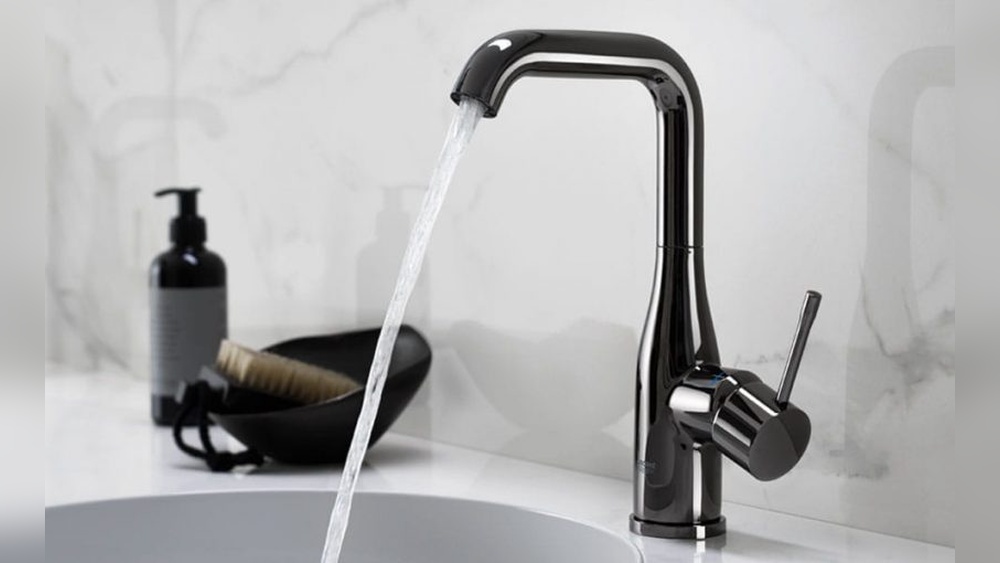
Grohe focuses on sleek, minimalist designs. Their faucets often have clean lines, cylindrical shapes, and a focus on function. Popular finishes include:
- SuperSteel
- StarLight Chrome
- Brushed nickel
- Matte black
Grohe’s “Essence” and “Concetto” lines are favorites for homeowners seeking a modern, European look. While Grohe may not offer as many bold color choices as Kohler, their simplicity appeals to many.
Design Comparison Table
Here’s a side-by-side look at design features:
| Feature | Kohler | Grohe |
|---|---|---|
| Style Range | Traditional, Modern, Transitional | Modern, Minimalist |
| Finish Options | Wide variety, including bold colors | Limited, focus on metallics |
| Signature Collections | Artifacts, Simplice, Bellera | Essence, Concetto, Minta |
| Special Features | Color, texture, unique shapes | Minimalist, cylindrical, ergonomic |
Build Quality And Durability
A kitchen faucet is used daily, so build quality matters a lot. Both Kohler and Grohe are known for durability, but there are some differences.
Kohler: Robust And Reliable
Kohler faucets are made from solid brass or stainless steel. This makes them strong and corrosion-resistant. The company uses ceramic disc valves in most models, which helps prevent leaks and increases lifespan. Many users report Kohler faucets lasting 10-20 years with minimal issues.
Some Kohler models use a proprietary finish technology, such as Vibrant®, which resists tarnishing and scratching better than standard finishes. This is especially important for busy kitchens.
Grohe: German Precision
Grohe is famous for German engineering and consistent quality. Their faucets also use brass or stainless steel and feature advanced ceramic cartridges for smooth handle movement and drip-free performance. The GROHE StarLight® finish is especially tough, resisting scratches and keeping its shine for years.
Grohe products often pass strict European testing for water pressure and performance. Many Grohe faucets can last 15-20 years or more, especially with regular maintenance.
Durability Comparison Table
A quick overview of key durability features:
| Feature | Kohler | Grohe |
|---|---|---|
| Main Materials | Solid brass, stainless steel | Solid brass, stainless steel |
| Valve Type | Ceramic disc | Ceramic cartridge |
| Finish Technology | Vibrant® | StarLight® |
| Expected Lifespan | 10-20 years | 15-20+ years |
Technology And Features
Modern kitchen faucets are more than just water dispensers. They include features that make cooking, cleaning, and even hand-washing easier.
Kohler: Practical Innovations
Kohler leads in user-friendly features. Some popular technologies include:
- Sweep® Spray: A powerful, wide blade of water for quick cleaning.
- DockNetik®: Magnetic docking for pull-down sprays.
- ProMotion®: Smooth, quiet hose movement.
- Touchless activation: Some Kohler models use a sensor, so you can turn on water with a wave of your hand.
Kohler also offers models with temperature memory, so the faucet remembers your last setting. This is especially useful when you need consistent water temperature.
Grohe: Smart Water Control
Grohe focuses on precision and eco-friendly features. Their key technologies are:
- GROHE SilkMove®: Ultra-smooth handle movement for precise water control.
- GROHE EcoJoy®: Reduces water use by up to 50% without losing performance.
- GROHE QuickFix®: Makes installation faster and easier.
- FootControl: Allows you to turn water on/off with a tap of your foot (select models).
- Touchless options: Like Kohler, Grohe also offers touchless models with advanced sensors.
Grohe’s technology is designed to save water and energy, which can lower your utility bills over time.
Not-so-obvious Insights
- Kohler’s spray features are often stronger and better for heavy-duty cleaning, while Grohe’s sprays are more focused on gentle, controlled flow for rinsing.
- Grohe’s EcoJoy® system is especially valuable in regions with high water costs or strict water regulations, making Grohe a good long-term investment in such areas.

Credit: www.amazon.com
Installation And Compatibility
Installing a kitchen faucet can be a DIY project or done by a professional. The process varies by brand and model.
Kohler: Straightforward For Most Homes
Kohler faucets are designed for easy installation in both old and new kitchens. Many models fit standard U.S. sink holes and include all necessary parts. Kohler provides clear instructions and support videos. However, some advanced features (like touchless models) may need extra steps, such as installing a battery pack.
Grohe: Simple, Especially For New Kitchens
Grohe uses the QuickFix® system, which can cut installation time by up to 50%. European models may sometimes require adapters for U.S. plumbing, but most Grohe kitchen faucets sold in North America are fully compatible. Grohe’s instructions are clear, but their faucets sometimes include metric fittings, so double-check before buying.
Price And Value
Pricing is a major factor for most buyers. Both Kohler and Grohe offer a wide range of prices, but there are some patterns.
Kohler: More Options For All Budgets
Kohler faucets typically range from $100 to $800, with most models in the $200-$400 range. Entry-level models are affordable, and high-end options offer luxury features. Kohler’s price reflects its strong U.S. market presence and wide product selection.
Grohe: Premium, But Worth It
Grohe kitchen faucets usually start around $200 and go up to $1,000 or more for advanced models. Most Grohe faucets fall in the $350-$700 range. The higher price reflects their European engineering and long-term durability. Grohe rarely offers ultra-budget models.
Value Comparison
- Kohler is often better for those seeking a quality faucet at a mid-range price.
- Grohe is ideal for buyers who want long-term performance and are willing to invest a bit more upfront.
Warranty And Customer Support
Good support can make a big difference if something goes wrong.
Kohler: Strong U.s. Support
Kohler offers a limited lifetime warranty for residential faucets. Their customer service is based in the U.S., so response times are fast. Replacement parts are easy to get, and many local plumbers are familiar with Kohler products.
Grohe: Reliable But International
Grohe also provides a limited lifetime warranty in North America, but in some other regions, the warranty may be shorter. Customer service is generally excellent, but some users report longer wait times due to the company’s international setup.
Water Efficiency
Saving water is important for both the environment and your wallet.
Kohler: Good, Standard Efficiency
Most Kohler kitchen faucets use 1.5 to 2.2 gallons per minute (GPM). Some models have a WaterSense label, which means they use less water without reducing performance.
Grohe: Leading Water Savings
Grohe’s EcoJoy® models can use as little as 1.75 GPM or lower. This can save thousands of gallons of water over the life of the faucet. If you live in a drought-prone area or want to be eco-friendly, Grohe stands out.
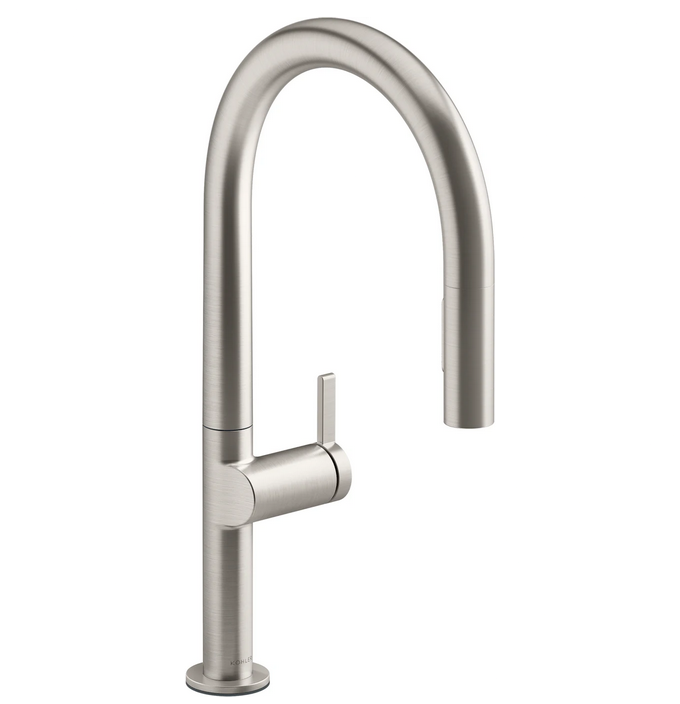
Credit: www.ebay.com
Real-life Examples And Popular Models
Kohler Simplice
A popular choice in North America, the Kohler Simplice offers a pull-down spray head, three spray functions, and easy-clean nozzles. It’s available in several finishes and starts around $200.
Grohe Essence
The Grohe Essence is well-known for its minimalist design and smooth operation. It features Grohe’s SilkMove® technology and is available in different heights and finishes. Prices usually start at $350.
User Experiences
- Many users say Kohler’s spray head is powerful and great for washing large pots.
- Grohe fans praise the smooth handle movement and water-saving features.
- Both brands receive high ratings for durability and style, but Kohler is more common in U.S. households, while Grohe is a favorite in Europe and upscale kitchens.
Common Mistakes When Choosing
- Ignoring compatibility: Some Grohe faucets may need adapters for U.S. plumbing. Always check before buying.
- Overlooking finish durability: Not all finishes resist scratches equally. If you have a busy kitchen, invest in a faucet with an advanced finish technology.
- Focusing only on style: Remember to consider water efficiency, ease of use, and maintenance—not just looks.
Which Is Better For You?
Choose Kohler If:
- You want a wider variety of styles and finishes.
- Your budget is limited but you still want a reliable brand.
- You need a faucet that’s easy to install in a standard U.S. kitchen.
Choose Grohe If:
- You prefer minimalist, modern designs.
- Water savings and eco-friendly features are important to you.
- You want long-term durability and are willing to pay a little more.
A Deeper Look: Technology Adoption And Trends
Both Kohler and Grohe are pushing the boundaries of what kitchen faucets can do. Kohler often leads with practical, user-focused features like powerful spray heads and magnetic docking. Grohe pushes water-saving and precision engineering further, which is why many luxury hotels and restaurants choose Grohe.
One trend is the rise of smart faucets—models that connect to smartphones or voice assistants. Kohler’s “Konnect” line and Grohe’s “Sense” platform are good examples, but these are still premium products and may not be necessary for most home kitchens.
Maintenance And Cleaning
Keeping your faucet clean and working well is important. Both brands use spot-resistant finishes, but here are some extra tips:
- Wipe down the faucet daily with a soft, damp cloth.
- Avoid harsh chemicals that can damage the finish.
- Check the aerator every few months for mineral buildup, especially if you have hard water.
- For touchless models, change batteries as recommended.
With regular care, a faucet from either brand should last for many years without problems.
Environmental Impact
Grohe has won several awards for its sustainability programs, using recycled materials and efficient manufacturing. Kohler also invests in green production and has a strong focus on reducing water waste. Both are good choices if you care about the environment, but Grohe is often seen as the leader in eco-friendly innovation.
Summary Table: Kohler Vs Grohe Kitchen Faucets
A final summary to help you decide:
| Feature | Kohler | Grohe |
|---|---|---|
| Design Variety | Wide, including traditional and bold colors | Minimalist, modern, metallic finishes |
| Build Quality | Solid brass, advanced finishes | German precision, StarLight® finish |
| Key Technology | Sweep® Spray, DockNetik®, touchless | SilkMove®, EcoJoy®, FootControl |
| Water Efficiency | 1.5–2.2 GPM, WaterSense on some models | 1.75 GPM or less, EcoJoy® |
| Price Range | $100–$800 | $200–$1,000+ |
| Warranty | Limited lifetime (U.S.) | Limited lifetime (N.A.), varies elsewhere |
| Installation | Easy for most U.S. kitchens | QuickFix®, may require adapters |
Frequently Asked Questions
What Is The Main Difference Between Kohler And Grohe Kitchen Faucets?
The main difference is in design philosophy and technology focus. Kohler offers a broader range of styles and finishes, often with practical features for heavy use. Grohe focuses on minimalist, modern designs and water-saving technologies.
Are Grohe Faucets Compatible With U.s. Plumbing?
Most Grohe kitchen faucets sold in the U. S. are compatible, but some may need adapters for U. S. fittings. Always check the product details or consult a plumber before purchasing.
Which Brand Is Better For Water Savings?
Grohe’s EcoJoy® technology offers some of the best water savings on the market, often using less than 1.75 GPM. Kohler also has water-efficient models, but Grohe is usually the leader for eco-friendly features.
How Long Do Kohler And Grohe Kitchen Faucets Last?
Both brands are known for durability. With proper care, Kohler faucets can last 10–20 years, and Grohe faucets often last 15–20 years or more, thanks to their advanced engineering and finishes.
Where Can I Find More Information About Faucet Standards And Water Efficiency?
For official details on faucet standards, water efficiency, and certifications like WaterSense, visit the EPA WaterSense website.
Choosing between Kohler and Grohe kitchen faucets depends on your style, budget, and needs. Both brands deliver quality, but by focusing on what matters most to you—be it design, water savings, or ease of use—you’ll make a choice that keeps your kitchen both beautiful and functional for years.

Credit: www.lowes.com