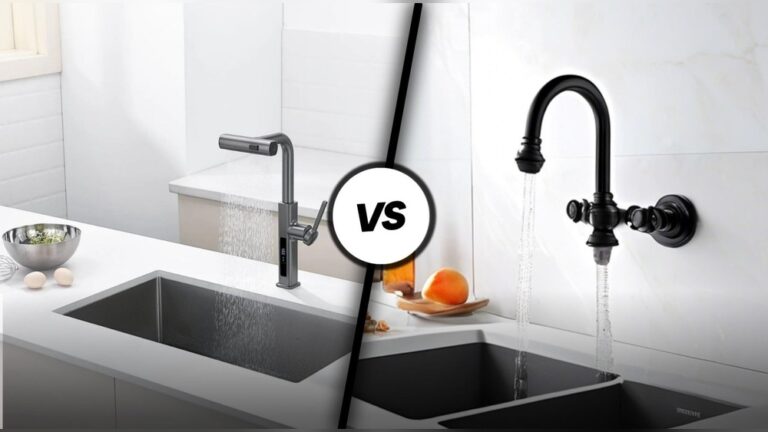
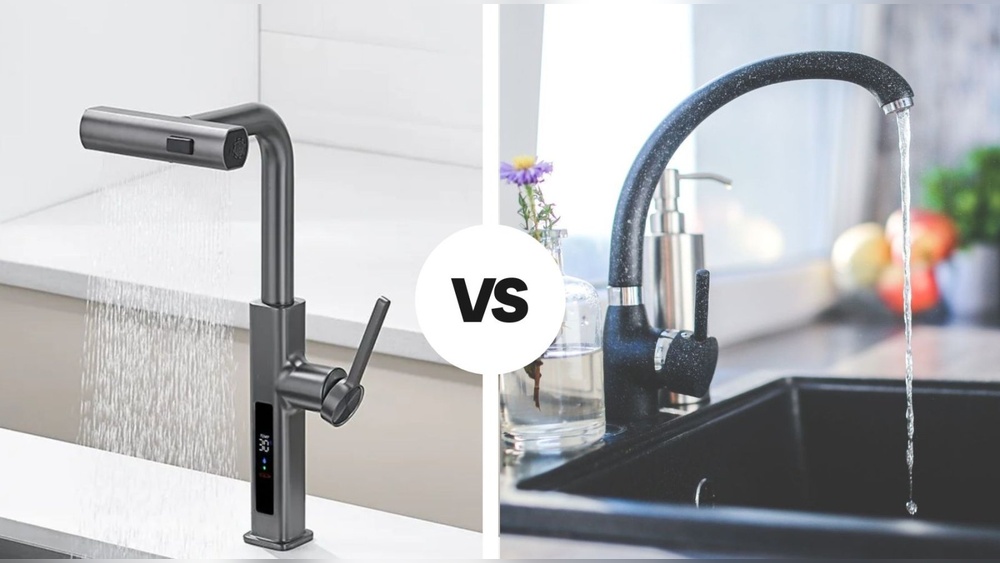
High Arc Vs Low Arc Kitchen Faucet: Which Is Best for Your Home?
When you step into a modern kitchen, you often notice the faucet first. It’s not just a tool for water—it’s a style statement and a core part of your daily routine. The shape of a kitchen faucet, especially the arc height, can make a big difference in how you use your sink. Maybe you’ve heard about high arc and low arc kitchen faucets, but you’re not sure which is best for your home. The truth is, the right choice can help you work faster, make cleaning easier, and even change the look of your kitchen. Let’s explore the real differences, hidden details, and practical tips to help you choose between a high arc and a low arc kitchen faucet.
What Is Arc Height In Kitchen Faucets?
Arc height is the distance between the base of the faucet and the highest point of the spout. This is what creates the “high” or “low” shape you notice. High arc faucets often stand out with a tall, curved neck—sometimes called a gooseneck. Low arc faucets are shorter, with a flatter or slight curve.
Why does this matter? Because arc height affects:
- How much space you have under the faucet
- What size pots and dishes fit in the sink
- The splash pattern and water reach
- How the faucet looks in your kitchen
Choosing the right arc height means thinking about how you use your kitchen every day.
High Arc Kitchen Faucets: Features And Benefits
High arc kitchen faucets usually have a spout height between 8 to 10 inches or more above the sink. Some can even reach up to 16 inches. They’re popular in modern kitchens, but their benefits go beyond looks.
Easy To Fill Large Pots And Pans
With a high arc faucet, you get plenty of space underneath. This is perfect if you often wash or fill tall pots, baking trays, or even vases. You don’t have to tip or tilt large items awkwardly.
Example: Imagine trying to wash a big soup pot. With a low arc, you might need to turn it sideways. With a high arc, you simply slide it under and fill it easily.
Better For Double Or Deep Sinks
If you have a double sink or a very deep sink, a high arc faucet makes it easier to move large dishes from one side to another. There’s less risk of bumping the faucet.
Modern And Elegant Look
High arc faucets often become a focal point. Their tall, smooth curve gives a sense of luxury and sophistication. They work well in both contemporary and traditional kitchens.
Easier For Certain Kitchen Tasks
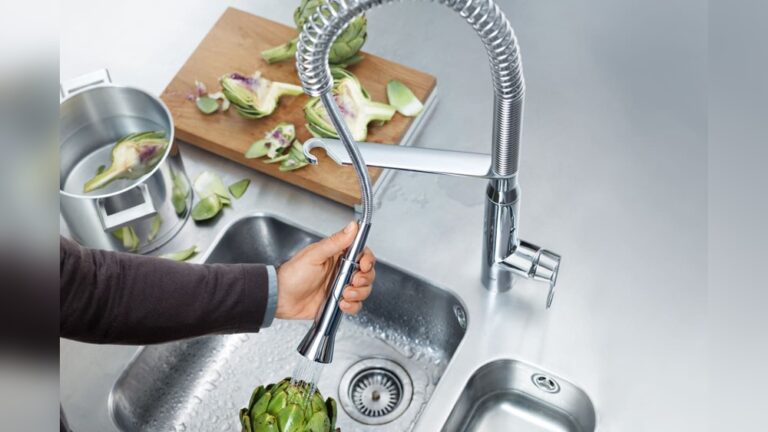
Tasks like rinsing leafy greens, filling coffee pots, or cleaning bulky items become much simpler. You have more vertical space to maneuver.
Common Features
Many high arc models come with:
- Pull-down or pull-out sprayers
- 360-degree swivel for wide sinks
- Touch or motion activation
- Multiple spray modes

Credit: www.kraususa.com
Low Arc Kitchen Faucets: Features And Benefits
Low arc faucets typically rise 3 to 8 inches above the sink. They’re less dramatic, but they have their own advantages, especially in smaller or traditional kitchens.
More Splash Control
A low arc faucet sends water closer to the bottom of the sink. This means you’re less likely to get splashed, especially if your sink is shallow. This is a simple but important advantage that many people only realize after years of use.
Good For Compact Spaces
Low arc faucets fit well under overhead cabinets or shelves. If your sink is under a window or you have limited vertical space, a low arc model avoids bumping or blocking anything above.
Subtle, Classic Appearance
Some homeowners prefer a kitchen faucet that blends in, not stands out. Low arc faucets are less visually dominant, giving a simple and timeless look.
Durable And Simple Mechanism
Because of their smaller size and fewer moving parts, low arc faucets can be less prone to leaks at the spout. They’re often easier to maintain.
Lower Cost
Low arc faucets are usually less expensive than high arc styles. If budget is a concern, you can often find a quality low arc faucet for less.
Key Differences: High Arc Vs Low Arc Kitchen Faucets
Understanding the main differences helps you decide which is better for your kitchen.
| Feature | High Arc | Low Arc |
|---|---|---|
| Height Above Sink | 8-16+ inches | 3-8 inches |
| Best For | Large pots, deep/double sinks | Small sinks, low cabinets |
| Looks | Modern, eye-catching | Classic, subtle |
| Splashing | Can splash more in shallow sinks | Less splashing |
| Cost Range | Mid to high | Low to mid |
| Common Features | Pull-down sprayer, touchless | Simple handle, basic spray |
When To Choose A High Arc Kitchen Faucet
Not every kitchen needs a high arc faucet. Here are the top situations where this style is the best fit:
- You cook large meals or use big pots: If you often prepare family dinners, bake, or entertain, you’ll appreciate the extra space for washing up.
- Your sink is deep or double-basin: A high arc makes it easier to reach both sides and clean larger items.
- You want a stylish focal point: Modern, open kitchens benefit from the strong visual line of a high arc faucet.
- You need more flexibility: Features like pull-down sprayers and swivel spouts are more common with high arc designs.
- Your kitchen has enough vertical space: Make sure there’s room above the sink, especially if you have cabinets or a window.
Non-obvious insight: Some high arc faucets can be installed with a “limited” swing, so they don’t hit the backsplash or window. Always check the specs before buying.
When To Choose A Low Arc Kitchen Faucet
Low arc faucets can be the smarter choice in certain kitchens:
- You have a shallow sink: Less space between the faucet and sink means less splashing.
- Your sink is under cabinets or shelves: A low arc fits easily without blocking anything.
- You prefer a simple, classic look: Traditional kitchens often look better with a subtle faucet.
- You’re on a tight budget: Quality low arc models are usually more affordable.
- You don’t wash large items often: If you mostly wash plates, cups, and small pans, you don’t need extra height.
Non-obvious insight: Low arc faucets may be easier for children or people with limited strength to use, as the handles are often closer and easier to reach.
Credit: calloasis.com
Practical Considerations Before You Buy
Before choosing between a high arc and a low arc kitchen faucet, think about these real-life factors:
1. Sink Depth And Size
A deep sink works well with a high arc faucet, since there’s enough space to prevent splashing. A shallow sink often matches better with a low arc to avoid water spilling over the edge.
Tip: Measure from the sink base to the highest point you can allow (including window frames or shelves).
2. Countertop And Cabinet Clearance
Make sure you have enough room above and behind the sink. High arc faucets can be up to 16 inches tall. If your window sill or cabinet hangs low, a high arc may not fit.
3. Water Pressure
Some high arc faucets, especially those with advanced spray features, need good water pressure to work well. Low arc faucets usually work fine with standard home pressure.
4. Cleaning And Maintenance
High arc faucets can collect more water spots and need regular wiping. Low arc faucets are easier to clean due to their smaller, simpler shape.
5. Installation Type
Most faucets fit into one or three holes in your countertop. Check your existing setup before choosing a style. Some high arc faucets need extra space for the handle or sprayer.
6. User Comfort
Think about who uses the sink. Children, elderly family members, or people with limited mobility may find a low arc faucet easier to use.
7. Style Coordination
A high arc faucet can draw attention, so it should match your kitchen’s overall design. A low arc works well when you want other features—like your backsplash or window—to stand out.
Common Mistakes When Choosing Kitchen Faucet Arc Height
Many homeowners make these mistakes when picking a kitchen faucet:
- Ignoring sink depth: Choosing a high arc for a shallow sink leads to splashing.
- Overlooking cabinet clearance: A high arc that hits cabinets or windows is frustrating.
- Choosing style over function: A dramatic high arc looks great, but may not suit your cooking needs.
- Not measuring existing holes: Some faucets need new countertop holes, adding cost and work.
- Forgetting about cleaning: Tall, shiny faucets show water spots more easily.
Tip: Always take clear measurements of your space before shopping. If you can, bring photos of your sink area to the store or have them ready for online shopping.
Real-life Examples
Let’s look at how different kitchens benefit from high arc and low arc faucets.
Example 1: Busy Family Kitchen
Maria’s kitchen has a double-bowl, deep stainless steel sink. She cooks for five people, washes big pots, and often fills pitchers for parties. Her high arc faucet with a pull-down sprayer saves time and avoids mess. She can fit everything under the faucet and quickly switch to spray mode.
Example 2: Small Apartment Kitchen
Jin lives in a city apartment with a small, shallow sink under low cabinets. He mostly cooks for one and washes plates and cups. A low arc faucet fits perfectly, never blocks his window, and keeps splashing to a minimum.
Example 3: Modern Open-plan Kitchen
The Smiths remodeled their home with an open kitchen. Their high arc faucet makes a visual statement at the center island. It matches their modern lighting and helps when they entertain guests, making it easy to fill pots and rinse vegetables.
Example 4: Rental Unit
A landlord chose a sturdy, low arc faucet for a rental unit. It’s easy to maintain, fits in any kitchen, and rarely needs repair.
How High Arc And Low Arc Faucets Affect Kitchen Workflow
The faucet shape doesn’t just change how your kitchen looks—it changes how you work.
| Task | High Arc Experience | Low Arc Experience |
|---|---|---|
| Washing large pots | Easy, lots of space | Can be awkward, need to angle pots |
| Filling bottles/vases | No problem, fits under spout | May not fit, must tilt container |
| Everyday dishes | Good, but may splash more | Simple, less splashing |
| Cleaning faucet | Needs regular wiping for water spots | Easier to keep clean |
| Fits under cabinets | May not fit | Fits easily |
Design Trends: What’s Popular Today?
Design trends can help you decide, but don’t let them overrule your own needs.
- High arc faucets are popular in open kitchens, islands, and luxury homes. Many come in brushed nickel, matte black, or even gold finishes.
- Low arc faucets remain a favorite for classic or vintage-inspired kitchens. Chrome or stainless steel low arcs never go out of style.
Recent surveys show that about 65% of new kitchen remodels in the US use high arc faucets, according to the National Kitchen and Bath Association. However, low arc models still sell well in smaller homes and rentals.
Environmental And Water Use Factors
High arc and low arc faucets can both be water-efficient if they use the right aerator or flow restrictor. Look for the WaterSense label, which means the faucet uses less than 1.5 gallons per minute (GPM).
Non-obvious insight: The arc height itself doesn’t affect water use, but a high arc can make it easier to rinse quickly, saving time and possibly water.
Some cities require water-saving faucets in new construction. Always check local codes before buying.

Credit: www.leftonhome.com
High Arc Vs Low Arc: Which Lasts Longer?
Durability depends more on the material and brand than the arc height. However, high arc faucets with pull-down features have more moving parts, which may need repair after several years. Low arc faucets tend to be simpler and can last longer with basic care.
Tip: Choose solid brass or stainless steel for best results. Plastic parts wear out faster, no matter the arc style.
Installation: Diy Or Pro?
Both high arc and low arc faucets can be installed by a confident DIYer if you have basic plumbing tools. However, high arc models with extra features (like touchless sensors) may need a professional for electrical work.
Common mistake: Forgetting to turn off the water supply before installation. Always check for leaks after installing any faucet.
Smart Faucets: Does Arc Height Matter?
If you’re considering a smart faucet (touch or motion-activated), arc height still matters. Most smart faucets are high arc because the extra space is convenient for hands-free operation. However, check the product details—some smart faucets are now available in low arc designs for compact spaces.
How To Care For Your Kitchen Faucet
Whether you choose high arc or low arc, proper care extends the life of your faucet:
- Wipe with a soft cloth daily to prevent water spots
- Avoid harsh cleaners; use mild soap and water
- Check for leaks around the base or handle regularly
- Clean the aerator every few months to remove mineral build-up
Cost Comparison: High Arc Vs Low Arc Faucets
Price is often a key factor. Here’s a simple comparison:
| Type | Entry-Level Price | Mid-Range Price | Premium Price |
|---|---|---|---|
| High Arc | $70 – $120 | $150 – $350 | $400+ |
| Low Arc | $40 – $90 | $100 – $200 | $250+ |
High arc faucets generally cost more, especially with features like pull-down sprayers or touchless activation. Low arc models are budget-friendly and durable.
Which Is Better For You: High Arc Or Low Arc?
There is no universal “best” faucet arc height—it depends on your kitchen, your habits, and your style. Here’s a quick summary to help you decide:
- Choose high arc if you need more space, love modern design, and have a deep or double sink.
- Choose low arc if you have limited space, prefer a classic look, or want a simple, splash-free option.
Always measure your space, think about who uses the kitchen, and consider your main kitchen tasks.
Where To Learn More
For deeper research on kitchen faucet design and function, check the Wikipedia Kitchen Faucet page, which covers styles, installation, and more.
Frequently Asked Questions
What Is The Main Difference Between A High Arc And Low Arc Kitchen Faucet?
High arc faucets rise 8-16 inches or more above the sink, offering more space for large pots and a modern look. Low arc faucets are 3-8 inches high, fitting better in small kitchens and under low cabinets, with less splashing.
Will A High Arc Faucet Cause More Splashing In My Kitchen Sink?
A high arc faucet can cause more splashing, especially if you have a shallow sink. To avoid this, pair a high arc with a deep sink or choose a faucet with adjustable spray modes.
Which Faucet Type Is Easier To Clean And Maintain?
Low arc faucets are generally easier to clean because they have fewer parts and less surface area. High arc faucets may show more water spots and need regular wiping, especially if they are shiny or have a dramatic curve.
Are High Arc Kitchen Faucets More Expensive?
Usually, yes. High arc faucets often cost more, especially when they include extra features like pull-down sprayers or touchless controls. Low arc faucets are more affordable and easier to find on a budget.
Can I Switch From A Low Arc To A High Arc Faucet Without Changing My Sink?
In most cases, yes. Both types usually fit standard sink holes. However, make sure you have enough clearance above and behind your sink for the high arc, and check if the handle or sprayer needs extra space.
Choosing between a high arc and low arc kitchen faucet is not just about style—it’s about how you use your kitchen every day. The right choice will make your life easier, your kitchen more beautiful, and your daily tasks smoother.
Take your time, measure your space, and enjoy your new faucet for years to come.