How to Fix Black Water Coming Out of Faucet: Quick Solutions
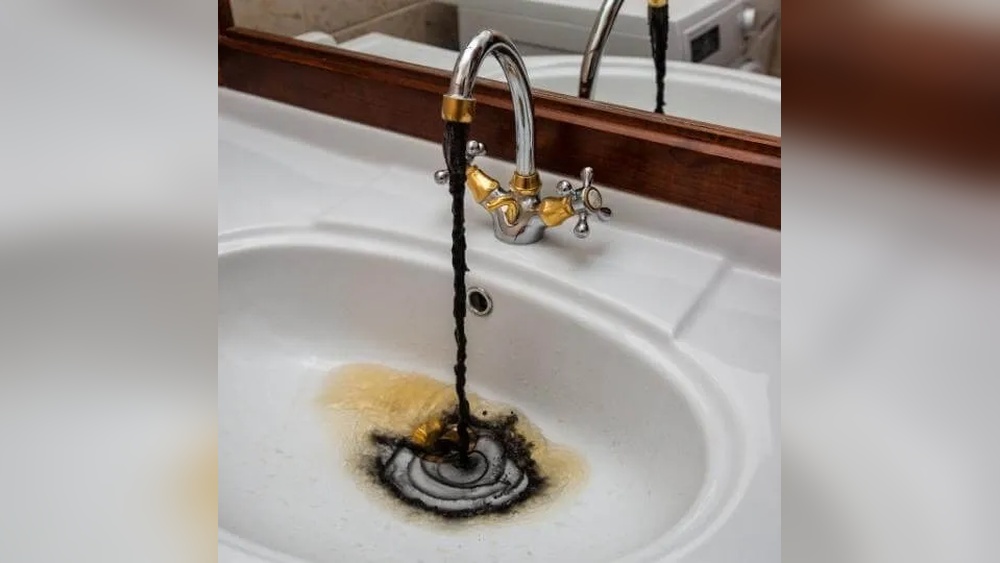
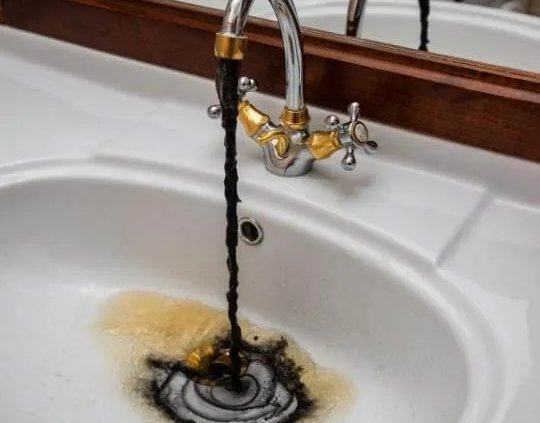
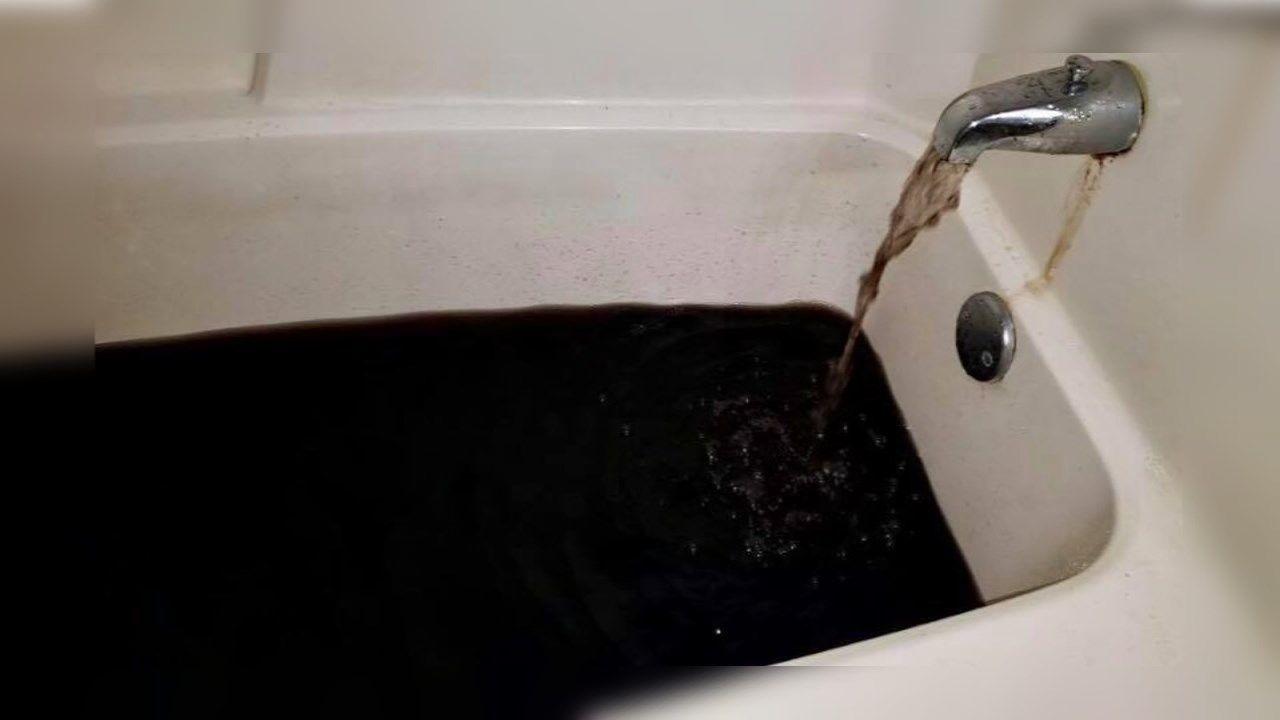
When you turn on your faucet and see black water flowing out, it can be alarming. Not only does it look dirty, but it also raises concerns about safety and plumbing health. Black water usually signals a problem with your water supply, plumbing pipes, or water heater. Fixing it requires careful steps and sometimes professional help. This article will guide you through every aspect of this issue—from causes and solutions to prevention and common myths.
Why Is Black Water Coming Out Of Your Faucet?
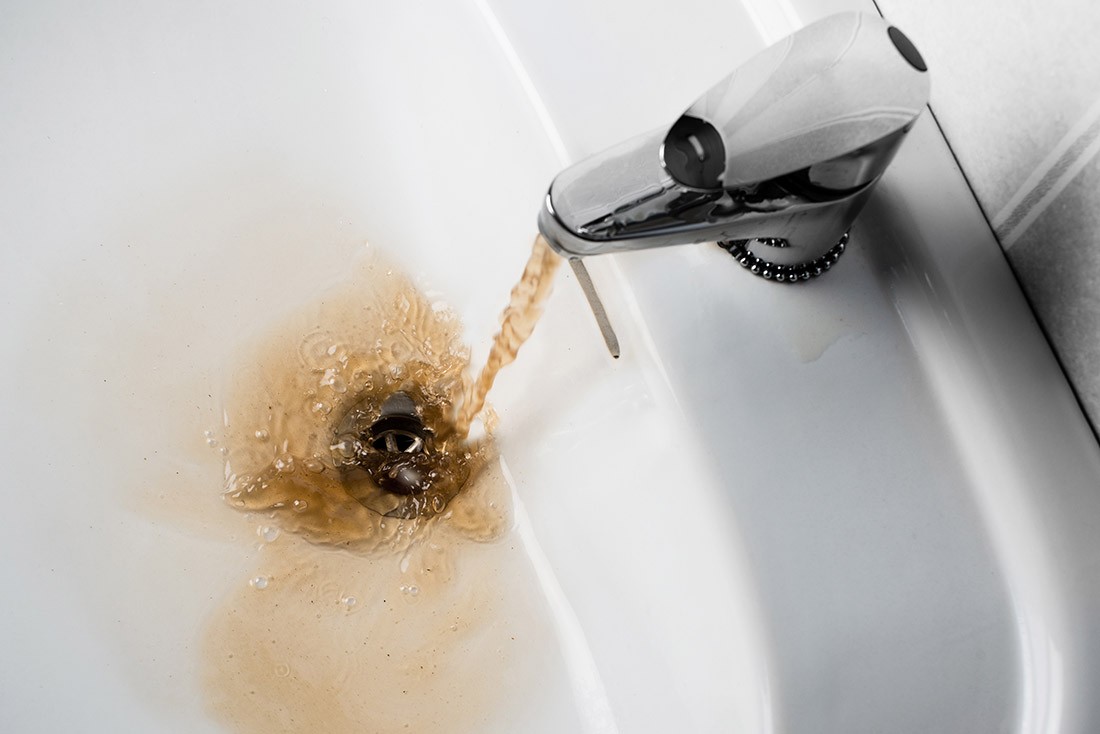
Black water is not a normal occurrence. The color comes from particles and contaminants that mix with your water. The most common sources are:
- Sediment build-up: Over time, minerals and dirt collect inside pipes and water heaters.
- Corroded pipes: Old iron or galvanized pipes can rust, releasing black flakes.
- Water main problems: Repairs or breaks in the city water line can disturb sediment.
- Faulty water filters: Carbon filters that break apart can release black particles.
- Manganese or iron: These elements, common in some water supplies, turn black when they oxidize.
Sometimes, the cause is simple and easy to fix. Other times, it can signal a serious plumbing issue.
Immediate Steps To Take When You See Black Water
Seeing black water for the first time can be stressful. Here is what you should do right away:
- Stop using the water for drinking, cooking, or bathing until you know it is safe.
- Run the cold water for a few minutes to see if it clears. Use a clean white container to check the color.
- Check multiple faucets to find out if the problem is in one area or your whole house.
- Inspect both cold and hot water. If only hot water is black, the problem is likely in the water heater.
- Contact your water provider to ask if there are repairs or flushing activities in your area.
Do not ignore black water. Even if it clears up, you should find the cause.
Credit: foukasplumbing.com
Common Causes Of Black Water And How To Diagnose Them
To fix black water, you first need to identify the source. Here are the most frequent causes and how to spot them:
1. Sediment Build-up In Pipes
Sediment includes fine particles of sand, clay, or minerals. These can collect in old pipes or after work on the water main. If your home has not been used for a while, sediment may settle and flow out when you turn on the tap.
How to diagnose: If black water appears after a long period of disuse or only when you first turn on the faucet, sediment is likely the cause.
2. Corroded Or Rusty Pipes
Older homes often have iron or galvanized pipes. Over time, the inside of these pipes can rust and flake, sending black or brown particles into your water.
How to diagnose: Black specks or flakes that feel gritty or metallic often come from old pipes. If your neighbors have similar problems, it may be a neighborhood issue.
3. Water Heater Problems
Minerals and sediment can settle at the bottom of your water heater. Over time, this build-up can cause black water, especially from the hot water tap.
How to diagnose: If only hot water is affected, or the problem is worse after using a lot of hot water, check the water heater.
4. Water Main Breaks Or Repairs
When the city does work on water lines, it can stir up sediment. This is a common cause of temporary black water.
How to diagnose: If the issue started suddenly and neighbors are affected, check with your water provider about recent repairs.
5. Faulty Water Filters
Many homes have carbon-based water filters. When these break or are past their lifespan, carbon granules can leak into your water, causing black specks.
How to diagnose: If only filtered water is black, or you see powdery black particles, replace the filter.
6. Manganese Or Iron In Water Supply
Some areas have high levels of natural manganese or iron in the water. These elements can oxidize and turn black or brown.
How to diagnose: Black water that smells metallic, or leaves black stains on sinks, may be due to minerals.
7. Recent Plumbing Work
Any recent repairs, replacement, or installation can loosen debris and send it through your pipes.
How to diagnose: If you had plumbing work done and the issue started soon after, the work may have disturbed sediment.
8. Well Water Problems
If your home uses well water, the pump can sometimes pull up sediment, especially after heavy rainfall or low water levels.
How to diagnose: Black water after storms or low well water often points to this cause.
9. Water Softener Issues
A failing water softener can sometimes release resin beads, which look like small, black, or brownish particles.
How to diagnose: Black specks that float and feel slippery may be water softener resin.
10. Bacterial Growth
In rare cases, certain bacteria can grow in water heaters or unused pipes, creating a black slime.
How to diagnose: If you notice an oily black film or foul smell, bacteria may be the cause.
How To Fix Black Water Coming Out Of Faucet
Once you know the likely cause, you can take targeted steps to fix it.
1. Flush The Pipes
Flushing helps remove loose sediment or rust.
- Open all cold water taps fully for 5–10 minutes.
- Start with the faucet closest to where water enters your home.
- Check if water clears after flushing.
2. Clean Or Replace Water Filters
If you have a filter under your sink or on your main line, check the cartridge.
- Replace old or damaged filters.
- Clean filter housings if needed.
3. Drain And Flush The Water Heater
Sediment often collects in the water heater. Draining it can solve the problem.
- Turn off the power or gas to the heater.
- Attach a hose to the drain valve.
- Open the valve and empty the tank.
- Refill and check for clear water.
If you are not comfortable, call a plumber to help.
4. Inspect And Replace Old Pipes
If you have old, rusty pipes, the long-term fix is to replace them.
- Hire a licensed plumber to inspect your pipes.
- Replace iron or galvanized pipes with copper or PEX pipes.
- Focus on pipes that supply your drinking water first.
5. Contact Your Water Provider
If the problem is neighborhood-wide, your water supplier should be involved.
- Call to report the issue.
- Ask if there are water main repairs or flushing.
- Do not use water until you know it is safe.
6. Check And Service Your Well
For well water users:
- Have your well tested for sediment and minerals.
- Clean or replace the well pump filter.
- Shock chlorinate the well if bacteria are present.
7. Address Water Softener Problems
- Check the softener for broken resin beads.
- Replace the resin bed if needed.
- Flush your pipes after repairs.
8. Remove And Sanitize Faucets
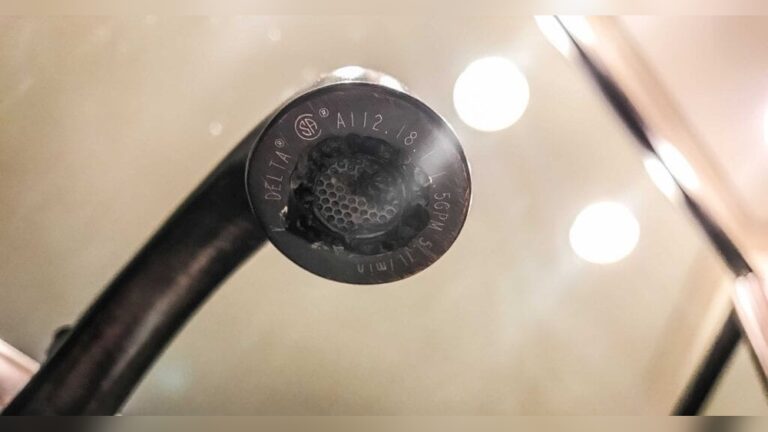
Sometimes, debris collects inside the faucet aerator.
- Unscrew the aerator (tip of the faucet).
- Clean out any black particles.
- Soak in vinegar to remove minerals.
- Reattach and run water.
9. Treat For Bacterial Growth
- Flush and disinfect unused pipes.
- For water heaters, raise the temperature to 140°F (60°C) for several hours to kill bacteria, but be cautious of scalding risks.
10. Use A Professional Plumber
Some problems need expert help:
- If water stays black after all steps
- If you suspect pipe corrosion or leaks
- If you see water damage or mold
A plumber can diagnose and fix complex issues.
Credit: heartlandinspections.com
How To Prevent Black Water In The Future
Prevention is easier and cheaper than repair. Here are some effective ways to avoid black water:
- Regularly flush your pipes and water heater. Do this at least once a year.
- Replace filters on time. Follow the manufacturer’s schedule.
- Upgrade old pipes. If your home is over 40 years old, consider replacing iron or galvanized pipes.
- Install a sediment filter on your main water line.
- Test well water yearly for minerals, bacteria, and sediment.
- Maintain your water softener with regular servicing.
- Keep records of all plumbing repairs and maintenance.
Health Risks Associated With Black Water
Most black water problems are not immediately dangerous, but you should never assume water is safe to drink if it looks dirty. Possible risks include:
- Bacterial contamination: Rare, but possible with stagnant pipes or water heaters.
- Heavy metals: Old pipes can release lead or other metals.
- Skin irritation: Sediment or particles can irritate sensitive skin.
- Staining: Black water can stain laundry and bathroom fixtures.
If you have any doubts, use bottled water for drinking and cooking until the problem is fixed.
Credit: accurateleaklocators.com
Comparing Common Causes: Which Is Most Likely?
A quick comparison of how often each cause leads to black water:
| Cause | Likelihood in Old Homes | Likelihood in New Homes |
|---|---|---|
| Sediment build-up | High | Medium |
| Corroded pipes | Very High | Low |
| Water heater problems | Medium | Medium |
| Water main breaks | Medium | Medium |
| Faulty filters | Medium | Medium |
| Manganese/Iron | Medium | Medium |
Step-by-step Troubleshooting Guide
Follow this process to find and fix your black water problem:
- Run only cold water to see if both hot and cold are affected.
- Inspect all faucets: Is it one room, or the whole house?
- Check the water filter: Remove and test water without the filter.
- Flush the system: Run water for 5–10 minutes.
- Drain water heater: If only hot water is black.
- Contact neighbors: Are they seeing the same problem?
- Call your water provider: For city-wide issues.
- Test your well: If you use well water.
- Replace or clean aerators: On affected faucets.
- Call a plumber: If none of the above works.
Signs That You Need A Plumber
Sometimes, DIY fixes are not enough. Here are signs you need professional help:
- Water stays black for more than 24 hours
- Low water pressure
- Visible leaks or water stains
- Water smells bad or tastes metallic
- Old pipes and repeated black water issues
- High levels of lead or bacteria found in tests
A licensed plumber can test your water, inspect pipes, and suggest lasting solutions.
How To Test Your Water For Safety
Testing your water is a smart move if you see black water. You can:
- Buy a home water test kit: These test for metals, bacteria, and minerals.
- Send a sample to a certified lab: More accurate, especially for heavy metals.
- Ask your water provider for reports: They must share water quality data if you use city water.
If you use well water, yearly testing is essential.
The Cost Of Fixing Black Water Issues
The cost depends on the cause and the fix needed. Here’s a general comparison:
| Problem | DIY Cost Range | Professional Cost Range |
|---|---|---|
| Flush pipes | $0 (your time) | $80–$150 |
| Replace water filter | $10–$50 | $50–$120 |
| Drain water heater | $0–$20 | $100–$300 |
| Replace old pipes | Not recommended | $2,000–$15,000 |
| Well water test | $30–$100 | $100–$300 |
Non-obvious insight: Many homeowners try to flush pipes without checking faucet aerators. Often, cleaning the aerator solves the problem if only one faucet is affected.
Myths About Black Water
There are some common misconceptions about black water:
- Myth: It’s always safe if it clears up quickly. Not true—dangerous metals can be present even if water looks clean.
- Myth: Only old homes get black water. New homes can have issues, especially after plumbing work.
- Myth: Bottled water is always safer. Some bottled water lacks minerals or may even be contaminated if not from a trusted source.
- Myth: You can ignore black water if you’re not drinking it. It can still stain clothes, damage appliances, and signal bigger problems.
Real-life Example
A family in an older house noticed black water only from their bathroom faucet. After flushing the pipes and replacing the filter with no results, they unscrewed the faucet aerator. Inside, they found black grit—pieces of old rubber washer breaking apart. Replacing the washer and cleaning the aerator solved the problem immediately. This shows it’s important to check small parts, not just big systems.
Professional Plumbing Standards
According to the American Water Works Association, regular pipe maintenance and water quality checks are essential for safe water. Cities often flush hydrants to reduce sediment, but homeowners need to maintain their private plumbing.
For more on professional water standards, see the official EPA Drinking Water Regulations.
Frequently Asked Questions
Why Is Only My Hot Water Coming Out Black?
If only your hot water is black, the most likely cause is sediment build-up or bacteria inside the water heater. Draining and flushing the heater usually fixes this problem.
Is Black Water Dangerous To Drink?
Black water can be unsafe, especially if it contains bacteria, heavy metals, or chemicals. Do not drink or cook with black water until the cause is confirmed and fixed.
Can I Fix Black Water Myself, Or Do I Need A Plumber?
You can try flushing pipes, cleaning aerators, and replacing filters yourself. If the water stays black after these steps, or you suspect corroded pipes or major plumbing issues, call a plumber.
How Long Does It Take For Black Water To Clear?
If the problem is due to sediment from city repairs or a one-time event, black water may clear in a few hours after flushing. If it persists for more than 24 hours, investigate further.
Will Black Water Stain My Sinks And Clothes?
Yes, black water can leave stains on sinks, tubs, and laundry. Avoid using appliances until the water runs clear.
Black water coming from your faucet is a warning sign you should not ignore. By following these steps—diagnosing the cause, using the right fix, and preventing future problems—you can keep your water safe and your plumbing in good shape. If in doubt, always get help from a licensed plumber or water expert.