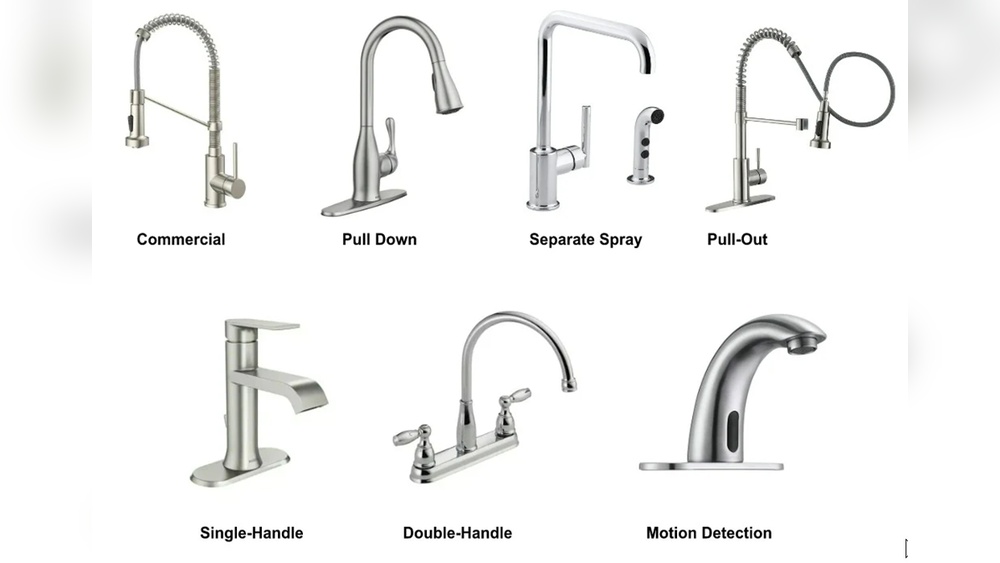
Single Handle Vs Double Handle Kitchen Faucet: Which Is Best?
Choosing between a single handle and double handle kitchen faucet may look simple, but the decision can change your daily kitchen life. Water temperature, design, installation, and even cleaning all depend on this choice. Many homeowners get stuck, not realizing how much these two faucet types differ.
If you’re planning a kitchen upgrade or building a new home, understanding these differences is crucial. This article breaks down every aspect, from convenience and cost to style and durability, so you’ll be ready to pick the right faucet for your needs.
What Is A Single Handle Kitchen Faucet?
A single handle kitchen faucet uses just one lever or knob to control both water flow and temperature. Move the handle to one side for hot water, to the other for cold, or balance it for warm. The single handle design first became popular in the 1950s and has evolved with modern technology and style.
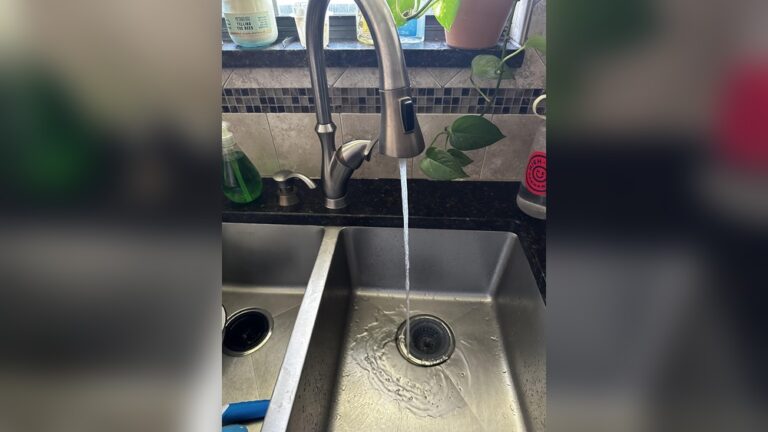
Single handle faucets come in many forms: pull-down, pull-out, touchless, and standard. Most models require just one or two holes in your countertop or sink. The design is sleek, which fits well in both modern and traditional kitchens.
How It Works
The handle lifts to increase water flow and moves side to side to adjust the temperature. Underneath, a mixing valve blends hot and cold water before it reaches the spout.
Common Features
- Easy one-hand operation
- Compact design
- Quick installation
- Swivel spouts for double sinks
What Is A Double Handle Kitchen Faucet?
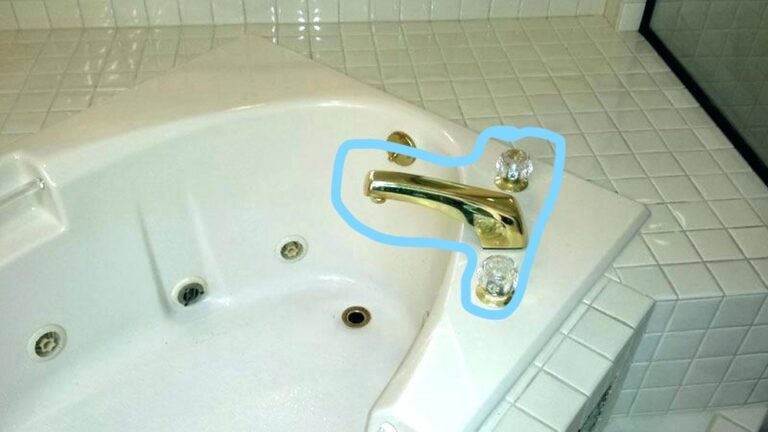
A double handle kitchen faucet has two separate handles: one for hot, one for cold. Each handle controls water flow and temperature for its side. To get warm water, you adjust both handles until you find the right mix. This classic design is often seen in older homes but is still popular today.
Double handle faucets often need three holes (sometimes four) in your countertop or sink: one for each handle and one for the spout. They come in styles ranging from vintage bridge faucets to modern, angular designs.
How It Works
Each handle connects to its own water supply line—one hot, one cold. Turning a handle opens a valve, letting water flow into the spout. The water mixes in the spout or just before.
Common Features
- Precise temperature control
- Symmetrical look
- Variety of handle styles
- Two separate valves for extra durability
Design And Style Considerations
When choosing a faucet, design matters as much as function. Both single and double handle faucets offer a range of styles, but there are key differences.
Single Handle Styles
Single handle faucets tend to have a minimalist appearance. Their compact base works well in small kitchens or with smaller sinks. They are also popular in modern and contemporary kitchens due to their clean lines.
You’ll find single handle models in:
- Pull-down and pull-out spouts
- Touchless or motion sensor versions
- High arc or low arc shapes
Double Handle Styles
Double handle faucets often look more traditional or classic. The two handles can be round, lever-shaped, or cross-shaped. They’re perfect for farmhouse, cottage, or vintage-inspired kitchens. Some modern double handle designs blend traditional shape with contemporary finishes.
Common double handle variations include:
- Bridge faucets with exposed piping
- Widespread designs (handles and spout are separate)
- Wall-mounted options
Customization
Double handle faucets usually offer more opportunities for customization. You can often mix and match handles and spouts, or choose finishes that match your cabinet hardware.
Installation Differences
The way a faucet is installed affects both labor and cost. Here’s what you need to know:
Single Handle Installation
Most single handle faucets require just one hole, but some need two (one for the handle, one for the sprayer). If you’re replacing an old faucet, check the number of holes in your sink or countertop.
Benefits:
- Fits in smaller spaces
- Less drilling or modification
- Faster installation
Potential Drawbacks:
- If you have extra holes, you may need a deck plate to cover them
Double Handle Installation
Double handle faucets usually need three or four holes. This means more work if your sink or countertop only has one or two holes. Installation takes longer because you must connect separate supply lines for each handle.
Benefits:
- Easier to replace in older kitchens (if holes already exist)
- More secure mounting for larger or heavier faucets
Potential Drawbacks:
- More complex installation process
- May require professional help
Quick Comparison
| Feature | Single Handle | Double Handle |
|---|---|---|
| Number of Holes | 1-2 | 3-4 |
| Installation Time | Shorter | Longer |
| DIY Friendly | Yes | Sometimes |
| Deck Plate Needed | Sometimes | No |
Convenience And Ease Of Use
How easy is it to use the faucet every day? This is where the differences become clear.
Single Handle Faucets
Single handle faucets are famous for convenience. You can control water flow and temperature with one hand—or even an elbow if your hands are dirty. This is helpful when cooking, washing up, or handling raw meat.
For families with children, single handle faucets are safer. Kids can’t accidentally turn on only hot water. The handle can be set to a warm middle position, reducing the chance of burns.
Some single handle faucets include touchless technology. Just wave your hand or a pot under the spout to start the water. This keeps handles clean and is great for hygiene.
Double Handle Faucets
Double handle faucets offer precise control over water temperature. If you want exactly the right warmth for washing vegetables, you can adjust each handle until it’s perfect. This is useful for tasks where water temperature matters.
However, double handle faucets need two hands (or at least two motions) to operate. This can be tricky if you’re holding a pan or your hands are messy.
Cleaning And Maintenance
Single handle faucets are easier to clean. There are fewer nooks and crannies, and no handles to trap dirt. Double handle faucets, with more parts and crevices, take longer to wipe down.
Water Temperature And Flow Control
How you control water temperature and flow can make a big difference in the kitchen.
Single Handle
With a single handle, you adjust both temperature and flow in one motion. This makes getting the right mix quick and easy. However, it can be harder to make tiny changes—sometimes, moving the handle a little adjusts both flow and temperature.
Some people find that single handle faucets take a few seconds to get the temperature just right. This can waste a little water over time.
Double Handle
Double handle faucets allow for fine-tuned adjustments. Each handle controls only hot or cold, so you can make very small changes. This is helpful for tasks like making baby formula or blanching vegetables.
A common beginner mistake is not realizing you need to use both handles for warm water. Some users leave both handles partly open, which can waste water if not closed fully.
Water Pressure
Both types offer similar water pressure. However, double handle faucets may maintain pressure better if only one side is open. Some single handle models can lose pressure if the mixing valve wears out.
Durability And Maintenance
Faucet durability depends on materials, brand, and usage, but the mechanism also matters.
Single Handle Durability
Single handle faucets use a mixing cartridge or ball valve. These parts are reliable but can wear out over time, especially if water contains minerals. Replacing a cartridge is usually simple and not expensive.
Fewer moving parts means fewer places for leaks to develop. Most repairs involve swapping out the cartridge or tightening the handle.
Double Handle Durability
Double handle faucets have two separate valves. If one leaks, you can often use the other handle until repairs are made. The valves (ceramic, compression, or ball type) are generally tough, but more parts mean more things that can go wrong.
Replacing washers or cartridges is a common task. In older homes, you may find worn-out valve seats that need replacing.
Lifespan
Well-made faucets of both types can last 10-20 years or longer. Regular cleaning, avoiding harsh chemicals, and fixing leaks quickly will extend lifespan.
Common Problems
- Single handle: Stiff handle, dripping spout, loose lever.
- Double handle: Dripping from one side, hard-to-turn handles, leaks at base.
Cost Comparison
Price is often a key factor in choosing a faucet. Both types come in a range of prices, from under $50 to over $500 for luxury models.
Single Handle Cost
Single handle faucets are usually a bit less expensive than double handle models. The simpler mechanism and easier installation can reduce labor costs.
Basic models start around $40-70. Mid-range options with pull-out sprayers or touchless features run $100-250. High-end designer faucets can reach $400 or more.
Double Handle Cost
Double handle faucets are often slightly more expensive, especially for high-quality bridge or widespread designs. More parts and a more complex installation add to the cost.
Basic double handle faucets start near $60-90. Mid-range models are $120-300. Designer bridge faucets or custom finishes can easily exceed $500.
Installation Costs
Professional installation for a single handle faucet is usually $100-200. Double handle installation ranges from $150-300, depending on plumbing complexity.
Maintenance Costs
Both types need occasional repairs. Expect to pay $10-30 for a cartridge or washer, or $80-150 for a plumber if you’re not doing it yourself.
Space And Sink Compatibility
Not all sinks fit all faucets. Here’s what you need to check:
Sink Holes
Single handle faucets fit in one or two holes. If your sink has three or four holes, you’ll need a deck plate to cover the extras, or you can add a soap dispenser.
Double handle faucets generally need three or four holes. If your sink has only one or two, you’ll have to drill new holes or pick a different faucet.
Countertop Clearance
Single handle faucets are better for tight spaces. Their compact base means they fit well in small kitchens or sinks close to walls.
Double handle faucets need more room for the handles to turn, so make sure your sink and countertop have enough space.
Spout Reach And Height
Both types come with different spout heights and reaches. If you use large pots or deep sinks, look for a high arc or extendable spout.
Cleaning And Hygiene
Kitchens get messy. Faucet design affects how easy it is to keep things clean.
Single Handle Faucets
With just one handle and a smooth base, single handle faucets are easier to wipe down. Fewer parts means less chance for dirt and grime to hide. Touchless models reduce the number of times you touch the handle with dirty hands.
Double Handle Faucets
Double handle faucets have more joints and grooves. Food, water spots, and soap residue can collect around the handles. Cleaning takes a little longer and may require a brush for tight spots.
Extra Insight
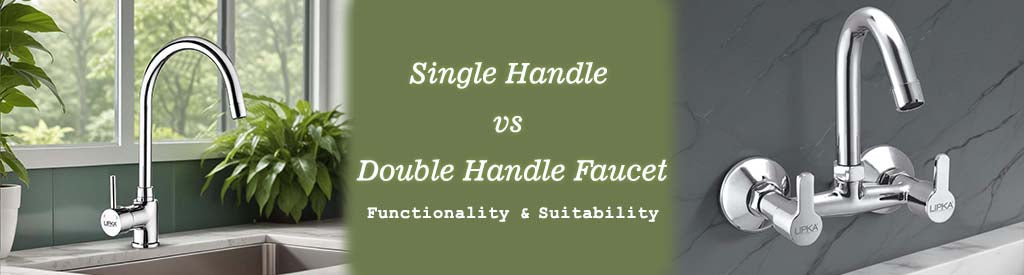
Many people forget to clean under the handles or around the base. Over time, this can lead to mineral buildup or even leaks. Whichever type you choose, regular cleaning extends your faucet’s life.
Credit: lipkahome.com
Technology And Features
Modern faucets offer more than just hot and cold water. Here’s what’s available in each style.
Single Handle Technology
- Touchless controls: Wave to turn water on or off.
- Pull-down/pull-out sprayers: Flexible cleaning.
- Magnetic docking: Keeps sprayer in place.
- 360-degree swivel: For double sinks.
Double Handle Features
- Side sprayers: Separate sprayer on the side.
- Bridge design: Exposed bridge between handles and spout.
- Separate filtration faucets: For filtered drinking water.
Limitations
Touchless and high-tech features are more common in single handle faucets. Double handle faucets focus more on style and finish options.
Water Efficiency
Saving water is important for your wallet and the environment.
Single Handle Efficiency
Single handle faucets can be more water efficient because it’s easier to turn them off quickly. Touchless models are even better—they only run when your hands are under the spout.
Double Handle Efficiency
Double handle faucets can be less efficient if you leave both handles partly open, or if you take longer to adjust the temperature each time you use them.
Regulations
Both faucet types must meet U. S. EPA WaterSense standards (max 1. 8 gallons per minute) in new models. Always check for this label when buying.
Pros And Cons: Side-by-side
A direct comparison helps highlight the major differences.
| Feature | Single Handle Faucet | Double Handle Faucet |
|---|---|---|
| Ease of Use | Very easy, one hand | Two hands, more steps |
| Temperature Control | Fast, less precise | Highly precise |
| Installation | Simple, fewer holes | Complex, more holes |
| Cleaning | Easy, fewer parts | Harder, more nooks |
| Styles | Modern, minimal | Classic, traditional |
| Repairs | Fewer, simple | More, can be complex |
| Water Efficiency | High, especially touchless | Depends on user |
| Cost | Usually lower | Usually higher |
Which Should You Choose?
The best faucet depends on your kitchen habits, style, and budget. Here are some scenarios to help you decide:
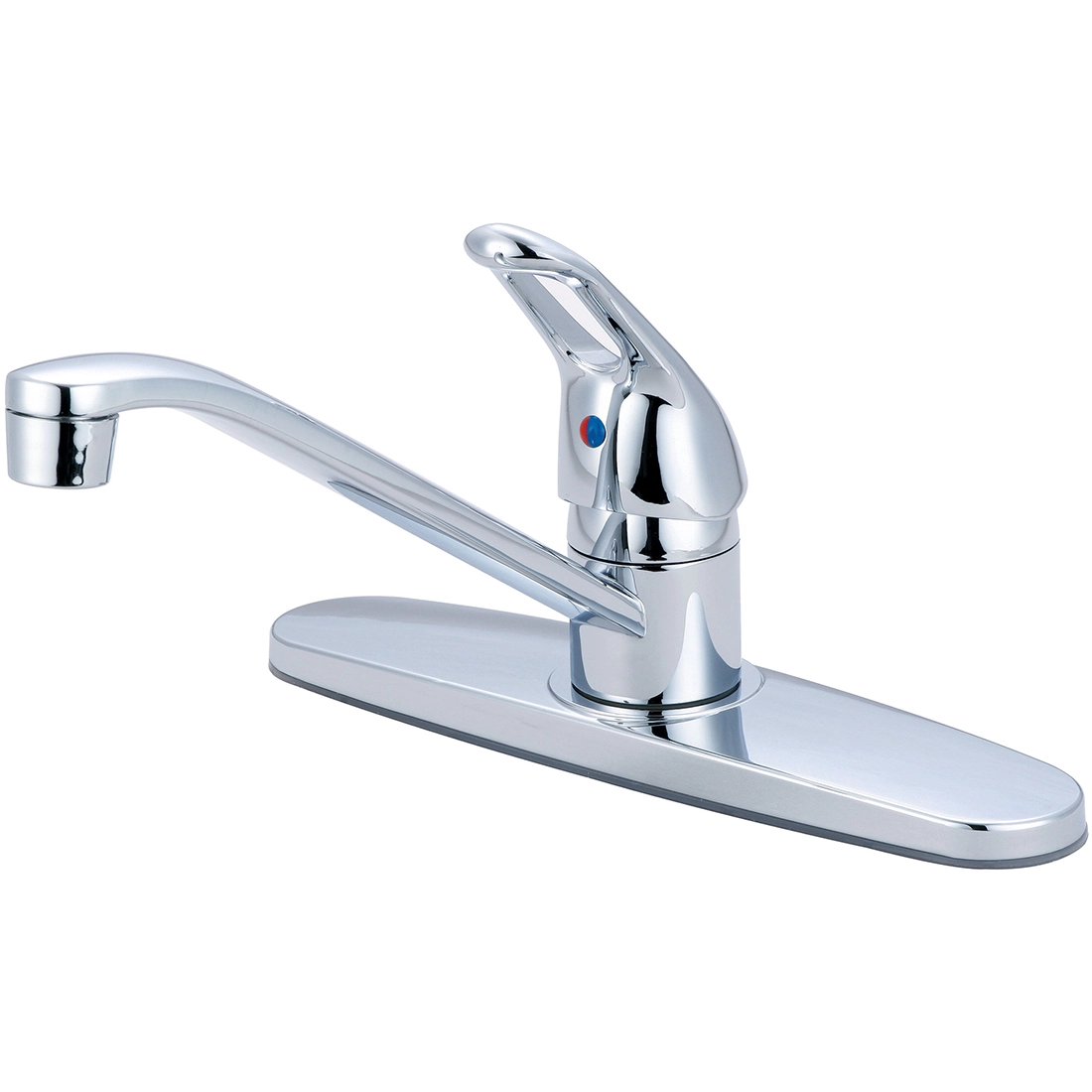
- If you want fast, one-handed operation and a modern look, go for a single handle faucet. It’s also the best choice for families with young children or people with limited mobility.
- If you prefer precise temperature control and enjoy a classic or vintage style, a double handle faucet may suit you better.
- For small kitchens or sinks with only one hole, single handle faucets are easier to install.
- If you’re updating an older kitchen with three or four sink holes, a double handle faucet will fit without extra work.
- If you care about easy cleaning and hygiene, single handle (especially touchless) faucets are best.
Credit: pioneerind.com
Non-obvious Insights For First-time Buyers
- Many buyers don’t consider future repairs. Single handle faucets are often easier to fix yourself, with inexpensive parts. Double handle faucets may require a plumber, especially in older models.
- Water pressure can feel different with each type. If you have low water pressure in your area, test both types in a showroom before buying.
- Think about who will use the faucet. Elderly users or children may struggle with double handle designs.
- Resale value matters. In upscale homes, a designer double handle bridge faucet can increase kitchen appeal, while in modern condos, a sleek single handle is more attractive.
- Hard water can affect both types, but it’s easier to clean mineral buildup off single handle models.
Real-world Examples
- A family with three kids chose a single handle pull-down faucet with a touch feature. They loved that the kids could wash hands without making a mess.
- A chef installed a double handle bridge faucet in a farmhouse kitchen. She appreciated the vintage look and precise temperature for blanching vegetables.
- In a rental apartment, the owner picked a single handle faucet for easy maintenance and lower cost.
- A couple remodeling an old home selected a double handle widespread faucet to fit the existing three-hole sink.
Environmental Impact
Every faucet affects water use and waste. Touchless single handle faucets can save up to 30% more water compared to manual models, according to the EPA. Double handle faucets may waste water if not turned off completely.
When replacing a faucet, recycle old metal parts. Choose models with lead-free certification for healthier water.
Future Trends
Smart technology is changing kitchen faucets. More single handle models now have:
- Voice activation (“Turn on the water at 100°F”)
- App-controlled usage tracking
- LED temperature indicators
Double handle faucets are seeing new finishes and creative handle designs, but less high-tech innovation.
For more about faucet technology trends, visit the EPA WaterSense program.

Credit: lipkahome.com
Frequently Asked Questions
What Is The Main Difference Between A Single Handle And A Double Handle Kitchen Faucet?
The main difference is how you control water temperature and flow. Single handle faucets use one lever to adjust both, while double handle faucets use two separate handles—one for hot, one for cold.
Which Type Of Faucet Is Easier To Install For Beginners?
Single handle faucets are usually easier and faster to install. They often fit in one hole and have fewer connections. Double handle faucets need more holes and extra plumbing work.
Are Single Handle Faucets Less Durable Than Double Handle Faucets?
Not necessarily. Durability depends on materials and brand, not just the number of handles. Both types can last many years if maintained properly.
Which Faucet Is Better For Families With Children?
Single handle faucets are safer and simpler for kids. They reduce the risk of burns, and some models have safety stops to limit hot water.
Can I Replace A Double Handle Faucet With A Single Handle Faucet?
Yes, but you may need a deck plate to cover extra holes in your sink or countertop. Make sure the new faucet fits your existing sink holes.
Choosing between a single and double handle kitchen faucet is not just about style—it’s about daily use, maintenance, and what fits your kitchen best. With the right information, you can make a smart choice that lasts for years.