
How Long Do Kitchen Faucets Last? Lifespan & Replacement Tips
A kitchen faucet is one of the most-used fixtures in any home. It’s turned on for washing hands, rinsing food, filling pots, and cleaning up messes. But like all things, faucets don’t last forever. Homeowners often wonder: how long do kitchen faucets last? The answer isn’t just a simple number. The lifespan of a kitchen faucet depends on many factors—materials, usage, water quality, care, and even the type of faucet you choose.
Knowing what affects your faucet’s life helps you plan replacements, avoid leaks, and even save money. In this article, you’ll get clear answers, practical advice, and expert insights about how long kitchen faucets last, how to make them last longer, when to replace them, and how to choose the right one for your needs.
Whether you’re a new homeowner or thinking about updating your kitchen, this guide will help you make smart decisions.
What Is The Average Lifespan Of A Kitchen Faucet?
Most kitchen faucets last between 10 to 15 years. This is the typical range for modern faucets found in homes today. However, it’s not unusual for some models to last 20 years or more with proper care. On the other hand, some may need replacement in less than 10 years if used heavily or if maintenance is ignored.
Why is there such a big range? The reason is that many things affect how long a kitchen faucet lasts:
- Material quality: Brass and stainless steel last longer than plastic or zinc.
- Water quality: Hard water can wear out parts faster.
- Frequency of use: A large family uses the faucet more than someone living alone.
- Installation quality: A poorly installed faucet can develop leaks or loosen faster.
- Maintenance: Cleaning and fixing small problems early extends life.
A well-made faucet in a home with soft water, used carefully, and cleaned regularly can easily last past the 15-year mark. But a cheap faucet in a busy kitchen with hard water may need replacement much sooner.
What Factors Affect Kitchen Faucet Lifespan?
Understanding what influences your faucet’s life is key to getting the most out of it. Here are the main factors that determine how long your kitchen faucet will last:
1. Material Of The Faucet
The material is the foundation of durability.
- Solid brass faucets are the most durable. Brass resists corrosion and handles constant use well.
- Stainless steel is also strong, rust-resistant, and lasts long.
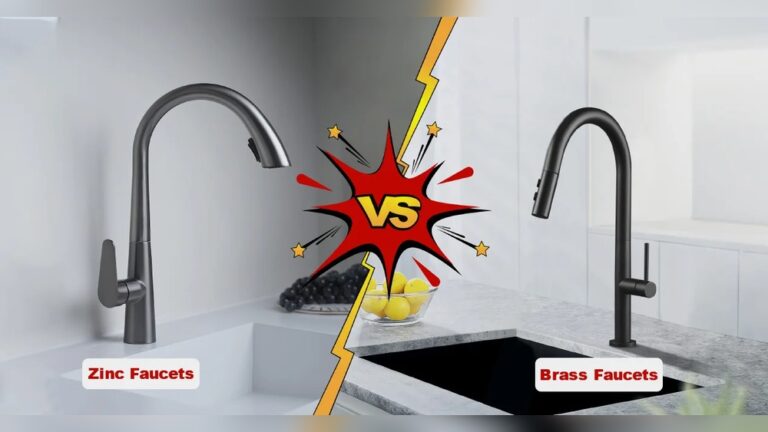
- Zinc alloy is less expensive but doesn’t last as long as brass or steel.
- Plastic faucets are the cheapest and usually wear out the fastest.
2. Type Of Valve
The valve controls water flow and is the heart of the faucet.
- Ceramic disc valves are the most reliable and can last decades with few problems.
- Compression valves are older and wear out faster, especially with hard water.
- Ball and cartridge valves are common and usually last many years but may need new seals or cartridges after a while.
3. Water Quality
Hard water has high mineral content, which can cause limescale buildup. This buildup damages valves, aerators, and seals. If your water is hard, your faucet may need more frequent cleaning or repairs.
4. Frequency And Type Of Use
A faucet in a home with three kids and a busy kitchen will see more wear than one in a single-person apartment. Turning the handle with force, swinging the spout too fast, or using the faucet as a support can all shorten its life.
5. Installation Quality
A faucet that’s not installed correctly may leak, wobble, or break earlier. Using the right tools and following instructions is essential.
6. Maintenance Habits
Regular cleaning, fixing drips quickly, and changing washers or cartridges before leaks become serious will greatly lengthen your faucet’s life.
7. Brand Reputation
Well-known brands like Moen, Delta, and Kohler are famous for quality parts and good warranties. Lesser-known brands may use cheaper materials.
8. Kitchen Environment
A hot, humid kitchen or one with lots of grease and food particles in the air can affect the faucet’s finish and internal parts.
Non-obvious insight: Many homeowners overlook the effect of water pressure. Extremely high water pressure can wear out seals and washers much faster than normal pressure. If your faucet leaks often, checking your home’s water pressure can prevent repeated problems.
Credit: www.homedepot.com
How Do Different Faucet Types Compare In Lifespan?
Not all kitchen faucets are created equal. Let’s look at how common types compare in terms of average lifespan and what makes each one last longer or wear out faster.
| Faucet Type | Average Lifespan | Durability Factors |
|---|---|---|
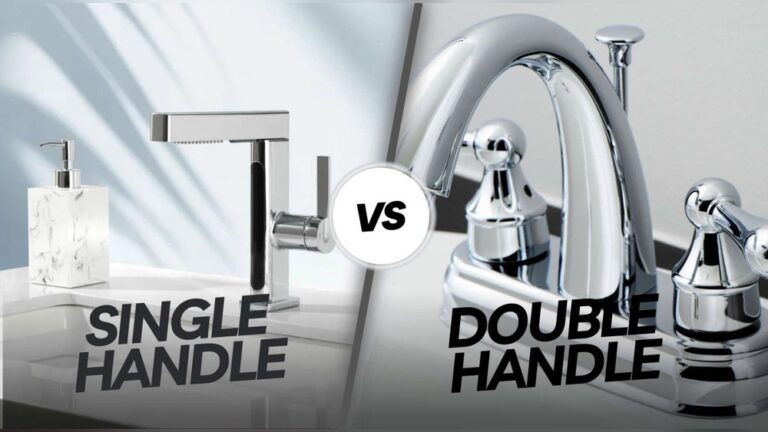
| Single-Handle | 10–15 years | Simple design, fewer moving parts |
| Double-Handle | 12–18 years | Separate hot/cold controls, more parts to maintain |
| Pull-Down / Pull-Out | 8–15 years | Spray head hoses may wear out faster |
| Touchless / Sensor | 5–10 years | Electronics can fail, batteries need replacing |
| Commercial-Style | 12–20 years | Heavy-duty build, designed for frequent use |
Touchless faucets look modern but often have a shorter life due to electronic sensors and batteries. On the other hand, double-handle and commercial-style faucets, built for hard work, can last the longest if maintained well.
Non-obvious insight: The hose inside a pull-down faucet is often the first thing to fail, not the main valve or spout. Replacing just the hose is much cheaper than buying a new faucet.
Signs Your Kitchen Faucet Needs Replacement
No faucet lasts forever. Sometimes, repair is possible, but other times, replacement is the smarter choice. Watch for these signs:
1. Persistent Leaks
A small drip can often be fixed by replacing a washer or cartridge. But if leaks return often, or the faucet is leaking from the base or under the sink, it may be time for a new one.
2. Rust And Corrosion
If you see rust or the finish is flaking off, it’s a sign the faucet’s material is breaking down. This can lead to water contamination.
3. Difficult Operation
If handles are hard to turn or the spout is stiff, internal parts may be worn out. Sometimes cleaning helps, but if it doesn’t, a new faucet is needed.
4. Low Water Pressure
A drop in pressure may mean a blocked aerator, but it can also signal mineral buildup inside the faucet body itself. If cleaning doesn’t help, replacement may be the only option.
5. Loose Faucet
A faucet that wobbles or shifts no matter how tightly it’s mounted usually has worn-out parts underneath.
6. Outdated Design
Sometimes, you just want a more modern look or features like touchless activation or a pull-down sprayer. If your faucet is more than 15 years old, you’ll find new models use water more efficiently too.
7. Mold Or Mineral Buildup
White, green, or brown deposits around the base or on the spout are signs of hard water damage. If it’s too severe, it’s better to replace than to keep cleaning.
Practical tip: If your faucet is leaking into the cabinet below, this is often a sign of a crack or major failure. Replacement is safer than repeated repairs.
Credit: faucetexpress.ca
How To Make Kitchen Faucets Last Longer
You can’t make a faucet last forever, but these steps will help you get the most years from your investment:
- Clean regularly with mild soap and a soft cloth. Avoid abrasive cleaners that scratch the finish.
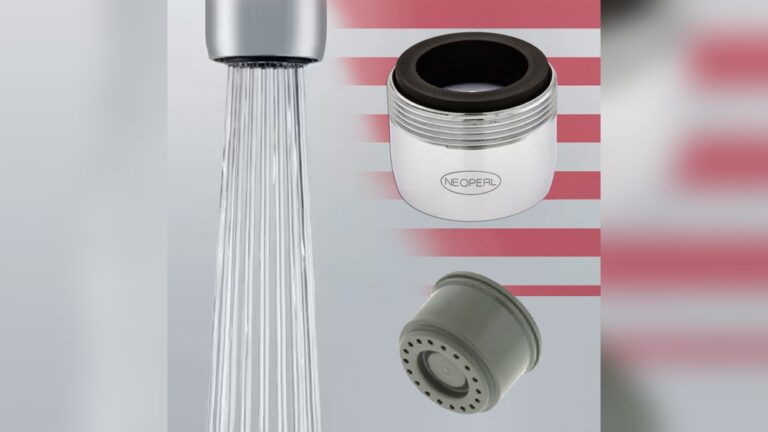
- Remove mineral buildup by soaking the aerator in vinegar every few months.
- Fix drips early. A small leak, if ignored, can damage internal parts and even your cabinet.
- Check water pressure. If it’s above 80 psi, install a pressure regulator to avoid stress on the faucet.
- Replace washers and cartridges as soon as you notice leaks or drips.
- Use gently. Don’t swing the spout too hard or hang heavy pots from it.
- Address hard water by installing a water softener or descaling system if needed.
- Lubricate moving parts (like the spout base) once a year with plumber’s grease.
Experience-based advice: Faucets with lifetime warranties are often worth the higher price. Brands that offer these warranties usually have better support and replacement parts, saving you money and trouble over time.
Comparing Faucet Materials: Which Lasts Longest?
The material of your kitchen faucet makes a big difference in how long it will last. Here’s a comparison to help you choose wisely:
| Material | Durability | Corrosion Resistance | Common Issues |
|---|---|---|---|
| Brass | Excellent (15–20 years) | Very High | More expensive |
| Stainless Steel | Excellent (15–20 years) | High | Shows water spots |
| Zinc Alloy | Moderate (5–10 years) | Medium | Less strong, can corrode |
| Plastic | Poor (2–5 years) | Low | Cracks, stains, wears quickly |
Brass and stainless steel are the best choices for long life. While they may cost more at first, they save money in the long run. Zinc and plastic are fine for quick fixes or low-use kitchens but don’t expect them to last more than a few years.
Practical insight: Some faucets use a brass body but cover it with a cheaper finish. Over time, the finish can wear away, exposing the brass underneath. Always check what’s under the surface, not just the color.
How To Choose A Long-lasting Kitchen Faucet
If you want a faucet that will serve you for many years, don’t just pick the first one you see. Here’s what to look for:
1. Pick A Reputable Brand
Brands like Delta, Moen, and Kohler are known for quality and good warranties. They also make it easy to find replacement parts years later.
2. Check The Materials
Look for solid brass or stainless steel construction. Avoid all-plastic units, especially for the main body.
3. Choose The Right Valve
Ceramic disc valves are the best for long-term durability. They rarely leak or wear out.
4. Go For A Simple Design
The more moving parts, the more things can break. Simple single-handle or standard double-handle models usually last longer than complex touchless or pull-out faucets.
5. Consider Your Water
If you have hard water, look for faucets with easy-to-clean aerators and parts. Some brands offer models designed to resist mineral buildup.
6. Read The Warranty
A lifetime warranty is a strong sign that the faucet is built to last.
7. Ask About Replacement Parts
Make sure you can easily buy new cartridges, aerators, or hoses in your country. Some brands make it difficult to get parts after a few years.
Straight-to-the-point tip: If you’re torn between two faucets, choose the one with better materials and a longer warranty. The difference in price is usually small compared to the cost and hassle of early replacement.
Common Mistakes That Shorten Faucet Life
Sometimes faucets fail earlier than expected because of avoidable mistakes. Here are the most common ones:
- Over-tightening handles or using too much force to shut off water wears out seals and valves.
- Ignoring small leaks lets water damage the inside of the faucet and your cabinet.
- Using harsh cleaners can strip the finish and encourage rust.
- Not cleaning aerators allows minerals to block water flow and increase pressure on parts.
- Letting water pressure stay too high puts stress on the faucet’s inner workings.
- Choosing style over substance—a beautiful but poorly made faucet won’t last.
Pro insight: Many people forget to flush their new faucet after installation. Running water for a few minutes removes debris that could scratch the valve seats and cause early leaks.
Cost Of Repair Vs. Replacement
Should you repair or replace your faucet? Here’s a quick comparison to help you decide:
| Situation | Repair Cost | Replacement Cost | Recommendation |
|---|---|---|---|
| Leaky handle or spout | $10–$50 (parts) | $100–$300 (new faucet + labor) | Repair if faucet is under 10 years old |
| Severe corrosion or rust | $50–$80 (may not last) | $150–$400 | Replace |
| Loose base or spout | $0–$50 (tighten, new gasket) | $100–$300 | Repair if possible |
| Frequent leaks or very old faucet | $20–$100 (repeated repairs) | $150–$500 | Replace |
If your faucet is less than 10 years old, repair is often worth it. But if it’s older, has multiple problems, or uses hard-to-find parts, a new faucet is usually the better investment.
Environmental Impact: Should You Replace An Old Faucet?
Older faucets often use more water than newer, water-saving models. If your faucet is over 15 years old, replacing it can help the environment and lower your water bill.
Fact: Modern kitchen faucets in the US are limited to 2.2 gallons per minute (GPM). Many older faucets use 3–5 GPM. Replacing an old faucet can cut water use by up to 40%.
You can find more about water efficiency standards at the EPA WaterSense page.
When Is It Time To Call A Professional?
While many repairs are simple, some problems need expert help:
- If the faucet is leaking under the sink or the cabinet is getting wet, call a plumber.
- If you can’t remove mineral deposits, or parts are stuck or broken, professional tools are needed.
- If you’re installing a high-end or touchless faucet, expert installation avoids problems with sensors and electronics.
- If water pressure problems affect other fixtures, it may be a bigger plumbing issue.
Trying to fix complex issues yourself can lead to bigger leaks and expensive damage.
Frequently Asked Questions
How Often Should I Replace My Kitchen Faucet?
Most kitchen faucets last 10 to 15 years. If your faucet is leaking, corroded, or hard to use, it’s time to replace it—even if it’s younger.
What Is The Most Durable Kitchen Faucet Material?
Solid brass and stainless steel are the most durable materials. They resist corrosion and can last 15 to 20 years or more with proper care.
Can I Repair A Leaking Kitchen Faucet Myself?
Yes, many leaks are caused by worn washers or cartridges, which you can replace with basic tools. But if leaks return often or parts are badly corroded, replacement is better.
Does Hard Water Damage Kitchen Faucets?
Yes, hard water causes mineral buildup that can block valves and reduce faucet life. Cleaning aerators and using vinegar helps, but a water softener gives the best protection.
Is It Worth Buying An Expensive Kitchen Faucet?
A high-quality faucet with a lifetime warranty may cost more at first but lasts much longer and is easier to repair. Cheap faucets often need early replacement and cost more in the long run.
A kitchen faucet may seem simple, but it plays a big role in your daily life. By choosing wisely, caring for your faucet, and knowing when to repair or replace, you can enjoy trouble-free use for many years.
Credit: www.homedepot.com