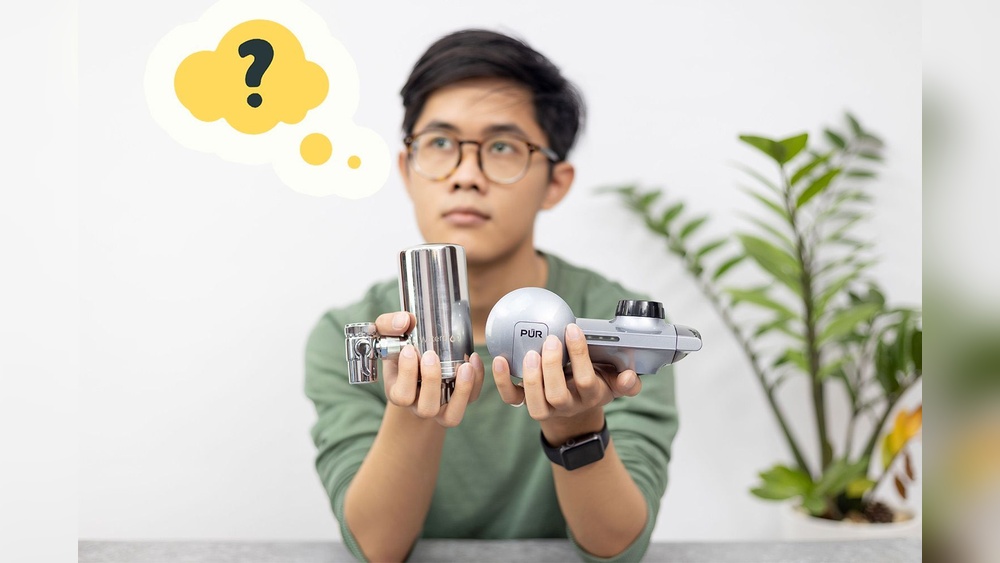
Waterdrop Vs Pur Faucet Filter: Which Is Best for Your Home?
If you are searching for a faucet water filter, the choices can feel overwhelming. Two of the most popular brands you’ll come across are Waterdrop and PUR. Both promise cleaner, safer drinking water straight from your tap, but how do they really compare? Which one is best for your needs, budget, and lifestyle? If you want to make a confident decision, you need more than just marketing slogans or short online reviews. You need real details, honest differences, and insight into what actually matters in daily use.
Let’s dive into a complete, side-by-side look at Waterdrop versus PUR faucet filters. By the end of this article, you’ll know exactly what sets these products apart, how they work, and which one is the right fit for your kitchen.
What Do Faucet Water Filters Do?
Before comparing specific brands, it’s important to understand faucet water filters in general. These devices attach to your kitchen faucet and filter tap water as it flows. Their main job is to reduce contaminants like chlorine, lead, mercury, and sediment, which can affect water taste and safety. Some filters also target specific issues, such as bad odor or microbial cysts.
Key benefits include:
- Improved taste: Removes chlorine and impurities
- Healthier water: Reduces harmful substances
- Convenience: Filtered water on demand, no waiting
Both Waterdrop and PUR make faucet filters, but their design, performance, and cost vary. Understanding these differences will help you avoid common mistakes, such as buying a filter that doesn’t fit your faucet or one that needs too much maintenance.
Waterdrop Faucet Filter: Overview
Waterdrop is a newer brand but has quickly gained attention for its focus on advanced filtration technology and sleek, compact designs. Their main faucet filter, the Waterdrop WD-FC-01, is known for being easy to install and maintain.
Key Features
- Filtration technology: Uses a five-stage filtration process, including activated carbon fiber and advanced materials for lead and chlorine reduction.
- Filter life: Claims up to 320 gallons (about 3 months for a family of four).
- Flow rate: Delivers 0.5 gallons per minute, which is faster than some competitors.
- Cost: Lower initial price, with affordable replacement filters.
- Design: Compact, modern look that fits most kitchen faucets.
How It Works
The Waterdrop filter screws directly onto your faucet, usually without tools. A switch allows you to change between filtered and unfiltered water, saving filter life for drinking and cooking. The five-stage system targets large particles first, then reduces chlorine, lead, and other heavy metals, and finally improves taste and odor.
What It Removes
According to Waterdrop, the WD-FC-01 filter removes:
- Chlorine (taste and odor)
- Lead
- Mercury
- Sediment
- Rust
- Some pesticides
- Certain microbial cysts
However, it does not remove fluoride, and its effectiveness against some bacteria is limited (it’s not a full microbiological filter).
Pur Faucet Filter: Overview
PUR is a well-known American brand with decades of experience in water filtration. Their most popular faucet filter, the PUR Advanced Faucet Filtration System, is found in millions of homes. PUR is famous for its MAXION® filter technology, combining activated carbon and ion exchange to capture more contaminants.
Key Features
- Filtration technology: MAXION® filter blends activated carbon and ion exchange materials.
- Filter life: 100 gallons per filter (about 2-3 months for most families).
- Flow rate: Slightly slower than Waterdrop, around 0.4 gallons per minute.
- Design: Bulkier than Waterdrop, but includes an LED indicator to show filter status.
- Cost: Mid-range, with filters costing more than Waterdrop replacements.
How It Works
PUR filters attach to most standard kitchen faucets, though installation can be tricky with some models. The device has a lever to switch between filtered and unfiltered water. The filter cartridge captures sediment, then reduces lead, chlorine, mercury, and some industrial pollutants.
What It Removes
PUR’s faucet filter is tested to remove:
- Lead
- Chlorine (taste and odor)
- Mercury
- Certain pharmaceuticals
- Industrial pollutants
- Sediment
- Microbial cysts
PUR’s filters are NSF certified for lead and microbial cyst reduction, which is a strong point for health-conscious buyers.
Side-by-side Comparison: Waterdrop Vs Pur
It’s easy to get lost in technical jargon, so here’s a clear, data-driven comparison of the key specs and features.
| Feature | Waterdrop WD-FC-01 | PUR Advanced Faucet Filter |
|---|---|---|
| Filtration Stages | 5 | 2 (MAXION®) |
| Filter Life | 320 gallons (3 months) | 100 gallons (2-3 months) |
| Flow Rate | 0.5 GPM | 0.4 GPM |
| Removes Lead | Yes | Yes (NSF certified) |
| Removes Chlorine | Yes | Yes |
| Removes Mercury | Yes | Yes |
| Removes Pharmaceuticals | No | Yes |
| Microbial Cyst Reduction | Some | Yes (NSF certified) |
| Cost (Initial) | Lower | Mid-range |
| Filter Replacement Cost | Lower | Higher |
| Design | Compact, modern | Bulkier, with LED indicator |
| LED Filter Status | No | Yes |
| NSF Certification | Lead, chlorine, rust | Lead, chlorine, cysts, mercury |

Credit: www.amazon.com
Performance In Real-world Use
Numbers and specs matter, but so does actual experience. Here’s how each filter performs in a busy kitchen.
Installation
Both Waterdrop and PUR are designed for DIY installation. However, Waterdrop’s filter is generally quicker to install, thanks to its simple twist-on mechanism. Most people can attach it in under 5 minutes, with no tools needed. PUR’s system sometimes requires adapters and may not fit all faucet types, especially fancy or pull-out faucets.
This can frustrate some buyers.
Tip: Always check your faucet type before buying either filter. Both brands publish compatibility lists on their websites.
Filter Replacement
Waterdrop filters last longer (320 gallons vs. PUR’s 100 gallons), so you’ll change them less often. Replacing either filter is straightforward, but PUR’s LED indicator makes it easier to know exactly when to replace the cartridge. Waterdrop users need to estimate filter life based on usage or set reminders.
Taste And Odor Improvement
Both brands do a solid job of improving water taste. Chlorine odors are usually gone after filtering. Some users report that Waterdrop’s water tastes “softer,” while PUR provides a “crisper” taste. This is subjective, but both are a big step up from untreated tap water.
Water Pressure And Flow
Waterdrop’s faster flow rate (0. 5 GPM) is an advantage if you fill pots or bottles often. PUR’s flow is slightly slower, and some users notice pressure drops as the filter ages. Regular replacement helps avoid this.
Maintenance And Durability
Waterdrop’s compact design means fewer parts to break, and its housing resists leaks well. PUR is sturdy but bulkier, and the extra features (like the LED) mean more parts that could eventually fail. Both brands recommend cleaning the filter housing every few months to prevent build-up.
Filtration Technology Explained
Understanding filtration methods helps you see why these filters differ in results and price.
Waterdrop Filtration Stages
Waterdrop uses a multi-stage process:
- Pre-sediment filter: Catches sand, rust, and larger particles.
- Granular activated carbon: Reduces chlorine, bad taste, and odor.
- Advanced carbon fiber: Improves heavy metal and lead removal.
- Microfiltration membrane: Traps fine sediment and some cysts.
- Post-filtration layer: Polishes water for better taste.
This layered approach is effective for general tap water improvement, though some pollutants (like pharmaceuticals) may not be fully removed.
Pur Maxion® Technology
PUR combines activated carbon with ion exchange materials in its MAXION® filter. The carbon attracts organic compounds, chlorine, and some pesticides. The ion exchange resin targets lead, mercury, and other metals.
PUR’s filters are independently certified to remove over 70 contaminants, including some that Waterdrop doesn’t address, such as certain pharmaceuticals and industrial chemicals. This makes PUR attractive for users concerned about more than just taste or basic metals.
Cost Of Ownership
Let’s break down what you’ll spend not just upfront, but over a year of typical use.
| Cost Factor | Waterdrop | PUR |
|---|---|---|
| Initial System Price | $22–$28 | $30–$40 |
| Replacement Filter (1-pack) | $14–$16 | $18–$22 |
| Annual Filter Changes | 4 (every 3 months) | 5–6 (every 2–2.5 months) |
| Total First Year Cost | $78–$92 | $120–$150 |
Waterdrop is clearly more budget-friendly over time, thanks to both lower filter costs and longer filter life. However, PUR’s higher cost reflects its broader contaminant reduction and added features.
Which Filter Removes More Contaminants?
Many buyers focus on this question. The answer depends on which contaminants matter most to you.
- For lead, chlorine, and mercury: Both filters perform well and are NSF certified.
- For microbial cysts: PUR is certified for cyst reduction; Waterdrop offers some protection but is not certified.
- For pharmaceuticals and industrial chemicals: PUR wins, as Waterdrop does not claim removal here.
- For fluoride: Neither filter removes fluoride (this requires reverse osmosis or specialized filters).
If your tap water is mostly affected by chlorine taste or lead, both filters will work. If you want broader protection, especially from pharmaceuticals or cysts, PUR is the stronger choice.
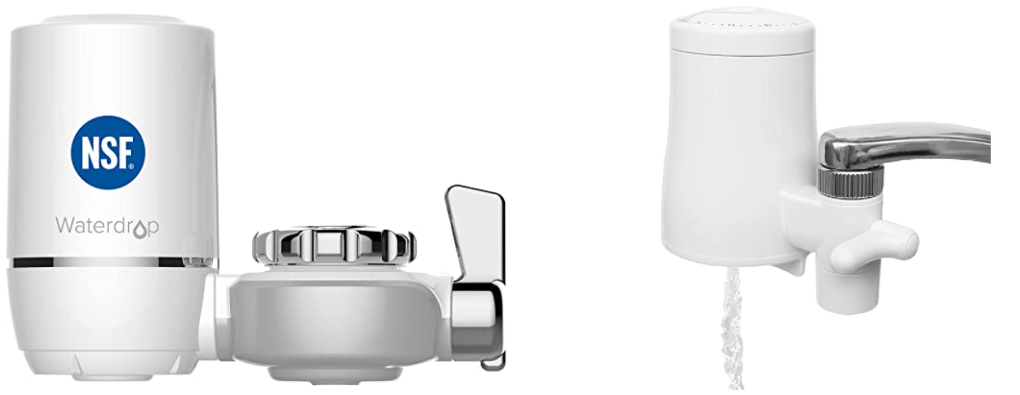
Credit: tappwater.co
Design And Compatibility
Looks and fit matter in your kitchen. Here’s how these filters compare:
- Waterdrop: Sleek, compact, low-profile. Fits most standard faucets, but not pull-out or spray-head models.
- PUR: Bulkier, especially with the LED indicator, but available in several finishes (white, chrome, black). Also does not fit pull-out or spray-head faucets.
Both brands include adapters for different faucet sizes. If you have a unique faucet, check compatibility before buying. Some users find PUR’s installation more challenging, especially with older or non-standard faucets.
Pros And Cons: Waterdrop Vs Pur
Let’s summarize the main strengths and weaknesses of each brand.
Waterdrop Pros
- Lower price (both initial and long-term)
- Longer filter life (fewer changes)
- Faster flow rate
- Simple, compact design
- Easy installation
Waterdrop Cons
- No LED indicator for filter status
- Not certified for cyst or pharmaceutical removal
- No fluoride removal
Pur Pros
- NSF certified for more contaminants
- Reduces pharmaceuticals and cysts
- LED indicator reminds you when to change filter
- Trusted, established brand
Pur Cons
- Higher cost (system and replacements)
- Shorter filter life
- Bulkier design
- Trickier installation for some faucets
Non-obvious Insights Most Buyers Miss
- Filter Housing Needs Regular Cleaning: Both brands recommend cleaning the outer housing and faucet connection every few months. This prevents mold and mineral buildup, which can reduce water flow and affect taste. Many users skip this step, leading to leaks or smells over time.
- Water Temperature Limits: Neither filter can handle hot water. Running hot water through the filter can damage it and reduce effectiveness. Always use cold water only when filtering.
- Actual Filter Life Varies: The stated “320 gallons” or “100 gallons” is based on average water conditions. If your tap water has a lot of sediment or chlorine, filters may clog faster. Monitor taste and flow rate, not just time, to decide when to change.
- Faucet Type Affects Fit: Some faucet styles, especially pull-out or designer faucets, are not compatible with either filter. If your faucet is non-standard, consider an under-sink or countertop filter instead.
- NSF Certification Levels Differ: Both brands carry NSF certifications, but PUR’s include more categories, such as pharmaceutical and cyst reduction. Always check the specific certification numbers if you have health concerns.
Practical Guidance For Choosing
- If your main concern is cost and convenience, Waterdrop is the best choice. It’s easier to install, needs fewer filter changes, and is lighter on your wallet.
- If you want the highest contaminant removal, especially for pharmaceuticals or cysts, PUR is better. The LED indicator is also helpful for busy families.
- Test your tap water (many hardware stores offer cheap kits) to see what contaminants you actually have. If lead, chlorine, and taste are your only problems, both filters will do the job.
- Double-check your faucet compatibility before buying. Both brands publish lists and diagrams online.
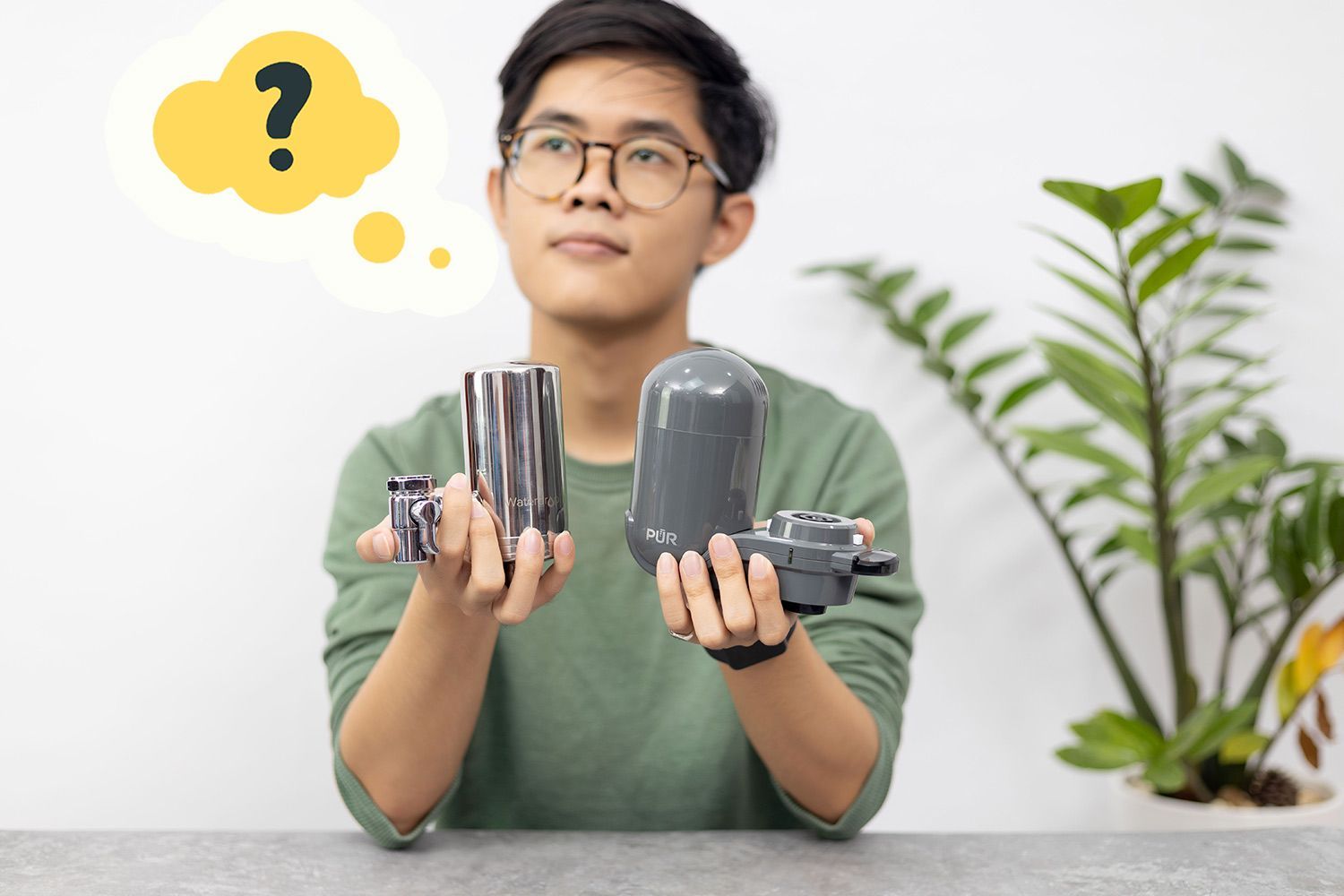
Credit: shouldit.com
Real User Experiences
Many Waterdrop users praise the simplicity and cost savings. They like the “set it and forget it” feel—just change the filter every three months and enjoy better-tasting water. However, a few mention that the lack of an LED means they sometimes forget to change the filter on time.
PUR users love the peace of mind from broader contaminant reduction and the clear LED reminder. Some find the bulkier design less attractive, and a few struggle with installation on older faucets.
If you want more detailed test data and third-party reviews, check organizations like the NSF International.
Frequently Asked Questions
What Contaminants Do Waterdrop And Pur Faucet Filters Remove?
Both filters remove lead, chlorine, mercury, and sediment. PUR also removes certain pharmaceuticals, industrial chemicals, and microbial cysts, backed by NSF certification.
Can I Install These Filters On Any Faucet?
No. Both filters fit most standard faucets, but not pull-out, spray head, or unconventional designer faucets. Always check your faucet’s style and size before buying.
How Often Do I Need To Change The Filters?
Waterdrop filters last for about 320 gallons (usually 3 months), while PUR filters last for 100 gallons (about 2-3 months). If your water is very dirty, you might need to change them sooner.
Is Filtered Water From These Devices Safe For Babies And Pets?
Yes, for most households. Both filters remove common contaminants like lead and chlorine, making water safer for babies and pets. For infants or special health needs, check with your doctor and consider water testing.
Do These Filters Remove Fluoride From Tap Water?
No, neither Waterdrop nor PUR faucet filters remove fluoride. If you need fluoride removal, look for reverse osmosis systems or specialized filters.
Waterdrop and PUR are both solid choices for faucet water filtration, each with its own strengths. Waterdrop stands out for budget and convenience, while PUR shines in contaminant removal and health features. By weighing your needs, water quality, and budget, you can make a smart choice that keeps your family’s water cleaner and your mind at ease.