Single Hole vs Centerset Faucet: Which Is Best for Your Bathroom?
Choosing the right bathroom or kitchen faucet can feel confusing, especially when faced with terms like single hole and centerset. While they may look similar at first glance, these two faucet types offer different features, installation requirements, and styles. Understanding the differences between single hole and centerset faucets helps you select the best fit for your space, budget, and daily needs. This guide will explain both options in detail, compare them side-by-side, and highlight important factors many homeowners overlook.
What Is A Single Hole Faucet?
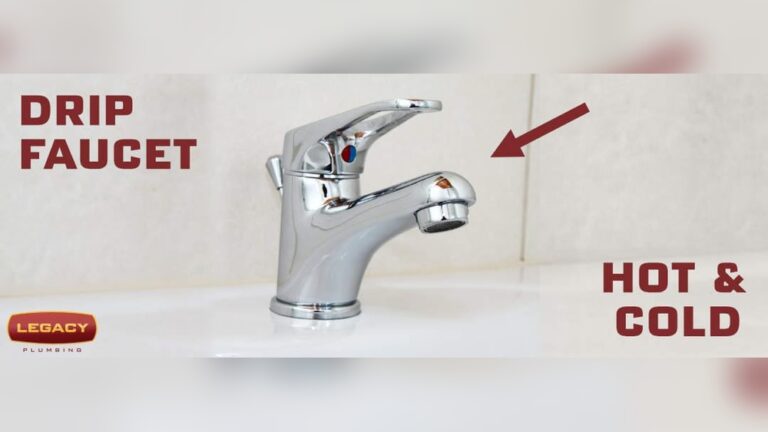
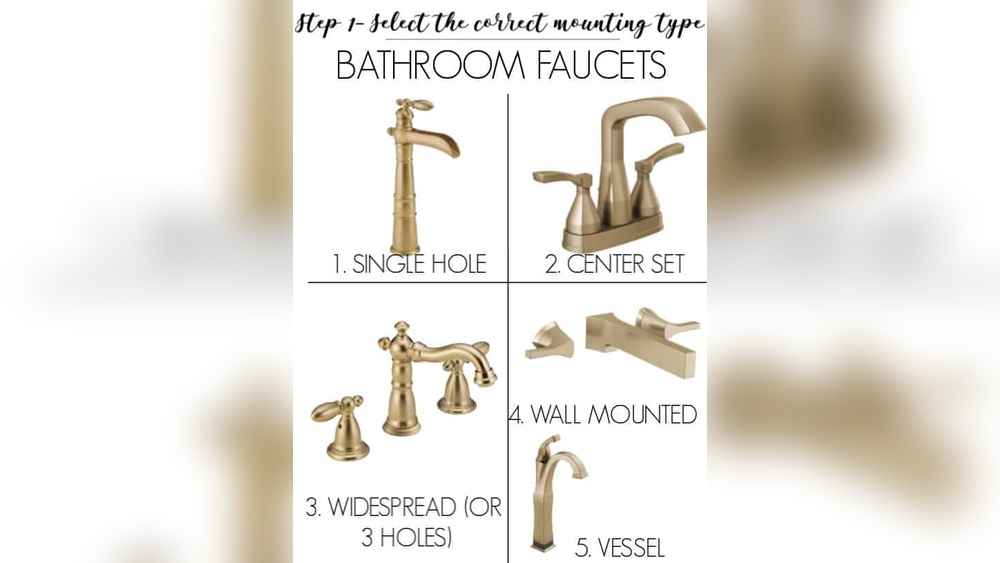
A single hole faucet is designed for sinks with just one mounting hole. The faucet typically combines the spout and the handle(s) in a single unit. Most single hole faucets have one lever or knob, but some models include two handles on the same base. Because everything is mounted together, these faucets create a modern, clean look.
Single hole faucets are popular in bathrooms and kitchens, especially where counter space is limited. They are also easier to clean around, thanks to their compact base.
Common Features Of Single Hole Faucets
- One hole installation: Perfect for sinks with a single pre-drilled hole.
- Streamlined design: Minimal parts on the countertop.
- Single or dual handle: Most use one lever for both temperature and water flow.
- Variety of styles: Available in modern, traditional, and industrial designs.
Where Are Single Hole Faucets Used?
You often find single hole faucets in:
- Modern bathrooms: Their sleek appearance matches today’s trends.
- Small kitchens: The compact size saves counter space.
- Powder rooms: Where style and simplicity matter.
Advantages Of Single Hole Faucets
- Space saving: Ideal for small sinks or countertops.
- Easy to clean: Fewer crevices for dirt and mold.
- Simple operation: One handle adjusts both temperature and pressure.
- Modern look: Fits minimalist and contemporary styles.
Disadvantages Of Single Hole Faucets
- Limited style options: Fewer traditional designs than centerset.
- Less control: Single handle may not allow as precise temperature control as dual handles.
- Compatibility: Not suitable for sinks with three holes unless a deck plate is used.
What Is A Centerset Faucet?
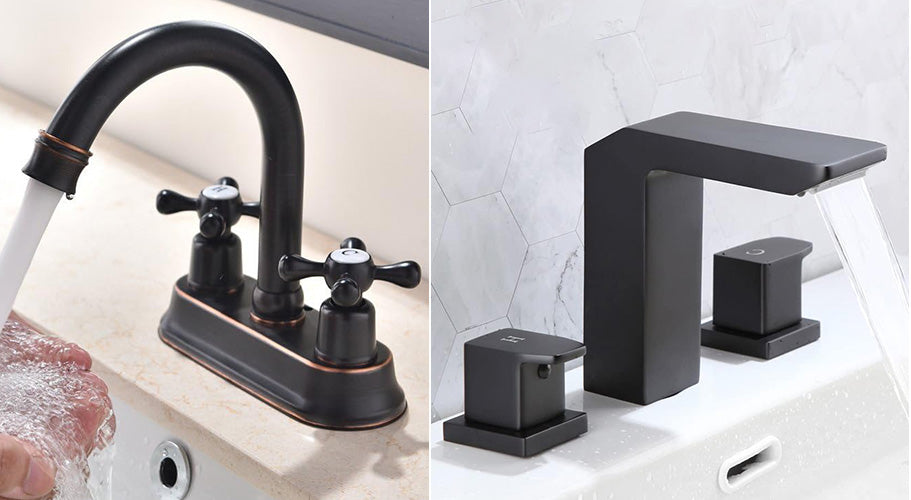
A centerset faucet is designed for sinks with three holes, usually with a 4-inch distance between the outer holes. The faucet combines the spout and two handles (hot and cold) on a single base plate. This design is common in both bathrooms and kitchens.
Centerset faucets offer a classic look and are widely available in various finishes and styles. They are often used as a standard in homes, apartments, and public restrooms.
Common Features Of Centerset Faucets
- Three hole installation: Suits sinks with three pre-drilled holes.
- Integrated base plate: Spout and handles are part of the same mounting plate.
- Dual handle operation: Separate hot and cold water handles.
- Traditional styling: Many models have a timeless, classic appearance.
Where Are Centerset Faucets Used?
Centerset faucets are found in:
- Family bathrooms: Durable and familiar for daily use.
- Older homes: Match traditional sinks and decor.
- Guest bathrooms: Provide style and function at a reasonable price.
Advantages Of Centerset Faucets
- Wide compatibility: Fits most standard sinks with three holes.
- Greater temperature control: Two handles for precise adjustment.
- Classic style: Many options for traditional or vintage bathrooms.
- Affordable choices: Many budget-friendly models available.
Disadvantages Of Centerset Faucets
- Takes more space: Larger base covers more countertop.
- Harder to clean: More edges and parts for grime to hide.
- Less modern: Not ideal for sleek, contemporary decor.
Credit: bostingner.com
Main Differences Between Single Hole And Centerset Faucets
Understanding the main differences helps you make a confident choice. Below is a comparison of their key features:
| Feature | Single Hole Faucet | Centerset Faucet |
|---|---|---|
| Installation Holes | One | Three (4-inch spread) |
| Handles | Usually one | Two (hot & cold) |
| Style | Modern, minimalist | Classic, traditional |
| Cleaning | Very easy | More challenging |
| Space Needed | Less | More |
| Temperature Control | Less precise (one handle) | More precise (two handles) |
| Installation Difficulty | Simple | Moderate |
How To Choose The Right Faucet For Your Sink
Picking between a single hole and a centerset faucet depends on several factors. Let’s look at what really matters:
1. Sink Compatibility
- Check your sink first: The number and spacing of holes in your sink will often decide for you. A single hole faucet only needs one hole. A centerset faucet needs three holes spaced 4 inches apart.
- Deck plates: If you have extra holes, a deck plate (escutcheon) can cover unused ones and let you install a single hole faucet on a three-hole sink.
2. Bathroom Or Kitchen Size
- Small spaces: Single hole faucets save countertop space, which is valuable in small bathrooms or galley kitchens.
- Larger areas: Centerset faucets fit well on wider vanities and counters.
3. Style And Décor
- Modern look: Single hole faucets match minimalist or contemporary designs.
- Classic look: Centerset faucets complement traditional or vintage styles.
4. User Preferences
- Ease of use: Single lever faucets are simple for kids and seniors. Dual handles give more control but may be harder for some people.
- Cleaning habits: If you want low maintenance, single hole models are easier to keep clean.
5. Budget
Both faucet types come in a wide price range. However, single hole faucets with advanced features (like pull-out sprayers) may cost more than basic centerset models. Remember to factor in installation costs if you are not doing it yourself.
6. Water Efficiency
- Eco-friendly options: Both types offer water-saving models. Check for the WaterSense label if you want to reduce usage.

Credit: www.angi.com
Installation Process: Single Hole Vs. Centerset
The installation method is a practical detail that many people overlook. Here’s a step-by-step overview of what to expect with each type.
Installing A Single Hole Faucet
- Turn off the water supply: Always start by shutting off the valves.
- Remove the old faucet: If replacing, unscrew any mounting hardware underneath.
- Clean the area: Wipe away old putty or debris.
- Insert the faucet: Place it through the single hole.
- Secure from below: Tighten mounting nuts to hold the faucet in place.
- Connect supply lines: Attach water lines to the hot and cold valves.
- Check for leaks: Turn on the water and inspect all connections.
Installing A Centerset Faucet
- Shut off water: Turn off both supply valves.
- Remove old faucet: Disconnect supply lines and mounting hardware.
- Clean sink surface: Remove buildup for a tight seal.
- Position the faucet: Insert the base through the three holes.
- Secure base: Tighten nuts underneath to lock the faucet down.
- Connect water lines: Attach to both hot and cold valves.
- Test for leaks: Slowly turn on water and check all fittings.
Common Installation Mistakes
- Skipping plumber’s tape: Always use plumber’s tape on threaded connections to prevent leaks.
- Over-tightening: Tightening too much can crack ceramic sinks.
- Wrong faucet for hole layout: Installing a centerset faucet on a single-hole sink is not possible without new drilling.
Insight: Many DIYers forget to check the sink hole size or spacing before buying, leading to frustration during installation.
Cost Comparison: Single Hole Vs. Centerset Faucets
The price of faucets varies widely depending on brand, material, and features. However, understanding typical cost ranges helps you plan.
| Type | Entry Level | Mid-Range | High-End |
|---|---|---|---|
| Single Hole Faucet | $40 – $80 | $100 – $250 | $300 – $800+ |
| Centerset Faucet | $30 – $70 | $80 – $200 | $250 – $600+ |
Installation costs can add $100–$300, depending on your local plumber rates.
Tip: Don’t choose only by price. Cheaper faucets may use plastic parts, which wear out faster. Invest in solid brass or stainless steel for long-term value.

Credit: www.worldstoneonline.com
Pros And Cons At A Glance
Here’s a quick look at the main advantages and disadvantages of each faucet type:
| Type | Pros | Cons |
|---|---|---|
| Single Hole | – Space saving – Modern look – Easy cleaning |
– Less precise control – Fewer traditional styles – May need deck plate on some sinks |
| Centerset | – Classic design – Better temperature control – Fits most standard sinks |
– Takes more space – Harder to clean – Less modern appeal |
Design Trends And Innovations
Both single hole and centerset faucets are evolving with new features. Here’s what’s popular right now:
- Touchless technology: Motion sensors allow hands-free operation, reducing germs.
- Pull-out sprayers: Found in both types, especially kitchen models, for flexible cleaning.
- Matte black and gold finishes: Modern colors add style to both faucet types.
- Water-saving aerators: Built-in devices that cut water use without losing pressure.
Non-obvious insight: Some single hole faucets now have dual handles for those who like classic looks but want a modern base.
Durability And Maintenance
Material quality affects both lifespan and maintenance effort:
- Brass and stainless steel: Most durable and corrosion-resistant.
- Plastic components: Cheaper but break or leak sooner.
- Ceramic disc cartridges: Last longer than rubber washers, reducing drips.
For both faucet types, wipe down the base and handles weekly to prevent hard water stains and soap buildup. Centerset faucets may need more scrubbing around the base plate. If you have hard water, consider installing a filter to prevent mineral deposits inside the faucet.
Common Mistakes When Choosing A Faucet
- Ignoring the sink hole layout: Make sure the faucet matches your sink’s holes.
- Overlooking spout reach: Check that the spout extends far enough into the sink for easy use.
- Choosing style over function: A beautiful faucet isn’t helpful if it’s hard to use or clean.
- Skipping water efficiency: Look for eco-friendly options, especially in high-use areas.
- Not measuring clearance: Make sure there’s enough room behind the faucet for installation and cleaning.
Pro tip: Bring photos and measurements of your sink when shopping for a faucet. This prevents most buying mistakes.
Real-world Examples
- Small apartment bathroom: A single hole faucet frees up counter space and simplifies cleaning.
- Family home: A centerset faucet with two handles lets kids and adults adjust water temperature easily.
- Renovated vintage bathroom: Centerset faucets preserve a traditional look, matching classic pedestal sinks.
When To Choose A Single Hole Faucet
- Your sink has only one hole.
- You want a modern, minimalist look.
- The bathroom is small, and space is tight.
- You prefer easy cleaning and simple operation.
When To Choose A Centerset Faucet
- Your sink has three holes with a 4-inch spread.
- You like the feel of separate hot and cold controls.
- The bathroom has a traditional or classic style.
- You want an affordable, widely available option.
Environmental Considerations
Both faucet types can help save water if you choose models with aerators or flow restrictors. Some states require all new faucets to meet strict water usage standards. Always check local rules before buying.
Non-obvious insight: Installing an efficient faucet can save a family of four up to 700 gallons of water per year, lowering both water and energy bills.
Single Hole And Centerset Faucets: Which Is Better For Resale Value?
Home buyers tend to prefer updated, stylish faucets that match the overall bathroom or kitchen design. In modern homes, single hole faucets may boost appeal. In older or classic homes, centerset faucets often look more “in place. ” If you plan to sell soon, choose a faucet that fits your home’s style and is easy for new owners to use.
Additional Resources
For more in-depth information about faucet types and standards, visit the Wikipedia Faucet Entry.
Frequently Asked Questions
What Is The Main Difference Between A Single Hole Faucet And A Centerset Faucet?
The main difference is the installation method. Single hole faucets need just one hole and usually have one handle, while centerset faucets require three holes with a 4-inch spread and have two handles on a single base.
Can I Install A Single Hole Faucet On A Three-hole Sink?
Yes, you can. Most single hole faucets come with a deck plate (escutcheon) that covers the extra holes. Always check the product details to confirm compatibility.
Which Faucet Type Is Easier To Clean?
Single hole faucets are much easier to clean. Their small base and fewer parts leave less room for dirt and mold to collect, which is helpful in busy bathrooms.
Are Single Hole Faucets More Expensive Than Centerset Faucets?
Not always. Both types have budget and luxury options. However, high-end single hole faucets with modern features can cost more than basic centerset models.
Which Faucet Is Better For Families With Children?
Many families prefer centerset faucets because the dual handles make it easier for kids to adjust temperature safely. But single lever faucets are also a good choice if you want simple operation.
Choosing between a single hole and a centerset faucet is not just about looks—it’s about function, fit, and your unique needs. By understanding the differences, checking your sink, and considering your daily habits, you’ll find the right faucet for your home.