Do Outdoor Faucet Covers Work? Essential Facts You Need to Know
When cold weather arrives, homeowners often worry about the risk of frozen pipes. One common solution you’ll see in hardware stores is the outdoor faucet cover. These foam or plastic shells slip over your exterior taps, promising protection from the freezing temperatures. But do outdoor faucet covers really work, or are they just an extra expense with little benefit? The answer depends on how and where you use them, your climate, and what you expect from them.
Let’s dig deep into how outdoor faucet covers function, when they’re effective, their limitations, and how to get the best results. If you’re considering buying or using faucet covers for your home, this guide will give you the full picture—without the fluff.
How Outdoor Faucet Covers Work
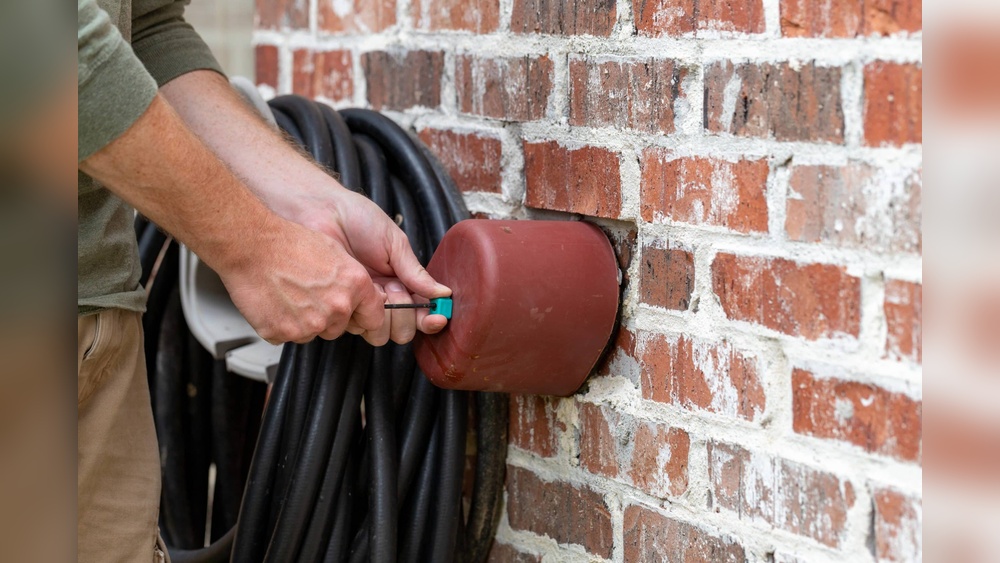
Outdoor faucet covers are designed to reduce heat loss from your exterior taps. Most covers are made of thick foam with a plastic shell, or sometimes just heavy-duty foam. You secure them over the faucet, where they act as an insulating barrier between the metal tap and the cold air.
The main idea is simple: insulation slows heat loss. By keeping the faucet just a bit warmer than the outside air, the cover helps prevent the water inside the tap from freezing. Some covers use a drawstring or a hook to hold them tight against the wall, closing off air gaps.
However, it’s important to understand what these covers can and cannot do. They’re not heaters—they don’t add warmth. They can’t stop pipes from freezing in extreme cold if water is sitting inside your pipes. Their main job is to reduce temperature swings and buy you time during cold snaps.
Types Of Outdoor Faucet Covers
Not all faucet covers are the same. Here’s a closer look at the most common options, including their strengths and weaknesses.
1. Foam Dome Covers
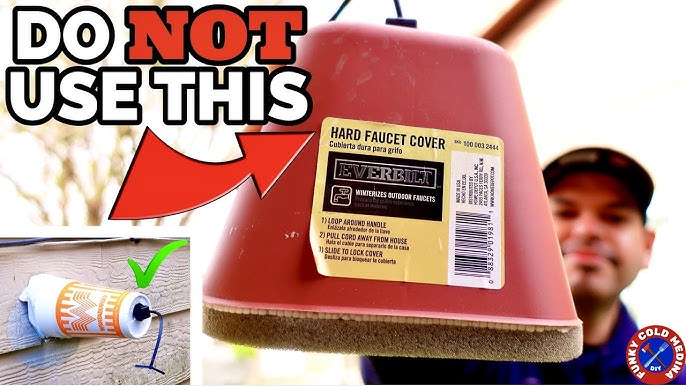
These are the most popular. Shaped like a bell or a dome, they’re made of rigid foam and a thin plastic shell. You fit the cover over the faucet and pull a hook or strap to keep it in place.
Pros: Cheap, easy to install, reusable
Cons: Can get blown off in high winds if not tightly secured
2. Flexible Fabric Covers
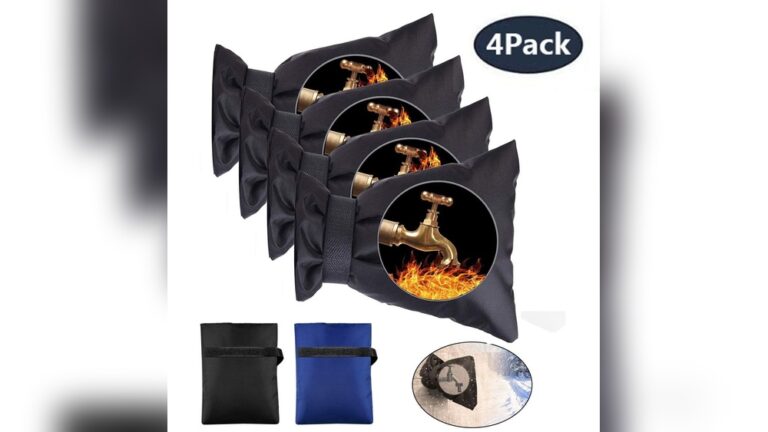
Made from thick, waterproof fabric filled with insulation, these covers wrap around the faucet and use Velcro or straps.
Pros: Better fit for odd-shaped taps, flexible, more wind-resistant
Cons: Slightly more expensive, can absorb water if not waterproof
3. Hard Plastic Boxes
Some covers are rigid boxes lined with insulation. They’re less common for home use but are sometimes seen in commercial settings.
Pros: Durable, reusable for years
Cons: Bulky, usually more expensive
4. Diy Covers
People often use towels, rags, or plastic bags in a pinch. While not ideal, these can work for short-term emergencies if secured tightly.
Pros: Cheap, uses materials you have
Cons: Poor insulation, can get wet and freeze, not secure
Do Outdoor Faucet Covers Really Work?
The short answer: Yes, outdoor faucet covers help, but only under the right conditions. They offer a simple layer of protection for your exterior taps against light or moderate freezing. But they have limits.
When Faucet Covers Are Effective
Faucet covers are most effective when:
- Temperatures hover just below freezing (28–32°F or -2 to 0°C)
- You’ve already drained the faucet or turned off the interior shut-off valve
- The cold snap is short (less than 2–3 days)
- The faucet is on a sheltered wall (not exposed to strong wind)
By slowing heat loss, the cover helps keep the faucet a few degrees warmer than the outside air. This can be just enough to prevent ice from forming in the tap or the very end of the pipe.
When Faucet Covers May Fail
Covers are less effective if:
- Temperatures drop well below freezing for many hours
- There’s water sitting in the pipe right behind the faucet
- The wall is uninsulated, letting cold air flow freely
- Strong winds blow cold air under or around the cover
In these cases, the cover may delay freezing, but not stop it entirely. If you live in a very cold region, you need more protection than just a cover.
Real-world Data: How Much Do Faucet Covers Help?
Let’s look at some real data to see how well faucet covers perform. In a study by a home improvement group, they measured the temperature inside and outside of a covered faucet during a cold night.
| Condition | Outside Temp (°F) | Faucet Temp (°F) | Result |
|---|---|---|---|
| No cover | 25 | 25 | Faucet froze in 2 hours |
| Foam cover | 25 | 29 | No freeze after 8 hours |
| Fabric cover | 25 | 30 | No freeze after 8 hours |
This shows that faucet covers can raise the temperature at the tap by 4–5°F (2–3°C), enough to make a difference during a short freeze.
Why Outdoor Faucets Freeze
Understanding why outdoor faucets freeze helps you see how covers fit into the big picture. Outdoor taps are often exposed to the elements and are usually made of metal, which transfers heat quickly. When the temperature drops below 32°F (0°C), any water inside the tap or pipe can freeze and expand. This expansion causes pipes to burst, leading to expensive repairs.
But it’s not just the faucet itself. The pipe behind the wall can freeze too, especially if the wall is uninsulated or has cracks letting in cold air. A cover slows heat loss at the faucet, but it can’t warm pipes deep in the wall.
When You Should Use A Faucet Cover
If you live in a place where it only gets cold for a few nights each winter, a faucet cover is a smart, cheap solution. It’s also good if you forgot to winterize your pipes and need quick protection.
Use a cover if:
- You don’t have a frost-free faucet
- You can’t drain the tap completely
- The forecast calls for a short freeze
If your area gets long, hard freezes, you need to go further.
:max_bytes(150000):strip_icc()/winterize-outside-faucets-2718702-07-ae0c2696cdc44fcbae9422ec3588c7e3.jpg)
Credit: www.thespruce.com
When A Faucet Cover Is Not Enough
In very cold regions, or if your pipes are exposed, a cover alone is not enough. Here’s why:
- Heat loss happens inside the wall: Covers protect the tap, not the pipes.
- Prolonged cold beats insulation: After several hours, even insulated faucets can freeze.
- Water expands as it freezes: If water is trapped inside, pressure builds up.
In these cases, you should also:
- Shut off the water to the exterior faucet using the interior valve.
- Drain the faucet by opening it after shutting off the water.
- Install a frost-free spigot, which drains water away from the tap.
- Add pipe insulation inside the wall if possible.
Comparing Faucet Cover Effectiveness
Here’s a direct comparison of how different faucet covers perform in a typical cold snap.
| Type | Ease of Use | Insulation Value | Durability | Cost |
|---|---|---|---|---|
| Foam dome | Very easy | Good | Medium | Low ($3–$7) |
| Fabric pouch | Easy | Very good | High | Medium ($7–$15) |
| Plastic box | Medium | Excellent | Very high | High ($15–$30) |
| DIY (towel, bag) | Easy | Poor | Poor | Very low (free) |
This chart helps you see that while any cover is better than none, paying a bit more can mean better protection and less risk.
How To Install An Outdoor Faucet Cover Properly
Correct installation matters as much as the cover itself. Many homeowners make mistakes that reduce effectiveness. Here’s how to do it right:
- Turn off the water supply to the faucet if possible.
- Drain the faucet by opening it and letting any water drip out. Close it again.
- Check for leaks. Make sure no water is dripping, as leaks freeze fastest.
- Dry the faucet. Wipe off snow, ice, or water so the cover fits snugly.
- Fit the cover tightly against the wall. Make sure there are no gaps for wind to enter.
- Secure the cover. Use the hook, drawstring, or Velcro to hold it tight. For windy areas, tape or an extra bungee cord can help.
- Double-check the seal. Gently tug to make sure it won’t blow away.
Common mistake: Leaving gaps or loose covers. Cold air rushing in can make even the best cover useless.
Common Problems And How To Fix Them
Even with a cover, things can go wrong. Here are some problems and what to do.
The Cover Blows Off
This usually happens in windy weather. Make sure the cover is secured tightly. Use extra tape or a strap if needed.
Water Still Freezes
If the pipe behind the wall is uninsulated or holds water, it can freeze even with a cover. The best fix is to turn off the water and drain the pipe before covering the tap.
Cover Gets Wet And Freezes
Fabric covers can absorb water if not waterproof. Choose a cover with a waterproof outer layer or use a plastic dome in wet climates.
Animals Chew The Cover
Some rodents chew foam for nesting. If this happens, switch to a hard plastic cover.
Outdoor Faucet Covers Vs. Frost-free Faucets
Some homeowners wonder if they should use faucet covers if they already have frost-free faucets. These taps are designed to drain water away from the outside, so the part exposed to cold air is empty.
If you have a frost-free faucet installed correctly (sloped downward and fully drained), you probably don’t need a cover. However, covers can add a layer of insurance for extreme cold or poorly installed taps.
Cost Vs. Potential Damage
Is a faucet cover worth the price? Let’s compare:
- Faucet cover cost: $3–$20 each
- Repair for burst pipe: $200–$1,000 or more
A cover is a small investment that can prevent much bigger repair bills, especially in climates with occasional hard freezes.
Practical Tips For Maximum Protection
To get the most out of your faucet cover:
- Use covers as part of a system: Combine with pipe insulation and draining.
- Check covers before each cold snap: Wind and animals can damage or remove them.
- Replace worn or cracked covers: Old foam loses insulation value.
- Know your home’s weak spots: North-facing walls and exposed taps freeze fastest.
Non-obvious insight: Covers work best if the wall behind the faucet is also insulated. If possible, add insulation in your basement or crawl space near the tap.
Another tip: If you travel during winter, ask a neighbor or friend to check your covers. Many pipe bursts happen while owners are away.
Are Outdoor Faucet Covers Necessary Everywhere?
The need for faucet covers depends on your climate:
- Mild climates: You may only need a cover for rare cold nights.
- Moderate climates: Use covers as standard winter protection.
- Severe climates: Covers are not enough—drain and insulate pipes.
If you’re renting, ask your landlord about winterizing outdoor taps. They may supply covers or handle winter prep for you.
Credit: www.youtube.com
Environmental Impact Of Faucet Covers
Most covers are reusable for several seasons. Foam and plastic types can last 2–5 years if stored indoors during the off-season. When they wear out, check if your local recycling center accepts them.
Pro tip: Don’t throw away old covers—use them for extra insulation in a pinch, or layer two covers for hard freezes.
Alternatives To Faucet Covers
Covers are just one tool. Here are other ways to protect your outdoor faucet:
- Frost-free faucets: These drain themselves automatically.
- Pipe insulation: Foam tubes slide over pipes inside the wall.
- Heat tape: Electric tape warms pipes in very cold areas.
- Drip the faucet: Letting water drip keeps it moving, which makes freezing less likely (but wastes water).
- Heated faucet covers: Some covers have a built-in heating pad for extreme cold.
For most homes, a simple foam or fabric cover is enough for light freezes. Combine methods for the best protection.

Credit: diy.stackexchange.com
Real Homeowner Experiences
Many homeowners have learned the value of faucet covers the hard way. For example, one family in Texas reported that during the 2021 winter storm, their uncovered outdoor tap froze and burst, flooding their garage. Their neighbors, who used covers, had no problems.
Another homeowner in Ohio found that a foam dome cover kept their faucet ice-free during several nights at 20°F (-6°C), but when temperatures dropped to 10°F (-12°C) for more than a day, the pipe behind the wall still froze. This shows the importance of combining covers with draining and insulation.
Expert Recommendations
Plumbers and building experts generally recommend faucet covers as a first line of defense for mild to moderate climates. However, they warn that covers alone are not enough for serious cold.
The U.S. Department of Energy advises insulating all exposed water pipes and using covers for outdoor faucets, but also stresses the importance of draining lines before hard freezes. For more on preventing frozen pipes, visit the U.S. Department of Energy.
Frequently Asked Questions
Are Faucet Covers Reusable From Year To Year?
Yes, most covers are reusable. Foam and plastic covers can last several winters if stored indoors when not in use. Fabric covers last even longer if kept dry and clean. Check for cracks or wear before each winter.
How Long Should I Leave A Faucet Cover On?
Leave the cover on for the entire cold season, or at least during each freeze. Remove and dry it if it gets soaked or dirty. Always reinstall before the next cold snap.
Will A Faucet Cover Stop My Pipes From Bursting?
A cover protects the tap, but not the pipe inside the wall. For full protection, also shut off and drain the faucet if possible. In severe cold, use covers plus pipe insulation and draining.
Can I Make My Own Faucet Cover?
In an emergency, you can wrap the faucet with a towel, plastic bag, or bubble wrap. Tape it tightly to block air. However, commercial covers are more effective and secure. DIY covers are best for short-term use.
What Should I Do If My Outdoor Faucet Is Already Frozen?
If you turn on the tap and no water comes out, the pipe may be frozen. Do not force it open. Use a hair dryer or heat gun (on low) to gently warm the pipe and tap. Never use an open flame.
Once thawed, check for leaks—frozen pipes may crack and leak when they thaw.
Final Thoughts
So, do outdoor faucet covers work? The answer is yes—they provide real, measurable protection against light and moderate freezes. A good cover can make the difference between a working tap and a burst pipe, especially in climates where deep freezes are rare. However, they are not magic shields. For best results, use faucet covers as part of a smart winterization plan: shut off and drain taps where possible, insulate pipes, and check covers before every freeze.
Understanding the limits of faucet covers helps you avoid costly damage and gives you peace of mind when winter hits. For just a few dollars and a few minutes of effort, you can protect your home and avoid one of winter’s most frustrating disasters.