Widespread Vs Mini Widespread Faucet: Which Is Best for You?
Choosing the right bathroom faucet can feel overwhelming. You want something that fits your style, works well, and stays within your budget. Two popular choices are the widespread faucet and the mini widespread faucet. At first, they seem very similar, but there are important differences that can affect your bathroom’s look and function. Understanding these differences helps you make the best decision for your space.
This article explains everything you need to know about widespread and mini widespread faucets. You’ll learn what makes each faucet unique, how they compare, and which one works better for different bathroom types. We’ll also cover installation, maintenance, and common mistakes people make.
By the end, you’ll have all the knowledge you need to pick the best faucet for your bathroom renovation or new build.
What Is A Widespread Faucet?
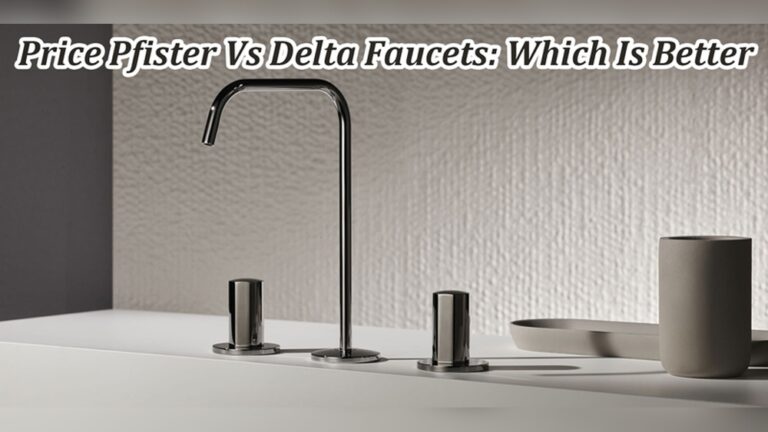
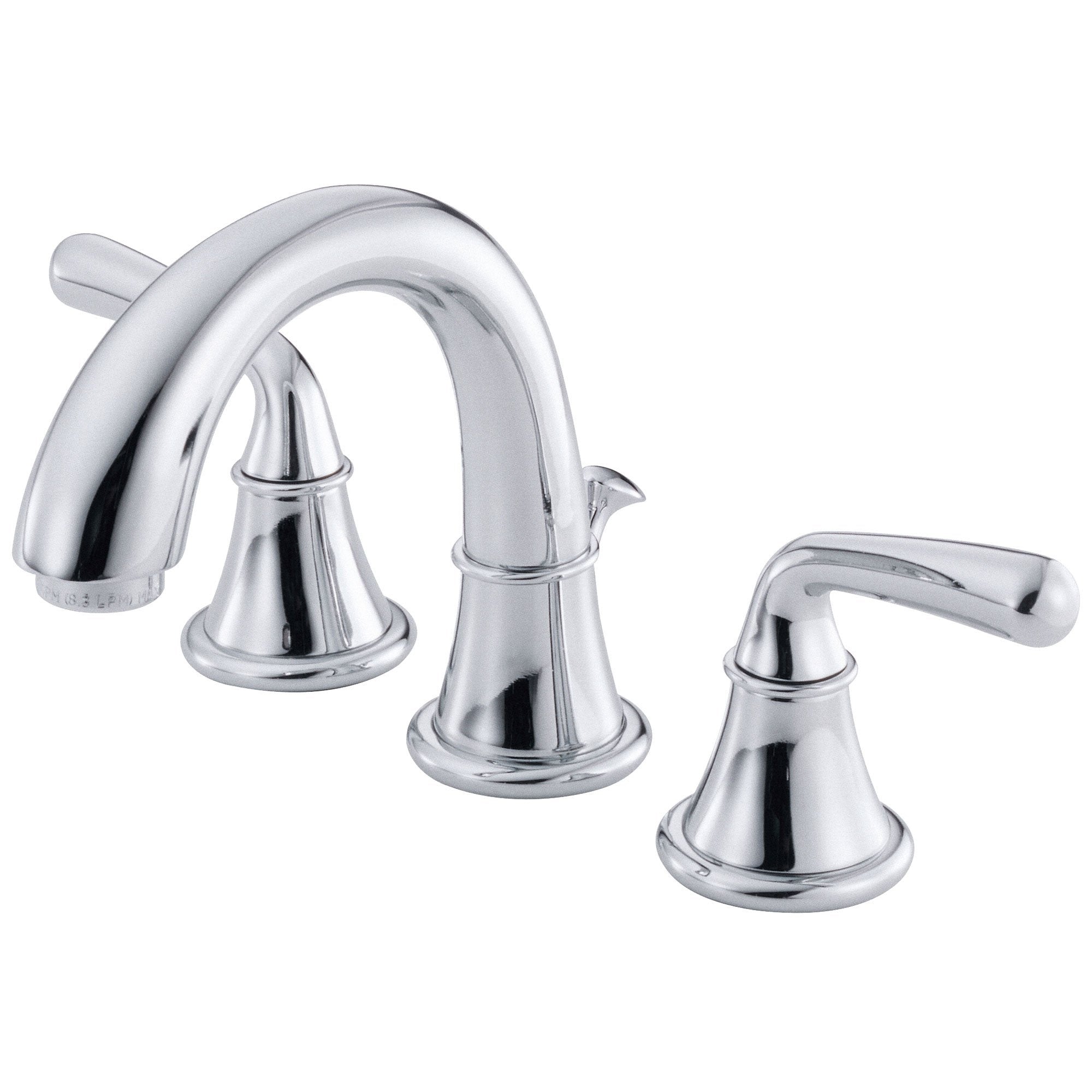
A widespread faucet is a type of bathroom faucet where the hot handle, cold handle, and spout are all separate pieces. These three parts are installed apart from each other, usually on a sink or countertop. The distance between the handles can be adjusted, giving you flexibility in design. The typical spacing for widespread faucets is 8 inches or more from handle to handle, but some can be spread even wider.
Widespread faucets are often chosen for their elegant and classic look. The separation between the spout and handles adds a sense of luxury and symmetry. They are available in many styles, from modern to traditional, and come in different finishes like chrome, brushed nickel, matte black, and more.
Key Features
- Three separate pieces: Hot handle, cold handle, and spout are not connected.
- Adjustable width: Usually 8 inches or more between handles.
- Wide style options: Fits many bathroom designs.
- Higher price range: More expensive than basic faucets.
Widespread faucets are often used in master bathrooms or larger powder rooms where the sink and countertop have enough space.
What Is A Mini Widespread Faucet?
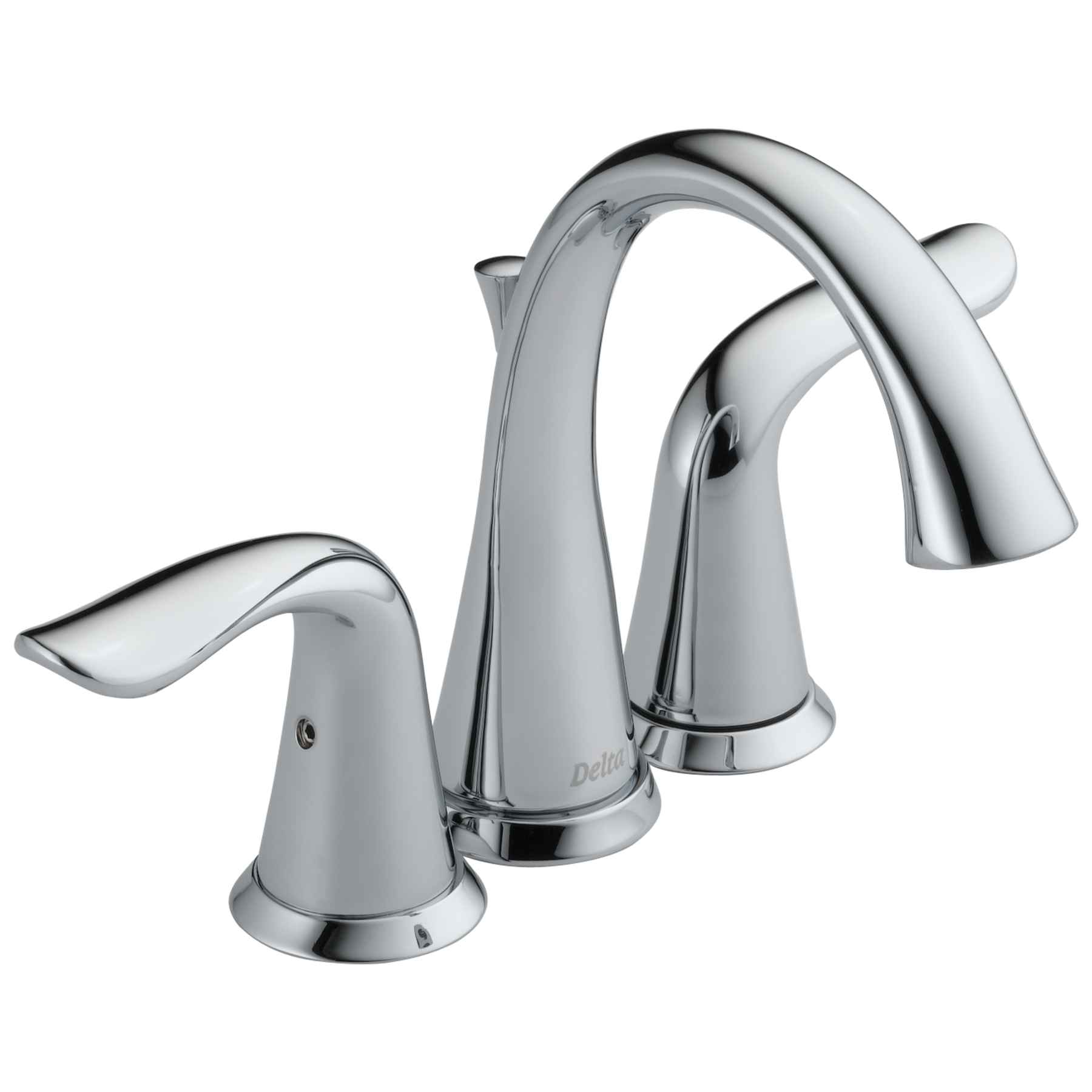
A mini widespread faucet looks similar to a regular widespread faucet, but the main difference is the spacing. The distance between the handles and spout is smaller, usually 4 inches. The handles and spout are still three separate pieces, but they are designed to fit closer together. This makes the mini widespread faucet a great option for smaller sinks or bathrooms with limited space.
Mini widespread faucets are also called 4-inch spread faucets or small widespread faucets. They provide the look of a widespread faucet but fit in areas where space is tight. You can find many of the same styles and finishes as full-sized widespread faucets.
Key Features
- Three separate pieces: Like the widespread, but closer together.
- Compact width: Usually 4 inches between handles.
- Space-saving: Fits small sinks and vanities.
- Stylish appearance: Modern and classic designs.
Mini widespread faucets are common in guest bathrooms, small powder rooms, or anywhere space is limited but you still want a stylish faucet.
Credit: faucetlist.com
Widespread Vs Mini Widespread Faucet: Key Differences
It’s easy to confuse widespread and mini widespread faucets because they look almost the same. However, there are several differences that can affect your choice. Let’s compare the main factors.
| Feature | Widespread Faucet | Mini Widespread Faucet |
|---|---|---|
| Handle Spacing | 8+ inches | 4 inches |
| Best For | Large sinks and vanities | Small sinks and vanities |
| Style Options | Very wide selection | Moderate selection |
| Installation | More flexible, but requires more space | Less flexible, fits compact areas |
| Price Range | Medium to high | Low to medium |
1. Size And Spacing
The biggest difference is the distance between the handles. Widespread faucets have 8 inches or more between handles. Mini widespread faucets are designed for 4-inch spacing. This size difference changes both the look and the fit of the faucet.
2. Where Each Fits Best
If your sink or countertop is large, a widespread faucet fits beautifully and doesn’t look cramped. For small sinks, a mini widespread faucet is ideal. It gives a similar three-piece look without taking up too much room.
3. Installation Flexibility
Widespread faucets let you adjust the distance between parts during installation. You can place the handles further apart for a dramatic effect or closer for a subtle look. Mini widespread faucets usually fit into pre-drilled 4-inch holes, so there’s less room for adjustment.
4. Style Choices
Because widespread faucets have been popular for a long time, there are more styles and finishes available. Mini widespread faucets are catching up, but you might find fewer unique or high-end options.
5. Cost
Widespread faucets tend to be more expensive because they use more material and often have more complex designs. Mini widespread faucets are usually cheaper, but high-end models can still cost a lot.
Pros And Cons Of Widespread Faucets
Understanding the benefits and drawbacks of widespread faucets helps you decide if they are right for your bathroom.
Advantages
- Elegant appearance: The separate handles and spout create a classic, high-end look.
- Flexible installation: You can adjust the spacing to fit your vanity or personal style.
- Easy to clean: With gaps between each part, it’s simple to wipe around and under the handles and spout.
- Wide variety: Many designs, finishes, and brands to choose from.
- Durable: Most widespread faucets are well-built and last a long time.
Disadvantages
- Requires more space: Not suitable for small sinks or countertops.
- Higher cost: Usually more expensive than mini widespread or centerset faucets.
- Complex installation: May need professional help, especially if your sink is not pre-drilled for widespread spacing.
- Not always water-saving: Some luxury designs use more water, so check the flow rate before buying.
Pros And Cons Of Mini Widespread Faucets
Mini widespread faucets have their own strengths and weaknesses.
Advantages
- Space-saving: Fits small sinks without looking crowded.
- Stylish look: Offers the same three-piece design as widespread faucets.
- Easier installation: Fits standard 4-inch pre-drilled holes, so often easier to install.
- Affordable: Usually less expensive than widespread models.
- Good for kids’ bathrooms: The smaller size is easier for children to use.
Disadvantages
- Less flexible: You can’t change the spacing; it’s always 4 inches.
- Limited style range: Fewer options, especially in luxury finishes.
- May look small on large vanities: Can look out of place on a big countertop.
- Water spots: The closer spacing can lead to more water spots between handles if not cleaned often.
How To Choose Between Widespread And Mini Widespread Faucets
Selecting the right faucet for your bathroom is about more than just looks. Here are key factors to help you decide:
1. Measure Your Sink And Countertop
Check how much space you have. For a widespread faucet, you need at least 8 inches between the outside holes. For a mini widespread faucet, measure for 4-inch holes. If you are replacing an old faucet, measure the distance between the holes on your sink or vanity.
2. Think About Bathroom Size And Use
Large bathrooms and master suites look best with widespread faucets. Small powder rooms, guest bathrooms, or kids’ bathrooms are often better with mini widespread faucets.
3. Consider Style And Finish
Both types come in popular finishes like chrome, brushed nickel, and oil-rubbed bronze. Widespread faucets have more unique designs, but mini widespread models offer plenty of modern and classic looks.
4. Set A Budget
Widespread faucets usually cost more, both to buy and install. Mini widespread faucets are more affordable, but high-end brands can still be expensive.
5. Check Installation Needs
If you’re installing the faucet yourself, mini widespread models are usually easier. Widespread faucets may require more tools or a plumber, especially if the holes are not already drilled.
6. Water Flow And Efficiency
Look for faucets with WaterSense labels or low-flow aerators to save water. Both types can offer efficient models, but always check the specs.
Credit: www.deltafaucet.com
Installation: What To Expect
Widespread Faucet Installation
Installing a widespread faucet can be a little tricky, especially if you’re not used to plumbing. You’ll need a sink or countertop with three separate holes, usually spaced 8 inches apart (but sometimes more). Each part—the hot handle, cold handle, and spout—needs to be attached and connected under the sink.
Steps usually include:
- Placing the spout and handles through the holes.
- Securing each piece with nuts and washers.
- Connecting the water supply lines to each handle.
- Joining the handles to the spout with flexible hoses or tubes.
- Checking for leaks and tightening connections.
It’s important to follow the manufacturer’s instructions. Some widespread faucets need special tools. Hiring a plumber is common, especially for expensive or complex models.
Mini Widespread Faucet Installation
Mini widespread faucets are designed for 4-inch, three-hole sinks. The handles and spout are separate, but they fit closer together. The installation is similar to widespread faucets but usually faster and easier. Most DIYers can handle this job with basic tools.
Steps often include:
- Inserting the spout and handles into the 4-inch spaced holes.
- Securing each part from underneath with mounting hardware.
- Connecting the water supply lines.
- Testing for leaks and adjusting as needed.
Because the holes are closer, there is less room to work under the sink, but the process is usually straightforward.
Common Mistakes To Avoid
- Wrong faucet type for your sink: Always measure the hole spacing before buying.
- Overtightening connections: This can crack the sink or faucet base.
- Skipping plumber’s tape: Use it on threaded connections to prevent leaks.
- Not checking for leaks: Always run the water and check under the sink before finishing.
Maintenance And Care
Both widespread and mini widespread faucets need regular cleaning to keep them looking new and working well.
Cleaning Tips
- Wipe the faucet with a soft cloth after each use to prevent water spots.
- For hard water stains, use a mix of vinegar and water.
- Avoid abrasive cleaners or pads that can scratch the finish.
- Check for leaks or drips regularly, especially around the handles.
Longevity
Most quality faucets last 10-20 years with proper care. Brands like Moen, Delta, and Kohler offer good warranties. Replacing washers and O-rings can fix most leaks.
Non-obvious Insights
- Finish durability varies: Brushed finishes hide water spots better than polished finishes. Matte black is trendy but can show fingerprints easily.
- Accessibility: Some widespread faucets offer lever handles, which are easier for people with limited grip strength.
Style And Design Trends
Bathroom faucet trends change often, but some features remain popular:
- Matte black and gold finishes: These are modern and add a bold touch.
- Minimalist shapes: Clean lines and simple handles are in style.
- Matching accessories: Choose towel bars, soap dispensers, and shower heads in the same finish for a coordinated look.
- Touchless technology: Some widespread faucets now offer motion sensors for hands-free use.
When choosing your faucet, think about the overall style of your bathroom. Do you want a classic look or something modern? Widespread faucets tend to have more dramatic, statement-making designs, while mini widespread models are subtle and practical.
Cost Comparison
Price is a big factor for most buyers. Here’s a look at typical costs in the US market:
| Faucet Type | Basic Model | Mid-Range Model | High-End Model | Average Installation Cost |
|---|---|---|---|---|
| Widespread Faucet | $80–$150 | $160–$350 | $400–$900+ | $150–$300 |
| Mini Widespread Faucet | $60–$120 | $130–$250 | $300–$600 | $100–$200 |
Note: Prices can vary by location and brand. Installation by a plumber is extra unless you do it yourself. Higher-end brands offer longer warranties and more durable finishes.
Real-world Examples
Let’s look at some real bathroom situations:
- Small apartment bathroom: The sink is only 16 inches wide. A mini widespread faucet fits perfectly and looks stylish without crowding the space.
- Luxury master bath: A double vanity has two large sinks, each with space for an 8-inch widespread faucet. The faucets become a design feature, matching the rest of the hardware.
- Guest powder room: Space is tight. A mini widespread faucet offers a more upscale look than a basic centerset faucet, giving a hotel-style feel in a small area.
Common Buyer Mistakes
Even experienced homeowners make errors when picking faucets. Here are mistakes to avoid:
- Ignoring sink hole spacing: Buying a faucet that doesn’t fit your sink holes leads to returns and wasted time.
- Choosing style over function: Some faucets look great but are hard to use, especially for kids or older adults.
- Forgetting about cleaning: High-gloss finishes show every water spot. If you want less cleaning, pick a brushed finish.
- Not checking water pressure: Some faucets need higher pressure to work well. Always read the specs before buying.
- Skipping warranty: A good warranty protects your investment. Reputable brands usually offer better support.

Credit: www.vandykes.com
Environmental Impact
Water use is a growing concern. Luckily, both widespread and mini widespread faucets are available in water-saving models. The EPA’s WaterSense program certifies faucets that use less water without losing performance. Choosing a WaterSense faucet can save up to 700 gallons of water per year for an average family.
Look for:
- Flow rate of 1.5 gallons per minute (GPM) or less
- WaterSense label on the packaging
This not only helps the planet but can lower your water bill over time.
Should You Hire A Professional?
Installing a faucet isn’t the hardest home project, but it does require some plumbing skill. If you’re comfortable with tools and following instructions, you might install a mini widespread faucet yourself. For widespread faucets, or if your plumbing is old or tricky, hiring a plumber is a smart choice.
Professional installation ensures:
- No leaks or water damage
- Faucet is level and secure
- Warranty stays valid (some brands require pro installation)
Mini Widespread Vs Widespread Faucets: Summary Table
Here’s a quick summary for easy comparison:
| Feature | Widespread Faucet | Mini Widespread Faucet |
|---|---|---|
| Handle Spacing | 8+ inches | 4 inches |
| Fits Sink Size | Medium-Large | Small-Medium |
| Installation Difficulty | Medium-Hard | Easy-Medium |
| Style Choices | Extensive | Good, but fewer |
| Typical Price | Higher | Lower |
| Common Use | Master baths, large vanities | Small baths, guest or kids’ baths |
Frequently Asked Questions
What Is The Main Difference Between Widespread And Mini Widespread Faucets?
The biggest difference is the distance between the handles. Widespread faucets have at least 8 inches between handles, while mini widespread faucets have just 4 inches. This affects the size of sink or vanity you can use with each type.
Can I Replace A Centerset Faucet With A Widespread Or Mini Widespread Faucet?
It depends on your sink. Centerset faucets use three holes, usually spaced 4 inches apart. You can usually install a mini widespread faucet in the same holes, but not a full widespread faucet unless you drill new holes or replace the sink.
Are Widespread Faucets Harder To Install Than Mini Widespread Faucets?
Yes, in most cases. Widespread faucets have more parts and require more space under the sink. Installation can be tricky, especially if you’re not experienced with plumbing. Mini widespread faucets are often easier to install, especially in pre-drilled 4-inch sinks.
Do Widespread Faucets Use More Water Than Mini Widespread Faucets?
Not necessarily. Water use depends on the faucet’s flow rate, not the size. Look for WaterSense-labeled faucets for both types to ensure efficient water use.
Which Faucet Type Is Best For Small Bathrooms?
Mini widespread faucets are usually better for small bathrooms or sinks. They fit tight spaces and offer a stylish three-piece look without taking up too much room.
Choosing between a widespread and a mini widespread faucet is about more than just style. It’s about finding the right fit for your bathroom’s size, your budget, and your needs. Take the time to measure, compare, and consider how you use your space. Whether you choose the bold look of a widespread faucet or the space-saving design of a mini widespread, the right faucet can make your bathroom more beautiful and functional for years to come. For further reading on faucet types and plumbing standards, visit the Wikipedia Faucet page.