Chrome Vs Brushed Nickel Kitchen Faucet: Which Is Best for You?
Choosing the right kitchen faucet is a decision that can shape both the look and function of your kitchen for years. Among the most popular finishes, chrome and brushed nickel stand out, each with its own style, benefits, and drawbacks. If you’re trying to decide between these two, you’re not alone. Many homeowners and renovators ask the same question: which is better for my kitchen—chrome or brushed nickel? Let’s dive deep into what sets them apart, how they perform in daily life, and which one might be the perfect fit for your needs.
What Are Chrome And Brushed Nickel Kitchen Faucets?
Both chrome and brushed nickel refer to the finish applied to the faucet, not the metal underneath. The finish impacts the faucet’s color, shine, durability, and maintenance.
A chrome faucet is coated with a thin layer of chromium, giving it a shiny, mirror-like surface. It’s one of the most common finishes in modern kitchens.
A brushed nickel faucet uses nickel plating, but the surface is brushed with a tool to create fine lines. This results in a softer, matte appearance that doesn’t reflect as much light.
Understanding these differences is the first step in picking the best option for your kitchen.
Appearance And Style
The way a faucet looks can change the mood of your kitchen. Here’s how each finish affects style:
Chrome: Sleek And Reflective
Chrome is famous for its mirror-like shine. It reflects light well, so it can make smaller kitchens look brighter and more spacious. Chrome fits well in modern, contemporary, and minimalist designs. If you want your faucet to stand out, chrome is a bold choice.
However, this high shine also means that fingerprints and water spots show up easily. For some, this is a deal-breaker, especially in busy kitchens.
Brushed Nickel: Warm And Subtle
Brushed nickel has a soft, muted look. The finish is less reflective because of the tiny brush marks. It blends seamlessly with many kitchen styles, from traditional to transitional and even rustic. The tone is slightly warmer than chrome, giving a cozy feel.
One key advantage: brushed nickel hides fingerprints and water spots much better than chrome. The matte surface is more forgiving, so your faucet looks cleaner between wipe-downs.
Durability And Longevity
A kitchen faucet is used dozens of times each day, so durability is essential. Both chrome and brushed nickel are tough, but they each have unique strengths.
Chrome: Tough Against Corrosion
Chrome plating is highly resistant to corrosion and tarnish. When properly maintained, a chrome faucet can keep its shine for years. The smooth surface is also less likely to hold onto dirt and grime.
But, chrome can scratch more easily than brushed nickel. Even small scratches can become visible over time, especially on the shiny surface.
Brushed Nickel: Scratch-resistant Strength
Brushed nickel is also resistant to corrosion, but its biggest strength is scratch resistance. The brushed finish naturally hides small scratches and dings. This makes it an excellent choice for busy kitchens or homes with kids.
Over many years, some brushed nickel faucets may develop a slight patina (a soft change in color), but many homeowners like this gentle aging.
Maintenance And Cleaning
Nobody wants to spend hours cleaning a faucet. Maintenance is a key factor for most families.
Chrome: Needs Frequent Wiping
Because chrome is so shiny, it shows water spots, fingerprints, and soap scum quickly. You’ll need to wipe it down more often to keep it looking perfect. A soft cloth and mild soap are usually enough for daily cleaning.
Hard water can be a problem, as minerals leave marks that are easy to see. If you have hard water, expect to clean a chrome faucet more often.
Brushed Nickel: Easy To Keep Clean
Brushed nickel’s matte finish hides smudges and spots well. You won’t need to clean it as often, and it keeps a tidy look even in messy kitchens. For most people, a weekly wipe with a damp cloth is enough.
One thing to note: some harsh cleaners can damage brushed nickel over time. Stick to gentle cleaning products to preserve the finish.
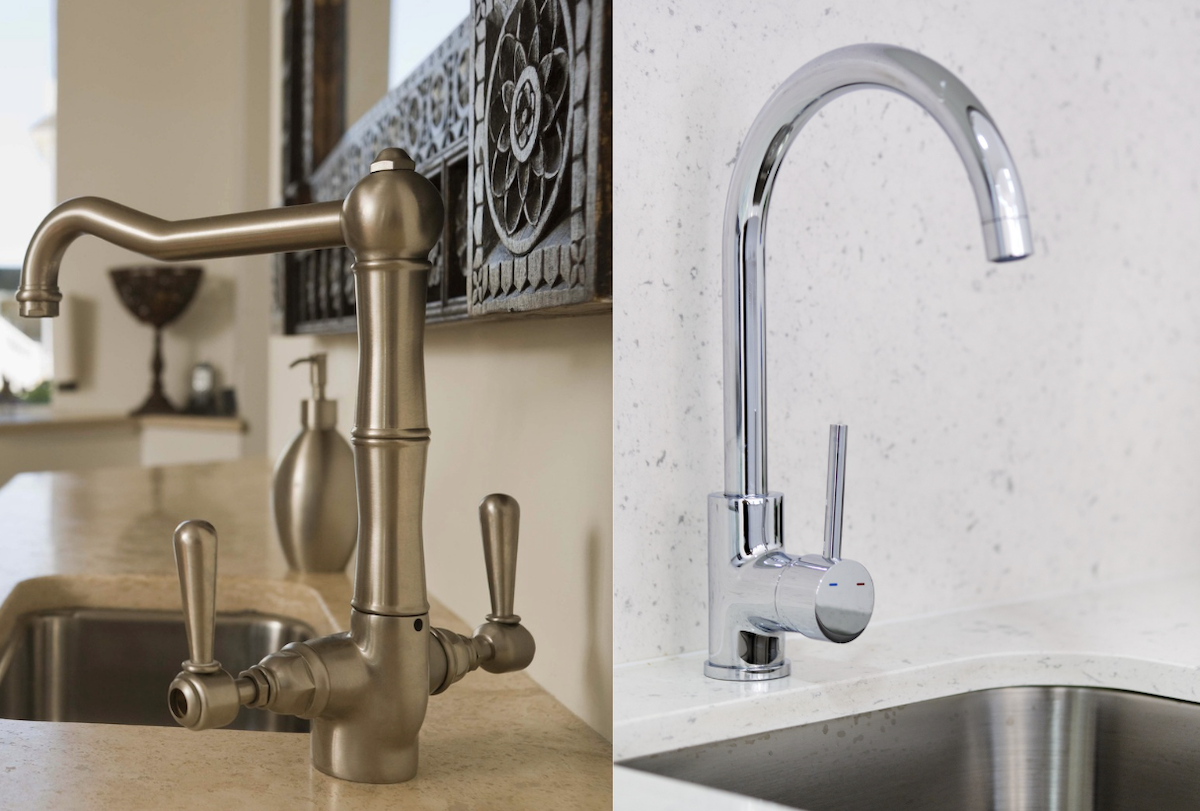
Credit: www.bobvila.com
Cost Comparison
Budget is always important. Here’s how chrome and brushed nickel faucets compare in price.
Chrome: The Affordable Classic
Chrome is often the least expensive finish. That’s because the process to make it is simple and fast, and chrome is widely available. If you want to save money or need to buy multiple faucets, chrome is a wallet-friendly option.
Brushed Nickel: Slightly More Expensive
Brushed nickel usually costs 10% to 30% more than chrome. The brushing process takes extra time, and the material itself is a bit pricier. However, the difference is usually small compared to the total cost of a kitchen renovation.
For many, the extra expense is worth it for the added durability and easier maintenance.
Matching With Kitchen Decor
The finish of your faucet should work with the other elements in your kitchen. Here’s how chrome and brushed nickel fit with popular styles.
Chrome: Best For Modern And Minimalist Kitchens
If your kitchen has stainless steel appliances, glass, or high-gloss cabinets, chrome is a natural match. Its cool, shiny look pairs perfectly with these materials. Chrome also works well in kitchens with black or white color schemes.
Brushed Nickel: Versatile And Timeless
Brushed nickel is more flexible. It fits with:
- Warm-colored cabinets (like wood or cream)
- Stone or tile countertops
- Matte or natural surfaces
Because brushed nickel is less “cold” than chrome, it’s ideal for cozy, traditional, or farmhouse-style kitchens. It also works well with stainless steel, but in a more understated way.
Popularity And Trends
Trends can help you decide if you want your kitchen to look classic or up-to-date.
Chrome: Always In Style
Chrome has been around for decades. It’s a timeless choice that never looks outdated. Even as new finishes come and go, chrome remains a favorite for its clean, polished look.
Brushed Nickel: Growing In Demand
In the past 15 years, brushed nickel has become more popular. Many designers and homeowners like its soft, modern look. It’s now one of the most requested finishes for new kitchens and remodels, especially in North America.
Comparing Performance: Everyday Use
The true test of a faucet is how it handles daily life. Let’s look at performance factors like grip, temperature change, and durability in action.
Grip And Feel
Both finishes feel smooth, but brushed nickel’s texture can give a slightly better grip, especially if your hands are wet. Chrome is more slippery, which can be a minor issue if you have young children or elderly family members.
Temperature Sensitivity
Chrome can feel colder to the touch, especially in winter. Brushed nickel, with its softer feel, is less sensitive to temperature swings. This is a small detail, but it can make a difference if you use your faucet often.
Wear And Tear
In busy kitchens, accidents happen—pots bang, rings scratch, children play. Brushed nickel’s finish naturally hides minor dings and scratches, helping it look new for longer. Chrome, while tough, shows these marks more easily.

Credit: nelsonkb.com
Comparing Water Spot And Fingerprint Resistance
To help visualize the practical differences, here’s a side-by-side comparison:
| Feature | Chrome | Brushed Nickel |
|---|---|---|
| Water Spot Resistance | Poor | Good |
| Fingerprint Visibility | High | Low |
| Ease of Cleaning | Frequent needed | Less frequent |
Installation And Availability
Both chrome and brushed nickel faucets are widely available in stores and online. Installation for both is similar; the finish does not affect how the faucet is mounted or connected.
Chrome options are usually easier to find in stores, especially if you need a replacement quickly. Brushed nickel is also common, but there may be fewer models to choose from in lower price ranges.
Environmental Impact
Sustainability is more important than ever. If you care about the environment, consider how each finish is made.
Chrome Plating Process
The process for chrome plating uses hexavalent chromium, which can be toxic if not handled properly. Most modern factories manage this risk well, but some environmentalists prefer to avoid chrome.
Brushed Nickel Process
Brushed nickel uses nickel plating, which is less hazardous than chrome. However, nickel mining and processing still have an environmental impact. Both finishes can be recycled if the faucet is ever replaced.
Real-world Case Studies
Sometimes, the best way to choose is to look at real kitchens and how the finishes perform over time.
Case Study 1: Busy Family Kitchen
A family of five chose a brushed nickel faucet. After two years, the finish still looks new. The parents note that they only need to clean it once a week, and they appreciate not seeing fingerprints after every meal.
Case Study 2: Modern Apartment
A young couple picked a chrome faucet for their high-rise apartment. They love the shine and how it matches their stainless steel appliances. However, they mention that water spots are visible after every use, so they keep a cloth nearby for daily wipes.
Case Study 3: Rental Property
A landlord installed chrome faucets in three rental units. He chose chrome for its lower cost and classic style. Over five years, some faucets developed scratches and small areas of dullness, but most tenants liked the look.
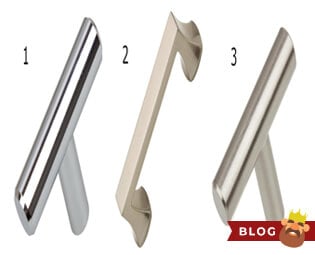
Credit: kitchencabinetkings.com
Comparing Lifespan And Warranty
Manufacturers usually offer similar warranties for both finishes, often ranging from 5 to 10 years. The actual lifespan depends more on usage, water quality, and cleaning habits than the finish alone.
However, because brushed nickel hides wear better, it often looks newer for longer than chrome, especially in high-use kitchens.
Choosing The Right Finish For Your Needs
To help you decide, here’s a practical comparison of situations where one finish might be better than the other:
| Your Situation | Best Finish | Why |
|---|---|---|
| Modern, high-gloss kitchen | Chrome | Matches style, adds shine |
| Busy family, kids at home | Brushed Nickel | Hides spots, easier maintenance |
| Low budget | Chrome | Cheaper, widely available |
| Traditional or cozy kitchen | Brushed Nickel | Warm tone, blends well |
| Hard water in area | Brushed Nickel | Better at hiding spots |
Two Non-obvious Insights For Beginners
- Lighting matters: The finish you choose can look very different under your kitchen lights. Chrome may look too cold under cool LED lighting, while brushed nickel’s warmth can help balance harsh lights. Always look at finish samples under your actual kitchen lights before deciding.
- Mixing finishes is possible: Many designers now mix chrome and brushed nickel in the same kitchen. For example, you might have a brushed nickel faucet but chrome cabinet handles. This can add depth and interest without clashing, as long as you repeat each finish at least twice.
Common Mistakes To Avoid
- Ignoring water quality: If you have hard water, brushed nickel will save you cleaning time.
- Not matching appliances: If you have mostly stainless steel and chrome, a brushed nickel faucet might look out of place.
- Over-cleaning: Using harsh chemicals or abrasive pads can ruin both finishes. Stick to gentle cleaners.
Practical Tips For Choosing
- Bring home finish samples if possible and hold them against your cabinets and counters.
- Think about who will use the kitchen most—kids, guests, renters—and choose for easy care if needed.
- Check the warranty for each finish before buying, as some brands offer better coverage on one type.
- Consider long-term trends. Chrome is less likely to look outdated after ten years.
Final Thoughts: Which Finish Wins?
Both chrome and brushed nickel kitchen faucets have strong advantages. Chrome is bold, classic, and affordable, while brushed nickel is subtle, forgiving, and increasingly popular. The right choice depends on your kitchen’s style, your budget, and how much time you want to spend cleaning.
In high-traffic kitchens, brushed nickel often wins for its low maintenance and durability. For sleek, modern spaces or those on a tight budget, chrome remains a smart, stylish option.
Remember, the best faucet is one that makes you smile every time you use it. Take your time, compare finishes in person, and think about the long-term. If you want to see more detailed data about faucet finishes and trends, you can check this Houzz Magazine article for inspiration.
Frequently Asked Questions
What Is The Main Difference Between Chrome And Brushed Nickel Kitchen Faucets?
The main difference is in the finish. Chrome has a shiny, mirror-like surface, while brushed nickel has a soft, matte look with fine lines. Chrome is more reflective and shows spots easily, while brushed nickel hides fingerprints and spots better.
Is Brushed Nickel More Durable Than Chrome?
Both are durable, but brushed nickel is better at hiding scratches and minor wear. Chrome can scratch more easily, but both finishes will last for years with proper care.
Which Finish Is Easier To Clean?
Brushed nickel is easier to keep looking clean because it hides water spots and fingerprints. Chrome needs more frequent wiping to stay shiny, especially in homes with hard water.
Does The Price Differ Much Between Chrome And Brushed Nickel Faucets?
Yes, chrome faucets are usually about 10–30% cheaper than brushed nickel ones. The difference is small compared to a full kitchen remodel, but it can add up if you’re buying several faucets.
Can I Mix Chrome And Brushed Nickel In The Same Kitchen?
Yes, you can mix finishes if you repeat each one in more than one place. For example, use brushed nickel for the faucet and lighting, and chrome for handles. Mixing can add interest, but make sure the overall look is balanced.