Faucet Cover Vs Dripping: Which Saves More Water and Money?
Every winter, homeowners face a familiar problem: how to keep outdoor faucets from freezing and bursting. Two common solutions are using a faucet cover or letting the faucet drip during freezing temperatures. Both methods aim to prevent water pipes from freezing, but they work in very different ways. Many people wonder which method is better, safer, cheaper, or easier. This article will help you understand the differences, benefits, and drawbacks of each approach, and provide you with practical advice so you can protect your home and avoid expensive repairs.
Understanding The Problem: Why Faucets Freeze
When temperatures drop below freezing, the water inside your pipes can turn into ice. Frozen water expands, which creates pressure inside the pipe. If the pressure gets too high, the pipe can crack or burst. This often leads to water damage, costly repairs, and a lot of stress. Outdoor faucets, also called hose bibs or spigots, are especially at risk because they are exposed to cold air.
Frozen pipes are not just a problem in very cold regions. Even in warmer climates, a sudden cold snap can catch homeowners off guard. According to the Insurance Institute for Business & Home Safety, a burst pipe can cause more than $5,000 in water damage on average. This makes prevention very important.
What Is A Faucet Cover?
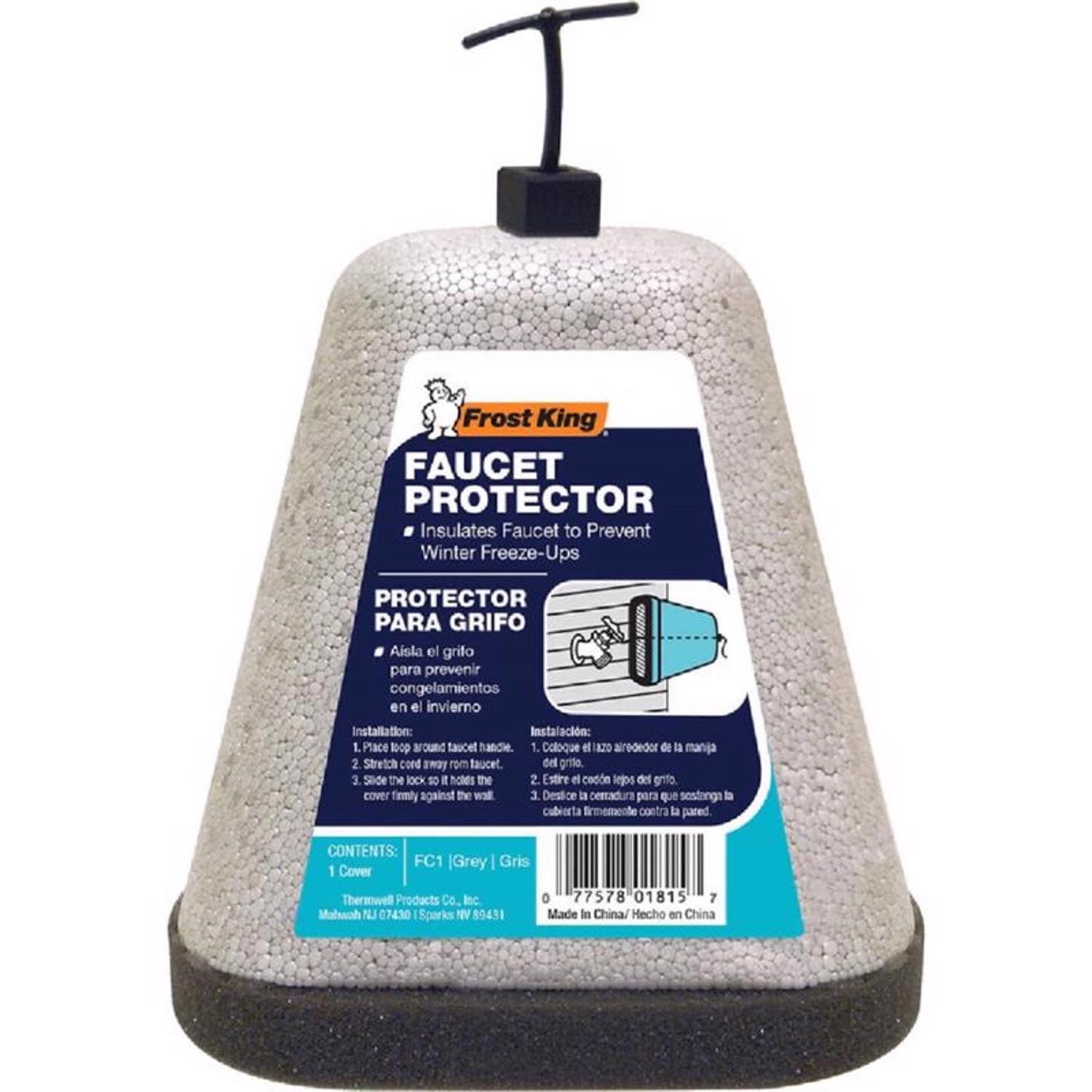
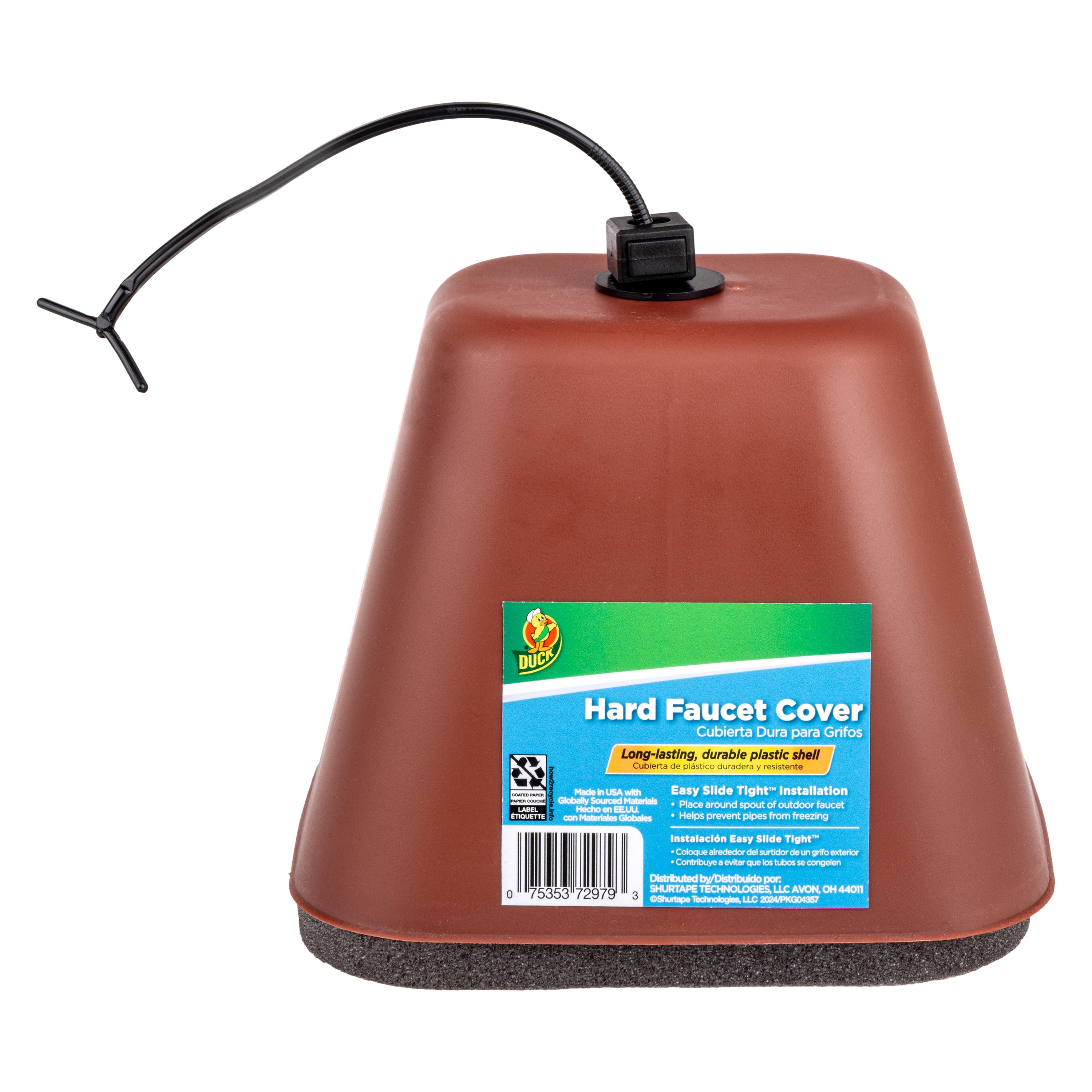
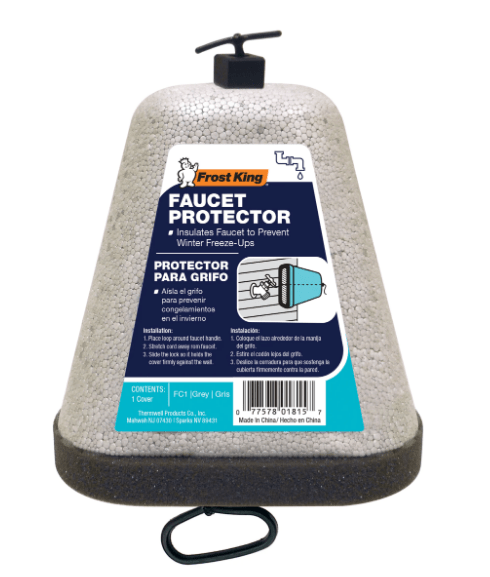
A faucet cover is a protective device designed to insulate outdoor faucets during cold weather. Most faucet covers are made from foam, plastic, or a combination of both. They fit securely over the faucet, creating a barrier that helps keep warm air in and cold air out.
There are several types of faucet covers:
- Foam dome covers: These are the most common. They look like small domes and are very easy to install.
- Rigid plastic covers: These are more durable and sometimes lined with insulation.
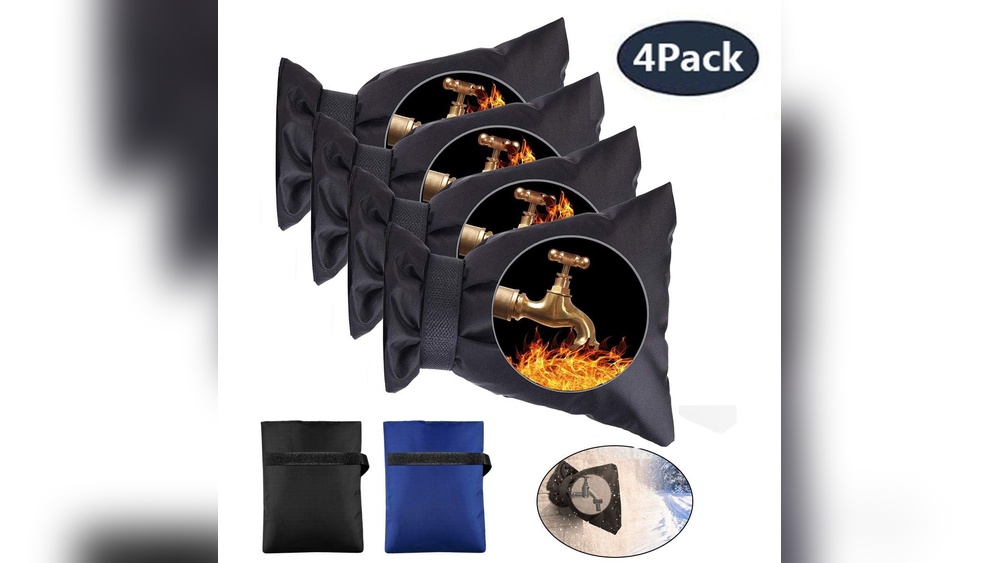
- Sock-style covers: Made from thick, insulated fabric, these slip over the faucet like a glove.
Faucet covers are cheap (often less than $10) and can be reused for several years. They are sold at most hardware stores and online.
Credit: www.gemefindustries.com
How Do Faucet Covers Work?
The main purpose of a faucet cover is insulation. By trapping warm air around the faucet, the cover keeps the metal and the water inside above freezing temperatures for longer. This reduces the risk of ice forming inside the faucet or the short length of pipe just behind it.
It’s important to note that a faucet cover doesn’t actually heat the faucet. It simply slows down the transfer of heat from the pipe to the cold outside air. If the temperature stays below freezing for a long time, the cover may not be enough by itself.
What Does “letting The Faucet Drip” Mean?
Another popular method to prevent freezing is to let the faucet drip. This means you open the faucet just a little bit so that water flows out slowly, drop by drop. The idea is to keep water moving inside the pipe, which makes it less likely to freeze.
Moving water is harder to freeze than still water. Even a slow drip can be enough to prevent ice from forming inside the pipe. This method is especially useful during very cold nights or when you can’t insulate the faucet easily.
Credit: www.gemefindustries.com
How Letting The Faucet Drip Prevents Freezing
When you let the faucet drip, you relieve pressure in the pipe and keep a small amount of water moving. This has two main effects:
- Reduced pressure: If ice does start to form, the open faucet gives expanding water somewhere to go, reducing the risk of a burst pipe.
- Increased movement: Flowing water doesn’t freeze as easily as still water. The constant movement helps keep the temperature above freezing inside the pipe.
It’s important to use a slow, steady drip—not a full flow. Otherwise, you’ll waste a lot of water and increase your utility bill.
Faucet Cover Vs Dripping: Direct Comparison
To help you decide which method is best, let’s compare faucet covers and dripping across several important factors.
| Feature | Faucet Cover | Letting Faucet Drip |
|---|---|---|
| Cost | Low (one-time purchase) | Ongoing (higher water bill) |
| Water Usage | None | Moderate (depends on drip rate & duration) |
| Environmental Impact | Minimal | Waste of water |
| Effectiveness | Good for mild/moderate freezes | Better for severe cold |
| Maintenance | Install once per season | Monitor regularly |
| Installation Effort | Very easy | Very easy |
| Reusability | Yes | No |
| Risk of Forgetting | Low (set and forget) | Medium (must remember to drip on cold nights) |
Cost Comparison
Faucet covers are a one-time investment. Most cost between $3 and $10. You buy them once and use them every winter. Letting a faucet drip, on the other hand, means you’re paying for extra water every time you use this method. The extra cost depends on how many faucets you leave dripping, how fast they drip, and for how many hours.
According to the Environmental Protection Agency, a slow drip can waste up to 5 gallons of water per day per faucet. Over a week of cold weather, this can add up to over 35 gallons per faucet.
Water Usage And Environmental Impact
Using faucet covers does not waste any water. Dripping faucets, however, can waste a significant amount of water, especially if you have several outdoor taps. In areas with water shortages or restrictions, this can be a serious drawback.
If you care about the environment, faucet covers are the greener choice. Even a small drip, multiplied across many homes, uses millions of gallons of water every winter.
Effectiveness In Different Conditions
Faucet covers work very well in areas with mild or occasional freezes. They provide enough insulation to protect pipes during short cold snaps. However, in extremely cold weather (below 20°F or -6°C for many hours), the insulation may not be enough.
Letting the faucet drip is more effective in very cold conditions. If you live in a place where temperatures stay below freezing for days at a time, letting the faucet drip may be the safer option.
Effort And Maintenance
Installing a faucet cover is simple: just fit it over the faucet and secure it. You don’t have to check it daily. Dripping requires you to remember to turn on the faucet before a freeze and turn it off when temperatures rise. It’s easy to forget, especially if you have many outdoor taps.
Risk Of Forgetting
It’s common for homeowners to forget to drip their faucets before a freeze. With faucet covers, you can install them at the start of winter and leave them on until spring. This “set it and forget it” approach is much easier for busy people.
When To Use A Faucet Cover
A faucet cover is best when:
- You live in an area with short, mild cold snaps
- You want to avoid wasting water
- You prefer a low-maintenance solution
- You have easy access to the outdoor faucet
Faucet covers are not a magic shield. If temperatures drop extremely low for a long time, you may need extra protection.
When To Let The Faucet Drip
Letting the faucet drip is best when:
- You expect severe, prolonged freezing temperatures
- You don’t have a faucet cover available
- The faucet is in a very exposed, windy area
- The pipe is not insulated or hard to reach
Dripping is a good backup plan if you forget to install a cover or if the weather turns colder than expected.
Combining Both Methods
Some homeowners choose to combine both methods for extra protection. They install a faucet cover and also let the faucet drip during the coldest nights. This is especially common in areas with unpredictable weather or when you want peace of mind.
Using both methods provides a double layer of safety, but you will still use extra water if you let the faucet drip.
Practical Steps For Protecting Outdoor Faucets
Here are some practical steps to make sure your outdoor faucets stay safe during winter:
- Remove hoses and splitters: Always disconnect garden hoses and any attachments from outdoor faucets. Water trapped inside can freeze and damage the faucet or hose.
- Drain the faucet: If you have a shut-off valve inside the house, turn it off and let the outdoor faucet drain completely.
- Install a faucet cover: Fit the cover snugly over the faucet and secure it tightly.
- Check for gaps: Make sure the cover is tight and there are no gaps where cold air can enter.
- Let the faucet drip (if needed): On very cold nights, turn the faucet on just enough to let it drip slowly.
- Monitor the weather: Be aware of upcoming freezes and prepare in advance.
Here’s a summary of these steps:
| Step | Action | Why It Matters |
|---|---|---|
| 1 | Remove hoses/splitters | Prevents trapped water from freezing and damaging faucet |
| 2 | Drain faucet (if possible) | Removes water that could freeze |
| 3 | Install faucet cover | Adds insulation against cold air |
| 4 | Check for gaps | Ensures effective insulation |
| 5 | Let faucet drip (if needed) | Keeps water moving, prevents freezing in severe cold |
| 6 | Monitor weather | Gives you time to prepare |
Credit: fixandfeed.com
Common Mistakes Homeowners Make
Many people think their pipes are safe, but small mistakes can lead to big problems. Here are a few common errors to avoid:
- Leaving hoses attached: This traps water and almost guarantees a frozen faucet.
- Using only a cover in severe cold: Faucet covers are great, but not always enough if temperatures stay very low for days.
- Forgetting to drip or turn off the faucet: Dripping only helps if you remember to turn it on before a freeze and off afterward.
- Ignoring hidden pipes: Pipes in unheated garages, crawl spaces, or basements can also freeze. Insulate these too.
One insight beginners often miss is that even one exposed pipe can cause a lot of damage. Always check all outdoor faucets, even ones you rarely use.
Special Cases: Frost-free Faucets And Pipe Insulation
Some homes have frost-free faucets. These are designed so that the shut-off valve is inside the house, where it’s warmer. When you turn off the faucet, water drains out of the exposed section, leaving nothing to freeze.
If you have frost-free faucets, you may not need a cover or to let them drip. However, if the faucet is very old, not installed at the right angle, or if hoses are left attached, it can still freeze. Check the manufacturer’s advice for your specific model.
Another option is to use pipe insulation. Foam pipe sleeves or heat tape can protect pipes in unheated areas. These are useful for pipes that run through garages, crawl spaces, or basements.
Which Method Is Best For You?
The best solution depends on where you live, how cold it gets, and how much effort you want to put in. Here are some guidelines:
- If you live in a mild climate: Faucet covers alone are usually enough.
- In cold climates with short freezes: Use covers, and let faucets drip on the coldest nights.
- In very cold regions: Combine faucet covers, dripping, and pipe insulation for the best protection.
- For vacation homes or rentals: Faucet covers are easier, since you may not be around to turn on a drip.
Remember, no method is perfect. Both approaches have pros and cons. The most important thing is to take some action before temperatures drop.
Real-life Examples And Stories
Many homeowners have learned about frozen pipes the hard way. For example, in Texas during the 2021 winter storm, thousands of homes suffered burst pipes. Many people thought faucet covers alone would be enough, but the extreme cold lasted for days.
Those who combined covers with dripping had fewer problems.
In contrast, some people in mild climates have never had a problem with pipes, even without covers or dripping. But unexpected weather can change that quickly. It’s always better to be prepared than to take a chance.
A plumber in Minnesota once shared that he almost never gets calls from homes that both cover and drip their faucets. Most emergency repairs come from people who forgot to do either.
Long-term Solutions And Upgrades
If you want to avoid worrying about this problem every winter, consider some long-term upgrades:
- Install frost-free faucets: These are more resistant to freezing.
- Add pipe insulation: Especially in exposed or unheated areas.
- Install indoor shut-off valves: Allows you to drain outdoor faucets completely in winter.
- Smart home alerts: Devices can monitor temperature and send alerts if pipes are at risk of freezing.
These upgrades cost more up front but can save you thousands in repairs over the years.
Environmental And Community Considerations
Water is a valuable resource, and even small drips add up. In some cities, water restrictions make dripping illegal or strongly discouraged. Always check your local rules before letting faucets drip.
If you have elderly neighbors or people with limited mobility nearby, consider helping them cover their faucets or set up a drip. A small act of kindness can prevent a big disaster.
Expert Opinions And Research
Plumbers and home safety experts generally agree that both faucet covers and dripping can be effective, but each has limits. According to Angi, the most common cause of frozen pipes is not taking any protective action at all.
Many professionals recommend combining both methods when possible, especially during extreme cold snaps. Also, don’t forget about pipes inside garages, basements, or crawl spaces—these are often overlooked and at just as much risk as outdoor faucets.
Frequently Asked Questions
What Is The Best Way To Protect Outdoor Faucets From Freezing?
The best way is to use a faucet cover for insulation and let the faucet drip during very cold weather. Combining both methods gives you the most protection, especially in areas where temperatures stay below freezing for a long time.
Does Dripping The Faucet Waste A Lot Of Water?
Yes, even a slow drip can add up to several gallons per day. Over a week, this can mean dozens of gallons per faucet. In areas with water shortages, this can be a concern.
Can I Use Both A Faucet Cover And Let The Faucet Drip At The Same Time?
Absolutely. Many experts recommend using both methods during extreme cold. The cover insulates, while the drip keeps water moving, providing a double layer of protection.
Are Faucet Covers Reusable?
Yes, most faucet covers are designed to last for several winters. Store them in a dry place during the summer and check for damage before reinstalling.
What Should I Do If My Outdoor Faucet Is Already Frozen?
Turn off the water supply to the pipe if possible. Do not try to force the faucet open. Use a hair dryer or heat lamp to gently warm the area around the pipe. Never use an open flame. If the pipe is cracked or you suspect a burst, call a plumber immediately.
Taking action before the freeze hits is always easier than dealing with the damage afterward. Whether you choose a faucet cover, dripping, or both, a little preparation can save you from a big headache and expensive repairs. Stay safe and keep your home dry this winter!