Air Gap Vs Non Air Gap Faucet: Which Is Best for Your Home?
Many people do not think much about the small faucet on top of their kitchen sink, but if you have a reverse osmosis (RO) water filter or plan to install one, you will face a key decision: air gap or non air gap faucet? These two types of faucets look similar but serve different purposes and have important differences in safety, installation, maintenance, and even how they sound. Homeowners, renters, and even plumbers sometimes get confused. Choosing the wrong one can lead to plumbing code violations or even water contamination risks.
This guide will help you understand everything about air gap vs non air gap faucet. You will learn how each works, why codes matter, what’s easier to maintain, and how to choose the right faucet for your situation. We will also look at common mistakes and clear up myths that are often repeated online.
If you want safe, great-tasting drinking water and peace of mind, read on.
What Is An Air Gap Faucet?
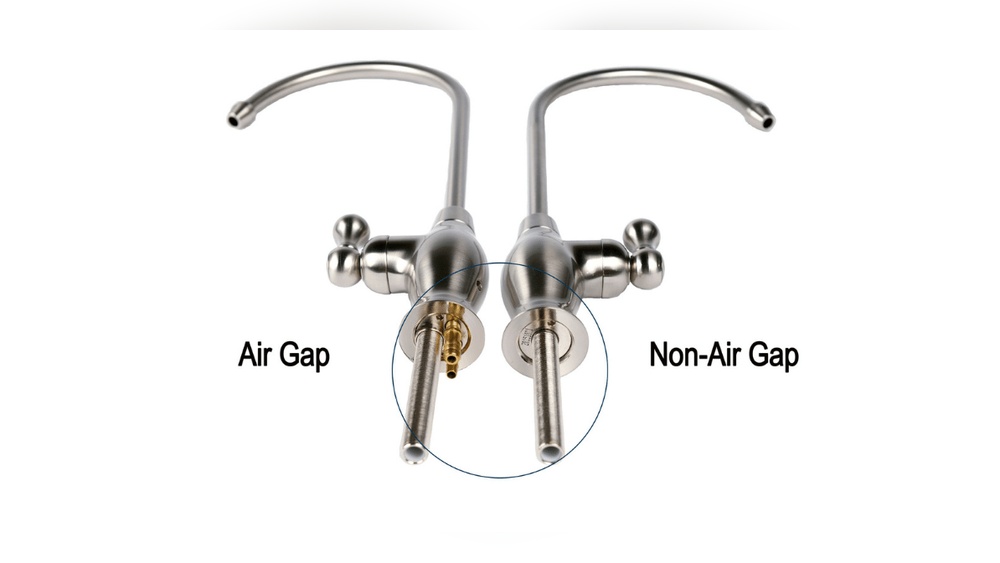
An air gap faucet is a special faucet designed for RO or other water filtration systems. Its main purpose is to protect your drinking water from contamination by preventing dirty water from the drain from flowing back into your clean filtered water supply.
The air gap is a physical space (a gap of air) between the RO drain line and the household drain line. In simple terms, if there is a clog in your kitchen drain, dirty water cannot travel backwards into the RO system because the air gap breaks the path. This is a safety feature and, in many locations, required by plumbing codes.
How it works: An air gap faucet has three tubes beneath it:
- The first tube brings filtered water to your faucet.
- The second tube carries reject (waste) water from the RO system up to the air gap inside the faucet.
- The third tube sends that waste water from the air gap down to the sink drain.
The air gap is between the second and third tube. Water from the RO system flows up into a chamber, passes through air, and then goes down the drain. If the drain backs up, it can only reach the air gap, not your filtered water.
What Is A Non Air Gap Faucet?
A non air gap faucet is a simpler type of faucet used with water filtration systems. It does not have the air gap feature or the extra tubes. Instead, it connects the filtered water line directly to the faucet, and waste water from the RO system is sent straight to the drain through a separate tube.
This design is often chosen for its quiet operation, easier installation, and sleeker look. However, it does not provide the same protection against backflow of dirty water. In places where plumbing codes do not require an air gap, non air gap faucets are more common.
How it works: The non air gap faucet usually has only one tube beneath it, which brings filtered water up from the RO system. Waste water is sent directly to the drain using a separate saddle valve or drain connection, without passing through the faucet.
How Air Gap And Non Air Gap Faucets Differ
Understanding the differences is essential before you choose one for your home. Here’s how they stack up:
| Feature | Air Gap Faucet | Non Air Gap Faucet |
|---|---|---|
| Number of Tubes | Three | One |
| Backflow Protection | Yes | No |
| Noise Level | Often noisy | Quiet |
| Installation Difficulty | Harder | Easier |
| Required by Code | In many places | Rarely |
| Maintenance | Can clog, needs cleaning | Low maintenance |
| Appearance | Usually bulkier | Sleeker, more styles |
Why Backflow Protection Matters
Backflow happens when dirty water from your sink drain flows backward into your clean water lines. This can occur if there is a clog or high pressure in the drain pipes. The air gap is a simple way to stop this: there is no physical connection between the drain and clean water, so nothing can flow back.
If backflow occurs in a non air gap system, contaminated water can mix with your filtered water, which defeats the main reason for having an RO system. While rare, this can happen if you have a serious drain backup or a blocked pipe.
If you live in an area where waterborne illnesses are a risk, or plumbing codes are strict, you should always choose an air gap faucet.
Where Each Faucet Type Is Used
Air Gap Faucet Usage
- Required by codes: In many cities and states in the USA, plumbing code demands an air gap for RO systems. California, Minnesota, and many other states have this rule.
- Apartments and condos: Multi-unit buildings often require air gaps to protect everyone’s water supply.
- Homes with old plumbing: If your drain clogs often, air gap is safer.
Non Air Gap Faucet Usage
- Places with relaxed codes: Many areas, especially outside the USA, do not require air gaps for RO systems.
- Upgrades or replacements: If your old faucet had only one hole, a non air gap faucet will fit easily.
- People who want quiet operation: Some homeowners choose non air gap to avoid the “gurgling” noise of air gap faucets.
Important note: Installing a non air gap faucet where code requires an air gap could void your home insurance or cause problems if you sell the house.
Installation: What You Need To Know
Air Gap Faucet Installation
Installing an air gap faucet is more complex and takes longer. You will need:
- A larger mounting hole: Air gap faucets usually need a 1-1.25 inch hole, while non air gap faucets fit smaller holes.
- Three tube connections under the faucet: Incoming filtered water, RO drain up, and RO drain down.
- Extra tubing and fittings: The drain lines must be connected carefully to prevent leaks.
- Drilling into your drain pipe: You have to install a special saddle valve (drain connector) for the waste line.
Mistakes during installation can lead to leaks or drain water spilling onto your countertop. Plumbers recommend double-checking all tubing and making sure the air gap vent points downwards.
Non Air Gap Faucet Installation
This is much simpler:
- Only one small hole is needed for the faucet.
- Only one tube brings filtered water to the faucet.
- Waste water is sent directly to the drain with a saddle valve, not through the faucet.
Most DIYers find non air gap faucets less stressful to install. You don’t need to worry about extra hoses or possible air gap clogs.
Maintenance And Troubleshooting
Air Gap Faucet
Because air gap faucets have more tubes and a vent, they sometimes need extra attention.
Common issues:
- Gurgling noise: This is normal. It happens as water falls through the air gap into the drain.
- Water leaking onto the counter: This usually means the drain line is clogged or the tubing is loose. If you see water leaking from the air gap vent, clean the drain line.
- Mineral buildup: Over time, minerals can block the air gap vent. Remove the faucet and clean the lines with vinegar or a small brush.
Tip: Check the air gap vent every six months, especially if your water is hard or you have frequent drain problems.
Non Air Gap Faucet
Maintenance is easier:
- If you hear a gurgling noise, it is usually from the drain, not the faucet.
- Few moving parts means fewer problems.
- Once installed, non air gap faucets rarely need attention.
Watch out for: If you notice any smell or taste in your water, check the RO system filters rather than the faucet.
Noise: What To Expect
Air gap faucets are known for making a gurgling sound when the RO system is running. This noise comes from water moving through the air gap chamber and falling into the drain. Some people find it annoying, especially in quiet kitchens.
Non air gap faucets are usually silent because the waste water goes directly to the drain. If you want a silent kitchen, and your codes allow it, a non air gap faucet is the better choice.
Appearance And Design Choices
Non air gap faucets come in more styles and finishes. Because they have only one tube, they can be sleeker, thinner, and more modern looking. Many brands offer them in stainless steel, chrome, matte black, and even designer colors.
Air gap faucets are often bulkier under the counter due to extra tubes and parts. However, modern designs are getting better, and you can now find air gap faucets in attractive finishes too. If you want your water faucet to match your main kitchen faucet, check the model carefully before buying.
Plumbing Code: What Homeowners Need To Know
One of the most common mistakes is ignoring local plumbing codes. In the USA, the Uniform Plumbing Code (UPC) and many city codes require air gaps for RO systems. Failure to comply can mean:
- Failed inspections if you sell your house
- Trouble with home insurance claims
- Fines or forced replacement
Pro tip: Call your local building office or check your city’s website before buying a faucet. Codes change often. Even if you hire a plumber, double-check. Not all plumbers keep up with code changes.
Health And Safety: Is An Air Gap Always Safer?
Air gap faucets are designed for maximum safety. They physically stop dirty water from reaching your drinking water, even if there is a serious plumbing problem. This is why many codes require them.
However, in homes with well-maintained drains and modern plumbing, the risk of backflow is small. Non air gap faucets are widely used in Europe and Asia without major safety problems. If you want the highest level of protection, or if you have children, elderly people, or anyone with a weak immune system at home, an air gap faucet is the safest choice.
Non-obvious insight: Some people think adding a “check valve” to a non air gap system is just as good. In reality, check valves can fail or stick open, especially if not cleaned. An air gap is a physical barrier and does not wear out.
Cost: Which One Is Cheaper In The Long Run?
At the store, non air gap faucets are usually less expensive. You can find them for $20–$60, while air gap faucets often cost $30–$90. Installation for an air gap faucet takes more time and parts, so if you hire a plumber, labor costs will be higher.
But the real cost comes if you have to redo your system to meet code, or if a backflow event causes damage. Spending a bit more for an air gap faucet can save you money and headaches down the road.
Credit: espwaterproducts.com
Common Mistakes And How To Avoid Them
- Choosing a faucet based only on looks. Always check your local code first.
- Not cleaning the air gap vent. This can lead to leaks and water damage.
- Using the wrong size hole. Air gap faucets need bigger holes—measure before you buy.
- Assuming quiet means better. Non air gap faucets are quieter, but they may not be legal or safe in your area.
- Believing all RO systems are the same. Some units require specific faucet types.
Non-obvious insight: If you switch from a non air gap to an air gap faucet, you may need to drill a larger hole in your countertop. This is difficult on granite or stone surfaces—hire a pro or use the correct drill bit.
How To Choose: Air Gap Vs Non Air Gap Faucet
When it’s time to choose, ask yourself:
- Is an air gap required by code in my area? If yes, the decision is made for you.
- Do I want the highest possible safety? Pick an air gap faucet.
- Is quiet operation most important? Go for a non air gap faucet, but only if allowed.
- Am I replacing an old faucet? Match the number of holes and the hole size to what you already have.
- Am I installing myself or hiring a plumber? Non air gap faucets are easier for DIY.
Real-world Examples
- California homeowner: Jane installed a non air gap faucet to keep her kitchen quiet. When she sold her house, the inspector made her replace it with an air gap faucet before closing.
- Busy family: The Patel family’s old drain backed up. Thanks to their air gap faucet, dirty water spilled onto the counter instead of contaminating their RO system. Cleanup was easy, and their water stayed safe.
- Apartment dweller: Ahmed wanted to upgrade his old RO faucet. The building required air gap faucets for all units, so he had to use a bulkier style.
Comparing The Pros And Cons
Here’s a simple side-by-side summary to help you decide:
| Air Gap Faucet | Non Air Gap Faucet | |
|---|---|---|
| Pros | – Highest safety – Code compliant – Protects against backflow |
– Quiet operation – Sleek design – Easy to install |
| Cons | – Noisy – Can leak if clogged – Bulkier under sink |
– No backflow protection – May not meet code – Slight risk of contamination |
| Best For | – Areas with strict codes – High safety needs |
– Areas with relaxed codes – Modern kitchens |

Credit: www.youtube.com
How To Upgrade Or Replace Your Faucet
If you want to upgrade your system, here are the steps:
- Check your local plumbing code to see what’s required.
- Measure your sink’s faucet hole. Air gap faucets need larger holes.
- Pick a matching finish and style for your kitchen.
- Read the installation instructions before starting.
- If switching to air gap, you may need extra tubing and fittings.
- Test for leaks after installation—run the system and check under the sink.
- If unsure, hire a professional. Especially for granite or stone countertops.
When To Call A Professional
- You are unsure about plumbing codes.
- The faucet hole is too small or countertop is stone.
- You notice leaks or water on the counter.
- Your RO system instructions require a specific faucet type.
Resources For Further Learning
If you want to see plumbing codes or installation guides in detail, the International Association of Plumbing and Mechanical Officials (IAPMO) is a good place to start. See their UPC rules at IAPMO Official Site.
Frequently Asked Questions
What Is The Main Purpose Of An Air Gap Faucet?
The main purpose is to prevent backflow of dirty water from the drain into your clean filtered water. This keeps your drinking water safe, especially if the drain backs up.
Can I Replace An Air Gap Faucet With A Non Air Gap Faucet?
You can, but only if local plumbing codes allow it. If your city or state requires an air gap, replacing it with a non air gap faucet is not legal and could cause problems.
Why Does My Air Gap Faucet Make A Gurgling Noise?
The gurgling sound is normal. It happens when waste water from your RO system flows through the air gap vent and falls into the drain. This sound means the air gap is working as it should.
Are Non Air Gap Faucets Less Safe?
They are less safe in the sense that they do not protect against backflow. In homes with modern plumbing and no history of drain problems, the risk is small but still exists.
How Do I Know Which Faucet My Ro System Needs?
Check your RO system manual and local plumbing code. Most RO systems can use either type, but some require a specific faucet for proper operation and safety.
Choosing between an air gap and non air gap faucet is not just about looks or price. It’s about safety, code compliance, and the peace of mind that comes from knowing your drinking water is protected. Take the time to check your local requirements and match the faucet to your needs.
That way, you will enjoy safe, fresh water for years to come.

Credit: www.youtube.com