Faucet Vs Valve: Key Differences Every Homeowner Should Know
Faucet Vs Valve: Understanding The Key Differences And Applications
Water touches our lives every day, often without us thinking much about it. We turn a handle, and water flows. But what is happening behind that simple twist? The answer usually involves two important plumbing components: faucets and valves. While these words are sometimes used interchangeably in daily conversation, they are not the same. Each plays a different role in how water moves and stops in our homes, industries, and cities. Understanding the difference between a faucet and a valve helps you make better choices, whether you are fixing a leak, planning a renovation, or simply curious about how things work. Let’s explore the true meaning, functions, and uses of both, and see how they compare in real-life situations.
What Is A Faucet?
A faucet is a device that controls the release of water from a plumbing system. Most people see faucets every day in their kitchens, bathrooms, or gardens. When you turn the handle, water comes out. When you turn it back, the water stops.
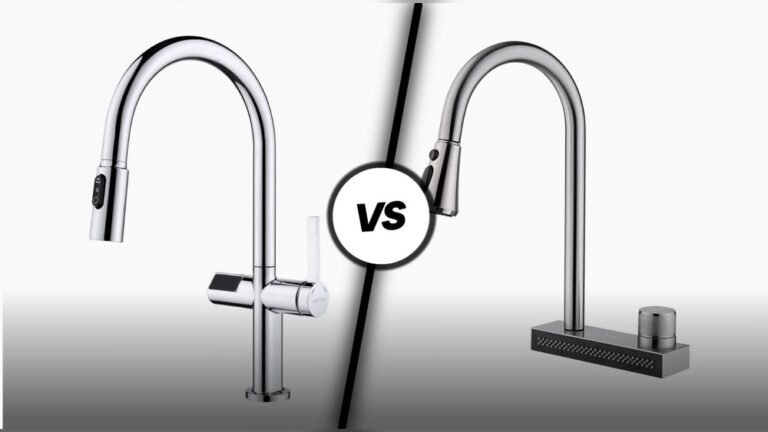
Faucets are designed for convenience and style. They come in many shapes, finishes, and technologies. Some have a single handle, others have two. Modern versions may even have motion sensors or touch controls. But the main job of a faucet is always the same: to let you control the flow of water where you need it.
Key Parts Of A Faucet
- Spout: The part where water comes out.
- Handle(s): The lever or knob you turn or lift.
- Aerator: A small screen at the tip, mixing air into the water for a smooth flow.
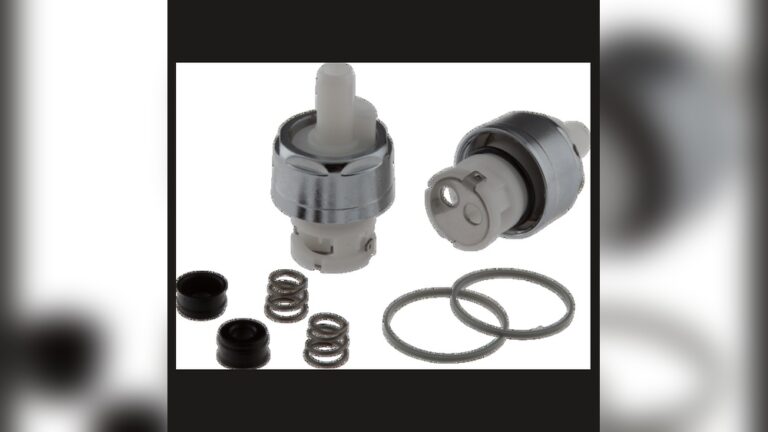
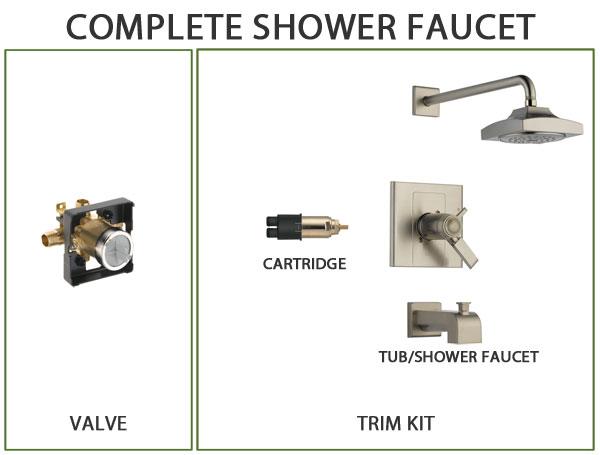
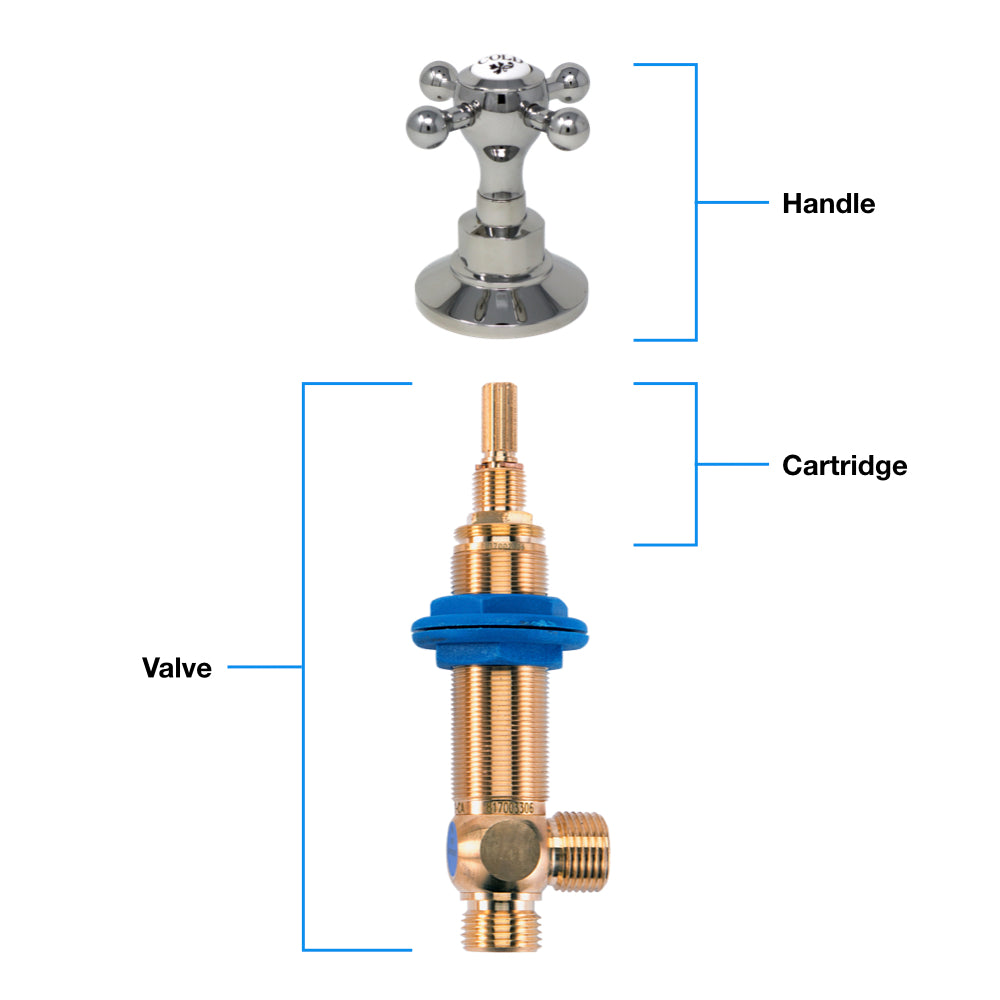
- Cartridge/Valve: The internal part that opens and closes to let water pass.
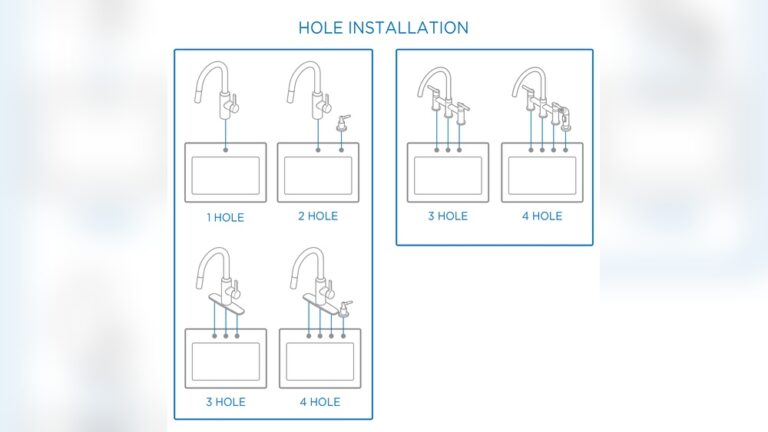
- Base Plate: The piece that covers the hole in the sink or counter.
Common Types Of Faucets
- Single-handle faucet: One lever for hot and cold water.
- Double-handle faucet: Separate handles for hot and cold.
- Touchless faucet: Uses sensors to turn water on and off.
- Wall-mounted faucet: Installed on the wall, often above bathtubs or sinks.
Faucets are often chosen for how they look and feel. Some are simple and classic, others are modern and high-tech. But behind the design is always a simple function: giving you water when you want it.
What Is A Valve?
A valve is a device that controls, directs, or stops the flow of water (or other fluids) in a system. Valves are not just for water—factories use them for gas, oil, steam, and chemicals. In your home, valves are usually hidden behind walls or under sinks.
Unlike faucets, which are made for everyday use by people, valves are often used by plumbers, technicians, or machines. They can be big or small, simple or complex. Their main job is to control the flow—either fully open, fully closed, or somewhere in between.
Main Parts Of A Valve
- Body: The main casing that holds everything together.
- Stem: The rod that moves to open or close the valve.
- Disc/Gate/Ball: The internal part that blocks or allows flow.
- Handle or Actuator: The part used to turn, lift, or push the stem.
Common Types Of Valves
- Gate valve: Lifts a gate up or down to start or stop water.
- Ball valve: Uses a round ball with a hole to control flow.
- Globe valve: Good for precise flow control.
- Check valve: Stops water from flowing backward.
- Butterfly valve: Uses a rotating disc for large pipes.
Most valves are not used every day. They are for emergencies, repairs, or controlling the whole system. For example, if you need to fix your kitchen sink, you turn off the shut-off valve under the sink. In a factory, valves might be controlled by computers or remote controls.
Key Differences Between Faucets And Valves
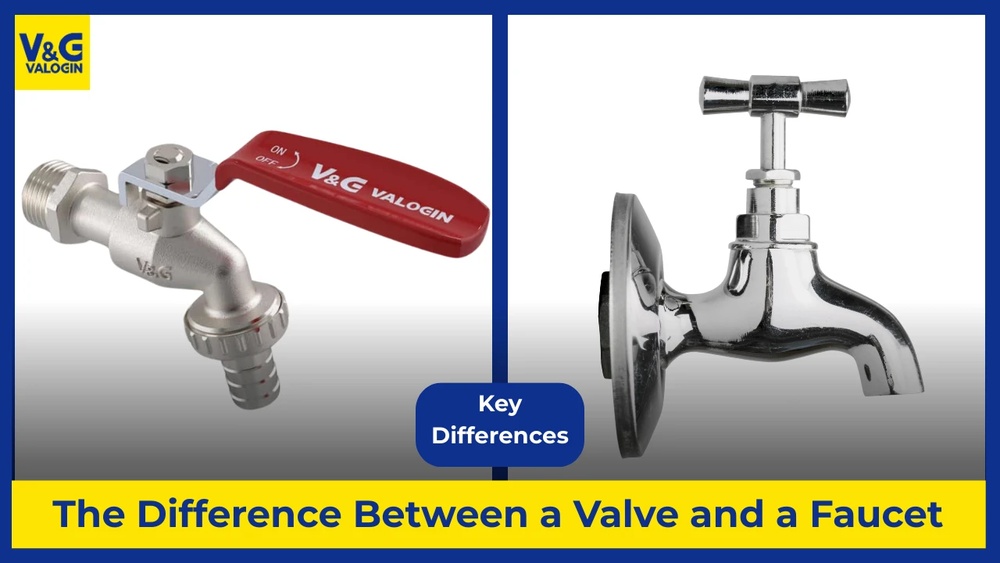
The words faucet and valve sometimes cause confusion. They both control water, but in different ways. Here’s a closer look at how they differ.
Function
- Faucet: Designed for regular use by people. Controls how and when water comes out, usually at the end point (sink, bath, etc. ).
- Valve: Controls water flow in the entire plumbing system. Used for starting, stopping, or adjusting flow, often hidden from view.
Design And Appearance
- Faucet: Visible, decorative, and easy to operate.
- Valve: Usually hidden, functional, and sometimes needs tools to operate.
Applications
- Faucet: At sinks, tubs, showers, and outdoor taps.
- Valve: Under sinks, in basements, in water mains, and inside machines.
Table: Basic Comparison Of Faucets And Valves
| Feature | Faucet | Valve |
|---|---|---|
| Main Use | Dispense water to users | Control flow within the system |
| Operation | Easy, frequent | Occasional, sometimes with tools |
| Visibility | Visible and decorative | Usually hidden |
| Types | Single, double, touchless, wall-mounted | Gate, ball, globe, check, butterfly |
| Typical Location | End of plumbing (sink, bath) | Anywhere in the plumbing |
How Faucets And Valves Work Together
In any home or building, faucets and valves do not work alone. They are part of a system. Water comes from a main supply, passes through pipes, and is stopped or started by valves. Finally, it reaches the faucet, where you control it directly.
Imagine you need to repair a leaky kitchen faucet. First, you find the shut-off valve under the sink and turn it off. This stops water from reaching the faucet, so you can safely remove or fix it. When you’re done, you turn the valve back on, and water flows up to the faucet again.
This teamwork keeps things safe, easy to repair, and under control. Valves protect the whole system, and faucets give you day-to-day control.
Credit: vevano.com
Types Of Faucets: Features And Uses
Faucets come in many styles, each with a special purpose. Here’s a deeper look at the most popular types.
1. Single-handle Faucets
These are the most common in modern homes. One lever controls both hot and cold water. They are easy to use, even with one hand. Many kitchens and bathrooms use this style because it is simple and saves space.
2. Double-handle Faucets
Each handle controls hot or cold water. This type gives more precise control over temperature but takes more space and two hands. Classic bathrooms and vintage designs often use double-handle faucets.
3. Touchless Faucets
Sensors turn the water on or off when you move your hand near them. These are common in public restrooms and modern kitchens. They reduce germs and water waste. However, they need batteries or electricity.
4. Wall-mounted Faucets
These are fixed to the wall, not the sink. They are good for deep sinks or bathtubs. Plumbers need to plan their position carefully before installing.
5. Pull-down And Pull-out Faucets
These kitchen faucets have a spray head you can pull down or out. They are very useful for cleaning dishes or filling pots.
6. Commercial Or Utility Faucets
Heavy-duty faucets for places like restaurants, garages, or gardens. They are strong, simple, and built to last.
Each faucet type fits a different need. For example, a touchless faucet is great for busy kitchens, while a wall-mounted faucet can save counter space in a small bathroom.
Types Of Valves: What You Need To Know
Valves are not all the same. Each type works best in certain situations. Here are the most common types and their uses.
1. Gate Valve
Used to start or stop water flow, not for adjusting the flow. It is often found in water mains. It is best to keep these either fully open or fully closed.
2. Ball Valve
Uses a ball with a hole through the center. When you turn the handle, the hole lines up and water flows. Ball valves are strong, reliable, and shut off water quickly.
3. Globe Valve
Best for controlling the amount of water. You can adjust the flow to exactly what you want. Common in outdoor hoses and industrial settings.
4. Check Valve
Lets water flow in one direction only. Prevents water from flowing backward, which is important in pumps and sump systems.
5. Butterfly Valve
Has a flat disc that turns inside the pipe. Used in large pipes, like in factories or city water systems, because it is light and easy to operate.
6. Pressure Relief Valve
Opens automatically if pressure gets too high. Protects systems from bursting or damage, especially in boilers and water heaters.
Different valves solve different problems. For example, a ball valve is great for a quick shut-off under your sink, while a pressure relief valve is a safety device in a hot water tank.
Credit: faucetlist.com
Choosing The Right Faucet
Selecting a faucet is more than just picking what looks good. Here are the most important factors to consider:
- Purpose: Kitchen, bathroom, outdoor, or utility?
- Mounting type: Will it fit your sink or wall?
- Handle type: Single, double, or touchless?
- Material and finish: Chrome, stainless steel, brass, or matte black? Good materials last longer and resist rust.
- Flow rate: Measured in liters per minute (LPM) or gallons per minute (GPM). Many places have rules for water-saving faucets.
- Ease of repair: Can you easily replace parts like aerators or cartridges?
- Warranty: Some brands offer long or even lifetime warranties.
Pro tip: Some cheap faucets look nice but use low-quality materials inside. Over time, they leak or break. Always check for solid brass or stainless steel inside, not just outside.
Choosing The Right Valve
Valves are often hidden, but the right choice matters for safety and reliability. Here’s what to think about:
- Type of fluid: Water, gas, or something else?
- Pressure and temperature: Will the valve handle the system’s pressure and heat?
- Pipe size: The valve must fit your pipes.
- Operation: Do you need quick shut-off (ball valve) or fine control (globe valve)?
- Frequency of use: Some valves are made for frequent use, others just for emergencies.
- Material: Brass, stainless steel, PVC—each has strengths and weaknesses.
- Installation space: Some valves need more room to turn or open.
Non-obvious insight: For outdoor or underground use, always choose a valve with corrosion resistance. Rusty valves can freeze or get stuck, making repairs much harder later.
Credit: sigmafaucetparts.com
Faucet Vs Valve In Real-world Scenarios
Let’s look at some everyday examples to see why the difference matters.
Kitchen Leak
You find a leak under your kitchen sink. The faucet is dripping constantly. To repair it, you first locate the shut-off valve under the sink. Turn the valve off, and water to the faucet stops. You can now fix or replace the faucet safely.
Garden Hose Control
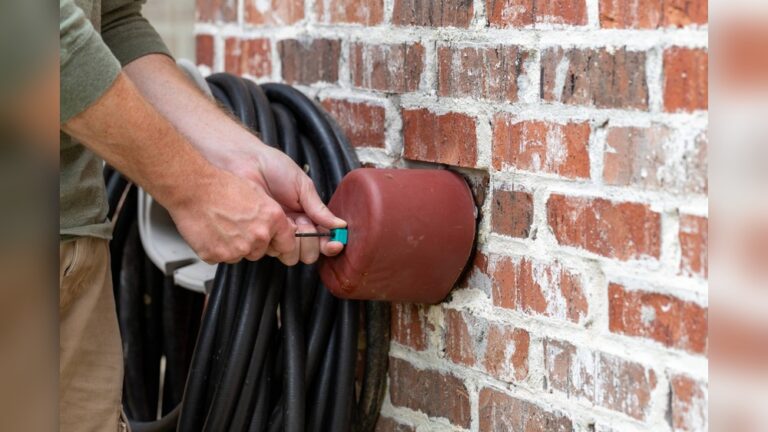
You want to connect a garden hose outside. The faucet (sometimes called a spigot) lets you attach the hose and control water flow. If you want to turn off water to the garden for winter, you use a valve inside your house, not the outside faucet.
Emergency Shut-off
A pipe bursts in your basement. You need to shut off all water to the house. The main shut-off valve (often a ball or gate valve) near where the water line enters the house will stop all water, including to every faucet.
Industrial Plant Example
In a factory, hundreds of valves control water, steam, or chemicals in the machinery. Faucets are only used at wash stations or sinks, where workers need to wash hands or tools.
Lifespan And Maintenance
Faucets usually last 10-20 years, depending on quality and use. Common problems are leaks, drips, and loose handles. Many parts are easy to replace, like washers or cartridges.
Valves can last even longer, especially if rarely used. However, valves can become stuck if not used for years, especially in hard water areas. It is good practice to turn shut-off valves off and on once a year to keep them working.
Non-obvious insight: A stuck valve can cause big problems during emergencies. Check your main shut-off valve every six months to make sure it turns easily.
Innovations And New Technologies
Both faucets and valves have changed over the years. Here are a few new features:
- Smart faucets: Connect to apps or voice assistants. You can turn water on or off with your phone or voice.
- Water-saving valves: Automatically adjust flow to save water and energy.
- Touchless technology: Reduces germs and water waste in kitchens and bathrooms.
- Remote-controlled valves: Used in smart homes and factories for fast shut-off during leaks.
Fact: According to the U.S. Environmental Protection Agency, homes can save up to 700 gallons of water a year by switching to water-saving faucets.
Cost Differences: Faucet Vs Valve
The price of faucets and valves varies widely, depending on quality and features.
Example Cost Comparison
| Item | Low-End Price | High-End Price |
|---|---|---|
| Standard Faucet | $25 | $500+ |
| Touchless Faucet | $80 | $800+ |
| Ball Valve (1/2″) | $5 | $40 |
| Gate Valve (1″) | $10 | $60 |
Tip: For most homes, it is worth spending more on faucets you use every day. For valves, choose reliable brands, especially for main shut-off or safety uses.
Safety And Regulations
Both faucets and valves must follow safety rules. For example, faucets in the U. S. must meet lead-free standards. Valves used for gas or chemicals must meet strict codes. In some places, only licensed plumbers can install or repair main valves.
Mistake to avoid: Installing a cheap, low-quality valve or faucet can lead to leaks, water damage, or even health risks. Always check for certifications like NSF, UPC, or local approvals.
For more on plumbing codes and safety, the Wikipedia Plumbing page has helpful details.
Environmental Impact
Faucets and valves both play a role in saving water and energy. Modern designs use less water without losing pressure. For example, aerators in faucets mix air with water, reducing waste. Pressure-balancing valves prevent sudden temperature changes that waste water while adjusting.
Fact: A leaky faucet can waste more than 11,000 liters (3,000 gallons) of water a year. A stuck or leaking valve can cause even bigger losses.
Summary Table: Faucet Vs Valve
To make things even clearer, here is a quick overview:
| Aspect | Faucet | Valve |
|---|---|---|
| Main Purpose | Dispense water to end users | Control water flow in the system |
| Location | At sinks, baths, outdoors | Anywhere in piping |
| User Interaction | Frequent, direct | Rare, usually by plumber |
| Variety | Many styles and finishes | Many types for different needs |
| Typical Lifespan | 10-20 years | 20+ years |
| Maintenance | Replace washers, cartridges | Exercise valves, check for leaks |
Frequently Asked Questions
What Is The Main Difference Between A Faucet And A Valve?
A faucet is what you use to control water at the end point, like a sink or bathtub. A valve is used to control, stop, or adjust water flow within the pipes or system, often out of sight.
Can A Faucet Be Used As A Valve?
In some simple cases, a faucet acts like a valve at the end of a pipe. But valves are designed for more types of control, including emergency shut-off, system isolation, and pressure regulation. Faucets are for frequent, direct use.
How Often Should I Check My Valves At Home?
It is smart to turn and check your main shut-off valve and important isolation valves every six months. This helps prevent them from getting stuck and ensures they work in an emergency.
Are All Faucets Lead-free?
Most modern faucets are lead-free, but older models may contain lead. Always check for “lead-free” certification when buying a new faucet, especially for drinking water.
What Should I Do If My Faucet Or Valve Is Leaking?
If your faucet leaks, you can often replace the washer or cartridge yourself. For a leaking valve, turn off the main water supply and call a plumber if you are unsure. Leaks can cause water damage and waste.
When you know the difference between faucets and valves, you make better decisions for your home, safety, and wallet. Next time you turn on the tap or need a repair, you’ll understand exactly what’s working behind the scenes.