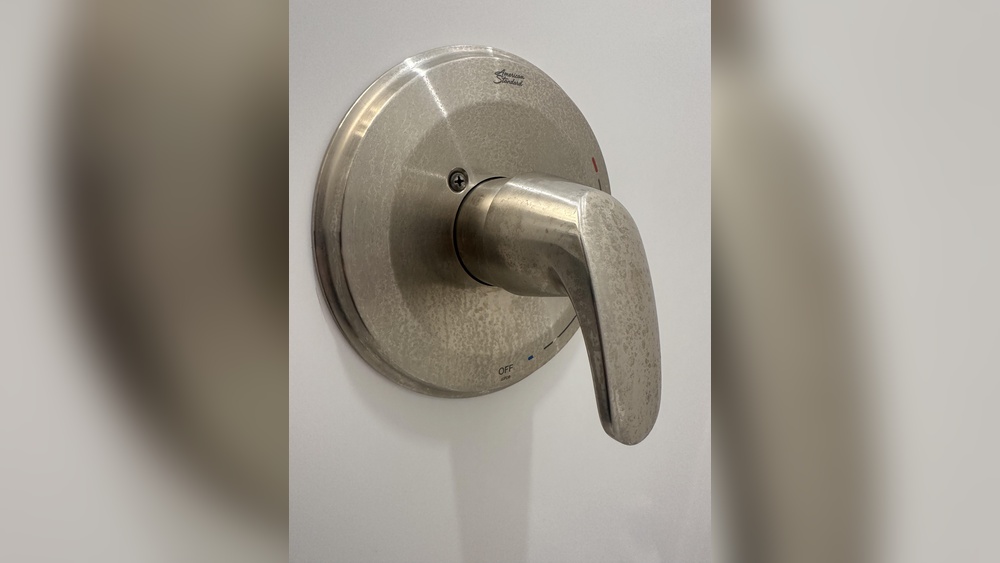
How Do You Clean Brushed Nickel Faucets: Easy Tips and Tricks
Keeping your brushed nickel faucets clean is not just about shine and style. It’s about making them last longer and keeping your home looking fresh. Many people love brushed nickel because it looks modern and resists fingerprints better than shiny chrome. But if you clean it the wrong way, you can easily ruin the finish or cause spots that are hard to fix. Whether you’re dealing with kitchen or bathroom faucets, learning the right way to care for brushed nickel can save you time, money, and frustration.
This guide will show you how to keep your faucets looking their best. You’ll discover the safest cleaning methods, smart habits to prevent damage, and what to avoid. You’ll also find out why using regular soap can sometimes do more harm than good and learn a few tricks that most beginners miss.
If you want your faucets to look great for years, you’re in the right place.
Understanding Brushed Nickel
Brushed nickel is a type of finish that gives metal a soft, matte look. It’s made by brushing the surface with a fine tool, then adding a protective coating. This makes the faucet look less shiny than chrome but also helps hide water spots and fingerprints.
People often choose brushed nickel for a modern or classic style. It works in almost any room and matches many sink and countertop materials. But while brushed nickel is tough, it’s not indestructible. Harsh cleaners, rough scrubbing, or even hard water can damage the finish.
One thing many people don’t realize is that brushed nickel can react with certain chemicals. Bleach, ammonia, and acidic cleaners can cause dull spots or even strip away the protective layer. Even some natural products like vinegar can hurt the surface if used too often or left on too long.
That’s why cleaning methods for brushed nickel are different from other faucet types.
Why Proper Cleaning Matters
If you clean your brushed nickel faucet the right way, it can last for decades. But if you use the wrong products, the finish can fade, peel, or develop permanent spots. This not only looks bad but can lead to expensive repairs or replacement.
Hard water stains are a common problem. These white or gray spots happen when water dries on the faucet, leaving minerals behind. Over time, these minerals can build up and make the faucet look old. Soap scum is another issue, especially in bathrooms. Some soaps contain chemicals that react with nickel, causing discoloration.
Proper cleaning helps:
- Maintain the original color and shine
- Prevent buildup of hard water spots and soap scum
- Extend the life of the faucet
- Avoid costly replacements
It’s also important for hygiene. A clean faucet means fewer germs, especially in kitchens and bathrooms where you touch the handle often.

Credit: www.reddit.com
Daily And Weekly Cleaning Routine
You don’t need expensive products or harsh chemicals to keep your brushed nickel faucet clean. In fact, simple routines are the safest and most effective.
Daily Cleaning
The best way to keep your faucet looking good is to wipe it down every day. Use a soft, damp cloth—microfiber is ideal. This removes fingerprints, splashes, and light dirt before they can cause stains.
How to do it:
- Wet the cloth with warm water and wring it out.
- Wipe the faucet gently, following the direction of the “brush” marks.
- Dry with a clean, dry towel to prevent water spots.
Weekly Cleaning
Once a week, take a few minutes for a deeper clean:
- Mix a few drops of mild dish soap with warm water in a bowl.
- Dip your soft cloth into the soapy water and wring out the excess.
- Wipe down all surfaces, including the base and handles.
- Rinse the cloth with plain water and wipe again to remove any soap.
- Dry the faucet carefully.
Avoid using paper towels for drying—they can be rough and scratch the finish.
Quick Comparison: Daily Vs. Weekly Cleaning
Here’s a simple comparison to show the difference between daily and weekly routines:
| Routine | Frequency | Products Needed | Main Purpose |
|---|---|---|---|
| Daily | Every day | Soft cloth, water | Remove spots and dust |
| Weekly | Once a week | Mild soap, soft cloth | Deeper cleaning, prevent buildup |
Choosing The Right Cleaning Products
Not all cleaners are safe for brushed nickel. Some can cause serious damage even after one use. Here’s what you should and shouldn’t use:
Safe products:
- Mild dish soap
- Warm water
- White vinegar (diluted, for tough stains, used carefully)
- Baking soda (as a gentle paste)
- Microfiber or other soft cloths
Products to avoid:
- Bleach or products containing chlorine
- Ammonia or ammonia-based cleaners
- Abrasive scrubbers (steel wool, rough sponges)
- Acidic cleaners (undiluted vinegar, lemon juice)
- Glass cleaner with strong chemicals
A common mistake is using an all-purpose bathroom cleaner. Many of these contain ammonia or other harsh chemicals that can ruin brushed nickel. Always read the label before using a new product.
Data Table: Product Safety For Brushed Nickel
| Product | Safe? | Notes |
|---|---|---|
| Mild dish soap | Yes | Best for regular cleaning |
| White vinegar (diluted) | Yes (with care) | Only for mineral spots, rinse quickly |
| Bleach | No | Damages finish |
| Ammonia | No | Removes protective coating |
| Baking soda paste | Yes | Gentle, use soft cloth |
| Steel wool | No | Scratches surface |
Credit: www.reddit.com
Step-by-step Guide: Deep Cleaning Brushed Nickel Faucets
Sometimes, regular wiping isn’t enough. You may notice water spots, soap scum, or even a dull look after a few months. Here’s how to deep clean your faucet without damage:
- Gather supplies: Soft cloths, mild dish soap, warm water, a small bowl, an old toothbrush (soft), and a dry towel.
- Mix your cleaning solution: Add a few drops of soap to a bowl of warm water.
- Soak the cloth and wring out excess water. Wipe all surfaces, including hard-to-reach areas around the base and handles.
- For stubborn spots, dip the soft toothbrush in the soapy water and gently scrub around the faucet base, behind the handle, and in grooves. Never use a stiff brush.
- Rinse: Wipe again with a cloth dampened with plain water to remove all soap.
- Dry: Immediately dry with a towel to prevent water marks.
If you see white spots (hard water), dip a cloth in diluted vinegar (one part vinegar to three parts water). Press it onto the spot for a few minutes, then rinse and dry. Never let vinegar sit for more than 5 minutes.
Extra Tip: Using Baking Soda Paste
For very tough stains or areas with buildup:
- Mix one tablespoon of baking soda with just enough water to make a paste.
- Apply gently with a soft cloth, moving in the direction of the brushing.
- Rinse and dry completely.
Many people don’t realize that leaving baking soda or vinegar on the faucet for too long can harm the finish. Always rinse and dry right away.
Removing Hard Water Stains
Hard water stains are one of the most common problems with brushed nickel. These stains look like chalky white or gray spots. They happen when minerals in water dry on the surface.
To remove them:
- Mix one part white vinegar with three parts warm water.
- Soak a soft cloth in this solution, then wring out so it’s damp, not soaking.
- Lay the cloth over the stained area for 2–5 minutes.
- Remove the cloth and wipe gently with another damp cloth.
- Rinse with plain water and dry immediately.
If the spots remain, repeat one more time. Never scrub hard or use undiluted vinegar.
Prevention Insight
Most beginners don’t realize that wiping the faucet dry after each use can almost completely prevent hard water stains. Installing a water softener or using filtered water in tough areas also helps reduce buildup.
What To Avoid: Common Cleaning Mistakes
Many people damage their brushed nickel faucets without realizing it. Here are mistakes to avoid:
- Scrubbing with rough tools: Steel wool, scouring pads, or even rough sponges can scratch the surface. Always choose soft cloths or sponges.
- Using strong chemicals: Cleaners with ammonia, bleach, or acids can quickly damage the protective coating.
- Letting water or soap dry on the faucet: This leads to mineral spots and soap scum.
- Not drying the faucet: Air-drying often leaves water marks. Towel drying is best.
- Using vinegar or baking soda too often: While useful for tough stains, frequent use can dull the finish.
A practical tip: Always test a new cleaner on a small, hidden area first. Wait 24 hours to make sure there’s no reaction.
Polishing Brushed Nickel Faucets
Brushed nickel has a matte look, but you can keep it looking bright with gentle polishing. You don’t need waxes or expensive polishes—these can leave a film or cause discoloration.
How to polish:
- Use a dry microfiber cloth.
- Rub in the direction of the brush lines, not in circles.
- For extra shine, lightly dampen the cloth with water or a drop of mineral oil. Wipe away any excess with a dry part of the cloth.
Never use silver polish, furniture polish, or any product not labeled safe for brushed nickel.
Preventative Maintenance Tips
Keeping your faucet clean is easier than fixing stains or scratches. Here are some habits that help:
- Wipe after each use: Quickly drying the faucet stops water spots and buildup.
- Clean weekly: Regular cleaning stops problems before they start.
- Keep soap away from the faucet base: Soap can build up and react with nickel.
- Use a water softener: If you have hard water, this reduces mineral spots.
- Check for leaks: Dripping water causes more stains. Fix leaks quickly.
- Teach everyone in the home: If all users know the rules, your faucet stays nicer.
One thing many people miss: Always remove rings or bracelets before cleaning. Jewelry can scratch the faucet while you wipe.
Comparison: Brushed Nickel Vs. Other Faucet Finishes
It helps to know how brushed nickel stands up against other popular finishes. Here’s a comparison with chrome and stainless steel:
| Finish Type | Appearance | Cleaning Difficulty | Scratch Resistance | Water Spot Visibility |
|---|---|---|---|---|
| Brushed Nickel | Matte, warm gray | Easy (if proper) | Medium | Low |
| Chrome | Shiny, mirror-like | Harder (shows spots) | Low | High |
| Stainless Steel | Matte, cool silver | Medium | High | Medium |
Brushed nickel is popular because it hides fingerprints and water spots better than chrome. But it needs gentle cleaning to avoid damage.
Eco-friendly Cleaning Options
If you prefer green cleaning, brushed nickel works well with gentle, eco-friendly products. Here’s what you can use:
- Baking soda paste (as above)
- Diluted vinegar (only for tough stains)
- Plant-based dish soaps
- Reusable microfiber cloths
Avoid homemade cleaners with lemon or other acidic fruits. Even natural acids can damage the finish.
A smart move: Use distilled water for your final rinse. This water is free of minerals and won’t leave spots as it dries.
Troubleshooting: Fixing Common Problems
Even with the best care, issues can happen. Here’s how to solve them:
Dull Finish
If your brushed nickel faucet loses its shine, it may have a film from soap, hard water, or overuse of cleaning products. To fix:
- Wipe with a cloth dampened with diluted vinegar, rinse, and dry.
- If the dullness remains, gently buff with a dry microfiber cloth.
Persistent Stains
If a stain won’t go away:
- Try a baking soda paste, gently rubbing in the direction of the brush.
- Rinse and dry.
- Repeat only once—too much scrubbing can harm the finish.
Peeling Or Pitting
If the surface is peeling or has tiny holes, the protective coating is likely damaged. Unfortunately, this can’t be fixed at home. Contact the manufacturer or a professional. Using harsh chemicals is the main cause of this problem.
When To Call A Professional
Most cleaning can be done at home, but some problems need expert help. Call a plumber or faucet specialist if:
- The finish is peeling or bubbling.
- Deep scratches appear.
- There is green or blue discoloration (signs of corrosion).
- Water is leaking from the base or handles.
Professional repair may be covered by your faucet’s warranty. Keep receipts and warranty information in case you need service.
Extra Tips For Long-lasting Shine
- Avoid using colored sponges or cloths—they can sometimes stain the finish.
- Store cleaning products away from the faucet to prevent spills.
- Don’t hang wet towels over the faucet.
- If remodeling, cover the faucet to protect from paint or debris.
A final insider tip: Many manufacturers have care guides on their websites. Always check their advice for your brand, as some finishes need special care.
For further reading on maintaining faucet finishes, the Family Handyman offers practical advice and product suggestions.
Credit: www.reddit.com
Frequently Asked Questions
What Is The Best Cleaner For Brushed Nickel Faucets?
The safest and most effective cleaner is mild dish soap mixed with warm water. Avoid using harsh chemicals, ammonia, or bleach. For tough stains, diluted white vinegar or a baking soda paste can be used with care, but always rinse and dry thoroughly afterward.
How Do I Remove Hard Water Spots From Brushed Nickel?
Soak a soft cloth in a mix of one part white vinegar and three parts water. Lay it on the spot for 2–5 minutes, then wipe gently. Rinse with water and dry. Never use undiluted vinegar or scrub hard, as this can damage the finish.
Can I Use Vinegar To Clean Brushed Nickel Faucets?
Yes, but only diluted vinegar and only for tough spots. Mix with water and never leave it on the surface for more than a few minutes. Rinse and dry right away to avoid harming the protective coating.
Why Does My Brushed Nickel Faucet Look Dull?
A dull look can be from soap residue, hard water, or overuse of cleaning products. Wipe with a diluted vinegar cloth, rinse, and dry. Buff with a soft, dry microfiber cloth to restore shine. Avoid abrasive products.
Is It Safe To Use Commercial Bathroom Cleaners On Brushed Nickel?
Most commercial bathroom cleaners are too harsh and can damage brushed nickel. Always read the label and avoid cleaners with ammonia, bleach, or acids. Stick with mild dish soap and water unless the manufacturer says otherwise.
Caring for brushed nickel faucets is simple if you follow these steps. With regular, gentle cleaning and a little attention to detail, your faucet can stay beautiful for many years. Remember: the right habits today prevent expensive problems tomorrow.