
How to Clean Kitchen Faucet Aerator for Sparkling Water Flow
Keeping your kitchen running smoothly often depends on the smallest details. The kitchen faucet aerator is one of those parts you might not think about—until the water flow slows, sprays unevenly, or starts to look cloudy. The aerator mixes air into the stream, saving water and making the flow more gentle. Over time, it can get clogged with mineral deposits, sand, or debris. Cleaning it is not hard, but many people overlook the right steps and tools. If you want your water to flow freely and cleanly, it’s important to know exactly how to clean your kitchen faucet aerator. This guide gives you everything you need: tools, step-by-step instructions, troubleshooting, and real-world tips that beginners often miss.
What Is A Kitchen Faucet Aerator?
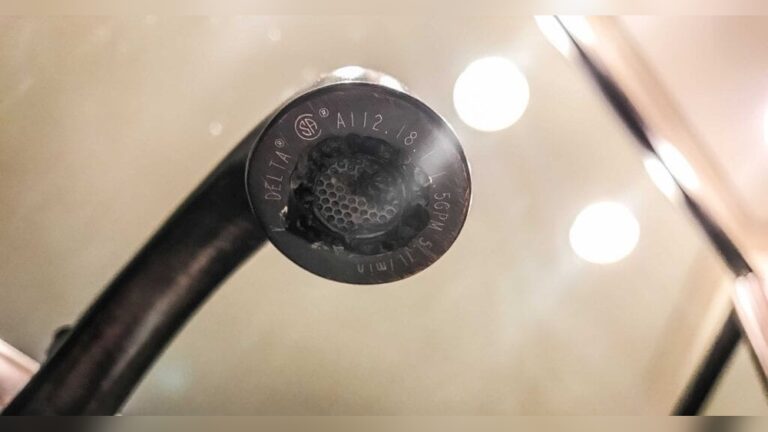
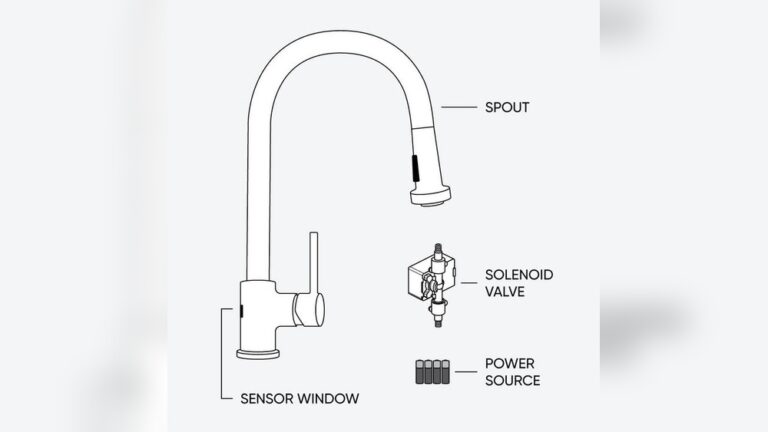
A kitchen faucet aerator is a small device attached to the tip of your faucet. It usually looks like a small metal or plastic cap with a fine mesh screen inside. Its main job is to add air into the water stream, creating a steady, splash-free flow.
The aerator also filters out particles and can help save water by reducing how much comes out without losing pressure.
Aerators come in different shapes and sizes. Some are hidden inside the faucet, while others are visible at the end. Most can be unscrewed by hand or with a simple tool. Knowing what type you have will help you clean it the right way.
If your faucet is old or from a specialty brand, check the manual or look online for details.
Why Cleaning The Aerator Matters
A blocked aerator can cause many small problems that add up. Here are a few reasons why you should clean your kitchen faucet aerator regularly:
- Better Water Flow: Mineral buildup can slow the water or make it spray in odd directions.
- Clean Water: Debris or sand trapped in the mesh can get into your drinking or cooking water.
- Longer Faucet Life: Hard water deposits can corrode the inside, leading to leaks.
- Saves Money: A clean aerator helps the faucet use less water, lowering your bills.
- Prevents Surprises: Cleaning can reveal bigger issues early, like rust or worn parts.
Many people clean their sinks and counters but forget the aerator. Over time, even clear water can leave invisible minerals that pile up. In areas with hard water, you might need to clean it every few months. In softer water areas, twice a year is often enough.
Credit: www.reddit.com
Tools And Supplies You’ll Need
You don’t need special skills to clean a faucet aerator, but having the right tools makes it much easier. Here’s what you should gather before you start:
- Adjustable wrench or slip-joint pliers (if it’s hard to unscrew by hand)
- Old toothbrush or small cleaning brush
- Small bowl or cup
- White vinegar (or a commercial descaler)
- Soft cloth or rag
- Teflon tape (optional, for reassembly if needed)
- Needle or safety pin (for cleaning small holes)
- Rubber band (to protect the faucet finish when using tools)
Pro tip: Keep a small container in your kitchen just for faucet cleaning tools. This saves time and avoids searching every time you need them.
How To Remove The Aerator
Getting the aerator off is the first step. Many people damage their faucet by using the wrong tool or too much force. Here’s how to do it safely:
- Check for a Hidden Aerator: Some modern faucets hide the aerator inside. Look for a small slot or special keyhole. You might need a special removal tool (usually included with the faucet).
- Grip by Hand: Hold the aerator firmly and turn it counterclockwise (lefty-loosey). If it’s slippery, wrap a rubber band around it for better grip.
- Use Tools Carefully: If it won’t budge, use an adjustable wrench or pliers. Always wrap the aerator with a cloth or rubber band first to avoid scratching.
- Catch Loose Parts: Some aerators have tiny washers or screens that can fall into the sink. Place a bowl or plug the drain before unscrewing.
Here is a simple comparison of aerator types and how they’re removed:
| Aerator Type | Location | Removal Method |
|---|---|---|
| Standard (Male/Female) | Visible on faucet tip | Hand or pliers with cloth |
| Hidden (Cache) | Inside faucet spout | Special aerator key/tool |
| Spray/Swivel | End of pull-out spray head | Hand unscrew |
Not all aerators look the same. If you’re unsure, search the faucet brand and model for help.
Cleaning The Aerator: Step-by-step Guide
Once you have the aerator off, you’ll see it’s made of several small parts. Here’s how to clean each one:
1. Take Apart The Aerator
Gently push the mesh screen, gasket, and other pieces out of the casing. Lay them on a clean cloth in the order you remove them. This will make it much easier to put them back together later.
Beginner’s tip: Take a photo before taking it apart. This is a lifesaver if you forget the order of parts.
2. Soak In Vinegar
Place all parts in a small bowl. Pour enough white vinegar to cover them. Let them soak for at least 30 minutes. Vinegar dissolves calcium and lime deposits that block water flow.
If you see heavy buildup, let the parts soak overnight. For very tough deposits, use a commercial descaling liquid, but rinse well afterward.
3. Scrub Away Debris
After soaking, use an old toothbrush to scrub each piece. Pay special attention to the mesh screen, as this is where most clogs happen. For tiny holes, use a needle or safety pin to poke out stuck debris.
Non-obvious insight: Tap the mesh gently on the side of the sink. Often, sand or grit will fall out that brushing alone can’t remove.
4. Rinse And Check
Hold each part under running water to rinse away loosened debris and vinegar. Inspect them closely—hold the mesh up to the light to check for clear holes. If you see any blockages, repeat the soaking and scrubbing process.
5. Reassemble The Aerator
Stack the parts in the correct order (use your photo as a guide if needed). Most aerators have a rubber washer on one end, a metal or plastic screen in the middle, and a casing that screws onto the faucet.
6. Reattach To The Faucet
Screw the aerator back onto the faucet by hand. If it’s a tight fit, wrap it with a cloth and use pliers, but don’t overtighten. Turn on the water and check for leaks. If water drips around the aerator, unscrew it, check the washer, and try again.
Use a small piece of Teflon tape if needed for a better seal.
How Often Should You Clean The Aerator?
How often you clean depends on your water quality and how much you use the faucet. Here’s a general guideline:
- Hard water areas: Every 2–3 months
- Moderate water: Every 6 months
- Soft water/filtered: Once a year
If you notice slower water flow or sputtering, clean the aerator right away. Don’t wait for visible buildup—by then, it’s already affecting performance.
Signs Your Aerator Needs Cleaning
Some issues point clearly to a dirty or clogged aerator:
- Weak water flow: The stream is slower than usual.
- Water sprays sideways: The flow is uneven or splits in different directions.
- Sputtering or pulsing: Water comes out in bursts or stops and starts.
- Visible debris: You see sand, grit, or white flakes on the screen.
- Strange taste or smell: Old deposits can change water flavor or odor.
Many people blame the whole faucet or plumbing system when it’s just the aerator. Always check this first before calling a plumber.
Troubleshooting Common Problems
Sometimes, cleaning the aerator doesn’t fix the issue, or you run into problems during the process. Here’s how to handle common challenges:
The Aerator Is Stuck
If you can’t unscrew the aerator, try these steps:
- Soak a cloth in vinegar and wrap it around the aerator. Wait 15 minutes to loosen mineral buildup.
- Tap gently with a tool handle to break up hardened deposits.
- Use more leverage with pliers, but cushion with a thick cloth.
- If it still won’t move, spray a small amount of penetrating oil (like WD-40) and wait 10 minutes.
The Aerator Leaks After Cleaning
Leaks often mean the washer isn’t seated right or is worn out. Remove the aerator, check the washer, and reposition or replace it if needed. Make sure you haven’t cross-threaded the casing when screwing it back on.
Water Flow Is Still Weak
If cleaning the aerator doesn’t help, the problem might be deeper in the faucet or pipes. Check your supply valves, or try removing the aerator and running the faucet—if the flow is still weak, call a plumber.
Lost Or Damaged Parts
Aerator parts are small and easy to lose. If you drop a washer or screen down the drain, don’t panic. Most hardware stores sell universal aerator kits. Bring your old one to find an exact match.
Here’s a quick look at solutions for common aerator issues:
| Problem | Possible Cause | Solution |
|---|---|---|
| Stuck aerator | Mineral buildup | Soak with vinegar, use pliers carefully |
| Leaking after cleaning | Washer out of place | Reposition or replace washer |
| Still weak flow | Problem deeper in faucet | Check supply, call plumber if needed |
| Lost parts | Dropped pieces | Buy universal kit at hardware store |
Aerator Cleaning Tips And Tricks
Some tricks make the job easier, especially if you’ve never done it before.
- Label the Parts: Use sticky notes or a marker to label each part as you take it apart. This helps with reassembly.
- Use a Magnet: If you drop metal parts in the sink, a magnet on a string can help fish them out.
- Deep Cleaning: For heavy mineral buildup, heat the vinegar before soaking (never boil, just warm). Warm vinegar works faster.
- Avoid Chemicals: Don’t use bleach or harsh cleaners—they can damage plastic or rubber.
- Save the Old Aerator: If you replace it, keep the old one as a backup in case you lose a part from the new one.
- Inspect O-Rings: Check for cracks or flattening in any rubber rings. Replace if worn to prevent leaks.
- Track Hard Water: If you see white or green buildup quickly, consider a home water test. You may need a softener.
When To Replace The Aerator
Sometimes, cleaning isn’t enough. If your aerator is cracked, rusted, or the screen is torn, it’s time to replace it. Aerators are cheap (usually under $10) and come in standard sizes. Bring your old one to the hardware store to match the threads—male or female—and the diameter.
Pro insight: Don’t ignore cracked aerators. They can let unfiltered particles into your water, or leak and damage your faucet over time.
When replacing, consider an upgraded model. Some modern aerators have water-saving features or adjustable spray patterns. Just make sure it fits your faucet type.
:strip_icc()/BHG-How-to-Clean-a-Faucet-Head-Aerator-9cd03cfd25644ef6a3edf8758696830d.jpg)
Credit: www.bhg.com
Effects Of Water Quality On Aerator Cleaning
Your local water quality makes a big difference in how often and how hard you need to clean your aerator. Hard water, which contains high levels of calcium and magnesium, leaves white or greenish deposits on the mesh. Areas with soft or filtered water see far less buildup.
Here’s a comparison of cleaning needs by water type:
| Water Type | Buildup Rate | Cleaning Frequency |
|---|---|---|
| Hard water | High | Every 2–3 months |
| Moderate | Medium | Every 6 months |
| Soft/filtered | Low | Once a year |
If you’re not sure about your water, check with your city’s water department, or buy a home water test kit. Frequent aerator clogging is often a sign of hard water.
Keeping The Aerator Clean Longer
Cleaning is important, but you can make the job easier by preventing buildup in the first place.
- Install a Water Filter: A simple faucet-mounted filter can catch debris and reduce mineral deposits.
- Flush the Faucet: Once a month, remove the aerator and run water for a few minutes to clear loose particles.
- Use a Softener: If you have hard water, a home softener can reduce scale buildup.
- Avoid Strong Chemicals: Many drain cleaners or harsh soaps can damage aerator parts.
A little prevention saves time and effort later. If you’re in a new home or just installed a new faucet, check the aerator after the first month. Sometimes, new pipes shed metal shavings or sand that can clog the mesh quickly.

Credit: www.youtube.com
Environmental And Health Benefits
Keeping your aerator clean is good for more than just your faucet. It’s a simple way to help the planet and your family’s health.
- Saves Water: A clogged aerator can waste gallons per day. A clean one uses less water with the same pressure.
- Improves Water Quality: Clean mesh filters out debris, making your water safer to drink and cook with.
- Reduces Chemical Use: Regular cleaning means you don’t need harsh chemicals or constant repairs.
According to the U.S. Environmental Protection Agency, simple steps like aerator cleaning can help save up to 700 gallons of water per year in an average household (EPA Watersense). That’s good for your wallet and the environment.
Frequently Asked Questions
How Do I Know If My Kitchen Faucet Has An Aerator?
Most modern kitchen faucets have an aerator. Look for a small cap or screen at the end of the faucet spout. If water comes out in a smooth, non-splashing stream, you likely have one. Some faucets hide the aerator inside—check the manual or the faucet tip for a slot or keyhole.
Can I Clean The Aerator Without Removing It?
You can try, but it’s not as effective. Soaking a cloth in vinegar and wrapping it around the faucet tip can loosen some deposits, but to remove all debris and buildup, you should take it apart. Internal parts can’t be cleaned without removal.
What If The Aerator Is Damaged Or Missing Pieces?
If parts are cracked, rusty, or missing, replace the aerator. Universal kits are sold at hardware stores. Bring your old one to match the size and thread type (male or female). Never run your faucet without an aerator for long, as it can let debris into your plumbing.
Is Vinegar Safe For All Aerator Types?
White vinegar is safe for most metal and plastic aerators. Don’t use vinegar on painted or gold-plated finishes, as it can dull the shine. If you have a specialty finish, check the faucet’s care instructions before soaking.
How Can I Prevent Mineral Buildup In The Future?
Install a faucet filter or home water softener if you have hard water. Flush the faucet monthly by removing the aerator and running water at full pressure. Avoid using harsh chemicals that can harm aerator parts.
Cleaning your kitchen faucet aerator is a small job with big results. It saves water, keeps your family healthy, and extends the life of your faucet. With the steps and tips above, you’ll have clear, strong water flow and a kitchen that works better every day. If you run into trouble, don’t hesitate to ask for help or replace worn parts—it’s a simple fix that can save you bigger headaches down the line.