Stainless Steel Vs Brushed Nickel Faucets: Which Is Best for You?
Stainless Steel Vs Brushed Nickel Faucets: An In-depth Comparison
Choosing the right faucet can make a big difference in your kitchen or bathroom. Many people find themselves stuck between two popular finishes: stainless steel and brushed nickel. They may look similar at first glance, but each has unique qualities that affect appearance, durability, maintenance, price, and more. If you want your faucet to last and look good for years, understanding these differences is essential.
This article explores every aspect you need to know about stainless steel vs brushed nickel faucets. You’ll learn what sets them apart, how each performs in real homes, and which is better for your needs. Whether you are remodeling your space or simply replacing an old faucet, this guide will help you make an informed and confident choice.
What Are Stainless Steel And Brushed Nickel Faucets?
Before diving into the comparison, it helps to understand what these finishes really are.
Stainless steel faucets are made from a metal alloy that contains iron, chromium, and sometimes nickel. The chromium gives it a shiny, silver look and protects against rust. Stainless steel is strong and often used in professional kitchens.
Brushed nickel faucets are usually made from brass or another base metal, then coated with a thin layer of nickel. The “brushed” part comes from running a tool over the surface to create tiny lines. This gives it a soft, matte look that hides fingerprints and water spots.
Appearance And Style Differences
Many homeowners want a faucet that looks good and matches their style. Stainless steel and brushed nickel each offer a different visual effect.
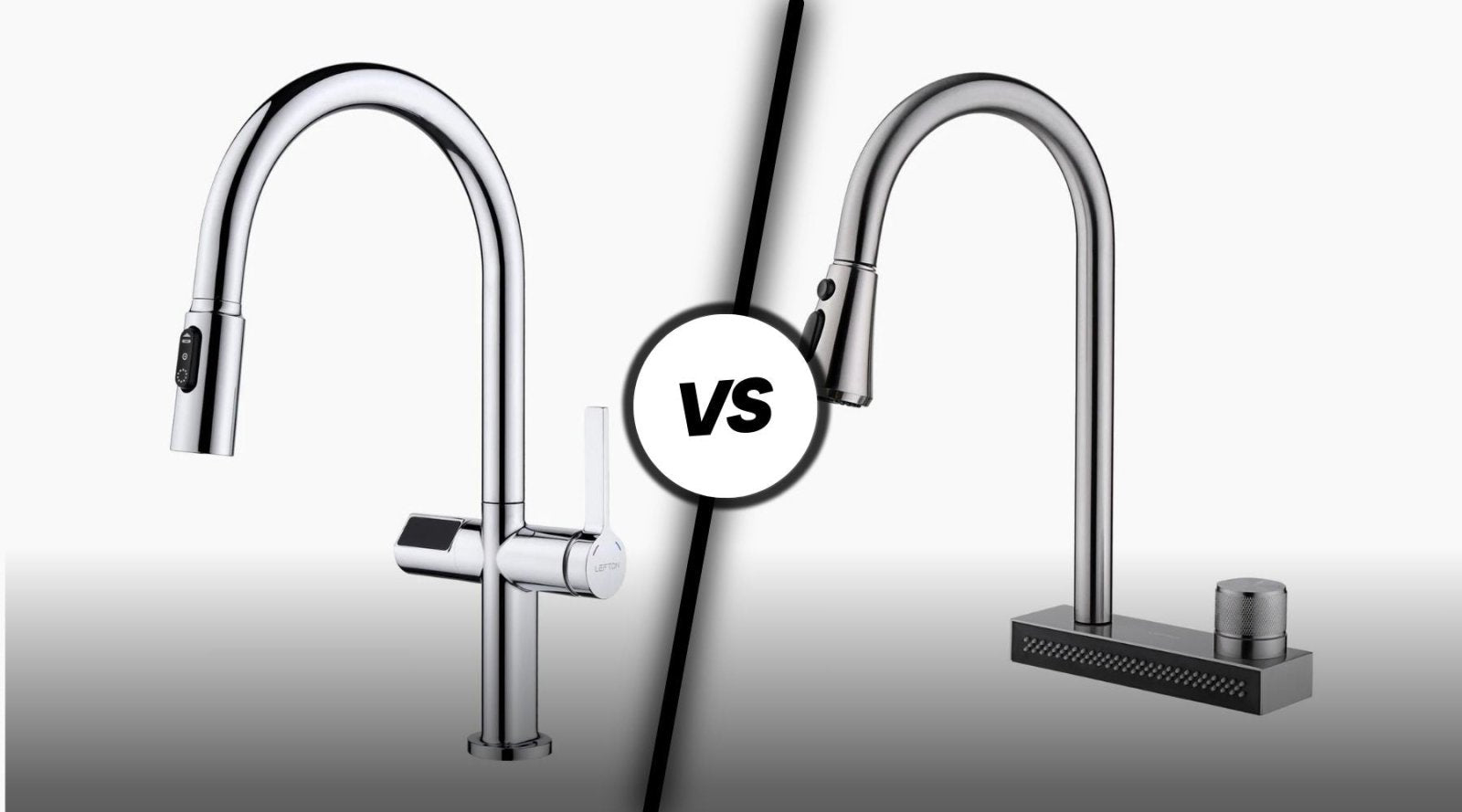
Stainless steel has a bright, mirror-like finish. It looks modern, clean, and sleek. This finish reflects light, which can make a space feel larger and brighter. However, the high shine also means fingerprints, water spots, and scratches are more visible, especially in busy kitchens.
Brushed nickel has a warmer, muted silver color. The brushing process creates fine lines on the surface, making it less reflective. This finish fits well in traditional, classic, or even industrial designs. Brushed nickel is excellent at hiding fingerprints, smudges, and small scratches due to its matte surface.
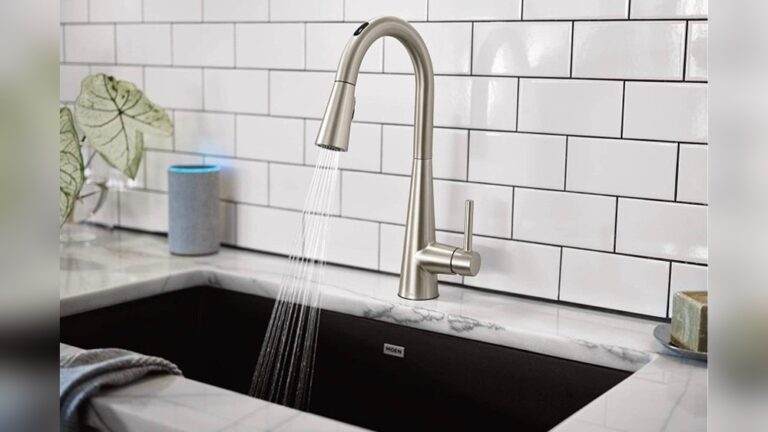
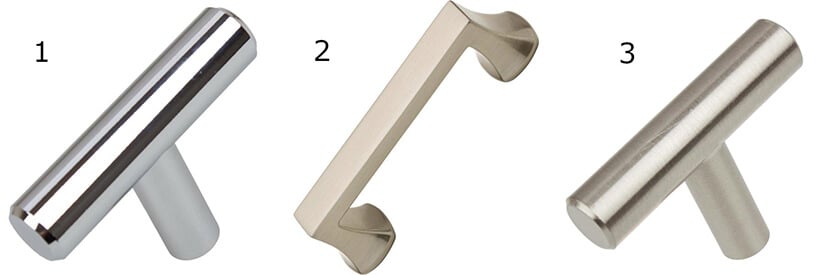
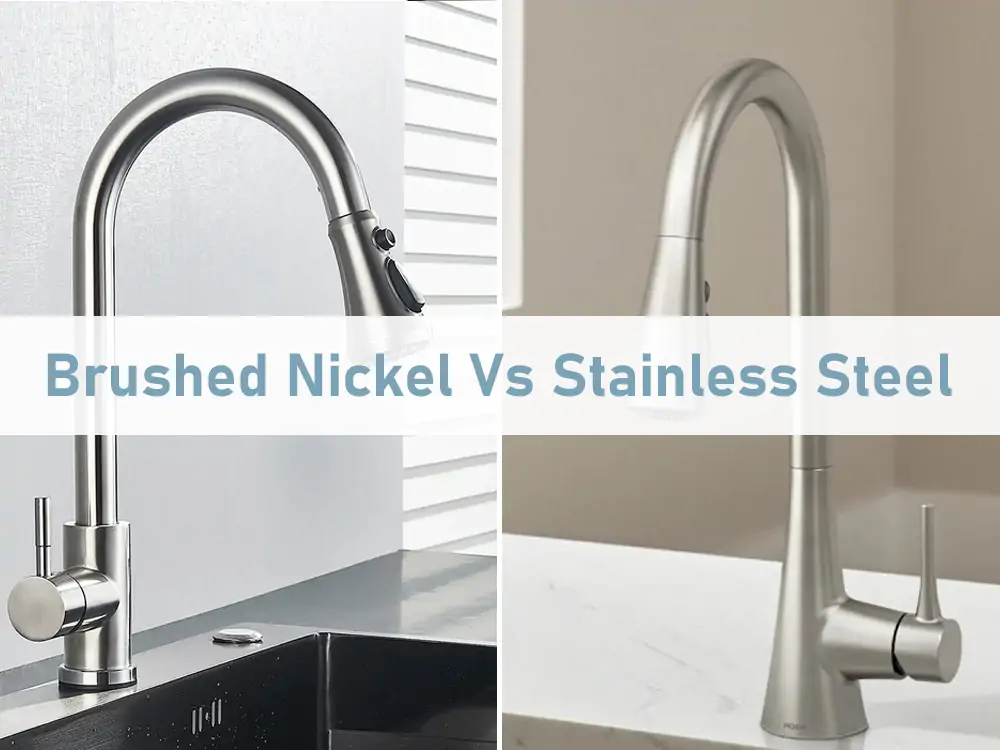
Many people confuse these two finishes. A quick tip: if the faucet shines like a mirror, it’s likely stainless steel. If it looks soft and satin-like, it’s probably brushed nickel.
Credit: www.leftonhome.com
Durability And Longevity
When investing in a faucet, you want it to last for years. Let’s compare how well these two finishes handle daily use.
Stainless steel is known for its strength and resistance to rust, corrosion, and tarnishing. It’s made from solid metal, so even if the surface gets scratched, there’s no coating to wear off. This makes it a favorite in commercial kitchens, where faucets get heavy use.
Brushed nickel faucets are durable, but their outer finish is a thin layer on top of a base metal. Over time, harsh cleaning chemicals or scrubbing can wear down the nickel coating, exposing the metal underneath. When that happens, the faucet may lose its luster or develop patches.
Still, with proper care, both finishes can last a decade or more. Stainless steel has a slight edge in terms of longevity, especially in high-traffic kitchens or bathrooms.
Maintenance And Cleaning
No one wants to spend hours cleaning their faucet. Maintenance is a key factor for busy households.
Stainless steel looks great when clean but shows water spots, fingerprints, and smudges easily. You need to wipe it down regularly, especially if you have hard water. Use a microfiber cloth and a gentle cleanser. Avoid bleach or abrasive pads, as they can scratch the surface.
Brushed nickel is much more forgiving. Its matte finish hides smudges and water spots. A quick wipe with a damp cloth is usually enough. Harsh cleaners can damage the nickel coating, so stick with mild soap and water.
One non-obvious tip: always dry your faucet after cleaning. Water left on the surface can cause spots, especially with stainless steel.
Cost And Value
Budget is often a big factor when choosing a faucet. How do stainless steel and brushed nickel compare in terms of price?
In general, stainless steel faucets cost more upfront. The material itself is more expensive to produce, and solid stainless steel faucets are heavier and more robust. Prices can range from $70 for basic models to over $400 for designer brands.
Brushed nickel faucets are usually less expensive because the nickel layer is thin and often applied over cheaper metals like brass or zinc. Entry-level models start around $50, with luxury options reaching $300 or more.
But price isn’t everything. Consider the long-term value. Stainless steel may cost more initially but often lasts longer with less risk of surface damage. Brushed nickel can offer better value for homeowners on a budget or those who plan to remodel again in a few years.
Here is a simple comparison:
| Finish | Typical Price Range (USD) | Expected Lifespan |
|---|---|---|
| Stainless Steel | $70 – $400+ | 10–20 years |
| Brushed Nickel | $50 – $300+ | 7–15 years |
Resistance To Corrosion And Tarnishing
Kitchens and bathrooms are wet places. A faucet’s ability to resist corrosion and tarnishing is crucial.
Stainless steel contains chromium, which reacts with air to form a protective layer. This makes the faucet highly resistant to rust and corrosion. Even in homes with hard water, stainless steel holds up well.
Brushed nickel also resists corrosion, but not as strongly as stainless steel. The nickel layer can wear off if scratched or exposed to harsh chemicals, exposing the base metal to water and air. This is more likely to happen in areas with high humidity or salt in the air, like homes near the ocean.
If you want a faucet that stands up to years of moisture, stainless steel is often the safer bet.
Matching With Other Fixtures And Decor
A faucet should complement your kitchen or bathroom. How do these finishes fit with other design elements?
Stainless steel is easy to match with appliances like sinks, refrigerators, and stoves, which are often made from the same material. It fits well in modern or industrial spaces. However, the high shine can sometimes clash with matte or warm-toned fixtures.
Brushed nickel is very flexible. Its warm, neutral color works with many countertop materials and cabinet finishes. It’s especially popular in traditional and transitional designs. Brushed nickel also hides scratches from jewelry and rings better than stainless steel.
A non-obvious insight: if you plan to mix metals in your home, brushed nickel blends more easily with both warm (bronze, gold) and cool (chrome, stainless) tones.
Installation And Compatibility
Most faucets, regardless of finish, have a similar installation process. However, weight and compatibility can differ.
Stainless steel faucets are heavier, which can be a plus for durability but a minus if your sink or countertop is thin or lightweight. Make sure your mounting hardware is strong enough to support the weight.
Brushed nickel faucets tend to be lighter because they are often made from brass or zinc under the nickel layer. This makes them easier to install, especially for DIY projects.
Both finishes are available in all popular faucet styles, including single-handle, double-handle, pull-down, and touchless models.
Environmental Impact And Sustainability
More homeowners are thinking about the environment when choosing home products.
Stainless steel is highly recyclable. Old faucets can be melted down and reused without losing quality. The material is also non-toxic and doesn’t leach chemicals into water.
Brushed nickel is also recyclable, but the recycling process is more complex. The nickel layer must be separated from the base metal. Some nickel production methods are energy-intensive and can create pollution.
If sustainability is a priority, stainless steel is usually the greener choice.
Common Problems And User Complaints
No faucet finish is perfect. Here are some issues homeowners often report:
- Stainless Steel:
- Shows fingerprints and water spots easily
- Scratches can be highly visible
- Can look “cold” or industrial in some designs
- Brushed Nickel:
- Finish can wear off over time, especially with harsh cleaners
- Prone to “staining” from certain water minerals if not cleaned regularly
- Some brands have a yellowish tint that doesn’t match other nickel fixtures
A practical tip: always check reviews for the exact model you want. Quality can vary even within the same finish.
Credit: kitchencabinetkings.com
Availability And Market Trends
Both finishes are widely available, but trends shift over time.
Stainless steel has been popular for decades, especially in kitchens. Many high-end brands offer stainless options. In recent years, matte black and gold finishes have become trendy, but stainless steel remains a classic.
Brushed nickel surged in popularity in the early 2000s and is still common in new construction. It’s a safe choice if you want a neutral look that won’t go out of style.
Here’s a quick look at current market trends:
| Finish | Popularity (2024 Estimate) | Best For |
|---|---|---|
| Stainless Steel | High | Modern kitchens, commercial spaces |
| Brushed Nickel | High | Traditional and transitional designs |
Health And Water Quality Concerns
The faucet finish can affect water quality, but only in specific circumstances.
Stainless steel is considered very safe. It doesn’t react with water or leach harmful chemicals. This makes it a good choice for families with young children or sensitive skin.
Brushed nickel faucets are also safe, as the nickel layer does not come into contact with water (it’s only on the outside). However, if the finish wears off and exposes brass or zinc, there could be a small risk of metal leaching, especially with very old or poorly made faucets.
A small but important tip: always choose lead-free certified faucets, no matter the finish. This is especially important for drinking water fixtures.
Credit: hxsco.com
Cleaning Products And Care Tips
Choosing the right cleaning products can make your faucet last longer and look better.
- For stainless steel, use a soft cloth, mild soap, and water. For tough spots, a little vinegar can help, but rinse and dry immediately.
- For brushed nickel, avoid acidic cleaners, bleach, or anything abrasive. Stick to warm water and gentle dish soap.
A common mistake is using the same cleaner for all finishes. For example, glass cleaner can leave streaks on stainless steel and damage brushed nickel.
If you have hard water, consider wiping the faucet dry after each use to prevent mineral spots—especially for stainless steel.
Choosing The Right Faucet For Your Needs
Making the final decision depends on your home, lifestyle, and personal taste. Here are some key questions to guide you:
- Do you want a shiny, modern look or a soft, classic feel?
- Is your kitchen or bathroom high-traffic, with lots of water splashes?
- How much time do you want to spend on cleaning and maintenance?
- Are you matching other fixtures or appliances in the room?
- Is long-term durability or lower initial cost more important to you?
Another non-obvious insight: consider your local water type. Homes with hard water may find brushed nickel easier to keep clean, as it hides spots better. In coastal areas, stainless steel’s rust resistance can be a major advantage.
Side-by-side Comparison Summary
To make things easier, here’s a direct comparison of the most important factors:
| Feature | Stainless Steel | Brushed Nickel |
|---|---|---|
| Appearance | Bright, reflective | Soft, matte |
| Durability | Very high | High, but coating can wear |
| Maintenance | Shows spots, needs regular cleaning | Hides spots, easy to clean |
| Cost | Higher | Moderate |
| Best For | Modern, high-use areas | Traditional, low-maintenance homes |
| Recyclability | Excellent | Good, but more complex |
Real-world Examples And User Experiences
Consider the story of Anna, who remodeled her kitchen with a stainless steel faucet. She loved the modern look but noticed that her kids’ fingerprints were always visible after every wash. After a year, she switched to brushed nickel, which required less cleaning.
Another example: Mark, a chef, chose stainless steel for his home kitchen because he wanted the same durability as his restaurant. He found that stainless steel held up to heavy daily use, frequent cleaning, and even the occasional bump from heavy pots.
These stories show that the “best” finish depends on your habits and preferences.
How To Spot Quality Faucets
Finish is important, but so is overall faucet quality. Here are a few tips:
- Weight: High-quality stainless steel faucets feel heavier and sturdier.
- Certification: Look for WaterSense or lead-free labels.
- Warranty: Good brands offer at least a 5-year warranty on the finish.
- Brand Reputation: Read reviews and choose established brands.
A beginner mistake is focusing only on appearance, not on the quality of valves and internal parts. Leaks and drips are usually caused by poor engineering, not by the finish.
When To Choose Stainless Steel Over Brushed Nickel
Choose stainless steel if:
- You want a modern, commercial look.
- Your kitchen or bathroom sees heavy use.
- You want maximum rust and corrosion resistance.
- You prefer a finish that can be buffed to remove scratches.
When To Choose Brushed Nickel Over Stainless Steel
Choose brushed nickel if:
- You want a soft, warm look.
- You dislike frequent cleaning of fingerprints.
- Your home’s design is traditional or transitional.
- You want a finish that matches many decor styles.
Frequently Asked Questions
Is Stainless Steel More Hygienic Than Brushed Nickel?
Yes, stainless steel has a non-porous surface, which means bacteria and germs have nowhere to hide. This makes it slightly more hygienic, especially in kitchens where food safety is important.
Will Brushed Nickel Faucets Turn Green Or Tarnish Over Time?
Brushed nickel does not turn green like copper, but the finish can become dull or stained if not cleaned regularly. Tarnish is rare but possible if the nickel layer wears off and the base metal is exposed.
Can I Mix Stainless Steel And Brushed Nickel In The Same Room?
Yes, many designers mix finishes for interest. However, make sure one finish dominates—use the other as an accent. Brushed nickel is easier to blend with other metals due to its neutral tone.
Do Stainless Steel Faucets Rust?
Quality stainless steel faucets are highly resistant to rust. However, if the surface is damaged or if poor-quality steel is used, minor rust spots can appear. Regular cleaning and drying can help prevent this.
Which Is Easier To Keep Clean: Stainless Steel Or Brushed Nickel?
Brushed nickel is generally easier to keep clean because it hides fingerprints, smudges, and water spots. Stainless steel requires more frequent wiping to stay shiny.
For more information on faucet materials, you can visit the Wikipedia Faucet page.
In the end, both stainless steel and brushed nickel faucets offer unique benefits. Your choice should reflect your personal style, budget, and how much maintenance you’re willing to do. With the right care, either finish can give you years of reliable performance and beauty in your home.