Pur Plus Vs Brita Faucet Filter: Which One Should You Choose?
Water quality is a growing concern in many homes. People want clean, safe water for drinking, cooking, and even washing produce. If you use tap water, you may wonder if it’s really safe, or if it tastes and smells as good as it should. Faucet water filters have become a popular solution, and two big names stand out—Pur Plus and Brita. You may have seen both in stores, but which one is better for your needs? Choosing the right faucet filter can make a big difference in water taste, safety, and your daily routine. Let’s compare Pur Plus vs Brita Faucet Filter in detail, so you can decide with confidence.
What Are Faucet Filters And Why Do They Matter?
Faucet filters attach directly to your kitchen faucet. They remove many common contaminants from tap water, such as chlorine, lead, and sediment. This improves both the taste and safety of your water. The right filter can turn ordinary tap water into something that tastes crisp and fresh, almost like bottled water but without plastic waste.
Both Pur Plus and Brita are trusted brands, but their faucet filters work a bit differently. Understanding these differences helps you pick what’s best for your home.
Overview: Pur Plus Vs Brita Faucet Filter
Both Pur Plus and Brita offer faucet filters that are easy to install and use. They have similar goals, but their technology, filter life, and features are not the same.
- Pur Plus Faucet Filter uses a special blend of activated carbon and ion exchange to reduce over 70 contaminants, including lead, mercury, and some pesticides.
- Brita Faucet Filter also uses activated carbon, but its list of certified contaminant reduction is shorter, focusing on chlorine, lead, and a handful of other substances.
To see how these systems compare, here’s a side-by-side look at their core features:
| Feature | PUR Plus Faucet Filter | Brita Faucet Filter |
|---|---|---|
| Contaminants Removed | 70+ | 60+ |
| Filter Life | Up to 100 gallons (3 months) | Up to 100 gallons (4 months) |
| Filter Change Indicator | Yes (LED) | Yes (LED) |
| Installation | Tool-free, 5 minutes | Tool-free, 5 minutes |
| NSF/ANSI Certification | NSF 42, 53, 401 | NSF 42, 53 |
| Filter Technology | Activated Carbon + Ion Exchange | Activated Carbon |
| Average Price | $25–$35 | $20–$30 |

Credit: www.amazon.com
Filtration Performance: What Do They Remove?
Not all faucet filters are equal. The main reason people buy them is to reduce contaminants. Pur Plus and Brita both remove some of the same substances, but Pur Plus claims to filter out more.
Pur Plus Filtration
Pur Plus filters are certified to remove or reduce over 70 contaminants. These include:
- Lead
- Mercury
- Chlorine (taste and odor)
- Pesticides
- Industrial pollutants
- Pharmaceuticals (some models)
Pur Plus also has NSF/ANSI certifications for standards 42, 53, and 401. This means it’s tested for removing:
- Chlorine (taste/odor)
- Particulate Class I
- Lead
- Some pharmaceuticals (like ibuprofen and naproxen)
Brita Filtration
Brita faucet filters reduce over 60 contaminants. Their main focus is:
- Lead
- Chlorine (taste and odor)
- Benzene
- Asbestos
- Some particulates
Brita’s filters are NSF-certified for standards 42 and 53, covering chlorine and lead. However, it does not have the extra certification (401) for pharmaceuticals.
Real-world Example
If your main worry is lead contamination (common in older homes), both filters will help. But if you are concerned about newer contaminants like traces of medicines, Pur Plus has an edge due to its NSF 401 certification.
Filter Technology: How Do They Work?
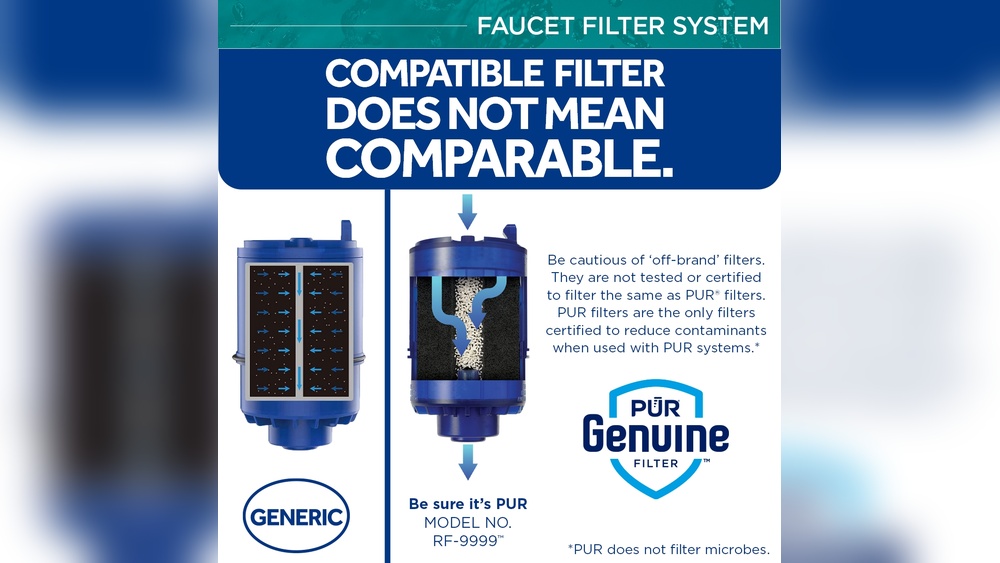
Both Pur Plus and Brita use activated carbon in their filters. Activated carbon is highly porous, trapping impurities as water passes through. Pur Plus adds an extra layer—ion exchange—which is especially good at removing heavy metals like lead.
Pur Plus Technology
- Activated Carbon: Removes chlorine, some pesticides, and industrial chemicals.
- Ion Exchange: Traps heavy metals (lead, mercury).
- Microfiltration Layer: Catches sediment and large particles.
Brita Technology
- Activated Carbon: Focuses on chlorine, some particulates, and a few heavy metals.
- Non-woven Filter: Removes sediment.
Non-obvious insight: Ion exchange (in Pur Plus) is more effective for lead and mercury, while activated carbon is better for organic chemicals and chlorine. If your water test shows high lead, Pur Plus is likely better.
Credit: shouldit.com
Installation And Compatibility
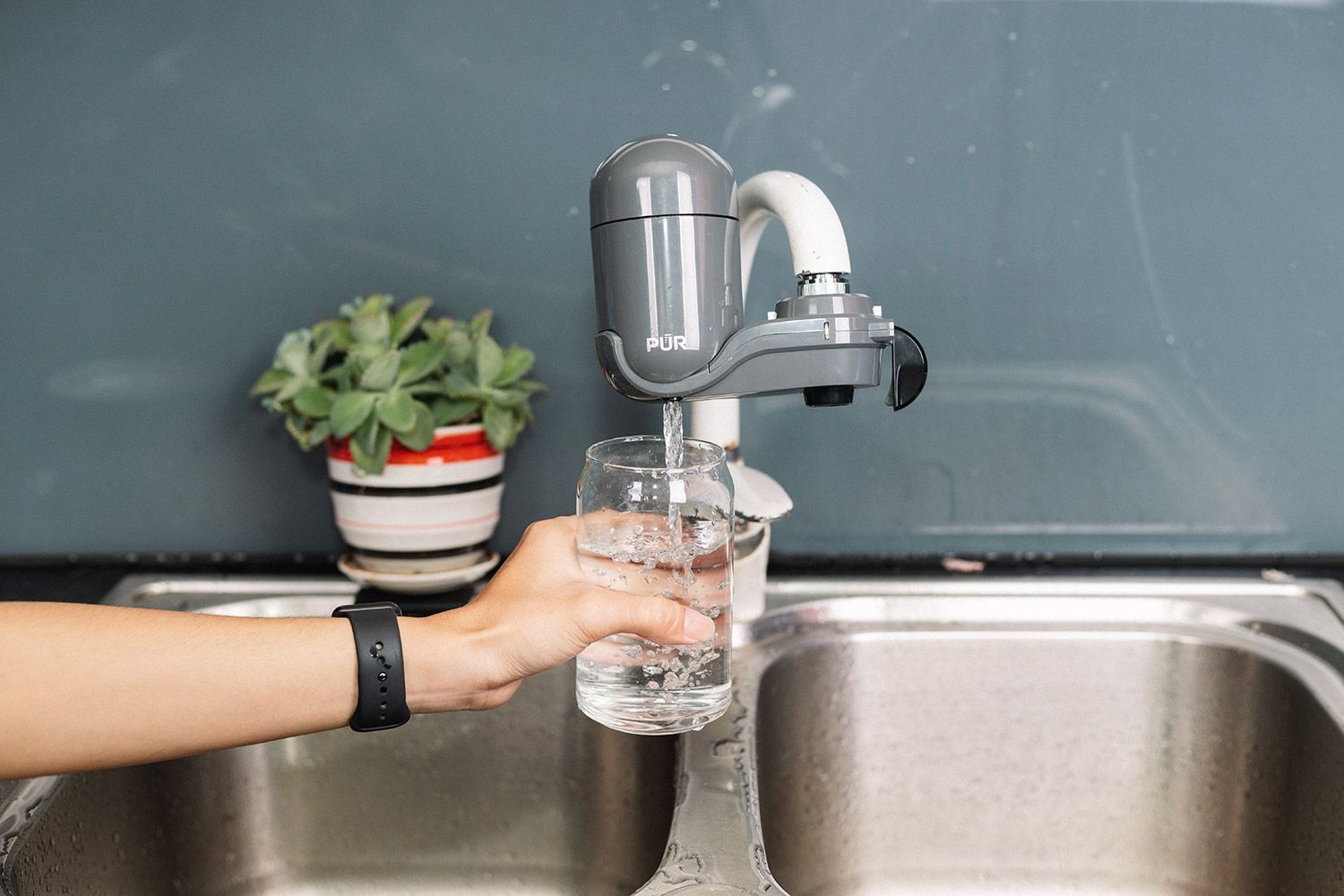
Both faucet filters are designed for easy, tool-free installation. They simply attach to your faucet. However, not every faucet is compatible.
- Standard faucets: Both filters fit most traditional kitchen faucets.
- Not compatible: Pull-out or spray-style faucets are usually not supported.
Pro tip: Always check your faucet type before buying. Many people ignore this and get frustrated when the filter doesn’t fit.
Installation Steps (for Both)
- Unscrew your faucet aerator.
- Attach the filter mounting collar.
- Click the filter unit onto the collar.
- Run water for a few minutes to flush the new filter.
In most cases, it takes less than five minutes. Both brands include multiple adapters for different faucet threads.
Filter Life And Maintenance
Filter life tells you how long a filter works before you must replace it. Both Pur Plus and Brita claim up to 100 gallons per filter, which is about 3–4 months for a family.
Pur Plus
- 100 gallons or 3 months
- LED indicator flashes when it’s time to change the filter.
- Replacement is quick—just twist out the old filter and insert the new one.
Brita
- 100 gallons or 4 months
- LED indicator as well.
- Similar quick-change design.
Non-obvious insight: Filter life depends on your water quality. If your water has lots of sediment, you may need to change filters more often than advertised. Always watch the LED indicator, not just the calendar.
Taste And Water Flow
For many people, the most noticeable difference is in taste and flow rate.
Taste
Both filters improve taste by removing chlorine and odors. Some users report that Pur Plus produces a “crisper” taste, especially if their tap water is heavily chlorinated.
Water Flow
A common complaint about faucet filters is slower water flow. Both Pur Plus and Brita slow down your tap compared to unfiltered water, but the difference is minor for most tasks.
Here’s a look at average flow rates:
| Brand | Average Flow Rate (gallons per minute) |
|---|---|
| PUR Plus | 0.5–0.6 |
| Brita | 0.5–0.6 |
Pro tip: If your filter suddenly becomes very slow, it’s likely clogged with sediment and needs changing.
Price And Ongoing Costs
The initial price and replacement filter cost are important to most buyers.
Upfront Cost
- Pur Plus: $25–$35 for the faucet filter unit.
- Brita: $20–$30 for the faucet filter unit.
Replacement Filters
- Pur Plus filters: $15–$20 per filter, or about $60–$80 per year for regular use.
- Brita filters: $13–$18 per filter, or $52–$72 per year.
While the difference per filter is small, it adds up over time. Brita has a slight edge in ongoing costs.
Insider tip: Buying filters in multipacks can save money. Some retailers offer discounts for 3- or 6-packs.
Design And Usability
Both brands focus on a sleek, compact design that doesn’t take up much space. However, there are small differences in usability.
Pur Plus
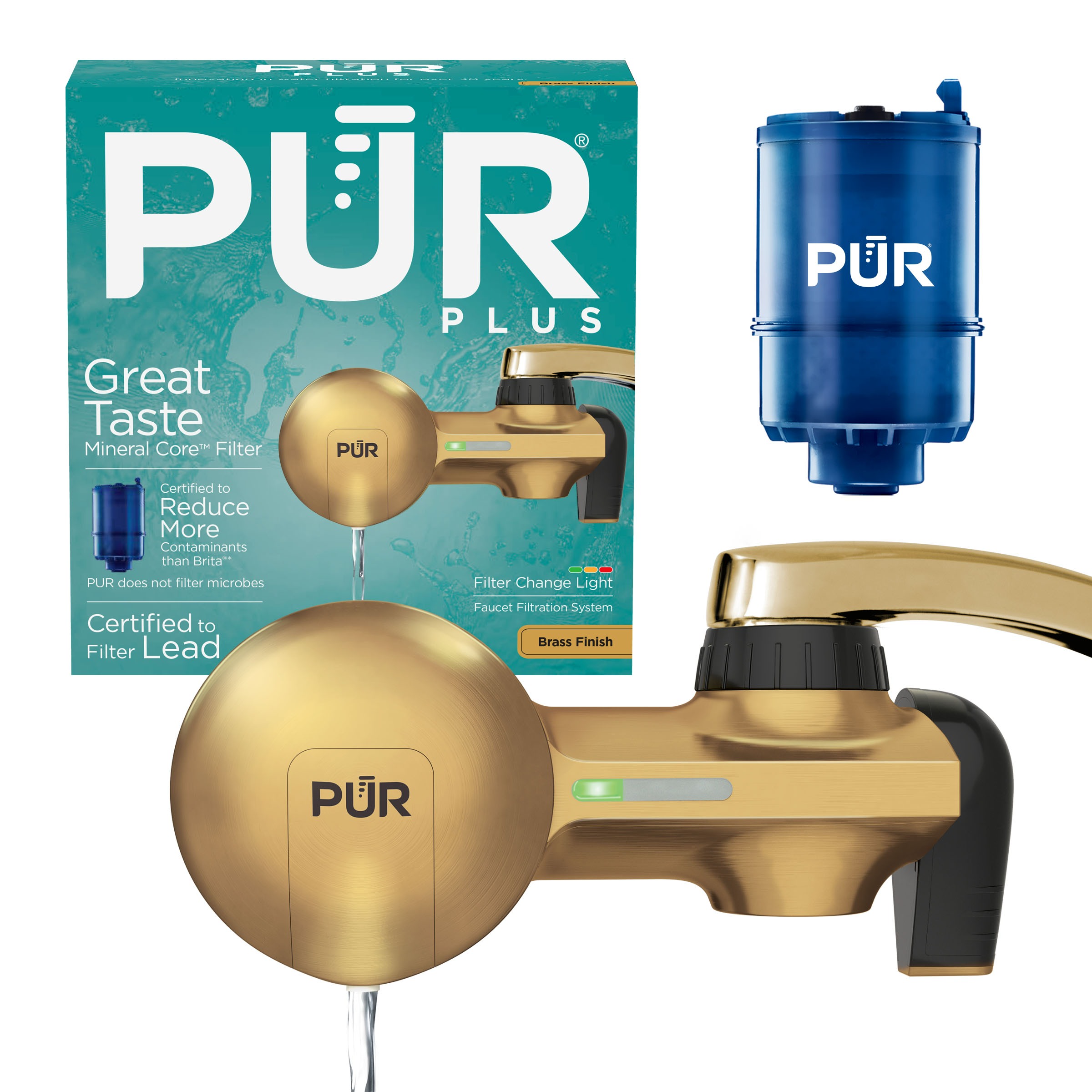
- Slightly larger body, but more color choices (chrome, white, black).
- One-click filter switch: Lets you choose filtered or unfiltered water instantly.
- LED indicator is clear and easy to see.
Brita
- More compact; fits better in smaller sinks.
- Also has a switch to move between filtered and unfiltered water.
- LED indicator is on top, which may be harder to see if your faucet is high.
Non-obvious insight: If your sink is shallow or crowded, Brita’s smaller size could be more convenient. For families filling large pots, Pur Plus’s slightly higher clearance can help.
Certifications And Trust
When it comes to water quality, certification is critical. Both Pur Plus and Brita filters are certified by NSF International, a respected independent testing body.
Pur Plus
- NSF/ANSI 42: Removes chlorine, taste, and odor.
- NSF/ANSI 53: Removes lead, cysts, and some industrial chemicals.
- NSF/ANSI 401: Removes some pharmaceuticals.
Brita
- NSF/ANSI 42: Removes chlorine, taste, and odor.
- NSF/ANSI 53: Removes lead and asbestos.
If you worry about traces of medicines or pesticides, Pur Plus’s extra certification (401) is a real advantage.
External resource: Learn more about NSF certifications at NSF International.
Environmental Impact
Both faucet filters help reduce plastic waste by cutting down on bottled water use. But there’s still some waste—used filters must be thrown away.
Recycling Programs
- Brita offers a filter recycling program in partnership with TerraCycle. You can send used filters for free recycling.
- Pur Plus does not have a direct recycling program, but some local recycling centers accept used filters if you remove excess water and packaging.
Pro tip: Always check your local recycling rules, as not all facilities accept water filters.
Pros And Cons: Quick Summary
To help you decide, here’s a quick overview of key pros and cons for each brand.
Pur Plus Faucet Filter
Pros:
- Removes more contaminants, including some pharmaceuticals.
- Extra certifications (NSF 401).
- Strong performance for lead and mercury.
- Clear LED indicator.
- Choice of finishes.
Cons:
- Slightly larger size may not fit all sinks.
- Slightly higher filter cost.
Brita Faucet Filter
Pros:
- Compact, fits smaller sinks.
- Good for removing lead and chlorine.
- Lower ongoing costs.
- Filter recycling program.
Cons:
- Fewer contaminants removed (no pharmaceutical reduction).
- LED indicator can be hard to see in some setups.
Real User Experiences
Reading technical specs is useful, but real-world feedback can reveal more.
Pur Plus users often mention how much cleaner and fresher their water tastes. Many appreciate the peace of mind from knowing more contaminants are removed, especially families with young kids or people in older houses.
Brita users love the compact design and lower filter cost. Many are loyal because of the brand’s long history and positive past experiences with Brita pitchers or bottles. The recycling program is also a big plus for eco-conscious families.
Common issues for both:
- Sometimes, installation can be tricky if your faucet is not standard.
- If you have high sediment in your water, filters may clog faster than expected.
- Both filters require regular replacements for best performance.
Who Should Choose Pur Plus?
You might prefer Pur Plus if:
- You want the most protection from a wide range of contaminants.
- You are worried about pharmaceuticals, pesticides, or industrial chemicals.
- Your home has old pipes and you’re concerned about heavy metals.
- You value extra certifications.
- A slightly bigger filter size is not a problem for your sink.
Credit: www.pur.com
Who Should Choose Brita?
Brita may be better if:
- Your main concern is chlorine and lead.
- You want a smaller, more compact filter.
- Lower filter replacement cost matters to you.
- You want to recycle your used filters easily.
- You have limited sink space.
Making Your Decision: Key Questions To Ask
Before you buy, consider these practical questions:
- What is in your local water? (Check your city’s water quality report or use a home test kit.)
- Does your faucet fit standard filters? (Measure and check before buying.)
- How much filtered water does your family use daily? (This affects how often you’ll replace filters.)
- Are you concerned about specific contaminants? (Such as pharmaceuticals or pesticides.)
- Is filter recycling important to you?
If you’re still unsure, look at reviews for your own faucet model. Some brands offer money-back guarantees if the fit isn’t right.
Frequently Asked Questions
How Often Do I Need To Change The Pur Plus Or Brita Faucet Filter?
Both brands recommend changing the filter every 100 gallons of use. For most families, this is about every 3–4 months. Always check the LED indicator, as heavy use or poor water quality can shorten filter life.
Can I Use Pur Plus Or Brita Faucet Filters On Any Type Of Kitchen Faucet?
No, both filters fit standard faucets only. They usually do not fit pull-out, spray-style, or unconventional faucets. Check your faucet’s design and size before buying.
Which Filter Is Better For Removing Lead?
Both Pur Plus and Brita are certified to remove lead. However, Pur Plus uses ion exchange technology, which can be more effective if your home has high lead levels.
Do These Filters Remove Bacteria And Viruses?
Neither filter is designed to remove bacteria or viruses. They focus on chemical contaminants. For biological contaminants, you need a reverse osmosis system or a UV purifier.
What If My Water Tastes Bad Even After Installing A Filter?
If the taste doesn’t improve, the filter may be clogged or installed incorrectly, or your water may have contaminants not removed by the filter. Try replacing the filter or testing your water for unusual substances.
Choosing between Pur Plus and Brita faucet filters comes down to your specific needs and what contaminants you want to target. Both offer a big step up from unfiltered tap water, and either choice can help your family enjoy cleaner, better-tasting water every day.