Moen Vs Pfister Bathroom Faucet: Which Brand Reigns Supreme?
When it comes to remodeling a bathroom, the faucet might seem like a small detail. But the right faucet can make your bathroom easier to use, add a touch of style, and even help you save water. Two brands stand out in the world of bathroom faucets: Moen and Pfister. Both companies have a long history and many loyal customers, but they offer different strengths and features. If you’re deciding between these two giants, it’s important to understand their differences, similarities, and what truly matters for your home.
Choosing the right faucet isn’t just about looks. It’s also about long-term reliability, ease of installation, water-saving technology, and even customer service. In this guide, you’ll get a detailed, side-by-side look at Moen vs Pfister bathroom faucet options. Whether you’re a first-time buyer or planning a major upgrade, this article will help you make a smart, confident choice.
Brand Histories And Reputations
Understanding where each company comes from gives insight into their design and values.
Moen: Innovation And Trust
Moen started in 1937 when Al Moen invented the single-handle faucet. The company is known for innovation and user-friendly technology. Over the decades, Moen has built a reputation for stylish designs and reliable products. They focus on making things easy for homeowners, from installation to daily use.
Moen’s products are common in both new homes and renovations. Many plumbers recommend them because they are durable and replacement parts are widely available.
Pfister: Value And Variety
Pfister, formerly known as Price Pfister, has been making faucets since 1910. The company’s focus is on offering great value and a wide range of styles. Pfister is known for making reliable products at a competitive price, which makes them popular in both budget and mid-range bathroom projects.
Pfister also invests in water-saving technology and was one of the first to offer Pforever Seal, a ceramic disc valve that helps prevent leaks.
Design And Style Options
Both Moen and Pfister offer a wide range of styles, but their approaches are slightly different.
Moen’s Aesthetic Approach
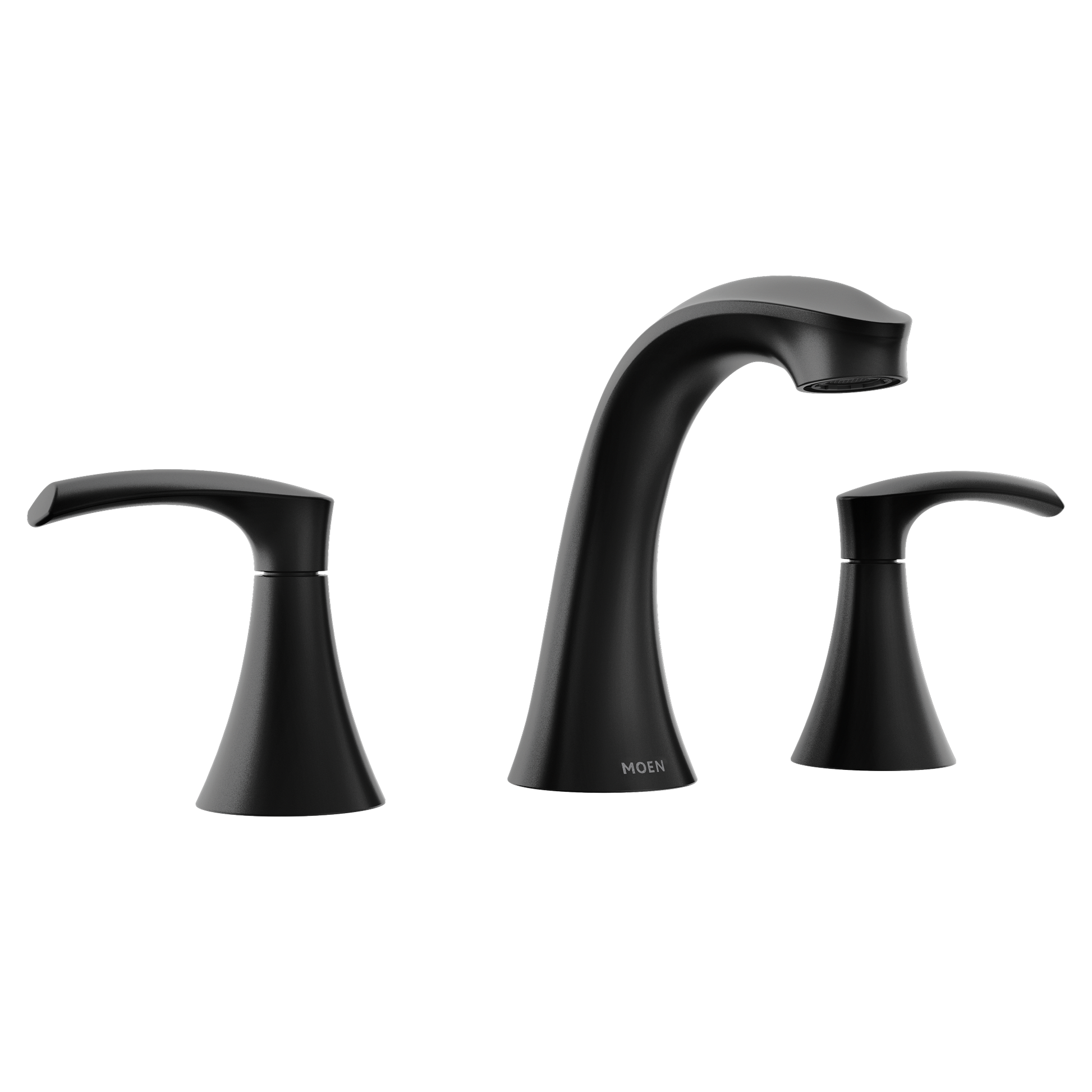
Moen is famous for sleek, modern designs. They focus on clean lines and elegant finishes. Their collections often have a unified look across faucets, showerheads, and accessories, making it easy to create a coordinated bathroom. Popular finishes include Brushed Nickel, Chrome, Matte Black, and Oil-Rubbed Bronze.
For example, the Moen Gibson collection features sharp angles and a minimalist style, while the Moen Eva collection offers softer curves and a classic look.
Pfister’s Style Variety
Pfister offers more variety, including both traditional and modern designs. Their collections often include unique details like decorative handles or intricate spouts. Pfister’s finishes include Polished Chrome, Tuscan Bronze, Brushed Nickel, and even Matte Gold.
If you want something that stands out, Pfister’s Jaida and Ladera collections are known for waterfall spouts and bold shapes.
Side-by-side Comparison
Here’s a quick overview of design options:
| Brand | Design Focus | Popular Finishes | Signature Styles |
|---|---|---|---|
| Moen | Modern, unified, simple | Brushed Nickel, Chrome, Matte Black, Oil-Rubbed Bronze | Gibson, Eva, Align |
| Pfister | Variety, bold, detailed | Polished Chrome, Tuscan Bronze, Brushed Nickel, Matte Gold | Jaida, Ladera, Saxton |
Credit: www.moen.com
Build Quality And Materials
A bathroom faucet needs to handle years of daily use, so quality matters.
Moen: Durable And Consistent
Moen uses solid brass or metal construction for most faucets, which means they resist corrosion and last longer. Their finishes are applied with a process that helps prevent tarnishing and scratching.
A unique feature is Spot Resist™ technology, which helps reduce fingerprints and water spots on some Moen models. This is especially useful in busy bathrooms.
Pfister: Good Value, Reliable Materials
Pfister faucets are usually made with metal or zinc alloy bodies. While not as heavy as solid brass, these materials are still strong enough for everyday use. Pfister’s Pforever Seal ceramic disc valve is included in most models, which helps prevent leaks and reduces the need for repairs.
One thing beginners often miss: Brass is generally more durable than zinc alloy, so high-traffic bathrooms may benefit more from Moen’s material choice.
Ease Of Installation
Not everyone calls a plumber for faucet installation. How easy is it to install Moen and Pfister faucets yourself?
Moen: Tool-free Simplicity
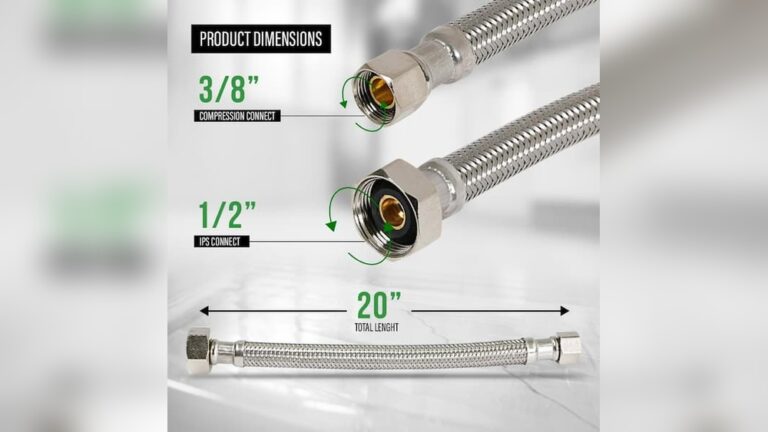
Moen designs many of their faucets for quick installation. The Duralock™ Quick Connect system lets you attach water lines without tools. Most Moen bathroom faucets come with flexible supply lines and detailed instructions.
A practical tip: If you’re replacing an old Moen faucet, the company keeps most connection sizes consistent, so you may not have to change your plumbing setup.
Pfister: Flexible Solutions
Pfister also aims for easy installation. Many models feature Push & Seal™ drain assemblies, which don’t require putty or tools. Their TiteSeal™ deck plates help prevent leaks and speed up installation.
Pfister is known for being compatible with both one-hole and three-hole sinks, which is useful in older homes.
Water Efficiency And Environmental Impact
Saving water is important for your bills and the environment. Both brands offer water-saving features, but with some differences.
Moen: Epa Watersense Certified
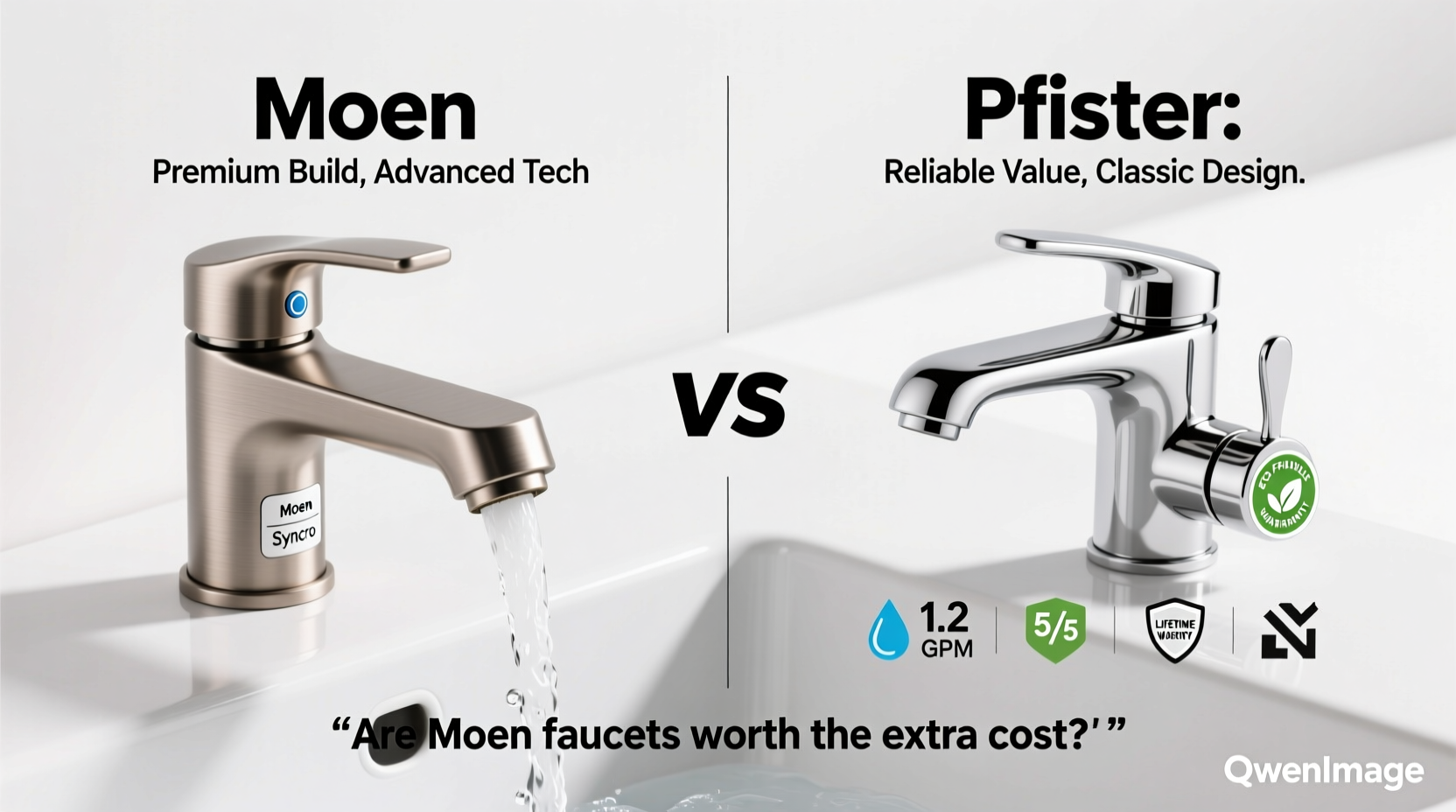
Most Moen bathroom faucets meet the EPA WaterSense standard, using 1.2 gallons per minute (GPM) or less. Their aerators are designed to maintain strong water pressure while reducing water use.
A non-obvious insight: Some Moen models offer flow-optimizing technology that adapts to your home’s water pressure, so you get a consistent stream without waste.
Pfister: Advanced Flow Technology
Pfister also makes WaterSense-certified faucets, with many models using 1.2 GPM. The company’s Eco-Friendly technology includes auto shut-off and low-flow aerators on select models.
Pfister’s React™ touchless technology (available in some faucets) can reduce water waste by turning off automatically when not in use.
Price And Value For Money
Cost is often a deciding factor. Here’s how the two brands compare in terms of price and what you get for your money.
Moen: Slightly Higher Investment
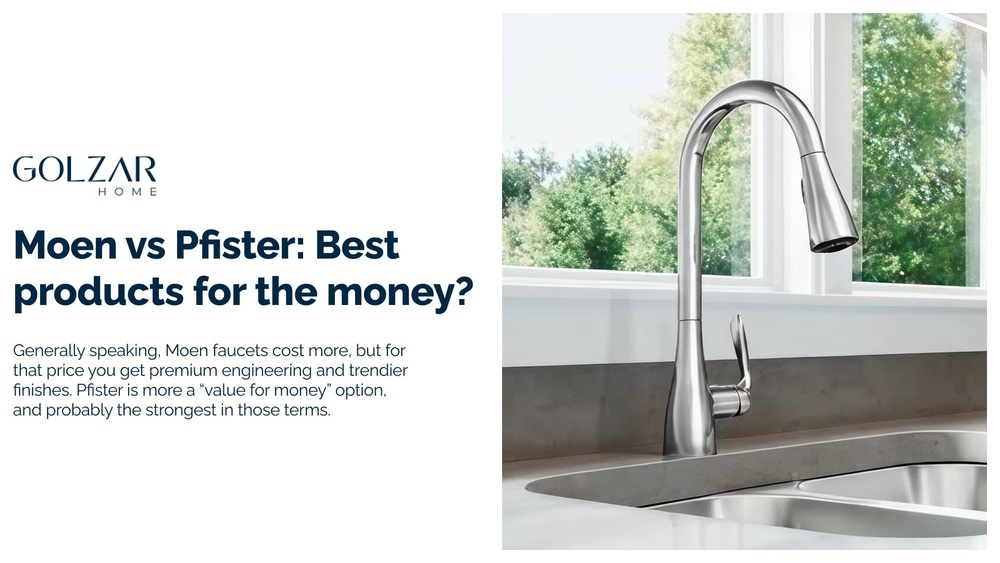
Moen faucets usually cost more than Pfister. Entry-level Moen bathroom faucets start around $70-$100, while high-end models can exceed $300. The higher price reflects the use of solid brass and advanced finishes.
Pfister: Budget-friendly Options
Pfister offers many affordable faucets, starting at $40-$70 for basic models. Even their mid-range and designer faucets rarely exceed $200. This makes Pfister a smart choice if you want to update your bathroom without spending too much.
Price Comparison
Here’s a quick look at typical price ranges:
| Brand | Entry-Level | Mid-Range | High-End |
|---|---|---|---|
| Moen | $70-$100 | $120-$200 | $250-$400+ |
| Pfister | $40-$70 | $80-$150 | $180-$250 |
A common beginner mistake: Choosing only by price. A slightly higher investment can mean fewer repairs and longer lifespan, which saves money in the long run.
Technology And Smart Features
Modern bathrooms are getting smarter. Both brands offer technology upgrades, but their focus is different.
Moen: Motionsense And Smart Home Integration
Moen leads with MotionSense™ technology, which allows hands-free operation. Some Moen faucets also connect to smart home systems like Amazon Alexa or Google Assistant through the Moen Smart Water App. This means you can turn the water on or off with your voice or a wave of your hand.
Another feature is Power Clean™ spray, useful in kitchen faucets, but some bathroom models include advanced spray options for washing.
Pfister: Touchless And Easy-use Systems
Pfister’s React™ touchless technology offers similar hands-free use. Their Push & Seal™ drain is another innovation—just push down to seal, and push again to open. This makes it easier for kids and older adults to use the sink.
Pfister has fewer smart home integrations than Moen, but their focus on simple, mechanical innovations is helpful for everyday use.
A non-obvious insight: Smart features are most useful in homes where hygiene is a top concern or for people with limited hand mobility.
Warranty And Customer Support
A good warranty shows confidence in product quality and offers peace of mind.
Moen: Limited Lifetime Warranty
Moen offers a Limited Lifetime Warranty on most bathroom faucets. This covers leaks, drips, and finish defects as long as you own your home. Replacement parts are easy to find, and Moen’s customer service is known for quick responses.
One practical tip: Always keep your receipt and register your faucet with Moen to make warranty claims easier.
Pfister: Pforever Warranty
Pfister’s Pforever Warranty covers both finish and function for the life of the product. This means that if your faucet leaks or the finish wears out, Pfister will repair or replace it for free. Many users report positive experiences with their customer service.
Beginners sometimes miss that not all models are covered by the lifetime warranty—always check before buying.
Credit: www.alibaba.com
Installation And Maintenance Experience
After you buy, installation and care matter. Here’s how each brand stands out.
Moen: Easy Repairs And Upgrades
Moen’s modular design means that cartridges and parts are often interchangeable. If your faucet develops a leak, you can often fix it by replacing a cartridge—no need to buy a whole new faucet.
Cleaning is also simple, especially with Spot Resist™ finishes. Just wipe with a damp cloth, and you’re done.
Pfister: Simple Maintenance, Fewer Tools Needed
Pfister faucets are designed for tool-free repairs. Their Pforever Seal means you’ll rarely need to replace washers or deal with drips. The Push & Seal™ drain system is easy to clean and doesn’t require plumber’s putty.
One detail beginners might miss: Pfister’s faucet bodies are sometimes lighter, which makes installation easier but may feel less solid than Moen’s brass models.
Real-world User Feedback
What do actual homeowners and professionals say about Moen and Pfister?
Moen User Reviews
- Most users praise Moen’s build quality and smooth operation.
- Plumbers like the easy access to parts and consistent design across models.
- Some users say Moen’s higher price is worth it for the long-term reliability.
- A few report that smart features (like MotionSense) can be tricky to set up, but Moen’s support team helps quickly.
Pfister User Reviews
- Many users appreciate Pfister’s affordability and stylish designs.
- DIYers like the simple installation process and included supply lines.
- Some reviewers mention that lighter materials feel less sturdy, but most have no issues with leaks or function.
- Warranty claims are usually resolved without hassle, which builds trust.
Comparing Top Models Head-to-head
To give you a clearer picture, here’s a direct comparison of two popular models: Moen Eva vs Pfister Jaida.
| Feature | Moen Eva | Pfister Jaida |
|---|---|---|
| Design | Classic, soft curves | Modern, waterfall spout |
| Material | Solid brass | Zinc alloy, brass mix |
| Finish Options | Chrome, Brushed Nickel, Oil-Rubbed Bronze | Brushed Nickel, Tuscan Bronze, Chrome |
| Water Flow | 1.2 GPM (WaterSense) | 1.2 GPM (WaterSense) |
| Installation | Duralock™ Quick Connect | TiteSeal™ deck plate, Push & Seal™ drain |
| Warranty | Limited Lifetime | Pforever (Lifetime) |
| Typical Price | $120-$180 | $80-$130 |
Making The Right Choice: Which Brand Is Best For You?
Both Moen and Pfister offer strong products, but the best choice depends on your needs:
- Choose Moen if you want solid brass construction, advanced finishes, and are willing to pay more for long-term reliability.
- Choose Pfister if you want stylish design, affordable prices, and easy DIY installation.
If you prioritize high-tech features or want your faucet to connect with a smart home system, Moen is the leader. If you’re updating a guest bathroom or need to keep costs low, Pfister gives you style without breaking the bank.
A final tip: Always check if your preferred model fits your sink type and plumbing setup before buying. Not all faucets are universal, and some features (like touchless operation) need an electrical outlet nearby.
For further reading on bathroom faucet standards and water-saving technology, you can visit the EPA WaterSense official website.
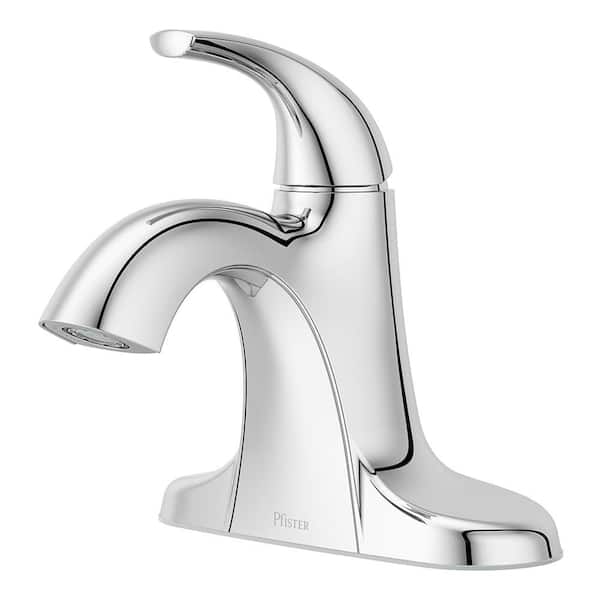
Credit: www.homedepot.com
Frequently Asked Questions
Which Brand Lasts Longer, Moen Or Pfister?
Moen faucets typically last longer due to their use of solid brass and proven cartridge technology. Pfister faucets are durable too, especially with their Pforever Seal, but may not have the same lifespan in high-traffic bathrooms.
Are Moen And Pfister Parts Interchangeable?
No, most Moen and Pfister parts are not interchangeable. Each brand uses unique cartridges, aerators, and mounting hardware. Always buy replacement parts from the same manufacturer as your faucet.
Is It Easy To Install A Bathroom Faucet By Myself?
Both brands offer DIY-friendly installation. Moen’s Duralock™ and Pfister’s TiteSeal™ make the job easier, but you should be comfortable using basic tools and following instructions. If your plumbing is old or you’re unsure, call a professional.
Which Brand Is Better For Water Saving?
Both Moen and Pfister offer WaterSense-certified faucets that use only 1.2 GPM. Moen has more models with adaptive flow technology, but Pfister adds features like auto shut-off in some models. Both will help you save water compared to older faucets.
What Should I Do If My Faucet Leaks After Installation?
First, check the installation instructions and make sure all connections are tight. With both brands, leaks are usually caused by loose fittings or a misaligned cartridge. If you can’t fix it, contact the brand’s customer support—both Moen and Pfister have strong warranties that cover leaks and defects.
Choosing between Moen vs Pfister bathroom faucet doesn’t have to be stressful. By focusing on your budget, style, and long-term needs, you can find a faucet that will serve you well for years to come.