Kitchen Faucet Vs Bathroom Faucet: Key Differences Explained
When you walk into a home improvement store or browse online, you’ll see hundreds of faucets. Some are marked “kitchen,” others “bathroom.” At first glance, they can look similar—both are shiny fixtures with handles and spouts. But choosing the wrong type can bring a lot of trouble: leaking, awkward use, or even costly replacements. This article will clear all your doubts about kitchen faucet vs bathroom faucet. We’ll break down their differences, explore which one fits your space, and share real-life tips to help you make the right choice for your home.
What Is A Kitchen Faucet?
A kitchen faucet is a plumbing fixture designed mainly for the kitchen sink. It’s one of the most-used items in any home. Kitchen faucets handle everything from washing dishes and rinsing vegetables to filling pots and cleaning hands after cooking. Because of these tasks, kitchen faucets are usually larger and built for heavy use.
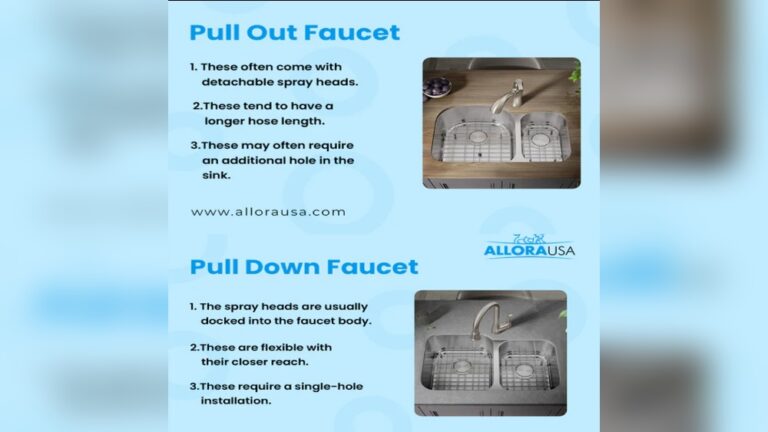
You’ll notice that most kitchen faucets have a high-arc spout, which gives more room for large pots and pans. Many also come with features like pull-down sprayers, multiple spray modes, and even touchless operation. The materials are often more robust since kitchen faucets are exposed to grease, hot water, and cleaning chemicals.
What Is A Bathroom Faucet?
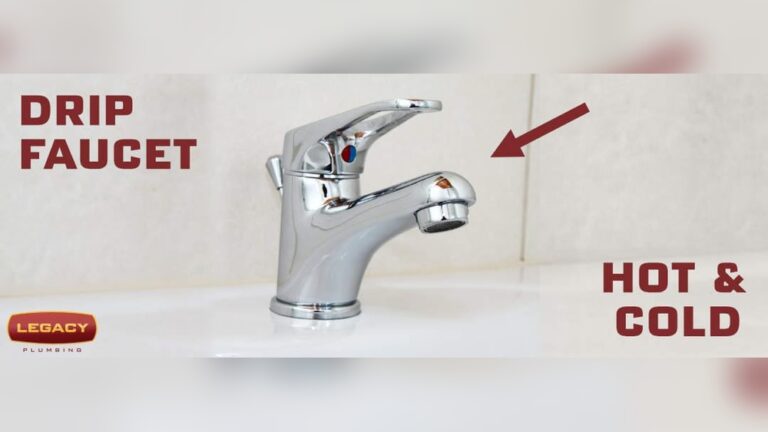
A bathroom faucet is made for bathroom sinks, often called vanity sinks. These faucets are smaller and designed for tasks like washing hands, brushing teeth, or shaving. Bathroom faucets usually don’t need to handle big items or tough cleaning jobs. Instead, they focus on style, fitting the bathroom’s look, and saving water.
Bathroom faucets come in many styles and finishes, from classic chrome to modern matte black. Because bathrooms are usually smaller, these faucets have lower spouts and shorter reach. You’ll find both single-handle and double-handle designs, but they rarely come with extra features like pull-down sprayers.

Credit: www.rbrohant.com
Key Differences Between Kitchen And Bathroom Faucets
Understanding the main differences will help you avoid costly mistakes. Here’s a head-to-head look:
| Feature | Kitchen Faucet | Bathroom Faucet |
|---|---|---|
| Size | Larger, taller spout | Smaller, shorter spout |
| Design | High arc, wide reach | Low arc, compact |
| Mounting Holes | Usually 1-3 holes | Often 1-2 holes |
| Water Flow Rate | Higher (1.8-2.2 GPM) | Lower (1.2-1.5 GPM) |
| Features | Pull-down/pull-out sprayer, touchless | Rarely with sprayer, focus on style |
| Material & Durability | Heavier, more durable | Lighter, often decorative |
Let’s explore each difference further.
Size And Height
Kitchen faucets are taller, with spouts that can be 8-10 inches high or more. This is important for filling tall pots or cleaning large pans. In contrast, bathroom faucets are much shorter—often just 4-6 inches tall. This keeps water from splashing out of a small sink.
Spout Reach And Arc
The spout reach is how far the faucet extends over the sink. Kitchen faucets reach farther to cover a wide, deep sink. Bathroom faucets usually have a short reach because bathroom sinks are smaller. The arc (the curve of the spout) is also higher in kitchens for more space.
Mounting Options
Kitchen sinks can have one, two, or three holes for mounting faucets and accessories (like soap dispensers). Most kitchen faucets are designed to fit these setups. Bathroom sinks are often pre-drilled with one or two holes, so the faucet must match exactly.
Water Flow Rate
A kitchen faucet flows at 1.8-2.2 gallons per minute (GPM) in the US, which is higher than bathroom faucets. Bathroom faucets are often limited to 1.2-1.5 GPM for water saving. Using the wrong type could waste water or not provide enough flow for kitchen tasks.
Built-in Features
Kitchen faucets may include:
- Pull-down or pull-out sprayers
- Multiple spray patterns
- Touchless sensors
- Pot filler arms
Bathroom faucets focus on:
- Single or double handles
- Decorative finishes
- Water-saving features
Materials And Durability
Kitchen faucets are made with solid brass or stainless steel since they face heavy use. Bathroom faucets can be lighter and more decorative, sometimes using cheaper materials. This is an area where beginners often make mistakes: choosing a low-quality kitchen faucet because it looks good, only to have it break quickly.
Can You Use A Kitchen Faucet In The Bathroom?
Technically, you can—but it’s rarely a good idea. Kitchen faucets are much larger, so they can overwhelm a small bathroom sink. The water may splash out, and the faucet may not fit the mounting holes.
There are a few exceptions:
- If your bathroom sink is extra large or deep, a kitchen faucet could work.
- Some modern bathrooms use vessel sinks (bowls that sit above the counter), which need a tall faucet—sometimes a kitchen model fits here.
But most of the time, a kitchen faucet in the bathroom looks odd and is impractical.
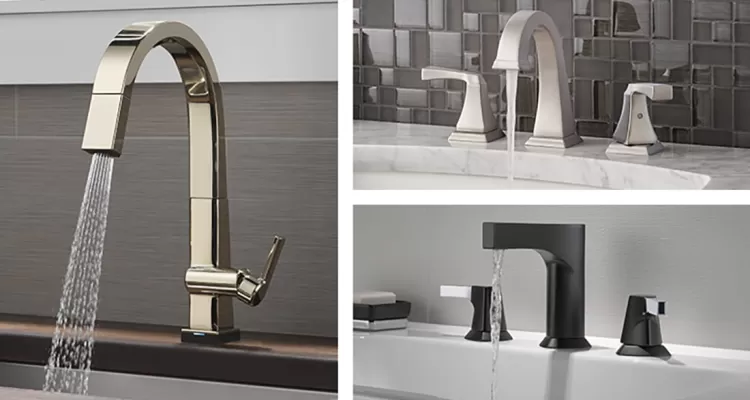
Credit: www.deltafaucet.com
Can You Use A Bathroom Faucet In The Kitchen?
In most cases, the answer is no. Bathroom faucets are too small for kitchen sinks. You won’t have enough clearance to wash big pots or dishes. The handles may be too close together, making them awkward to use. Also, many kitchen sinks require a wider mounting base than a bathroom faucet provides.
If you try to use a bathroom faucet in the kitchen, expect these problems:
- Water splashing outside the sink
- Hard to fill large containers
- Weak water flow for cleaning
Style And Design Options
Both kitchen and bathroom faucets come in many styles, but there are trends and differences.
Kitchen Faucet Styles
- Pull-down or pull-out: The spout has a flexible hose and sprayer. Great for rinsing dishes.
- Single-handle: One lever controls both hot and cold.
- Double-handle: Two separate handles, sometimes needed for old sinks.
- Bridge faucets: Classic look, with exposed piping.
- Touchless: Wave your hand to turn on water.
Popular finishes include stainless steel, chrome, matte black, and brushed nickel. Function is usually more important than style in kitchens.
Bathroom Faucet Styles
- Centerset: Spout and handles all in one piece. Fits most bathroom sinks.
- Widespread: Separate handles and spout. Looks elegant, fits larger vanities.
- Single-handle: Space-saving, modern.
- Wall-mounted: Faucet comes out from the wall, good for vessel sinks.
- Waterfall: Wide, flat spout for a dramatic look.
Here, style and finish matter a lot—bronze, gold, and even colored finishes are common.
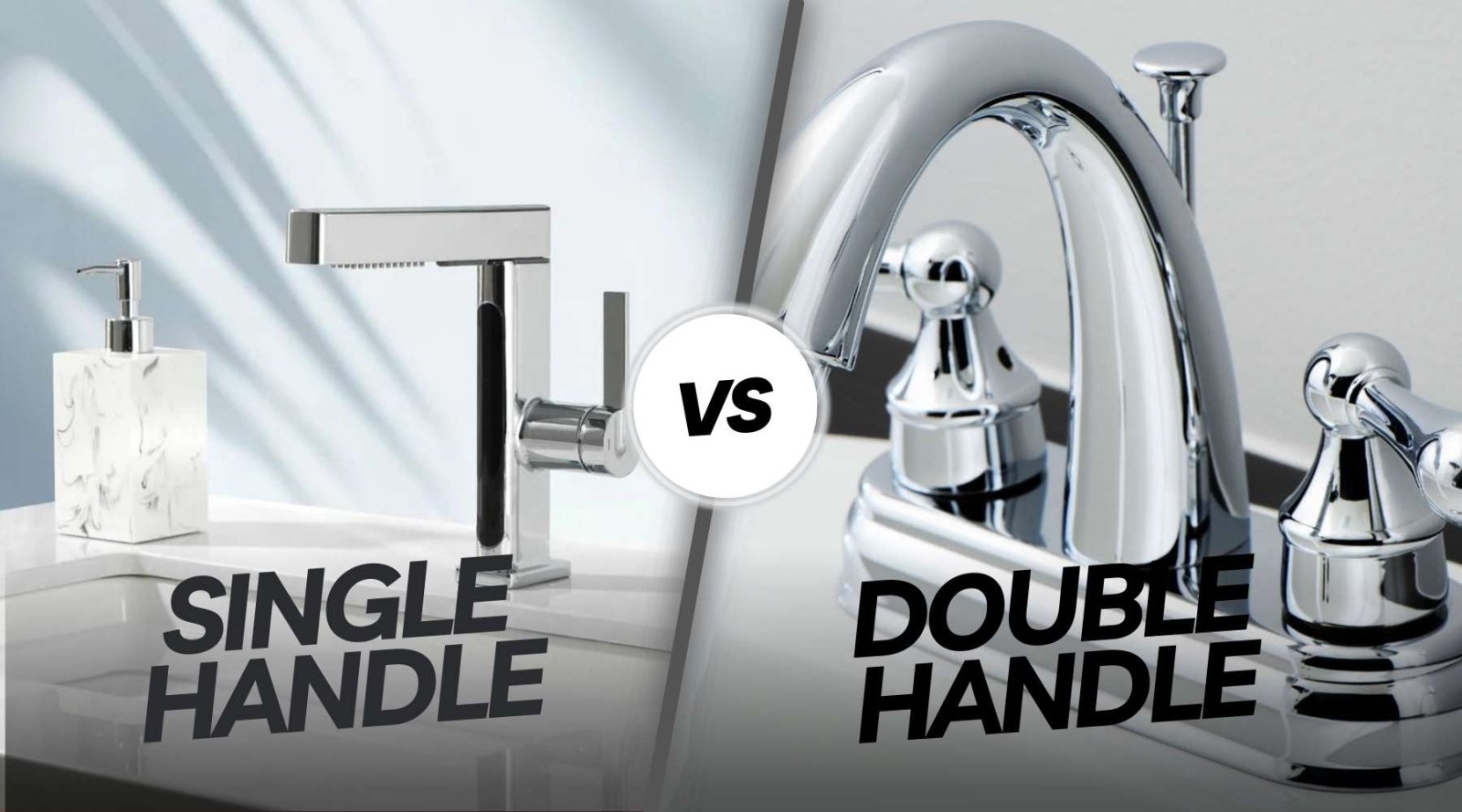
Credit: www.leftonhome.com
Installation: What Makes Each Different
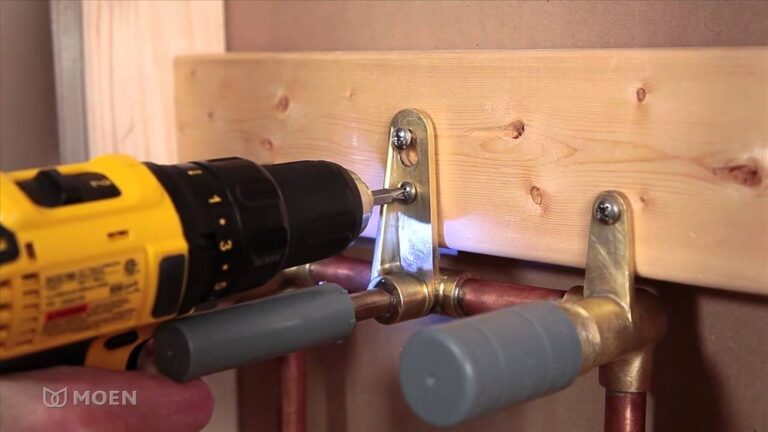
Most kitchen faucets require a plumber or someone with DIY skills. The larger size and extra features (like sprayers) make installation more complex. You may need to connect a sprayer hose, align multiple holes, and seal the base.
Bathroom faucets are usually easier to install. They’re smaller, lighter, and often come with everything in the box. Many homeowners install their own bathroom faucets with basic tools.
However, one non-obvious insight: the water supply lines for kitchens and bathrooms are often different sizes. Kitchen faucets might need larger diameter hoses for more flow. If you buy the wrong type, you might need extra adapters, which can leak if not installed properly.
Cost Comparison
Price is a common concern when choosing a faucet. Here’s a general comparison:
| Type | Budget Range | Typical Features |
|---|---|---|
| Kitchen Faucet | $50 – $500+ | Sprayer, high arc, touchless, heavy-duty |
| Bathroom Faucet | $30 – $250+ | Decorative, single/double handle, water-saving |
Kitchen faucets cost more because they’re larger and have more features. The most expensive models may have touchless controls or built-in water filters. Bathroom faucets are cheaper, unless you choose a high-end designer brand.
Durability And Maintenance
Kitchen faucets are built to last through years of tough use. Look for solid brass or stainless steel construction, ceramic disc valves (for drip-free use), and a good warranty. Regular cleaning with mild soap and checking for leaks will keep your kitchen faucet working well.
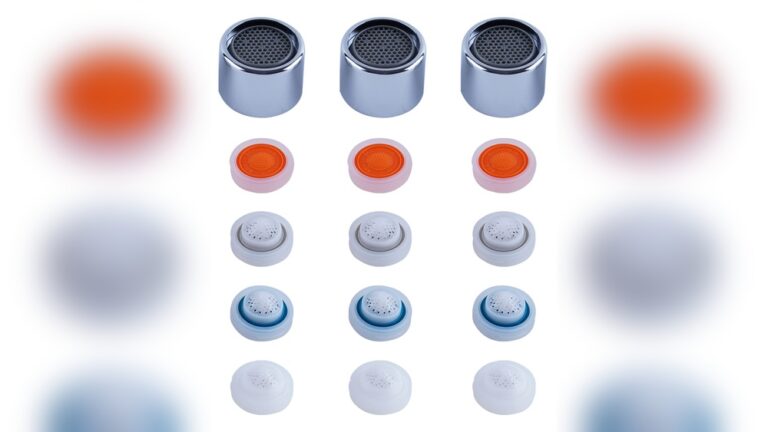
Bathroom faucets need less maintenance. They don’t handle as much grease or food debris. However, water spots or soap scum can build up quickly, especially on dark finishes. Wipe them down often and check the aerator (the mesh at the tip) for blockages.
A tip many people miss: replacing the washers or cartridges inside a faucet can fix most leaks. You don’t always need a new faucet—sometimes a $5 part and ten minutes can solve the problem.
Water Efficiency
Saving water helps your wallet and the planet. Bathroom faucets are limited by law (in the US) to 1.2 gallons per minute in many states. Kitchen faucets can be higher, but modern models often have a flow restrictor to save water.
If you want to upgrade, look for faucets with the WaterSense label. These use at least 20% less water than standard models but work just as well.
A common mistake: removing the flow restrictor from a faucet to get more water pressure. This can waste water and may even void your warranty.
Which Faucet Should You Choose?
Choosing between a kitchen faucet and a bathroom faucet comes down to where you plan to use it and what you need. Here’s how to decide:
- Match the faucet to the sink size. Don’t put a big kitchen faucet on a small bathroom sink or vice versa.
- Think about how you’ll use it. Kitchens need more features (sprayer, high arc) for cleaning and cooking. Bathrooms need style and water savings.
- Check the mounting holes. Your faucet must fit your sink’s pre-drilled holes.
- Consider who uses it. Touchless kitchen faucets are great for kids or cooks with messy hands.
- Budget wisely. Spend more on the kitchen faucet—it works harder. You can save money on a bathroom faucet if you choose a durable brand.
Real-world Examples
Example 1: The Busy Family Kitchen
Sarah’s family cooks every day. She chose a high-arc, pull-down kitchen faucet with a flexible hose and two spray modes. Now, washing giant pots is easy, and even her kids can rinse the sink. A bathroom faucet would never survive this kind of use.
Example 2: The Modern Guest Bathroom
Alex wanted a stylish look for his guest bathroom. He picked a small, single-handle waterfall faucet in matte black. It fits the sink perfectly and guests always notice its unique style. A kitchen faucet would have looked out of place and splashed water everywhere.
Example 3: The Diy Mistake
Jorge tried to save money by putting a cheap bathroom faucet on his kitchen sink. Within weeks, the handles started leaking, and filling a kettle was a chore. After upgrading to a real kitchen faucet, he saw how much easier kitchen tasks became.
Common Mistakes To Avoid
- Ignoring the mounting holes. Always check your sink and faucet before buying.
- Choosing by looks only. A pretty faucet won’t help if it can’t handle the job.
- Buying cheap materials. Low-quality faucets break faster and can leak.
- Forgetting about water pressure. Make sure your faucet matches your home’s water supply.
- Skipping the warranty. A good faucet has at least a 5-year warranty.
Future Trends In Faucets
Faucets are getting smarter and more efficient. Here are some trends to watch:
- Touchless technology: More kitchen faucets let you turn on water without touching the handle—great for hygiene.
- Voice control: Some high-end models work with Alexa or Google Assistant.
- Eco-friendly features: Faucets with built-in water filters or that use less water are becoming popular.
- Custom finishes: Homeowners want unique colors and textures, like brushed gold or matte black.
For more about faucet standards and regulations, the EPA WaterSense Program offers helpful resources.
Frequently Asked Questions
What Is The Main Difference Between A Kitchen Faucet And A Bathroom Faucet?
The main difference is their size and function. Kitchen faucets are larger, taller, and designed for heavy tasks like washing dishes or filling pots. Bathroom faucets are smaller and focused on style and water savings for handwashing and brushing teeth.
Can I Install A Kitchen Faucet In My Bathroom?
It’s possible but not usually recommended. Kitchen faucets are too large for most bathroom sinks and can cause water to splash out. Only use a kitchen faucet in a bathroom if the sink is very deep or designed for a tall faucet, like a vessel sink.
Is It Safe To Use A Bathroom Faucet In The Kitchen?
No, it’s not practical. Bathroom faucets are too small for kitchen tasks and may not fit the sink properly. You’ll have trouble washing large dishes, and leaks are more likely.
Do Kitchen And Bathroom Faucets Use The Same Plumbing Connections?
They often look similar, but kitchen faucets may use larger water supply lines for better flow. Always check the size of your supply lines and fittings before buying a new faucet.
Which Faucet Lasts Longer: Kitchen Or Bathroom?
Kitchen faucets are built for durability and usually last longer because they use stronger materials. However, a high-quality bathroom faucet can also last many years if maintained well.
Choosing the right faucet is about much more than looks. By understanding the differences between kitchen and bathroom faucets, you’ll make a smarter investment for your home—saving water, time, and money in the long run.