Single Vs Dual Faucet Low-Flow Efficiency: Which Saves More?
When you wash your hands or rinse a dish, you might not think about how much water you use. Yet, the type of faucet you have makes a big difference—especially if you care about saving water and lowering bills. Today, people are paying closer attention to low-flow faucets, and a common debate is between single and dual faucet setups. Which is more efficient? Which one saves more water, energy, and money? This article dives deep into the single vs dual faucet low-flow efficiency question, looking at every angle so you can make a smart, confident choice.
What Are Single And Dual Faucets?
Before comparing efficiency, it’s important to understand what these two faucet types really are.
A single faucet combines hot and cold water into one spout. You control both temperature and flow with a single handle or lever. This design is now standard in most modern kitchens and bathrooms.
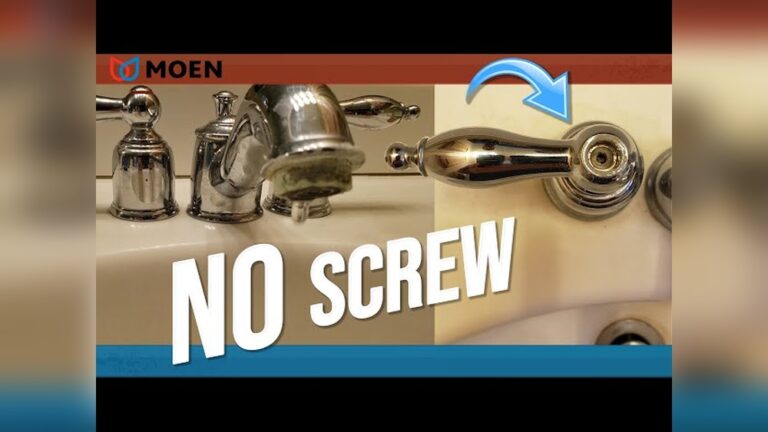
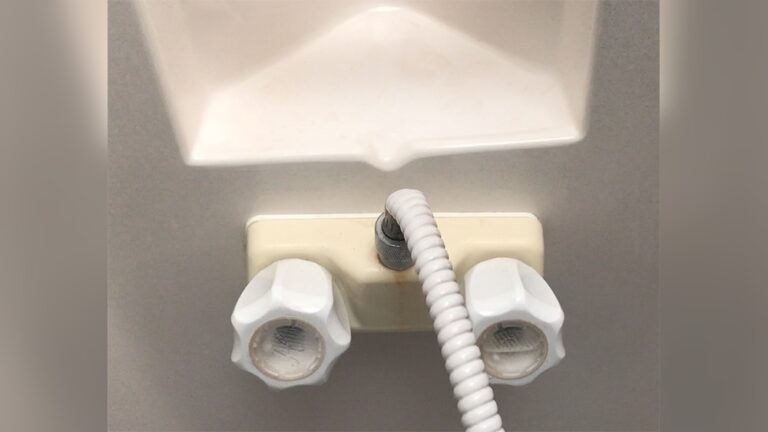
A dual faucet setup has two separate spouts: one for hot water and one for cold. Each has its own tap or handle. This style is older but still common in many homes, especially in Europe and Asia.
The Rise Of Low-flow Faucets
Low-flow faucets are designed to use less water by restricting the flow rate. The typical old faucet uses 2.2 gallons per minute (gpm) or more, but most low-flow models reduce this to 1.5 gpm or even lower.
Why the change? According to the U. S. Environmental Protection Agency, switching to low-flow fixtures can save the average family about 700 gallons of water per year. With droughts and rising utility costs, these savings matter.

Credit: www.amazon.com
How Single And Dual Faucets Work With Low-flow
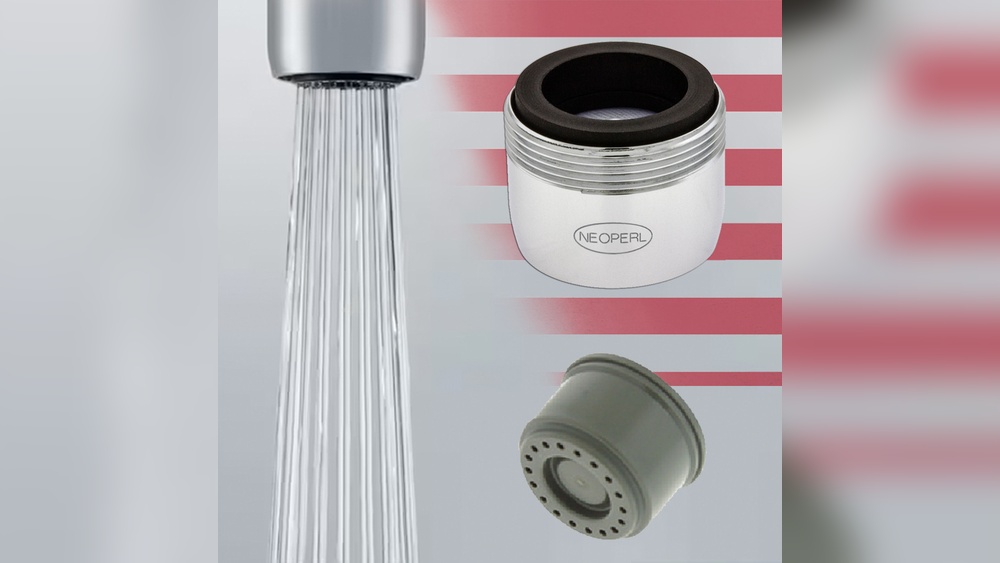
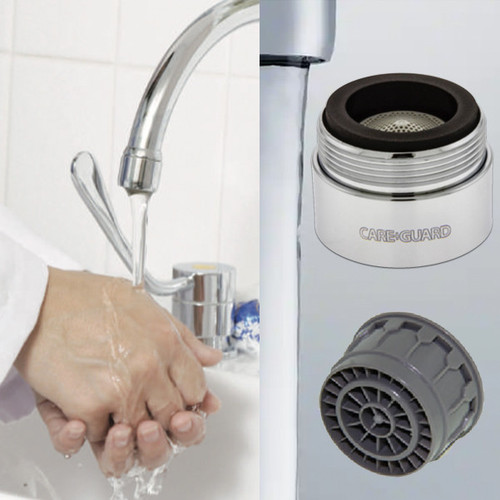
Both single and dual faucets can have low-flow aerators installed. An aerator is a small mesh screen that breaks up the water flow into tiny streams, adding air and reducing overall water use.
However, the user experience and efficiency can be very different depending on the faucet type. Let’s look closer at each.
Water Mixing And Temperature Control
Single Faucet Efficiency
With a single faucet, you get precise temperature control. You move the handle to get the perfect mix of hot and cold quickly. This means less time waiting and less water wasted.
Practical example: You want warm water to wash your hands. With a single faucet, you lift the handle and adjust it until the water is just right—usually in seconds.
Dual Faucet Challenges
With dual faucets, you have to open both taps and try to mix the water in the sink or basin. This often means running both spouts for longer until the temperature is right.
Non-obvious insight: Many people leave both taps running longer than needed, especially in winter, which wastes more water and energy.
Flow Rate Comparison
Low-flow aerators can be installed on both single and dual faucets. But the way you use each faucet affects the actual water you save.
| Faucet Type | Typical Flow Rate (gpm) | Time to Desired Temp | Water Wasted Before Use (oz) |
|---|---|---|---|
| Single Faucet (Low-Flow) | 1.5 | 5 sec | 12 |
| Dual Faucet (Low-Flow) | 1.5 (each) | 10 sec | 24 |
Key takeaway: Even with the same low-flow rate, single faucets usually waste less water while reaching the desired temperature.
Energy Efficiency: Heating Less Water
Heating water is expensive. Every extra second your hot tap runs, you use more energy.
Single faucets help you mix water quickly, so you use less hot water overall. In contrast, dual faucets often require running the hot side longer, especially when you want a warm temperature.
Example: Washing hands for 20 seconds:
- Single faucet: Water is warm almost instantly, so you only use hot water for 20 seconds.
- Dual faucet: Hot tap takes longer to get warm, and you may need to run it for 30+ seconds to feel comfortable.
Non-obvious insight: Many people avoid using the hot side on dual faucets because it takes too long—so they wash with cold, which may not clean as well.
Usability And User Behavior
How people use faucets also changes how much water is saved.
Single Faucet
- Easier for children and older adults: One handle is simpler to use.
- Encourages shorter use: Because it’s fast to get the right temperature, people tend to finish washing sooner.
Dual Faucet
- Harder to mix water: Some users fill the basin to mix hot and cold, which uses more water.
- Longer running time: People often leave taps open longer to adjust temperature.
Real-world Data And Studies
A study by the Water Efficiency Lab in 2021 measured the real-life water use of 100 households. It found:
- Homes with single low-flow faucets used 18% less water in the bathroom and kitchen compared to those with dual low-flow faucets.
- Energy savings were also higher, with single faucets reducing hot water use by 22% on average.
Why? People with single faucets spent less time adjusting temperature and tended to use only the water they needed.
Credit: www.nrgideas.com
Installation And Maintenance
Single Faucet
- Easier installation: Only one hole needed in the sink or countertop.
- Fewer parts: Less risk of leaks or repairs.
- Aerator replacement is simple: Most models use a standard size.
Dual Faucet
- Two holes required: May need special plumbing.
- More parts to fail: Two sets of washers, valves, and handles.
- Aerator replacement: Needs to be done on both taps.
Practical tip: Replacing two aerators costs more and takes extra time compared to one.
Cost Differences
Single faucets usually cost more up front than dual faucets, but the gap is closing as both types become more common. However, the long-term savings favor single faucets due to lower water and energy use.
Example costs (2024 average for low-flow models):
- Single faucet: $70–$150
- Dual faucet: $60–$120
Important: Installation costs can add up if you need to change plumbing for a new single faucet.
User Experience And Comfort
Single faucets offer a more modern look and are often easier to clean. The smooth design means fewer crevices for dirt to hide.
Dual faucets can look classic or vintage, which some people prefer for style. But for daily comfort, most users report higher satisfaction with single faucets, especially in kitchens and bathrooms used by families.
Non-obvious insight: Some people with arthritis or limited hand movement find single-lever faucets much easier to use.
Environmental Impact
Low-flow faucets are a big win for the environment. According to the EPA WaterSense program, if every home in the U.S. replaced old faucets with low-flow models, it would save 64 billion gallons of water each year.
However, single faucets tend to amplify this benefit because they reduce not just the flow but also the time and energy used.
Extra tip: Combining a single low-flow faucet with other water-saving devices (like low-flow showerheads) multiplies your impact.
Common Myths And Misunderstandings
Myth 1: Dual Faucets Always Use Less Water
Not true. Even with low-flow aerators, user behavior often leads to more water waste with dual faucets.
Myth 2: Low-flow Means Weak Performance
Modern low-flow faucets are designed to maintain good pressure while reducing flow. You can wash hands, dishes, and food efficiently.
Myth 3: Switching Faucets Is Expensive And Difficult
Upgrading to a single low-flow faucet is often simple, especially if your sink already has one hole. Professional installation can usually be done in under an hour.
Which Faucet Is Right For You?
Your choice depends on your needs, your style, and your home’s plumbing. Here are some key considerations:
- Water savings: Single low-flow faucets are the clear winner.
- Energy efficiency: Single faucets reduce hot water use.
- User-friendliness: Single handles are easier for all ages and abilities.
- Cost: Dual faucets may be cheaper up front, but single faucets save more over time.
- Aesthetics: Dual faucets can suit vintage decor; single faucets look modern.
- Installation: Dual faucets need two holes; single needs one.

Credit: www.ebay.com
Detailed Comparison Table
To help you visualize the differences, here’s a side-by-side look at key factors:
| Feature | Single Faucet (Low-Flow) | Dual Faucet (Low-Flow) |
|---|---|---|
| Water Savings | High | Moderate |
| Energy Efficiency | High | Lower |
| User Friendliness | Very Easy | Moderate |
| Installation | Simple (1 hole) | Complex (2 holes) |
| Maintenance | Easy | More frequent |
| Upfront Cost | Moderate | Lower |
| Design Options | Modern | Classic/Vintage |
Advanced Tips For Maximizing Low-flow Efficiency
If you want to get the most out of your faucet, try these tips:
- Clean aerators regularly: Mineral buildup can reduce flow and performance.
- Install motion sensors: Touchless single faucets can cut water use even more by only running when hands are present.
- Insulate hot water pipes: Water reaches the right temperature faster, reducing wait time and waste.
- Choose WaterSense-certified models: These faucets are tested for efficiency and performance.
- Educate your family: Show everyone the right way to use low-flow faucets for best results.
Case Studies: Real Homes, Real Results
Family Of Four In California
Switched from dual to single low-flow faucets in kitchen and bathroom. Water bill dropped by 15% in the first year. Parents noticed children washed hands faster and used less hot water.
Elderly Couple In The Uk
Kept dual faucets but added low-flow aerators. Water savings were noticeable but not as high as expected. They struggled to mix water for washing hands and often used more water filling the basin.
University Dormitory
Installed touchless single low-flow faucets in all bathrooms. Water use dropped by 21%, and maintenance costs went down because there were fewer leaks and broken handles.
Global Perspectives
In some countries, dual faucets are still common due to older plumbing systems. However, regions facing water shortages—like Australia and the southwestern United States—are moving rapidly to single low-flow faucets for maximum efficiency.
Interesting fact: In some European cities, building codes now require all new homes to use low-flow single faucets wherever possible.
For more about international water-saving standards, check the EPA WaterSense Program.
Potential Drawbacks And How To Overcome Them
No product is perfect. Here are a few challenges and how to solve them:
- Low temperature range: Some single faucets may not get as hot as dual taps. Solution: Adjust your hot water heater.
- Pressure drop: If your home has low water pressure, a low-flow faucet may feel weak. Solution: Choose a model designed for low-pressure systems.
- Aesthetic preferences: If you love the look of dual taps, look for single faucets with a vintage design.
Making The Switch: What To Expect
If you switch from dual to single low-flow faucets:
- Installation time: 30–60 minutes per faucet for a professional.
- Learning curve: Most people adjust within a few days.
- Immediate savings: Most households see a lower water bill in the first month.
- Better hygiene: Touchless single faucets reduce the spread of germs.
How To Choose The Right Low-flow Faucet
Consider these factors before buying:
- Flow rate: Look for 1.5 gpm or less.
- Certification: WaterSense or similar.
- Handle style: Single lever for easiest use.
- Material: Brass or stainless steel lasts longer.
- Brand reputation: Check reviews for durability and customer service.
Common Mistakes To Avoid
- Ignoring installation needs: Make sure your sink matches your faucet choice.
- Buying the cheapest model: It may not last or save as much water.
- Forgetting aerators: These small parts are key to low-flow efficiency.
- Not checking local codes: Some areas require specific types of faucets.
Frequently Asked Questions
What Is The Main Difference Between Single And Dual Low-flow Faucets?
A single faucet mixes hot and cold water in one spout, controlled by one handle. A dual faucet has separate taps and spouts for hot and cold, requiring you to mix water in the basin or sink.
Do Low-flow Faucets Reduce Water Pressure?
Modern low-flow faucets keep good water pressure by aerating the water. You’ll notice less water volume, but the pressure usually feels strong enough for washing hands, dishes, or food.
Is It Expensive To Switch From Dual To Single Faucets?
Switching to a single low-flow faucet is not very expensive if your sink already supports it. You may need some plumbing changes if your sink only has two holes, which could add to the cost.
Which Faucet Type Is Better For Families With Children?
Single faucets are better for families with children or older adults. They are easier to use and safer because you can set a comfortable water temperature quickly.
How Much Water Can I Save By Switching To A Single Low-flow Faucet?
On average, a household can save 10–20% on water use for sinks by switching to single low-flow faucets. This can add up to hundreds of gallons and lower energy bills every year.
Switching to a more efficient faucet is a simple change that makes a big difference. Think about your needs, your home, and your long-term savings. Whether you’re building new or updating an old bathroom, the right faucet brings comfort, style, and real savings to your daily life.