Faucet Sock Vs Styrofoam: Which Protects Best in Winter?
When winter arrives and temperatures drop, protecting outdoor faucets becomes important for every homeowner. Many people face the problem of frozen pipes, which can burst and lead to expensive repairs. To avoid this, two common solutions are used: faucet socks and Styrofoam covers. If you’re not sure which is better for your situation, you’re not alone. Each option has its own advantages, drawbacks, and best uses. Understanding the differences can save you money, time, and stress during cold months.
In this article, you’ll discover how faucet socks and Styrofoam covers work, how they compare in insulation, cost, durability, and ease of use, plus tips that most beginners miss. By the end, you’ll have a clear idea about which one fits your needs and how to use them properly for best results.
What Is A Faucet Sock?
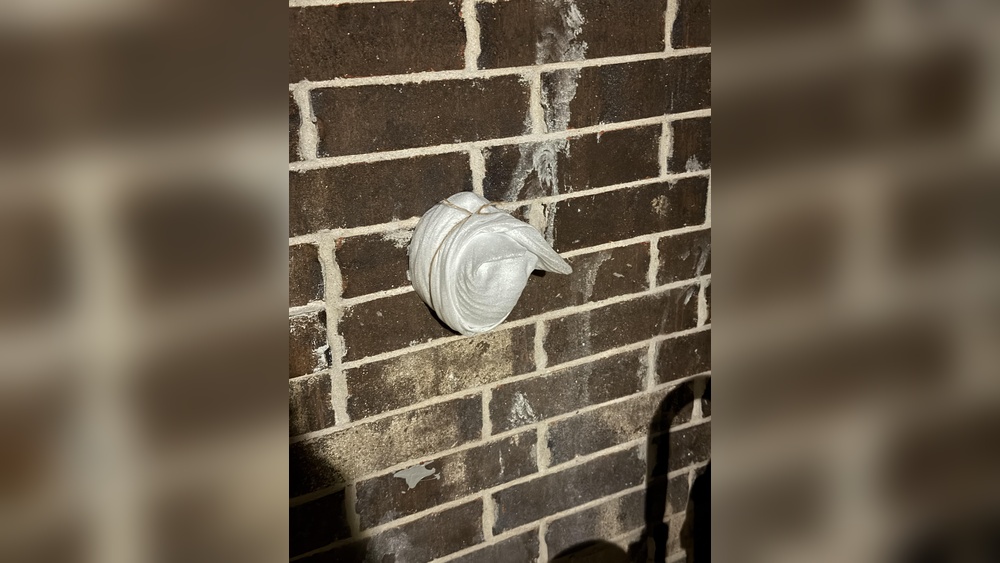
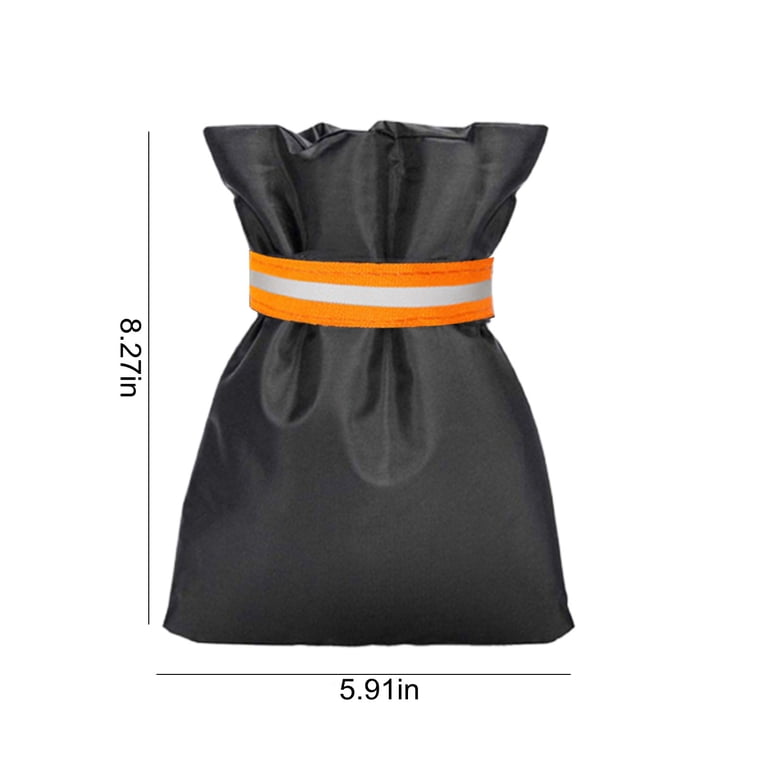
A faucet sock is a fabric cover that slips over your outdoor faucet. It’s filled with insulation, usually polyester or similar materials, and closes tightly with straps or Velcro. The sock traps air, which helps keep the faucet and pipe from freezing. Most faucet socks are waterproof on the outside, keeping rain and snow out.
How Faucet Socks Work:
- The insulation inside slows down the loss of heat from your faucet.
- The cover creates a barrier against wind and cold air.
- Easy to install—just slip over the faucet and fasten.
Many homeowners like faucet socks because they are reusable and can last several winters if stored properly. They’re also flexible, so they can fit different faucet shapes and sizes.
What Is A Styrofoam Faucet Cover?
A Styrofoam cover is a hard, molded shell made from expanded polystyrene foam. It looks like a cup or dome and fits over the faucet, pressing tightly against the wall. A hook or spring holds it in place. Styrofoam is a popular material because it’s cheap and lightweight.
How Styrofoam Covers Work:
- The foam traps air, which acts as a thermal barrier.
- The cover shields the faucet from wind, rain, and snow.
- Installation is simple: Hook it over the faucet and pull it tight against the wall.
Styrofoam covers are widely available in hardware stores. They’re usually one-size-fits-most, but not all designs fit every faucet type perfectly.
Faucet Sock Vs Styrofoam: Direct Comparison
The choice between a faucet sock and a Styrofoam cover depends on several key factors. Here’s a head-to-head comparison to help you see the main differences.
| Feature | Faucet Sock | Styrofoam Cover |
|---|---|---|
| Insulation Quality | Good to Excellent | Moderate to Good |
| Ease of Use | Very Easy | Easy |
| Durability | High (Reusable) | Moderate (Can Crack) |
| Cost | Moderate | Low |
| Weather Resistance | Excellent (Waterproof) | Good (Water Resistant) |
| Fit | Flexible | Fixed Shape |
Insulation Effectiveness
Protecting faucets from freezing starts with insulation. Both options use trapped air as the main way to slow down heat loss, but the effectiveness depends on material, design, and fit.
Faucet Socks
Faucet socks often use thick layers of polyester or microfiber. The soft insulation fills all the spaces around the faucet, sealing out cold air better. If the sock is made well, it will block both wind and moisture. Some premium socks have a reflective inner layer, boosting heat retention.
Non-obvious insight: Most people forget that insulation only works well if it stops air movement. If the sock is loose or the straps are not tight, cold air can sneak in and reduce protection.
Styrofoam Covers
Styrofoam is a decent insulator, but the fit is key. If there are gaps between the cover and the wall, cold air can reach the faucet. The foam is rigid, which means it might not fit perfectly on all types of faucets.
Practical tip: For improved insulation, some homeowners add a small towel inside the Styrofoam cover for extra padding. This is a simple hack for very cold nights.
Which Insulates Better?
Faucet socks usually insulate better, especially if you live in an area with strong winds or very low temperatures. They form a tighter seal, adjust to faucet shapes, and often have multiple layers. Styrofoam covers are fine for mild winters or short cold snaps, but in harsh climates, socks are more reliable.
Durability And Longevity
You want a solution that lasts more than one season. Durability depends on how well each product handles weather and daily use.
Faucet Socks
Quality faucet socks are made from tough, waterproof fabric. They resist sun, snow, and rain. If you store them indoors after winter, they can last several years.
Common beginner mistake: Leaving a wet sock outside in the spring can lead to mold or rot. Always dry and store socks in a clean, dry place.
Styrofoam Covers
Styrofoam is less durable. It can crack or break if bumped or if heavy ice builds up. Sunlight also makes the foam brittle over time. However, they’re cheap and easy to replace.
Non-obvious insight: Rodents sometimes chew on Styrofoam for nesting material. If you live in an area with squirrels or mice, check your covers often for damage.
Cost Comparison
Price is a major factor for many homeowners. Let’s look at the typical cost range for both products.
| Product | Average Price (USD) | Replacement Frequency |
|---|---|---|
| Faucet Sock | $5–$15 each | Every 3–5 years |
| Styrofoam Cover | $2–$6 each | Every 1–2 years |
What Matters Most?
- If you want to save money upfront, Styrofoam is cheaper.
- For long-term savings, socks cost more at first but last longer.

Credit: diy.stackexchange.com
Ease Of Installation And Use
Both products are marketed as “easy to install. ” In practice, there are some differences.
Faucet Socks
Installation is simple:
- Place the sock over the faucet.
- Tighten the straps or Velcro to seal it.
- Double-check for gaps.
Socks are flexible, so they work well on odd-shaped faucets or those with extra hardware (like hose bibs or anti-siphon devices). Removing and reattaching is also quick.
Styrofoam Covers
To use:
- Hook the cover’s loop or spring over the faucet.
- Push the cover against the wall.
- Pull the string or spring until tight.
Covers work best on standard outdoor faucets. If your faucet is unusually large or close to a wall, the fit may not be perfect. Some brands offer different sizes, but choices are limited.
Pro tip: If you need to check the faucet, removing a Styrofoam cover is fast, but be gentle to avoid cracking the foam.
Weather Resistance
Winter brings more than just cold air—there’s snow, rain, and wind. How each product resists weather affects how well it protects your plumbing.
Faucet Socks
Most socks are made with a waterproof outer layer. This keeps melting snow and rain from soaking the insulation. Some socks have UV-resistant coatings, protecting them from sunlight. The inner insulation stays dry, so it works better.
Extra insight: If you live in a rainy area, double-check the seams and closures every few weeks. Even small leaks can reduce insulation.
Styrofoam Covers
Styrofoam repels water, but it’s not waterproof forever. Repeated wetting and drying can cause cracks. Strong wind may also pull covers loose if not secured tightly. Some brands add a plastic outer shell for more durability, but basic models are just foam.
Environmental Impact
Today, many people care about how products affect the environment. Here’s how both options compare.
Faucet Socks
Most faucet socks are reusable for several years. When they wear out, the fabric and insulation may not be recyclable, but at least they’re not replaced as often. Some brands use recycled materials in their products.
Styrofoam Covers
Styrofoam is not biodegradable and is rarely recycled at local centers. Old covers often end up in landfills, where they last for decades. If you choose Styrofoam, check if your city has a foam recycling option.
Non-obvious insight: Dropped or broken Styrofoam pieces can create litter in your yard that is hard to clean up, especially after a windy storm.
Fit And Compatibility
Both products claim to fit “most” outdoor faucets, but real-world results vary.
Faucet Socks
Because socks are flexible and fasten with straps or Velcro, they adapt to different shapes and sizes. They’re a good choice if your faucet has attached splitters, extra handles, or non-standard shapes.
Styrofoam Covers
Covers are molded to one shape. They fit most standard faucets, but not all. If your faucet sticks out at an odd angle or is very close to a wall, the cover may not seal well. Some brands offer larger or deeper models, but these are less common and may cost more.
Practical tip: Before buying, measure your faucet and check the product’s dimensions. A loose or poorly-fitted cover will not protect as well, no matter which type you choose.
Credit: brt.cl
Real-world Performance: Case Studies
Let’s look at how each product works in real homes during winter.
Suburban Home In Minnesota
Winters here reach -20°F. The homeowner used Styrofoam covers for years but still had one burst pipe each winter. After switching to thick faucet socks and making sure the straps were tight, they had no more frozen faucets—even during record lows.
City Apartment With Balcony Faucet
The faucet is small and close to a wall. A Styrofoam cover did not fit well, leaving a gap at the bottom. The owner switched to a compact faucet sock, which sealed tightly. The faucet survived several cold spells with no problems.
Rural Farmhouse With Multiple Outdoor Faucets
Some faucets are standard, others have hose splitters attached year-round. The owner uses a mix: socks for odd-shaped faucets, Styrofoam for regular ones. This saves money but ensures good protection on every faucet.
How To Choose: Key Factors
Here are the most important things to consider before making your choice.
- Climate: If you live where it gets below freezing often, a faucet sock offers better protection. For mild winters, Styrofoam may be enough.
- Faucet Shape: Odd shapes or extra hardware? Socks adapt better.
- Budget: Styrofoam is cheaper upfront, but socks last longer.
- Reusability: Want a long-term solution? Socks win.
- Environmental Concerns: Socks are less wasteful over time.
- Ease of Use: Both are simple, but socks are more flexible.
Common Mistakes And How To Avoid Them
Many homeowners make small errors when protecting outdoor faucets. Here’s how to avoid them:
- Loose Fit: Make sure your cover or sock is tight. Gaps let in cold air.
- Leaving Hose Attached: Always remove hoses before covering the faucet. Water trapped in hoses can freeze and damage pipes.
- Ignoring Damage: Check covers and socks each winter for cracks or tears.
- Storing Wet Socks: Always dry before storage to prevent mold.
- Using Only One Layer: In very cold areas, double up with both a sock and a Styrofoam cover for maximum protection.
Maintenance And Care
To get the most life out of your faucet socks or Styrofoam covers:
- Clean off dirt and debris before storing.
- Dry thoroughly before putting away in spring.
- Check for any damage or wear before next winter.
- Replace worn-out straps, Velcro, or broken foam as needed.
Safety And Additional Tips
- If you need to use the faucet during winter, remove the cover, use the faucet, and replace the cover immediately after.
- Keep children and pets away from covers, especially Styrofoam, which can break into small pieces.
- Mark the covers with your address if you live in a shared space or apartment building to avoid mix-ups.
Faucet Sock Vs Styrofoam: Quick Reference
Here’s a summary to help you decide quickly.
| Feature | Best Choice | Reason |
|---|---|---|
| Very Cold Climate | Faucet Sock | Better insulation, tighter seal |
| Low Budget | Styrofoam | Cheapest upfront |
| Odd-Shaped Faucet | Faucet Sock | Flexible fit |
| Eco-Friendly | Faucet Sock | Reusable, less waste |
| Quick Replacement | Styrofoam | Easy to find, cheap to replace |
Where To Buy And What To Look For
You can find both faucet socks and Styrofoam covers at hardware stores, big box retailers, and online. Here’s what to check before you buy:
- Material quality: Look for thick, waterproof socks and sturdy, dense foam covers.
- Sealing method: Straps, Velcro, or secure springs are best.
- Size: Measure your faucet and compare to the product specs.
- Brand reputation: Read reviews and check for warranties.
For more information on protecting your pipes and faucets in winter, the Wikipedia page on pipe insulation offers a good overview.
Frequently Asked Questions
What If My Faucet Is Not A Standard Size Or Shape?
If your faucet is larger, has a splitter, or sits close to a wall, a faucet sock is usually better because it’s flexible and can seal tightly around odd shapes.
Can I Use Both A Faucet Sock And A Styrofoam Cover Together?
Yes, using both layers provides extra insulation. Place the sock on first, then add the Styrofoam cover over it for maximum protection in very cold areas.
How Do I Know If My Faucet Cover Is Working?
Check the faucet during cold spells. If it’s not frozen or leaking after a freeze, the cover is working. Make sure the cover is tight and shows no signs of cracks or tears.
How Long Do Faucet Socks And Styrofoam Covers Last?
Faucet socks can last 3–5 years with proper care. Styrofoam covers may last 1–2 years but can break sooner if handled roughly or exposed to strong sunlight.
Are There Any Safety Risks With These Covers?
Both are generally safe, but Styrofoam can break into small pieces that are a choking hazard for pets or small children. Always secure covers properly and check them regularly.
Choosing the right protection for your outdoor faucet is a small investment that can prevent big plumbing problems. Whether you pick a faucet sock or a Styrofoam cover, installing it before winter and checking it often is the real key to avoiding frozen pipes and costly repairs.

Credit: www.reddit.com