What is a Pre Rinse Faucet? Benefits, Uses, and Buying Guide
A clean and efficient kitchen often depends on the right tools. One tool that many people notice but few fully understand is the pre rinse faucet. You may have seen these tall, flexible faucets in restaurant kitchens, spraying powerful jets of water onto dirty dishes. But what exactly is a pre rinse faucet, and why are they becoming more popular in homes as well as commercial spaces? This article will guide you through everything you need to know about pre rinse faucets, from how they work to their benefits, installation, and even how to choose the right one.
What Is A Pre Rinse Faucet?
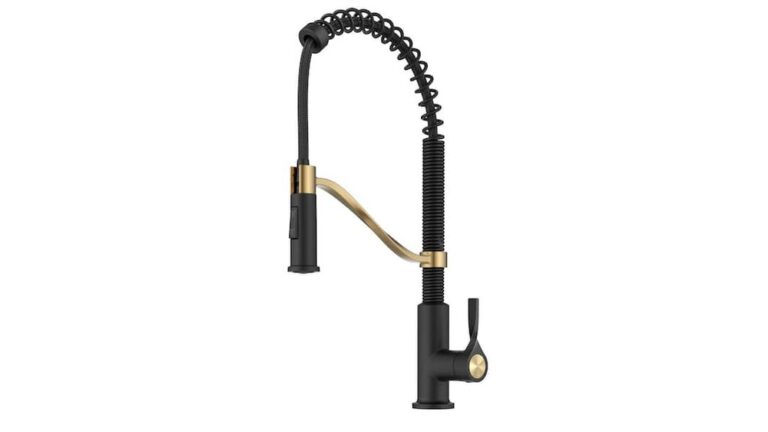
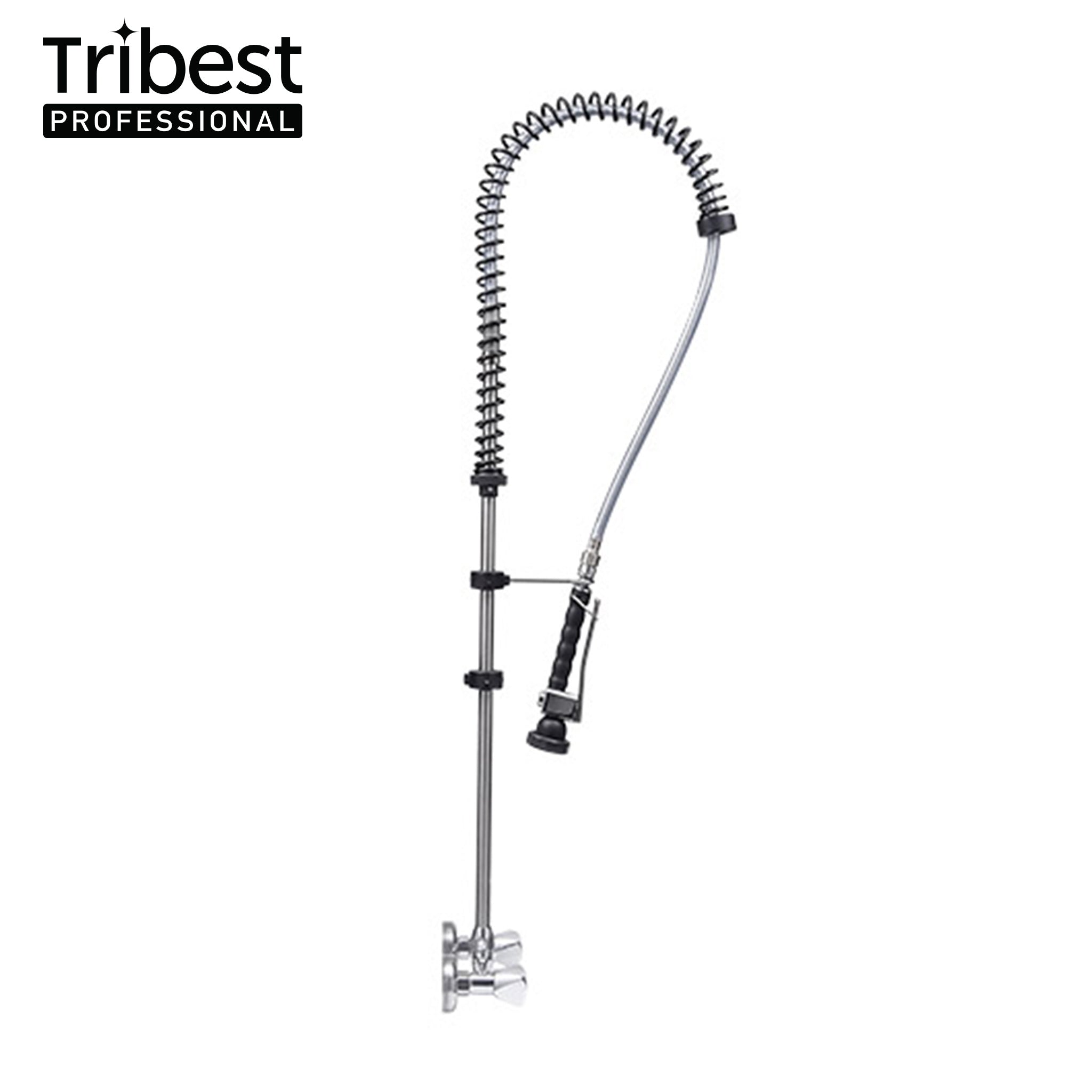
A pre rinse faucet is a special type of kitchen faucet designed to remove food and grease from dishes before they are washed or loaded into a dishwasher. It typically features a high, spring-like neck and a powerful spray nozzle connected to a flexible hose. This design allows users to direct a strong spray of water onto dishes, pots, and pans, loosening stuck-on food easily.
Originally developed for commercial kitchens, pre rinse faucets are now found in many home kitchens. Their ability to save time and water, combined with their modern look, makes them a favorite for both chefs and home cooks.
How Does A Pre Rinse Faucet Work?
The main feature of a pre rinse faucet is its powerful spray head. Unlike standard faucets, which often use an aerator to mix air and water, pre rinse faucets use a pressurized nozzle. This creates a fast, focused stream of water that is strong enough to blast away food particles.
A typical pre rinse faucet has the following parts:
- Tall, flexible spring neck: Gives the faucet its height and allows it to move in many directions.
- Spray nozzle: Delivers the strong water stream. Often has a trigger or lever to control the water flow.
- Hose: Connects the spray head to the water supply, allowing for flexible movement.
- Dock or bracket: Holds the spray head when not in use.
When you pull down the spray head and squeeze the trigger, water flows through the hose and out of the nozzle. You can direct the spray exactly where you need it, making it easy to clean large pots or rinse many dishes quickly.
Key Features Of Pre Rinse Faucets
Pre rinse faucets are different from regular kitchen faucets in several important ways. Here are some of the main features that set them apart:
1. High Water Pressure
These faucets deliver water at a higher pressure, which helps remove food debris more efficiently.
2. Flexible, Movable Design
The hose and spring neck allow you to move the spray head around, making it easy to reach all areas of the sink.
3. Easy-to-use Spray Trigger
Most pre rinse faucets have a trigger or lever that you can squeeze to control the spray. This lets you use water only when you need it.
4. Tall Spout Height
With a tall neck, you can easily fit big pots and pans under the faucet.
5. Durable Construction
Many pre rinse faucets are made with stainless steel or brass, making them tough enough for busy kitchens.
6. Commercial-grade Components
Parts like ceramic disk valves and reinforced hoses are common, which means fewer leaks and longer life.
Benefits Of Using A Pre Rinse Faucet
If you are thinking about upgrading your kitchen faucet, a pre rinse model offers several advantages:
Saves Time
The strong spray can quickly remove stuck-on food, so you spend less time scrubbing dishes. This is especially helpful for families or anyone who cooks often.
Uses Less Water
Even though the spray is strong, you actually use less water because cleaning is faster. Many models are designed to meet EPA WaterSense standards, using only 1.2 to 1.5 gallons per minute.
Improves Hygiene
By blasting away food debris, pre rinse faucets reduce the chance of bacteria growing on dirty dishes. This means cleaner plates and a safer kitchen.
Handles Large Items Easily
The tall neck and flexible hose make it simple to rinse big pots, baking sheets, and trays that might not fit under a regular faucet.
Modern Look
Many people choose pre rinse faucets for their stylish, professional appearance. They add a modern touch to any kitchen.
Where Are Pre Rinse Faucets Used?
While pre rinse faucets are famous in restaurants, they are now popular in:
- Home kitchens: Especially for people who cook a lot or want a modern look.
- Cafeterias and schools: For cleaning large numbers of dishes quickly.
- Bars and coffee shops: For rinsing glassware and pitchers.
- Laboratories: For washing equipment that needs careful cleaning.
Pre Rinse Faucet Vs. Regular Kitchen Faucet
Many people wonder if they should choose a pre rinse faucet or stick with a traditional kitchen faucet. Here’s a comparison to help you decide:
| Feature | Pre Rinse Faucet | Regular Kitchen Faucet |
|---|---|---|
| Spray Power | High, focused spray | Gentle, wide spray |
| Flexibility | Can move in all directions | Limited movement |
| Height | Tall, can fit large pots | Standard height |
| Water Efficiency | Often more efficient | Varies (some models waste more) |
| Installation | More complex | Simple |
| Cost | Higher | Lower |

Credit: www.amazon.com
Main Types Of Pre Rinse Faucets
Pre rinse faucets come in several types to match different needs:
Single Handle
These faucets have one lever to control both water temperature and flow. They are simple and popular in homes.
Double Handle
With separate handles for hot and cold water, these give you more precise control. They are common in professional kitchens.
Wall-mounted
Attached to the wall behind the sink. Saves counter space and often found in commercial kitchens.
Deck-mounted
Installed directly on the sink or countertop. This is the most common style for home kitchens.
Pull-down Vs. Pull-out
- Pull-Down: The spray head pulls straight down into the sink. Ideal for deep sinks.
- Pull-Out: The spray head pulls out toward you. Good for shallow sinks or for filling pots on the counter.
Essential Factors When Choosing A Pre Rinse Faucet
If you want to buy a pre rinse faucet, consider these points to make the best choice:
1. Build Quality
Look for solid brass or stainless steel construction. Cheap materials may corrode or break easily.
2. Spray Power And Water Flow
Check the flow rate (measured in gallons per minute, or GPM). 1. 2–1. 5 GPM is efficient and effective for most home use.
3. Size And Fit
Measure the height of your faucet space. Make sure the faucet will fit under cabinets and is tall enough for your needs.
4. Hose Length
A longer hose gives you more reach. 20–30 inches is typical for home models.
5. Ease Of Installation
Some models are easier to install than others. Check if you need special tools or if professional installation is required.
6. Valve Quality
Ceramic disk valves are more durable and less likely to leak than rubber washers.
7. Finish
Choose a finish that matches your kitchen. Common options include chrome, brushed nickel, and matte black.
8. Brand Reputation
Stick to trusted brands with good reviews. This can save you frustration later.
9. Warranty
A longer warranty shows the manufacturer is confident in their product.
10. Additional Features
Some pre rinse faucets offer extra features like a pause button, adjustable spray patterns, or built-in water filters.
Installation: What To Expect
Installing a pre rinse faucet can be a DIY project if you’re handy, but it’s more complex than a standard faucet. Here’s a general overview of the process:
- Turn off the water supply to the sink.
- Remove the old faucet (if you have one).
- Prepare the mounting holes. Some pre rinse faucets need more space or a different number of holes than regular faucets.
- Install the base and secure it to the sink or countertop.
- Connect the hoses to the water supply. Make sure all connections are tight to avoid leaks.
- Attach the spray head and test the movement and function.
- Turn on the water and check for leaks.
If you’re not comfortable with plumbing tasks, it’s smart to hire a professional.
Maintenance And Cleaning Tips
To keep your pre rinse faucet working well:
- Wipe the faucet with a damp cloth regularly to prevent water spots and mineral build-up.
- Clean the spray nozzle every month. Soak it in vinegar to remove limescale.
- Check hoses and connections for leaks twice a year.
- Replace washers or valves if the faucet starts to drip.
One tip many beginners miss: Never use harsh chemicals or abrasive sponges on your faucet, especially if it has a special finish. This can ruin the look and shorten its life.
Are Pre Rinse Faucets Right For Home Kitchens?
While pre rinse faucets are designed for heavy use, they’re now popular in home kitchens for several reasons:
- Efficient cleaning: Perfect for busy families, people who entertain guests, or anyone who cooks often.
- Modern style: Adds a professional look to your kitchen.
- Versatility: Great for washing large pots, filling buckets, or even watering plants.
However, they may not be ideal for every home. The tall neck may not fit under low cabinets, and the industrial style may not match all decors. Also, pre rinse faucets can be heavier than regular faucets, so your sink needs to be sturdy.
Common Mistakes When Buying Or Using A Pre Rinse Faucet
Even experienced shoppers can make errors when choosing a pre rinse faucet. Here are some common mistakes to avoid:
- Ignoring size limits: Some people buy a faucet that is too tall for their space.
- Choosing the wrong spray pattern: Not all sprays are the same. Some are too strong for delicate glassware.
- Skipping on quality: Cheap models may leak or break quickly.
- Not checking installation needs: Some faucets need extra holes or special mounting hardware.
- Forgetting about water pressure: Low home water pressure may not be enough for a powerful spray.

Credit: www.webstaurantstore.com
Cost Of Pre Rinse Faucets
Pre rinse faucets are usually more expensive than standard kitchen faucets. Prices can range widely depending on features and brand.
| Type | Price Range (USD) | Typical Use |
|---|---|---|
| Entry-level (Home Use) | $100–$200 | Light to moderate use |
| Mid-range | $200–$400 | Frequent home cooks, small restaurants |
| High-end (Commercial) | $400–$800+ | Heavy-duty, professional kitchens |
While the upfront cost is higher, many users find that the time and water savings make up for it in the long run.
Environmental Impact And Water Savings
One thing many beginners overlook is the environmental benefit of pre rinse faucets. Because they clean so efficiently, you often use less water overall. Some models are certified by programs like EPA WaterSense, which means they meet strict water-saving standards.
Restaurants that switch to pre rinse faucets can save thousands of gallons of water each year. Even at home, you may notice a lower water bill, especially if you wash many dishes by hand.
Popular Brands And Models
Some of the best-known brands for pre rinse faucets include:
- Kraus
- Kohler
- Moen
- T&S Brass
- Delta
- Blanco
These brands are known for durability, strong warranties, and good customer service. When shopping, check online reviews and look for models that fit your kitchen’s size and needs.
For more detailed information about pre rinse faucets, you can visit Wikipedia.
Little-known Insights For Beginners
- Pre rinse faucets can be adjusted for your water pressure. Many models have a flow restrictor or adjustable valve inside the spray head. If your water pressure is too high or low, these parts can be changed for better performance.
- They aren’t just for dishes. Some people use their pre rinse faucet to fill mop buckets, bathe pets, or even water plants—thanks to the long, flexible hose and strong spray.
Frequently Asked Questions
What Is The Main Difference Between A Pre Rinse Faucet And A Pull-down Faucet?
A pre rinse faucet is designed for heavy-duty cleaning, with a stronger spray and flexible hose. A pull-down faucet usually has a gentler spray and is better for regular kitchen tasks. Pre rinse faucets are taller and more robust, while pull-down models are often smaller and easier to fit in home kitchens.
Can I Install A Pre Rinse Faucet By Myself?
If you have some experience with plumbing, you may be able to install a pre rinse faucet yourself. However, the process is more complex than with a standard faucet. You may need special tools or extra mounting hardware. If you’re not sure, hiring a professional is the safest choice.
Do Pre Rinse Faucets Use More Water?
Not necessarily. While the spray is powerful, cleaning is faster, so you may end up using less water overall. Many models are designed to be water-efficient and can help lower your water bill.
Credit: tribest.com
Are Pre Rinse Faucets Noisy?
The strong spray can be louder than a standard faucet, especially in stainless steel sinks. If noise is a concern, look for models with quieter spray heads or add a soft mat to the sink bottom.
What Should I Do If My Pre Rinse Faucet Is Leaking?
Check the connections and hoses first. Tighten any loose fittings. If the leak continues, the problem may be a worn-out washer or valve. Many leaks can be fixed by replacing these inexpensive parts. If you’re unsure, contact the manufacturer or a plumber for help.
A pre rinse faucet can be a valuable addition to any kitchen, offering power, flexibility, and efficiency. Whether you cook every day or just want a stylish upgrade, understanding what a pre rinse faucet is—and how to choose and care for one—will help you get the most from this impressive tool.