How Do You Clean Oil Rubbed Bronze Faucets: Easy Care Guide
Many people choose oil rubbed bronze faucets for their kitchens and bathrooms because of their warm color and elegant look. These faucets add a classic, timeless feel to any space. But cleaning and caring for them is not as simple as other finishes. If you use the wrong cleaner or scrub too hard, you can damage the surface. The dark finish can also show water spots, fingerprints, and soap stains if not cared for properly.
Learning the right cleaning methods will keep your faucet beautiful for years. This guide explains everything you need to know about cleaning oil rubbed bronze faucets. You’ll find clear steps, safe products, practical tips, and common mistakes to avoid. Whether you’re new to this finish or have had your faucets for years, you’ll discover how to maintain their unique charm without stress.
What Makes Oil Rubbed Bronze Special?
Oil rubbed bronze is a living finish. This means it changes over time. When new, it has a dark brown or almost black color, with copper highlights on the edges. Unlike stainless steel or chrome, this finish is not just a layer sprayed on top. Instead, it’s treated with oil and special chemicals that react with the metal. This gives each faucet a slightly different look.
Because it is a living finish, oil rubbed bronze will develop a patina. The patina is a natural layer that forms as the faucet reacts with water, air, and hands. Some people love how their faucet ages. Others want to keep it looking brand new. Understanding this helps you choose the right cleaning method.
One thing many people miss is that harsh cleaning can strip the finish. Once damaged, it’s hard to restore the original look. That’s why gentle cleaning is so important.
Why Special Care Is Needed
Oil rubbed bronze is more sensitive than most other faucet finishes. Here’s why:
- No Clear Protective Layer: Unlike some metals, this finish often has little or no clear coat. That means the surface can react with water, soap, and cleaners.
- Easily Damaged: Scrubbing pads, acidic cleaners, and even rough towels can scratch or discolor the surface.
- Shows Water Spots: The dark color makes water spots and fingerprints more visible.
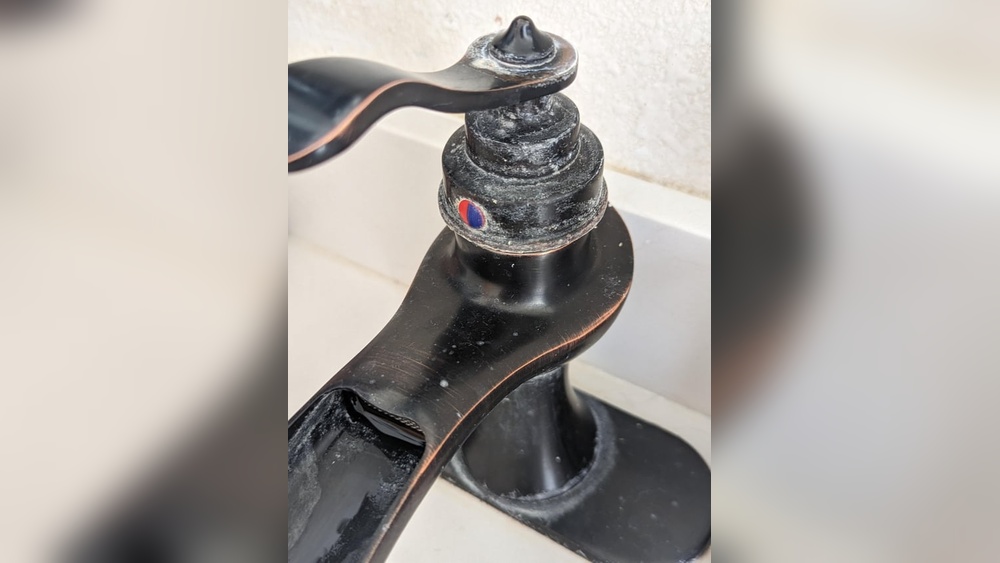
Many people don’t realize that hard water is a common problem. It leaves mineral spots that are tough to remove if you wait too long. Regular gentle cleaning prevents buildup and keeps your faucet looking good.

Credit: www.wikihow.com
Essential Tools And Materials
Cleaning oil rubbed bronze doesn’t require special or expensive products. You may already have everything you need at home. Here’s what works best:
- Soft cloths (microfiber is ideal)
- Mild dish soap
- Warm water
- Soft toothbrush (for small crevices)
- Cotton swabs (for tight spots)
- Olive oil or mineral oil (for finishing)
- Spray bottle (optional, for mixing soap and water)
- Paper towels (optional, for quick drying)
- Distilled white vinegar (for hard water spots, used with care)
- Baking soda (rarely needed, for tough stains only)
Never use abrasive sponges, steel wool, or strong chemical cleaners. These will scratch or strip the finish.
Step-by-step Cleaning Instructions
Regular cleaning keeps your faucet looking its best and prevents damage. Follow these steps for safe and effective results:
1. Remove Loose Dirt And Dust
Start by wiping the faucet gently with a dry microfiber cloth. This removes dust and loose particles. Don’t skip this step—rubbing dirt into the surface can cause fine scratches.
2. Prepare A Mild Cleaning Solution
Mix a few drops of mild dish soap with warm water. You don’t need much soap—just enough to make the water slightly sudsy. A spray bottle helps, but you can also dip your cloth in the solution.
3. Wipe The Faucet Gently
Dip your cloth in the soapy water, wring it out, and gently wipe all surfaces of the faucet. Pay extra attention to areas around the handles and base, where grime collects. For tight spots, use a soft toothbrush or cotton swab. Never scrub hard.
4. Rinse With Clean Water
Soap residue can dull the finish over time. Wipe the faucet with a separate cloth dampened with clean water. This removes any leftover soap.
5. Dry Completely
Use a dry, soft cloth to wipe the faucet dry. This is important—water left on the surface causes spots and streaks. Make sure you dry around the base and handles.
6. Polish With Oil (optional)
To restore shine and protect the finish, put a few drops of olive oil or mineral oil on a soft cloth. Rub gently over the faucet, then buff with a clean cloth to remove excess oil. This step isn’t required every time, but once a week or month keeps the faucet looking rich and dark.
7. Address Stubborn Spots
If you see water spots or mineral buildup, use a cotton swab dipped in a mix of equal parts distilled white vinegar and water. Dab the spot gently, let it sit for a minute, then rinse and dry. Never soak the faucet in vinegar, and don’t let vinegar sit for long—it can damage the finish if overused.
How Often Should You Clean?
The right cleaning frequency depends on how much you use your sink and the quality of your water. Here’s a handy guide:
| Usage Level | Cleaning Frequency | Extra Steps |
|---|---|---|
| High (kitchen, busy family) | Wipe daily, deep clean weekly | Polish with oil every week |
| Moderate (bathroom, 1-2 people) | Wipe 2-3 times/week, deep clean biweekly | Polish with oil every 2 weeks |
| Low (guest bath, rarely used) | Wipe as needed, deep clean monthly | Polish with oil monthly |
If you live in a hard water area, you may need to wipe your faucet more often to prevent buildup. Small, regular cleanings are better than waiting for stains to form.
What To Avoid: Common Mistakes
Many people accidentally ruin their oil rubbed bronze faucets by using the wrong products or methods. Avoid these common mistakes:
- Abrasive cleaners: Never use powders, scouring pads, or rough sponges.
- Harsh chemicals: Bleach, ammonia, and strong bathroom cleaners will strip the finish.
- Leaving water spots: Always dry the faucet after use.
- Acidic substances: Vinegar and lemon can remove mineral spots, but only use them in small amounts and rinse immediately.
- Excessive scrubbing: Rubbing too hard, even with a soft cloth, wears down the finish.
- Ignoring care: Skipping regular cleaning lets grime build up, making stains harder to remove.
A non-obvious mistake: Some people use wax or car polish on their faucets, thinking it will protect them. This can lead to sticky buildup and attract more dirt.
Dealing With Hard Water Stains
Hard water is water with a high mineral content. It leaves white spots and buildup on dark finishes. Here’s how to manage it safely:
- Wipe after every use: Make it a habit to dry the faucet with a soft cloth.
- Spot treat with vinegar: For stubborn spots, dab with a cotton swab and diluted vinegar. Rinse and dry immediately.
- Use distilled water: If possible, use distilled water for the final rinse to prevent new spots.
- Install a water softener: This is a bigger step, but it reduces mineral buildup in your whole home.
Never soak or spray the entire faucet with vinegar or chemical cleaners, as this can damage the finish.
How To Restore Shine
Sometimes, even with good care, an oil rubbed bronze faucet can look dull. This is often due to soap residue, water spots, or natural aging. Here’s how to bring back the shine:
- Clean thoroughly: Follow the basic cleaning steps above.
- Polish with oil: Olive oil or mineral oil adds a soft sheen. Buff with a clean, dry cloth.
- Check for wax buildup: If your faucet feels sticky, clean with soapy water and dry well.
- Let the patina develop: Some aging and color change is normal. This adds character and is not a flaw.
A beginner’s mistake is to expect the faucet to look exactly the same as when new. Embrace the unique patina that develops over time.
Credit: www.reddit.com
What If The Finish Is Damaged?
If your faucet’s finish has worn off or has bare spots, there’s no easy way to restore it completely at home. Professional refinishing is sometimes possible, but it’s expensive. For small scratches, try these steps:
- Clean the area well.
- Apply a little mineral oil and rub gently.
- If the scratch is deep, you can try a small amount of matching oil rubbed bronze touch-up paint (sold at hardware stores), but test it on a hidden area first.
Most important, prevent further damage by avoiding harsh cleaners and rough scrubbing.
Comparing Oil Rubbed Bronze To Other Finishes
How does oil rubbed bronze stack up against other popular faucet finishes when it comes to cleaning and maintenance? Here’s a quick comparison:
| Finish Type | Cleaning Difficulty | Common Issues | Best For |
|---|---|---|---|
| Oil Rubbed Bronze | Medium | Water spots, patina, scratches | Classic/traditional style |
| Chrome | Easy | Fingerprints, water spots | Modern, high-traffic areas |
| Brushed Nickel | Easy | Smudges | Versatile, low maintenance |
| Stainless Steel | Easy | Fingerprints, dullness | Modern, kitchens |
| Polished Brass | Hard | Tarnish, scratches | Vintage style |
Oil rubbed bronze needs more care than most, but offers a unique look that can’t be matched by other finishes.

Credit: www.reddit.com
How To Clean Around Handles And Tight Spaces
Grime often hides around faucet handles, base, and joints. Here’s how to reach these tricky spots:
- Use a soft toothbrush: Dip in soapy water and gently scrub around tight edges.
- Cotton swabs: Perfect for corners and small crevices.
- Toothpick or wooden skewer: Wrap a soft cloth around the tip for detailed cleaning.
- Avoid flooding: Don’t let water pool around the base, as it can seep under and cause corrosion.
Be gentle—never force the brush or swab, and don’t use metal tools.
Polishing And Protecting Your Faucet
Regular polishing keeps your faucet looking rich and deep. Here’s a simple routine:
- Clean as usual and dry completely.
- Apply a few drops of oil (olive or mineral) to a soft cloth.
- Rub gently over the entire faucet, including handles.
- Buff with a clean, dry cloth to remove excess oil.
Don’t use spray polishes or waxes meant for furniture or cars—they can build up and attract dust.
Quick Cleaning Checklist
For busy days, here’s a quick routine you can follow:
- Wipe faucet with a dry microfiber cloth after each use.
- Once a week, clean with mild soapy water and dry well.
- Polish with oil once a month.
- Spot-treat water spots as soon as you notice them.
- Check around the base and handles for grime.
Following this routine will prevent most problems before they start.
How To Handle Green Or Blue Stains
Sometimes, people notice green or blue stains on their oil rubbed bronze faucet. This is usually from copper in the bronze reacting with water or cleaning products. Here’s what to do:
- Wipe the area with soapy water.
- Dab with vinegar and water mixture (equal parts), but rinse immediately.
- Dry thoroughly.
- Polish with a little mineral oil.
If stains return, check for leaks or drips—constant moisture speeds up staining.
Should You Use Commercial Cleaners?
Most commercial bathroom and kitchen cleaners are too strong for oil rubbed bronze. If you want to use a store-bought product, check that it’s labeled safe for this finish. Even then, always test on a hidden spot first.
Look for:
- PH-neutral cleaners
- No bleach or ammonia
- No abrasives
Often, simple soap and water work better and are much safer.
Dealing With Faded Or Uneven Color
If your faucet develops uneven color or faded spots, it’s usually from cleaning mistakes or wear. Try polishing with oil to even out the appearance. If that doesn’t help, you may need to accept the natural change, or consult a professional for refinishing.
Remember, the finish is meant to change over time. That’s part of the charm of oil rubbed bronze.
When To Call A Professional
Most cleaning and maintenance can be done at home. But call a plumber or restoration expert if:
- The finish is peeling or flaking off.
- There are deep scratches or dents.
- Water is leaking under the faucet.
- You want the faucet re-finished.
Trying to fix major damage yourself can make things worse. If you’re unsure, it’s better to ask for help.
Real-world Example: Everyday Maintenance
Take Sarah, for example. She has an oil rubbed bronze faucet in her kitchen. At first, she cleaned it with regular bathroom spray, and noticed the finish started to look dull. After learning about proper care, she switched to wiping with a soft cloth and soapy water.
She polishes once a month with mineral oil. Now, her faucet has a beautiful patina and no water spots.
Her secret? Consistency. Small, gentle cleanings prevent big problems.
Environmental Impact And Health Safety
Oil rubbed bronze doesn’t require harsh chemicals to stay clean. This makes it a good choice for homes with children or pets. Using simple soap and water is safe for your family and the environment.
If you must use vinegar or another cleaner, rinse thoroughly. Don’t let children play with or handle cleaning products.
Summary And Final Tips
Caring for oil rubbed bronze faucets takes a little more attention, but it’s not difficult. The key points are:
- Always use soft cloths and mild soap
- Dry thoroughly after each use
- Polish with olive oil or mineral oil for shine
- Treat water spots quickly to avoid buildup
- Never use abrasive cleaners or pads
Remember that some aging and patina are normal. Embrace the changing look as part of your faucet’s character. With the right care, your oil rubbed bronze faucet will stay beautiful for many years.
For more about different faucet finishes and care, check out this expert guide.
Frequently Asked Questions
What Is The Best Cleaner For Oil Rubbed Bronze Faucets?
The best cleaner is mild dish soap mixed with warm water. Use a soft cloth for wiping and always dry the faucet afterward. Avoid harsh chemicals or abrasive products.
How Do I Remove Hard Water Stains From My Oil Rubbed Bronze Faucet?
Dab the spot with a cotton swab dipped in a mix of equal parts distilled white vinegar and water. Rinse and dry immediately. Don’t let vinegar sit on the faucet for long.
Can I Use Lemon Or Vinegar To Clean My Faucet?
You can use diluted vinegar for spot cleaning, but use it sparingly and rinse well. Avoid lemon juice, as it’s more acidic and may damage the finish.
How Often Should I Polish My Oil Rubbed Bronze Faucet?
Polish with olive oil or mineral oil once a month or more often if the faucet looks dull. This helps maintain the shine and protects the finish.
What Should I Do If My Faucet’s Finish Is Wearing Off?
If the finish is fading or scratched, clean and polish as usual. For deeper damage, consider using touch-up paint or consult a professional for refinishing. Avoid further damage by using gentle cleaning methods.
Caring for oil rubbed bronze faucets is simple with the right approach. Regular, gentle cleaning keeps them looking elegant and timeless.