Why is My Faucet Water Yellow? Common Causes and Fixes
Have you ever turned on your faucet and noticed the water flowing out with a yellowish tint? This can be both surprising and worrying, especially when you expect clean, clear water. Yellow faucet water is a common issue in many homes, and while it may not always be dangerous, it’s something you shouldn’t ignore.
Understanding why your faucet water turns yellow is the first step in fixing the problem and keeping your household safe.
Let’s explore the main causes behind yellow faucet water, how you can identify and fix the issue, and when you should call in the professionals. You’ll also learn about potential health risks, ways to prevent yellow water, and how to check if your water is safe to drink.
By the end of this article, you’ll know exactly what to do if you ever see yellow water coming from your tap.
What Causes Yellow Faucet Water?
Yellow water from your faucet can come from many sources. It’s important to figure out the real cause so you can solve the problem quickly and safely.
1. Rust In Old Pipes
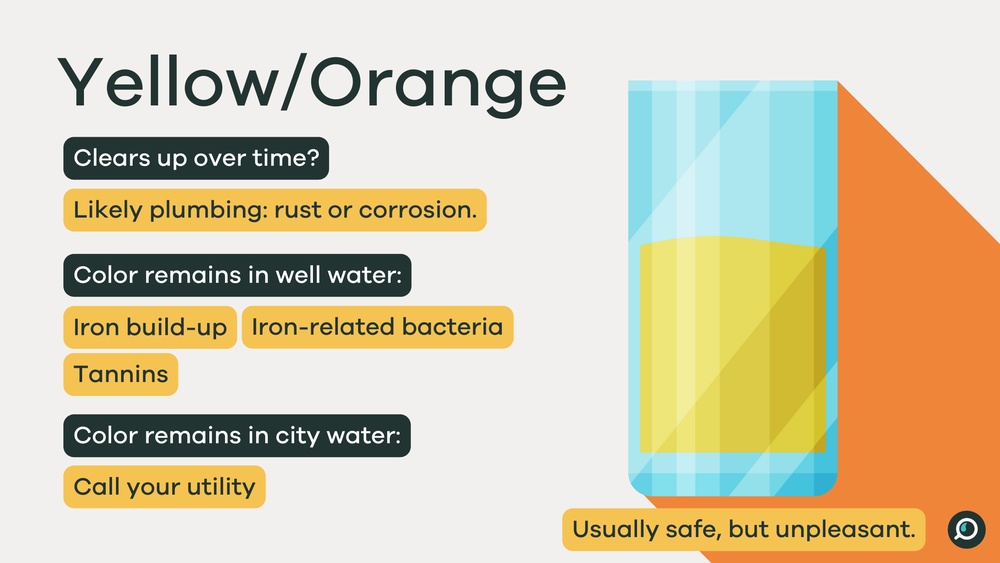
One of the main reasons for yellow tap water is rust. Older pipes made from iron or galvanized steel can start to corrode. Over time, the rust (iron oxide) can break loose inside the pipes, especially if there’s a change in water pressure or the pipes have not been used for a while. This rust mixes with the water, causing it to turn yellow.
Houses built before the 1970s are more likely to have these older pipes. Even if your house has newer plumbing, the city’s water supply system may still have sections of old pipes that affect your home.
2. Sediment In The Water Supply
Sometimes, sediment such as sand, silt, or small particles can build up in the water supply. Heavy rain, construction, or repairs on water mains can disturb this sediment, sending it into your home’s pipes. When you turn on the faucet, this sediment can color the water yellow or brown.
3. Changes In Water Pressure
A sudden change in water pressure—like after a main break, nearby construction, or even fire hydrant use—can dislodge rust or sediment. This is why people sometimes notice yellow water after city repairs or flushing of the water system.
4. Water Heater Problems
If you notice yellow water only when you use hot water, the issue may be with your water heater. Sediment and rust can collect inside the tank, especially if it’s older or hasn’t been flushed regularly. When you turn on the hot tap, this buildup can enter your water.
5. Municipal Water System Issues
Sometimes, the problem is not in your home, but with the city’s water supply. Water main breaks, repairs, or routine maintenance can send rust and sediment through the pipes. If many homes in your area have yellow water at the same time, this is likely the cause.
6. Well Water Contamination
If your home uses well water, yellow water can be a sign of iron, manganese, or tannins. These minerals and natural compounds are common in groundwater and can color the water yellow, orange, or brown. They’re not always dangerous, but they can stain laundry and fixtures.
7. Organic Material
In rare cases, decaying leaves or other organic material can enter the water supply, especially after flooding or storms. These materials can give the water a yellow or tea-like color.
8. Water Filter Or Softener Malfunction
A failing water filter or softener can sometimes release trapped particles back into your water. If you have a home filtration system and the water turns yellow, check if the filter needs to be replaced.
How To Diagnose The Source Of Yellow Water
Finding out exactly why your faucet water is yellow can feel confusing. Here’s how you can narrow down the cause step by step:
Step 1: Check If All Faucets Are Affected
- If all faucets in your home show yellow water, the issue is likely with the main supply or your pipes.
- If only one faucet has yellow water, the problem is probably in that part of the plumbing or the fixture itself.
Step 2: Test Hot And Cold Water
- Hot water only: The issue is likely the water heater.
- Cold water only: The issue is probably in the cold water supply or pipes.
Step 3: Ask Your Neighbors
- If neighbors also have yellow water, it’s likely a municipal issue.
- If only your house is affected, it’s probably your plumbing.
Step 4: Check Water After It Sits
Fill a clear glass with water and let it sit for an hour. If the yellow color settles to the bottom, it’s likely sediment. If the color stays, it could be dissolved minerals or rust.
Step 5: Recent Changes Or Events
Think about any recent plumbing work, repairs, or changes. Construction, heavy rain, or a new water softener can all play a role.
Is Yellow Faucet Water Safe?
This is the question most people worry about. Yellow water is usually colored by rust, minerals, or sediment. In most cases, it’s not immediately dangerous, but you should not drink it until you know the cause.
When Is It Safe?
- If the color comes from iron or manganese, it’s usually not harmful, but it can stain clothes and taste bad.
- If the water clears after a few minutes, it’s often just disturbed sediment.
When To Be Cautious
- If the water smells bad, feels oily, or has particles, do not drink it.
- If you have a well, yellow water could mean more serious contamination. Get it tested.
Health Risks
Drinking small amounts of iron or rust is usually not dangerous. However, water can hide bacteria or chemicals that are not safe. Always err on the side of caution and use bottled or filtered water until you’re sure.
Common Solutions For Yellow Water
The best solution depends on the cause. Here are some practical fixes for common sources of yellow water:
1. Flush Your Pipes
Sometimes, running your faucets for a few minutes can clear out rust or sediment. Start with the cold water tap nearest to your main water line.
2. Flush The Water Heater
If the yellow water comes from the hot tap, your water heater may need to be flushed. This means draining a few gallons from the tank until the water runs clear. This should be done once or twice a year.
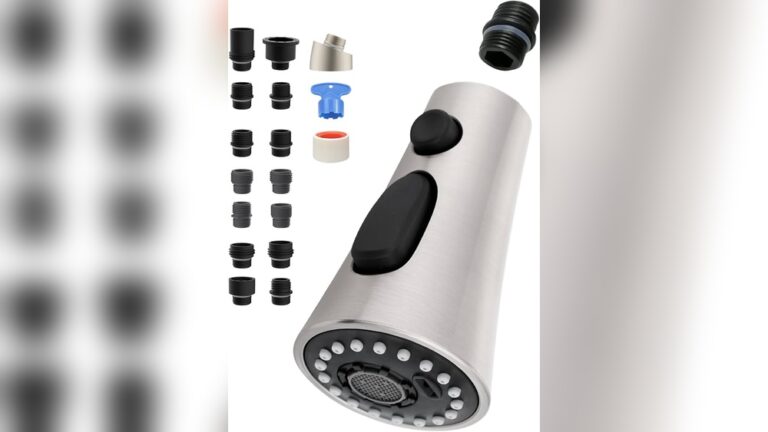
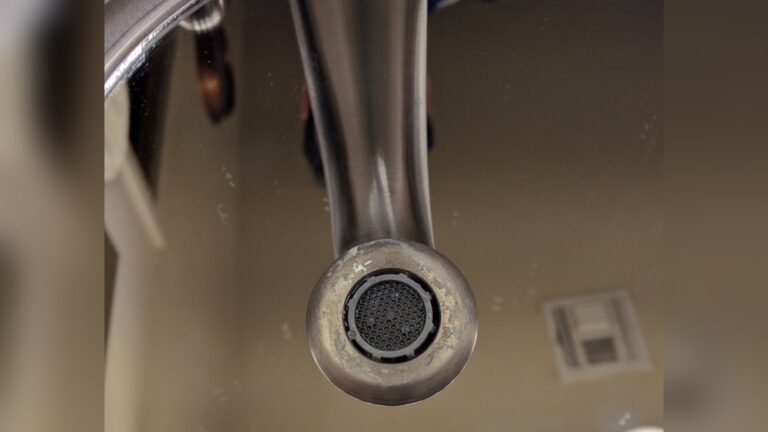
3. Clean Or Replace Faucet Aerators
Particles can get trapped in the aerators—the small screens at the end of your faucet. Unscrew them, rinse, and screw them back on.
4. Change Water Filters
If you use a home water filter, replace the filter cartridge. A clogged or old filter can let particles back into the water.
5. Contact Your Water Provider
If the problem affects the whole neighborhood, call your local water provider. They can tell you if there’s work happening or if the water will clear soon.
6. Test Your Well Water
If you use a well, get your water tested for iron, manganese, and bacteria. You may need a special filter or water softener.
7. Upgrade Old Pipes
If rust from old pipes is the main cause, consider replacing them with PVC or copper pipes. This is a big job but solves the problem for good.
When Should You Worry About Yellow Water?
Most yellow water is caused by harmless minerals or rust. However, there are times when you should take it more seriously.
- If the color is dark yellow or brown and lasts for days, this could be a sign of bigger pipe problems.
- If you notice a bad smell (like rotten eggs or chemicals), stop using the water and get it checked.
- If someone in your home has a weakened immune system, don’t risk it—use bottled water until you know the cause.
How To Prevent Yellow Water
Prevention is always better than dealing with problems after they happen. Here are some practical tips:
Regular Pipe Maintenance
- Have a plumber check your pipes if your house is old.
- Replace old, rusty pipes before they break down.
Flush Water Heater Annually
- Sediment builds up in water heaters over time.
- Flushing keeps both the heater and your water clean.
Use Quality Water Filters
- Choose a filter that removes iron, manganese, and sediment.
- Change filters as often as the manufacturer suggests.
Install A Whole-house Filter
For homes with ongoing issues, a whole-house filtration system can protect every tap. These systems filter water as it enters the home.
Test Well Water Regularly
- Have your well tested every year for minerals and bacteria.
- Install filters or softeners as needed.
Yellow Water Vs. Other Water Colors
Sometimes, water can turn other colors too, and each color means something different. Here’s a quick comparison:
| Color | Possible Cause | What to Do |
|---|---|---|
| Yellow | Rust, sediment, iron, manganese | Flush, test, filter, call provider if persistent |
| Brown/Red | Heavy rust, old pipes, main break | Let water run, call provider if it doesn’t clear |
| Green/Blue | Copper pipes corrosion | Test water, replace pipes if needed |
| Black | Manganese, organic matter | Test water, don’t drink until cleared |
| Cloudy/White | Trapped air, harmless minerals | Let water sit, clears up on its own |
What To Do If Your Water Stays Yellow
If flushing or simple fixes do not work, take these steps:
- Collect a sample in a clear glass. Note the smell, taste, and if particles settle.
- Contact your water provider and ask about any problems in your area.
- Call a plumber if only your house is affected, especially if you have old pipes.
- Test your water for iron, manganese, bacteria, and chemicals. Home test kits are available, or you can send a sample to a certified lab.
- Use bottled or filtered water for drinking and cooking until the problem is fixed.

Credit: www.reddit.com
How To Test For Iron And Other Minerals
Testing your water can give you clear answers. Here’s how:
Home Water Test Kits
- Available at hardware stores or online.
- Test for iron, manganese, pH, and other minerals.
- Follow instructions carefully for accurate results.
Professional Water Testing
- Local labs or your water provider can test for a full range of contaminants.
- You’ll get a detailed report with safe levels for each substance.
What Do The Results Mean?
| Substance | Safe Limit (mg/L) | Health Risks |
|---|---|---|
| Iron | 0.3 | Taste, color, staining (not usually health) |
| Manganese | 0.05 | Staining, taste, possible health risk for infants |
| Lead | 0.015 | Serious health risks |
| Tannins | No set limit | Color, taste, stains |
If your water tests above safe limits, you need to take action. Iron and manganese can be removed with special filters. Lead and other chemicals require immediate professional help.
Real-life Examples Of Yellow Water Problems
Neighborhood Water Main Break
In many cities, water main breaks are a common reason for yellow or brown water. After repairs, rust and sediment often get flushed into homes. In most cases, running the water for 10-15 minutes clears the color, but always check with your water provider before drinking the water.
Old House, Rusty Pipes
A family in a 1950s house noticed yellow water every morning. It turned out their old galvanized pipes were rusting inside. After replacing the pipes with copper, their water was clear again.
Well Water With High Iron
A rural homeowner used well water that turned yellow after heavy rain. Testing showed high iron levels. Installing an iron filter solved the problem and stopped stains on laundry and fixtures.
Cost Of Fixing Yellow Water Problems
The price to solve yellow water depends on the cause:
| Solution | Estimated Cost (USD) | When to Use |
|---|---|---|
| Flush pipes | $0 (DIY) | Minor sediment or rust |
| Flush water heater | $0–$100 | Hot water only affected |
| Replace faucet aerators | $5–$20 each | Particles trapped at faucet |
| Professional water test | $30–$150 | Unknown cause, well water |
| Replace old pipes | $2,000–$10,000+ | Old, rusty plumbing |
| Install iron filter | $600–$2,000 | Well water, high iron |
Keep in mind, some issues are quick fixes, while others require bigger investments. Always start with the simplest solutions and get professional advice if the problem continues.
Non-obvious Insights Most People Miss
Many people think yellow water is always a big health risk, but often, it’s more of an aesthetic and taste problem than a real danger. However, ignoring yellow water for a long time can let other problems grow, like leaks or pipe bursts due to corrosion.
Another insight is that regular maintenance—like flushing your water heater or changing filters—can prevent yellow water before it starts. Most people wait for a problem, but these simple steps can save you time, money, and stress.

Credit: www.reddit.com
When To Call A Plumber Or Water Expert
- Water stays yellow for more than a day after flushing.
- Only one part of the house is affected.
- The water smells bad or tastes strange.
- You see rust stains on sinks or toilets.
- Testing shows lead or other dangerous contaminants.
Experts have the tools to quickly find and fix the problem, and they can guide you if you need to update your pipes or add a filtration system.
How To Check If Your Water Is Safe
If you’re unsure, use these steps:
- Look: Fill a clear glass—check the color and clarity.
- Smell: Water should not smell like rotten eggs, metal, or chemicals.
- Taste: If water tastes metallic or bitter, don’t drink it.
- Test: Use a home kit or send a sample to a lab for full testing.
If in doubt, don’t risk your health. Use bottled water for drinking and cooking until you’re sure the water is safe.
Environmental And Community Factors
Yellow water is sometimes linked to wider environmental issues. Aging city pipes, changes in source water, or flooding can affect whole communities. Staying informed through your local water provider can help you react quickly and protect your family.
For more information about water quality and safety, visit the EPA’s Ground Water and Drinking Water page.
Frequently Asked Questions
What Does Yellow Water Mean?
Yellow water usually means there is rust, iron, or sediment in your water. It’s often due to old pipes, a water main break, or well water minerals. In most cases, it’s not immediately harmful, but you should check the cause.
Can I Drink Yellow Faucet Water?
It’s best not to drink yellow water until you know the cause. While minerals like iron are not usually dangerous, the color can hide other problems. Use bottled or filtered water and get your water tested to be safe.
How Do I Get Rid Of Yellow Water In My Tap?
Start by running your faucet for a few minutes. Clean faucet aerators and change water filters. Flush your water heater if hot water is affected. If the problem stays, contact your water provider or a plumber.
Why Is My Hot Water Yellow But Cold Water Is Clear?
This usually means your water heater has a buildup of rust or sediment. Flushing the heater often solves the problem. If it continues, you may need to replace the heater or its parts.
Is Yellow Water A Sign Of Lead Or Other Dangerous Chemicals?
Yellow water is most often caused by iron or sediment, not lead. However, old pipes can sometimes leak lead, which is colorless. If you have an older home or are worried, get your water tested for lead and other contaminants to stay safe.
If your faucet water turns yellow, don’t panic. Most causes are easy to fix, and you can keep your water safe and clear by taking action quickly. Regular checks and maintenance, along with help from professionals when needed, can give you peace of mind and healthy water for your family.
Credit: www.reddit.com