Waterfall Faucet Vs Regular Faucet: Which Is Best for Your Home?
When you walk into a modern bathroom or kitchen, the faucet can catch your eye right away. Today, you’ll see more than the standard tap: waterfall faucets are becoming popular for their unique look and water flow. But does style mean better function? Is a regular faucet still the smarter choice for your space? Whether you’re building a new home, renovating, or simply curious, understanding the differences between waterfall faucets and regular faucets helps you make a confident decision. Let’s look deeper into how these two types of faucets work, their pros and cons, and what really matters when choosing one for your home.
What Is A Waterfall Faucet?
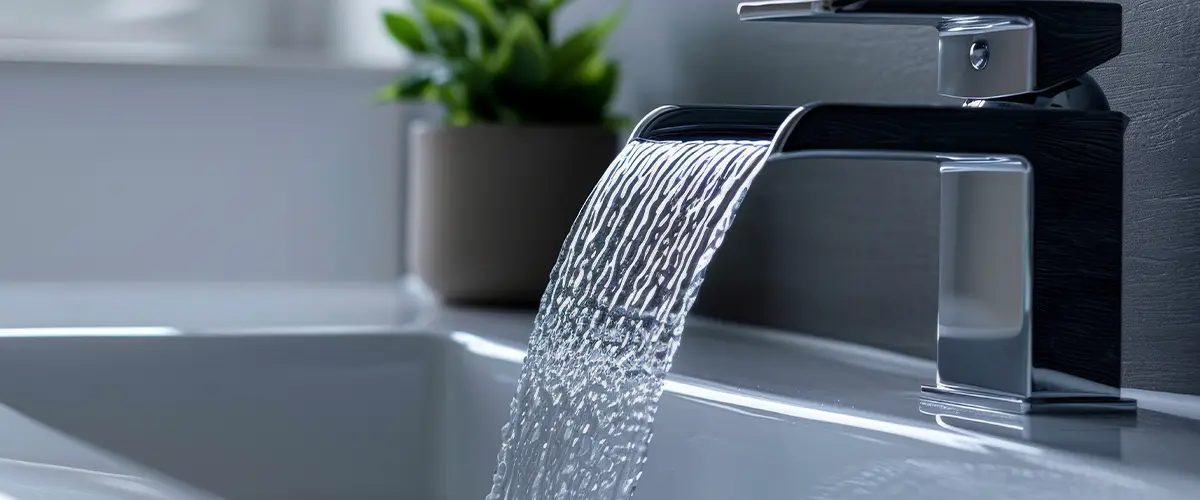
A waterfall faucet is designed to mimic the flow of water you might see in nature—a wide, gentle stream, often cascading over a flat spout. Instead of pushing water through a small round opening, the faucet uses an open channel or a wide, flat spout to let water flow out in a smooth, visible sheet. Most waterfall faucets are made for bathrooms, especially sinks, but kitchen models are becoming available too. They’re often made from glass, stainless steel, or brass, with finishes like chrome, matte black, or brushed nickel.
Waterfall faucets stand out for their aesthetics. Watching the water flow can create a calming effect, almost like a small indoor fountain. They fit especially well in spa-inspired bathrooms or homes with a modern style.
What Is A Regular Faucet?
A regular faucet is the classic tap most people know. It usually has a rounded spout, with water coming out in a narrow, focused stream. Regular faucets come in countless shapes and sizes, from simple single-lever designs to double-handle types. They can be made from chrome, brass, stainless steel, or even plastic. You’ll find them everywhere—bathrooms, kitchens, utility sinks, and public washrooms.
Regular faucets are valued for their practicality, reliability, and wide variety. They can suit almost any home style, from traditional to ultra-modern, depending on the finish and shape you choose.

Credit: www.angi.com
How Waterfall Faucets And Regular Faucets Work
The main difference is in how each faucet delivers water. A regular faucet mixes hot and cold water inside the body and pushes it out through a small hole. This creates a pressurized, narrow stream that is easy to control.
A waterfall faucet, on the other hand, often has a wider, open spout. Water is mixed inside the faucet body but then flows out over a flat surface, allowing gravity to create a “sheet” of water. Some waterfall faucets use a glass plate or a slightly curved metal channel to shape the water.
This design means the waterfall faucet shows the water, while a regular faucet hides it until it reaches your hands or your dishes. The waterfall effect is mostly about appearance and feel.
Key Differences At A Glance
Here’s a quick comparison of the main features of waterfall faucets and regular faucets.
| Feature | Waterfall Faucet | Regular Faucet |
|---|---|---|
| Water Flow | Wide, gentle sheet | Narrow, focused stream |
| Design | Modern, eye-catching | Versatile, many styles |
| Installation | May need special sink | Fits most sinks |
| Cleaning | Can show water stains | Easy to clean |
| Price | Usually higher | Wide price range |
| Durability | Depends on material | Often very durable |
Advantages Of Waterfall Faucets
Many people are drawn to waterfall faucets for their style, but there are also practical reasons you might consider one.
1. Aesthetic Appeal
Waterfall faucets bring a touch of luxury to any bathroom. The way the water flows in a sheet is relaxing and can give your bathroom a spa-like feel. They’re often a conversation starter when guests visit.
2. Unique Experience
Washing your hands or face under a waterfall faucet feels different from a normal tap. The gentle flow is softer and less splashy, which can be more pleasant—especially for children or people with sensitive skin.
3. Modern Designs
Waterfall faucets usually come in contemporary styles that can instantly update an older bathroom. If you want your space to look current, this is a strong choice.
4. Customizable Looks
With materials like glass and colored LED lights, you can match a waterfall faucet to almost any color scheme or decor theme.
5. Potential Water Saving
Some waterfall faucets have built-in aerators or flow restrictors, which can help reduce water usage. However, this depends on the model and how you use it.
Disadvantages Of Waterfall Faucets
Despite their appeal, waterfall faucets have several drawbacks. Here’s what to consider:
1. Higher Cost
Waterfall faucets often cost more than regular faucets. The materials and unique design increase the price, sometimes by double or more.
2. Difficult Installation
These faucets may need a special sink with a wider bowl to prevent water from splashing out. Not all sinks are compatible, so you may have to replace your sink too.
3. Cleaning Challenges
Because the water flows over an open surface, spots and mineral deposits can build up quickly. Glass waterfall faucets, in particular, need frequent cleaning to stay clear and shiny.
4. Durability Concerns
Glass or thin metal parts can be more fragile than solid brass or steel. If dropped or hit, the spout could chip or break.
5. Not Ideal For Kitchens
Waterfall faucets are usually found in bathrooms. Their flow is not great for washing dishes or filling pots, since the water spreads out and is less powerful.
6. Possible Splashing
If the faucet is not installed at the right height or angle, the wide stream may cause water to splash onto the counter or floor.
Credit: www.baileysremodeling.com
Advantages Of Regular Faucets
Regular faucets remain popular for many good reasons:
1. Wide Compatibility
Regular faucets can fit almost any sink or countertop. You rarely have to make extra changes to your plumbing or fixtures.
2. Affordable Options
There’s a regular faucet for almost every budget. You can find basic models at low prices, but also luxury versions with advanced features.
3. Easy To Use And Repair
Most plumbers know how to install, repair, or replace regular faucets. Parts are easy to find, and repairs are often simple.
4. Durability
Well-made regular faucets can last for decades. Solid metal construction stands up to daily use.
5. Functional For Many Tasks
Regular faucets are practical for washing hands, dishes, filling containers, and more. The directed stream is efficient and easy to aim.
6. Low Maintenance
The smooth, enclosed spout is less likely to show water spots and is easy to clean.
Disadvantages Of Regular Faucets
Regular faucets are practical, but they do have some downsides:
1. Less Unique Style
While there are stylish options, many regular faucets look ordinary. They don’t create the same “wow” factor as a waterfall faucet.
2. Basic Experience
The water flow is functional but not very interesting. If you want a relaxing or visually pleasing experience, a regular faucet may feel boring.
3. Splashing Possible
Some models, especially high-pressure ones, can cause splashing if the sink is shallow or if the water hits at the wrong angle.
4. Water Wastage
Older regular faucets, without aerators or flow restrictors, can use more water than needed.
Practical Comparison: When Each Faucet Type Works Best
Choosing between a waterfall faucet and a regular faucet depends on several factors:
Bathroom Use
- Waterfall Faucets: Best for powder rooms, guest bathrooms, or master suites where style matters. They add a luxurious touch and work well for handwashing or face rinsing.
- Regular Faucets: Ideal for family bathrooms or places with heavy use. They are durable, easy to clean, and less likely to need repairs.
Kitchen Use
- Waterfall Faucets: Rarely chosen. The wide flow is not practical for washing dishes or filling large pots. Splashing is more likely.
- Regular Faucets: Perfect for kitchens. You can control the stream, direct water where needed, and attach accessories like sprayers or filters.
Commercial Use
- Waterfall Faucets: Sometimes used in hotel lobbies or upscale restaurants to impress guests.
- Regular Faucets: Standard in most public restrooms and kitchens for reliability and ease of maintenance.
Installation And Compatibility
Installing a waterfall faucet often requires more planning than a regular faucet. Here’s what you need to know:
Sink Shape And Size
- Waterfall faucets need a wide, deep sink to catch the broad stream of water. A shallow or narrow sink can lead to splashing and water on the counter.
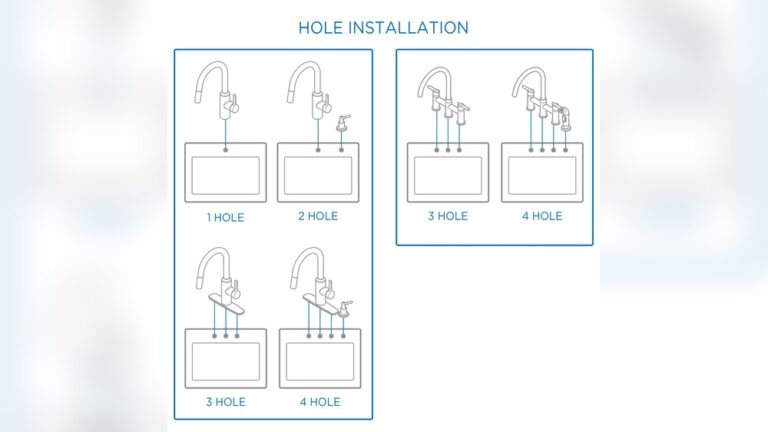
- Regular faucets work with nearly any sink, including those with small or unusual shapes.
Plumbing Requirements
- Both types connect to standard hot and cold water lines. However, some waterfall faucets may need special mounting hardware or support for heavier materials like glass.
Countertop Space
- Waterfall faucets are usually taller and longer. Make sure you have enough space behind the sink for the faucet to fit without hitting the wall or backsplash.
Example: Measuring For A Waterfall Faucet
Imagine your bathroom sink is 18 inches wide and 6 inches deep. If you install a waterfall faucet with a 5-inch-wide spout, water could splash out easily. A sink that’s 22 inches wide and 8 inches deep gives more room for the water to fall safely.
Water Usage And Efficiency
Water conservation matters for your bills and the environment. How do these faucets compare?
- Waterfall faucets may use more water if you leave them running for long periods, since the sheet of water looks gentle but can deliver higher flow rates.
- Some waterfall models have flow restrictors to limit water use, but not all do. Always check the specifications.
- Regular faucets often come with aerators that mix air into the stream, reducing water use without losing pressure.
- According to the U.S. Environmental Protection Agency (EPA), a WaterSense-certified faucet uses no more than 1.5 gallons per minute (GPM), saving about 30% over standard models.
Non-obvious insight: Some waterfall faucets look gentle but may use more water than you expect. Always check the GPM rating if you care about water conservation.
Maintenance And Cleaning
A faucet’s beauty and function last longer if you keep it clean and well-maintained.
Waterfall Faucets
- Glass spouts show fingerprints, water spots, and soap scum quickly. You’ll need to wipe them down daily for a clear look.
- Mineral buildup from hard water is more visible on the wide, flat spout.
- Use a soft cloth and vinegar-water mix to keep glass or metal channels clean.
Regular Faucets
- Most finishes are easy to clean with mild soap and water.
- Mineral deposits can collect around the aerator. Unscrew and soak it in vinegar to remove buildup.
- Polished chrome shows spots, but brushed finishes hide them better.
Non-obvious insight: If your home has hard water, a waterfall faucet may require more frequent cleaning and could look dirty faster than a regular faucet.
Durability And Lifespan
How long your faucet lasts depends on both the design and the material.
- Regular faucets made from solid brass or stainless steel can last 10–20 years with basic care.
- Waterfall faucets with glass or thin metal parts may be more fragile. Dropping a heavy object on the spout can cause cracks or chips.
- Moving parts (cartridges, handles) are similar in both types. The main difference is the spout’s durability.
Ask for a faucet with a good warranty. Many top brands offer limited lifetime warranties on regular faucets, while waterfall faucets often have shorter coverage.
Style And Design Choices
Both faucet types offer style options, but their main appeal is different.
- Waterfall faucets: Sleek, modern, sometimes with colored LED lights or clear glass for a “wow” effect. Best for contemporary spaces.
- Regular faucets: Available in classic, vintage, modern, or industrial designs. Easy to match with any decor.
If you want your faucet to be the centerpiece, a waterfall design stands out. If you want something that blends in, a regular faucet is more versatile.
Price Comparison
Here’s a general overview of what you might pay for each type.
| Type | Low-End Price | High-End Price | Average Price |
|---|---|---|---|
| Waterfall Faucet | $70 | $400 | $180 |
| Regular Faucet | $25 | $500+ | $90 |
- Waterfall faucets are usually more expensive, especially for high-quality materials or designer brands.
- Regular faucets offer a wider price range. You can find a basic model at a hardware store or a luxury model for a designer bathroom.
Common Mistakes When Choosing A Faucet
People often focus only on looks, but there are practical details you should not ignore:
1. Ignoring Sink Size
Choosing a waterfall faucet for a small or shallow sink leads to splashing and mess.
2. Not Checking Water Pressure
Some waterfall faucets don’t work well with low water pressure. Test your pressure before buying.
3. Overlooking Maintenance
Glass waterfall spouts look great in the showroom but may frustrate you if you dislike daily cleaning.
4. Not Considering Users
In homes with children or older adults, a regular faucet is easier and safer to use.
5. Falling For Trends
Waterfall faucets look stylish now, but regular faucets have classic designs that won’t go out of fashion quickly.

Credit: www.rbrohant.com
Environmental Impact
Your faucet choice affects both your water use and energy bills.
- Waterfall faucets can be water-saving if designed with restrictors, but many are not. Check for WaterSense labels or ask for eco-friendly models.
- Regular faucets are easier to find in water-saving versions. Look for aerators and EPA WaterSense certification.
- Saving water not only lowers your bills but also helps protect the environment.
For more details on water-efficient plumbing, see the EPA WaterSense program.
Real-world Examples
- A couple renovated their master bathroom with a glass waterfall faucet. They loved the spa look but found cleaning mineral spots a daily task. Still, they felt the style was worth it for their “showpiece” bathroom.
- A family with young children chose a regular faucet for their main bathroom. The kids found it easier to use, and cleaning was simple. Later, they added a small waterfall faucet in the guest bathroom for a touch of luxury.
- A restaurant installed waterfall faucets in the lobby restroom. Guests were impressed, but staff noted the need for more frequent cleaning and occasional repairs.
How To Decide: Key Questions To Ask Yourself
- Do I want a statement piece or a faucet that blends in?
- Is my sink large and deep enough for a waterfall faucet?
- Am I okay with more cleaning, or do I want low maintenance?
- Is water conservation important in my home?
- Will children or older adults use this faucet often?
- What is my budget for purchase and installation?
Answering these will help narrow your choice to the faucet type that fits your life—not just your style.
Frequently Asked Questions
What Is The Main Difference Between A Waterfall Faucet And A Regular Faucet?
The main difference is in the water flow design. A waterfall faucet delivers water in a wide, gentle sheet, often over an open spout, creating a visually pleasing effect. A regular faucet provides a focused, pressurized stream that is practical and easy to control.
Are Waterfall Faucets Harder To Clean Than Regular Faucets?
Yes, waterfall faucets—especially those with glass or wide, flat spouts—show water spots, soap scum, and mineral deposits more easily. Regular faucets are usually easier to keep clean, especially if they have a brushed or matte finish.
Do Waterfall Faucets Use More Water Than Regular Faucets?
It depends on the model. Some waterfall faucets can use more water if they lack flow restrictors, while many regular faucets come with aerators to save water. Always check the gallons per minute (GPM) rating for accurate water usage.
Can I Install A Waterfall Faucet In My Kitchen?
While possible, it’s usually not recommended. The wide, gentle flow of a waterfall faucet is not practical for tasks like washing dishes or filling pots. Regular faucets are better suited for kitchen use.
Which Faucet Type Lasts Longer?
Regular faucets generally last longer, especially if made from solid brass or stainless steel. Waterfall faucets with glass or thin metal parts may be more prone to damage. However, with proper care, both types can offer many years of use.
—
Choosing between a waterfall faucet and a regular faucet means balancing style, function, maintenance, and budget. Waterfall faucets shine as stylish, modern accents, perfect for bathrooms where looks matter most. Regular faucets offer unmatched reliability, flexibility, and ease of care—ideal for everyday use in any room.
Consider your needs, your space, and your willingness to clean, and you’ll pick the faucet that fits not just your sink, but your lifestyle.