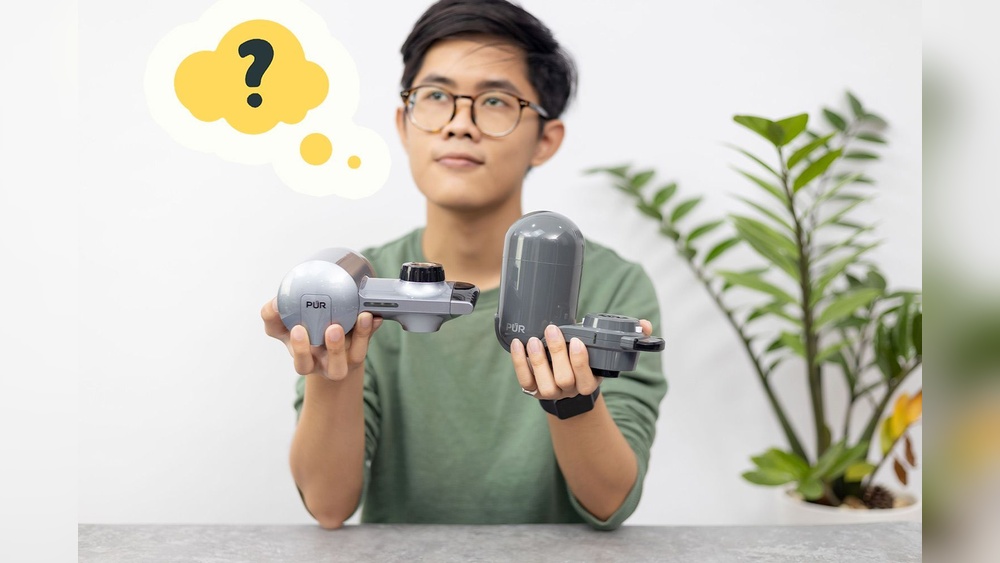
Pur Vs Pur Plus Faucet Filter: Which Water Filter Wins?
Many people today are searching for cleaner, safer tap water at home. With concerns about contaminants like lead, chlorine, and microplastics, it’s no surprise that faucet water filters are gaining popularity. Two common choices are the PUR Faucet Filter and the PUR Plus Faucet Filter. While these filters look similar and come from the same trusted brand, there are some important differences. Understanding these details can help you choose the best option for your needs, budget, and peace of mind.
Let’s dig deep and compare the PUR and PUR Plus models. Whether you want to upgrade your kitchen water or need a filter for your family, this guide will give you all the answers. You’ll learn how these filters work, what makes each one unique, and which filter is better for your home.
If you’re tired of guessing and want clear, practical advice, you’re in the right place.
What Is A Faucet Filter And Why Use One?
A faucet filter connects directly to your kitchen tap. When you turn on the water, the filter removes contaminants like chlorine, lead, mercury, pesticides, and even some bacteria. This means the water you drink, cook with, or give to children is cleaner and tastes better. Faucet filters are popular because:
- They are easy to install—no tools or plumber needed.
- They filter water instantly as it comes out of your tap.
- They are affordable compared to full-home filtration systems.
Most people choose faucet filters because they want better tasting water and less risk from harmful chemicals or metals. PUR is one of the best-selling brands, known for its reliable filtration and easy-to-use designs.
Overview: Pur Faucet Filter Vs. Pur Plus Faucet Filter
Both the PUR Faucet Filter and the PUR Plus Faucet Filter are designed to improve your tap water. They attach to your faucet and use special filter cartridges to trap contaminants. But there are differences in performance, features, and filter technology. Here’s a quick look:
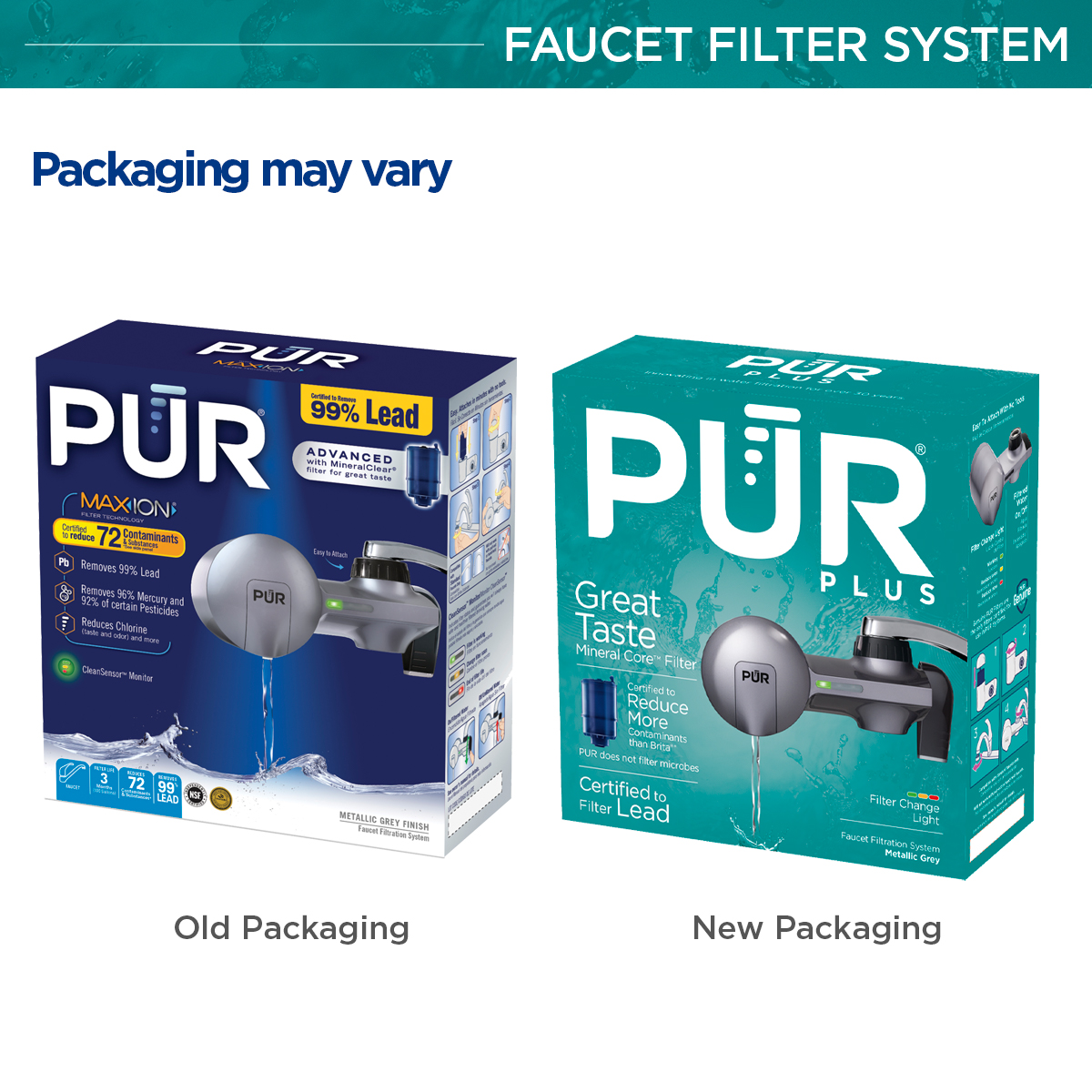
- PUR Faucet Filter: The classic model, removes many common contaminants, and is budget-friendly.
- PUR Plus Faucet Filter: An upgraded version, filters even more substances, and often includes extra features like flavor enhancement.
The choice between them depends on what you value: price, filtration power, or extra features.
How Pur Faucet Filters Work
Both models use activated carbon and ion exchange technology. Here’s how the process works:
- Water flows through a carbon filter. The carbon traps chemicals like chlorine, which affect taste and smell.
- Ion exchange materials capture heavy metals like lead and mercury.
- The filtered water comes out of your tap, ready to drink.
This simple system removes a wide range of contaminants, but performance depends on the specific filter cartridge and model you choose.
Key Features: Pur Faucet Filter
The classic PUR Faucet Filter offers strong filtration at a reasonable price. Here’s what you get:
- Removes over 70 contaminants, including chlorine, lead, mercury, and some pesticides.
- Uses a two-stage filter process for reliable performance.
- Each filter cartridge lasts about 2-3 months or up to 100 gallons of water.
- Easy to install on most standard kitchen faucets.
- Has a filter indicator to show when it’s time to replace the cartridge.
This model is popular for apartments, rental homes, and anyone who wants an affordable way to improve water quality.
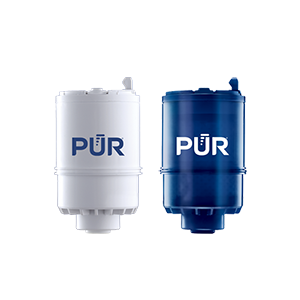
Credit: www.pur.com
Key Features: Pur Plus Faucet Filter
The PUR Plus Faucet Filter is an advanced version with several upgrades:
- Removes up to 99% of lead and over 70 other contaminants.
- Contains MineralClear® technology—adds natural minerals for a crisper, fresher taste.
- Improved filter life—some models last up to 3 months or 100 gallons.
- Enhanced filter indicator—some models include an electronic or LED indicator for greater accuracy.
- Modern design with more finish options (like chrome or stainless steel).
Many users notice that water from the Plus filter tastes better, especially if their tap water is very “flat” or chemical-tasting.
Detailed Comparison: Pur Vs Pur Plus Faucet Filter
Let’s compare the two filters side by side in key areas. This will help you see the real differences and decide which one is best for you.
| Feature | PUR Faucet Filter | PUR Plus Faucet Filter |
|---|---|---|
| Contaminants Removed | 70+ | 70+ (including more lead, pesticides, and pharmaceuticals) |
| Filter Technology | Basic Activated Carbon & Ion Exchange | MineralClear® with Enhanced Taste |
| Filter Life | Up to 100 gallons (2-3 months) | Up to 100 gallons (2-3 months) |
| Installation | Tool-free, Fits Most Faucets | Tool-free, Fits Most Faucets |
| Filter Indicator | Basic (Manual or Simple Light) | Advanced (LED/Electronic in some models) |
| Price | Lower | Higher (10–25% more) |
| Design & Finish | White/Basic Chrome | Multiple Finishes (Chrome, Stainless, etc.) |
Filtration Power: What Do They Remove?
Both filters remove a wide range of substances that can make water taste or smell bad—or even harm your health. Here are the main types of contaminants you can expect them to handle:
- Chlorine: Improves taste and removes the chemical smell.
- Lead: A dangerous heavy metal, especially for children.
- Mercury: Another toxic metal sometimes found in older plumbing.
- Pesticides and Herbicides: Runoff from farms can enter water supplies.
- Microplastics: Tiny plastic particles found in tap water.
- Pharmaceuticals: Traces of medicine sometimes show up in municipal water.
The Plus model usually does a better job with taste (thanks to the minerals it adds) and is certified to remove more lead and some additional chemicals.
Certifications And Testing
One of the main reasons people trust PUR is their filters are NSF/ANSI certified. This means independent labs test the filters to make sure they really remove what the company claims. Both the basic and Plus models are certified for:
- NSF 42 (removes chlorine, taste, odor)
- NSF 53 (removes lead, cysts, certain chemicals)
- NSF 401 (removes pharmaceuticals, select pesticides, and herbicides)
Not all faucet filters pass these strict tests. Always check that any filter you buy has official certification. This is especially important if you want to remove lead or more dangerous contaminants.
Installation And Compatibility
Both filters are designed to be easy for anyone to install. You don’t need tools or plumbing experience. Here’s what to expect:
- Unscrew your faucet’s aerator (the small tip where the water comes out).
- Attach the filter’s adapter. PUR includes several adapters for different faucet types.
- Snap the filter onto the adapter and twist to lock.
- Turn on the water and let it run for five minutes to flush the new filter.
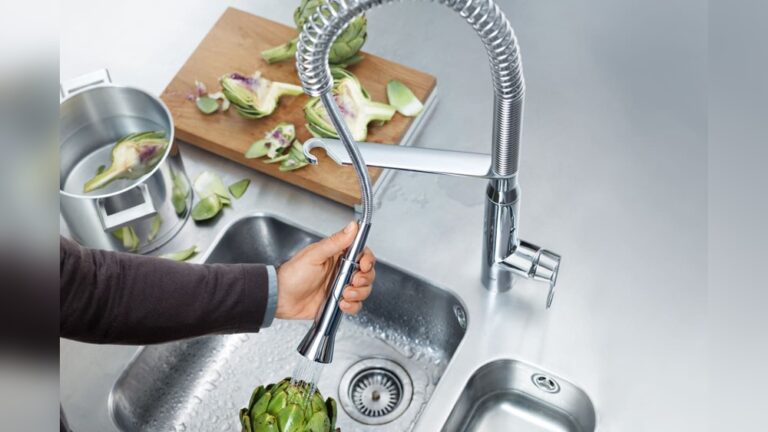
Most standard kitchen sinks are compatible, but these filters do not fit pull-out or handheld spray faucets. If you have a fancy designer faucet, double-check before you buy.
Filter Life And Replacement
Both models use filters that last for about 100 gallons or 2-3 months, depending on your water usage. The Plus filter’s MineralClear® cartridge may last a little longer if your water is not heavily contaminated.
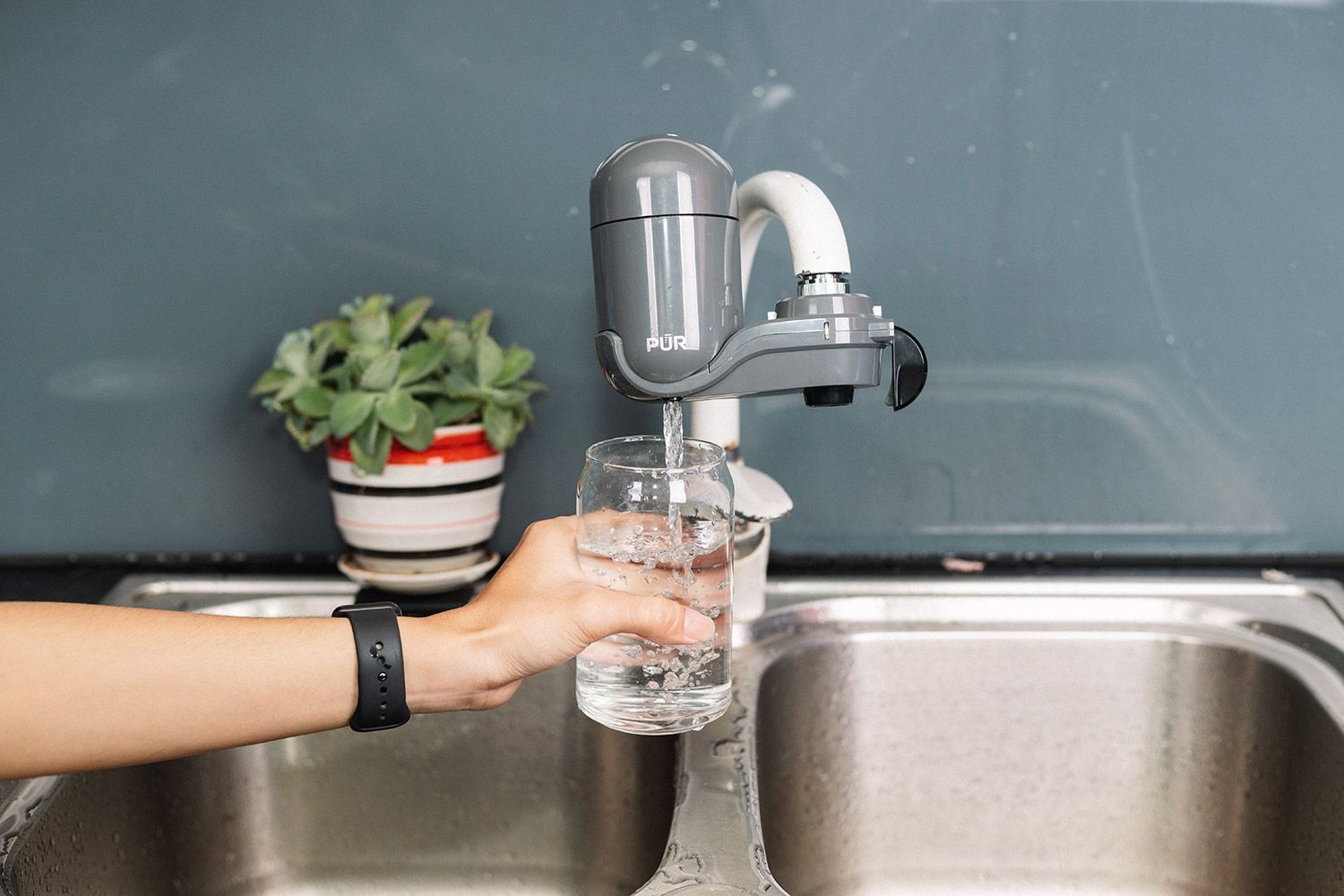
- When the indicator light (or manual dial) says it’s time, simply open the filter housing, pull out the old cartridge, and insert the new one.
- Replacement filters are widely available online and in stores.
- For best results, change the filter on time. An old filter can actually leak contaminants back into your water.
Many beginners forget to reset the filter indicator after changing the cartridge. Always check the manual so you don’t miss your next replacement.
Design, Size, And Appearance
The basic PUR filter is usually white or simple chrome. It’s a little bulkier and may look “plastic” on modern sinks. The Plus model comes in more finishes—like stainless steel, black, or premium chrome—so it blends better with high-end kitchens.
Both are compact enough to fit beside most sinks, but if you have a small or crowded sink area, the Plus model’s sleeker body may be less noticeable.
Taste And Water Flow
Taste is where many people notice a difference. The regular PUR filter removes chlorine and odors, but the Plus model uses MineralClear® technology. This means it adds natural minerals (like calcium or magnesium) back into the water, giving it a fresher, crisper taste.
- Some users say the Plus model’s water is “like bottled water.”
- Others with very hard water (lots of minerals already) may not notice a big change.
Both filters can slightly slow down your water flow. This is normal—the filter needs time to remove contaminants. If your water pressure is very low to begin with, any faucet filter will make it a bit slower.
Price And Ongoing Costs
The regular PUR Faucet Filter is usually more affordable—both for the starter kit and replacement filters. The Plus model costs about 10–25% more, but you may find deals online.
- A basic PUR filter kit costs around $25–$35.
- The Plus model usually costs $35–$45.
- Replacement cartridges cost $7–$12 each (multi-packs are cheaper).
Over a year, the difference is not huge, but it adds up. If you’re on a tight budget or filtering water in a rental, the regular model makes sense. For families who value taste and extra filtration, the Plus model may be worth the extra cost.
Practical Performance: Real-world Use
It’s easy to compare specs, but what about daily life? Here are some real-world insights:
- Both filters are reliable for daily use and survive thousands of on/off cycles.
- The Plus model’s LED indicator is helpful if you forget to replace filters.
- If you have very old pipes or water that smells strongly of chlorine, the Plus model does a better job improving taste.
- Both models can sometimes drip or leak if not installed tightly. Always check for leaks after installation.
- The filter housing can get in the way if you wash large pots or pans under a small sink.
Many people new to faucet filters don’t know that first-time use may make the water look cloudy or bubbly. This is normal and goes away after a few minutes.
Environmental Impact
Both filters help you reduce plastic waste by replacing hundreds of single-use water bottles each year. The cartridges themselves are not recyclable in regular bins, but some stores or recycling programs accept them.
- PUR claims each filter replaces up to 750 plastic water bottles.
- Using faucet filters is a smart way to cut costs and help the environment.
If you care about reducing your carbon footprint, either filter is a better choice than bottled water.
Common Problems And Troubleshooting
While both filters are high quality, users sometimes face small issues:
- Leaks: Usually caused by a loose connection or missing washer. Remove and reinstall carefully.
- Slow water flow: May mean your filter is clogged or needs replacement.
- Indicator light not working: Sometimes the battery is dead, or the indicator needs to be reset after changing the filter.
- Won’t fit faucet: Not all faucets are compatible, especially pull-out or handheld styles.
A non-obvious tip: If you have very hard water, your filter may clog faster. Consider soaking the filter in clean water for 15 minutes before first use—this can extend its life and help flow.
Who Should Choose Each Model?
Choosing between PUR and PUR Plus depends on your priorities:
- Choose PUR Faucet Filter if you want a basic, affordable filter for everyday use. It’s perfect for renters, students, or small families.
- Choose PUR Plus Faucet Filter if taste, advanced filtration, or modern appearance matters to you. It’s best for families, homes with old pipes, or anyone who wants the “best” water at the tap.
If you have children, elderly family, or live in an area with water advisories, the Plus model’s extra lead removal is a smart investment.
Non-obvious Insights Most Buyers Miss
Here are two key things many beginners overlook:
- Filter certifications matter more than marketing claims. Always check for NSF/ANSI certification. Some “off-brand” filters claim to remove lead or pharmaceuticals but are not independently tested.
- Water quality varies by location. If your city water is already low in contaminants, a basic PUR filter may be enough. If your area has old pipes, or you get water from a well, the extra power of PUR Plus makes a real difference.
How Pur Faucet Filters Compare To Other Brands
It helps to see how PUR stacks up against other popular brands like Brita or ZeroWater.
| Brand | Model | Contaminants Removed | Certifications | Price Range |
|---|---|---|---|---|
| PUR | PUR Plus Faucet Filter | 70+ (including lead, pharmaceuticals) | NSF 42, 53, 401 | $35-$45 |
| Brita | Complete Faucet Filter | 60+ (lead, chlorine, some pesticides) | NSF 42, 53 | $30-$40 |
| ZeroWater | Faucet Filter | 20+ (mainly chlorine, taste, odor) | NSF 42 | $30-$40 |
PUR filters generally remove more types of contaminants and offer more advanced technology than basic models from other brands.
Maintenance Tips For Long Filter Life
To get the most out of your filter:
- Always flush the filter for five minutes before first use.
- Change the cartridge as soon as the indicator alerts you.
- Clean the filter housing with mild soap every time you replace the cartridge.
- Avoid using hot water through the filter—this can damage the filter media.
- Store spare cartridges in a cool, dry place.
A little maintenance ensures your filter keeps working at full strength and your water stays clean.
Credit: www.pur.com
Where To Buy And What To Look For
You can buy both PUR and PUR Plus filters at major retailers, home improvement stores, and online. To avoid counterfeit or expired filters, buy from trusted sources. Look for:
- Sealed packaging
- NSF/ANSI certification logos
- Clear instructions and warranty information
If you’re still unsure which model to buy, visit the official PUR website for more details and product registration.
Frequently Asked Questions
What’s The Main Difference Between Pur And Pur Plus Faucet Filters?
The main difference is that the PUR Plus Faucet Filter uses MineralClear® technology. It adds minerals for better taste and removes more contaminants, especially lead and pharmaceuticals. The regular PUR filter is still effective but does not improve taste as much.
How Often Should I Replace The Filter Cartridge?
Both PUR and PUR Plus filters need a new cartridge every 2-3 months or after about 100 gallons of water. If your water use is high or your water is very dirty, you may need to change it more often.
Credit: shouldit.com
Do Pur Faucet Filters Fit All Types Of Faucets?
No. They fit most standard kitchen faucets but do not fit pull-out, handheld, or specialty faucets. Always check your faucet type before buying to make sure the filter will work.
Is The Filtered Water Safe For Babies And Pets?
Yes, filtered water from either PUR model is generally safe for babies, children, and pets. It removes chlorine, lead, and other harmful substances. However, always check with your doctor if your baby has special health needs.
What Should I Do If The Filter Slows Down Or Stops Working?
If water flow slows, first check if the filter is old and needs replacing. If it’s new, remove and reinstall the filter, making sure all connections are tight. Flush the cartridge for a few minutes. If problems continue, contact PUR customer service for help.
Choosing the right faucet filter is a smart way to protect your family and enjoy better-tasting water every day. Now that you know the real differences between PUR and PUR Plus, you can make a confident, informed decision for your home.