Do Touchless Faucets Need Electricity? Essential Facts Explained
Touchless faucets are becoming a common sight in homes, restaurants, airports, and offices. Their promise is simple: wave your hand, and water starts flowing without touching the handle. This magic is not just about convenience—it’s about hygiene, saving water, and sometimes even style. But a question often comes up for anyone considering one of these modern fixtures: Do touchless faucets need electricity? The answer is more interesting than most people expect. Understanding what powers these faucets, how they work, and what options are available can help you make the best choice for your kitchen or bathroom.
How Touchless Faucets Work
At first glance, a touchless faucet looks similar to a regular one. But inside, it’s a different story. The secret is a combination of sensors, control box, and a power source. When you move your hand in front of the sensor, the faucet detects this motion and sends a signal to open the valve. Water flows out until your hand moves away, at which point the valve closes.
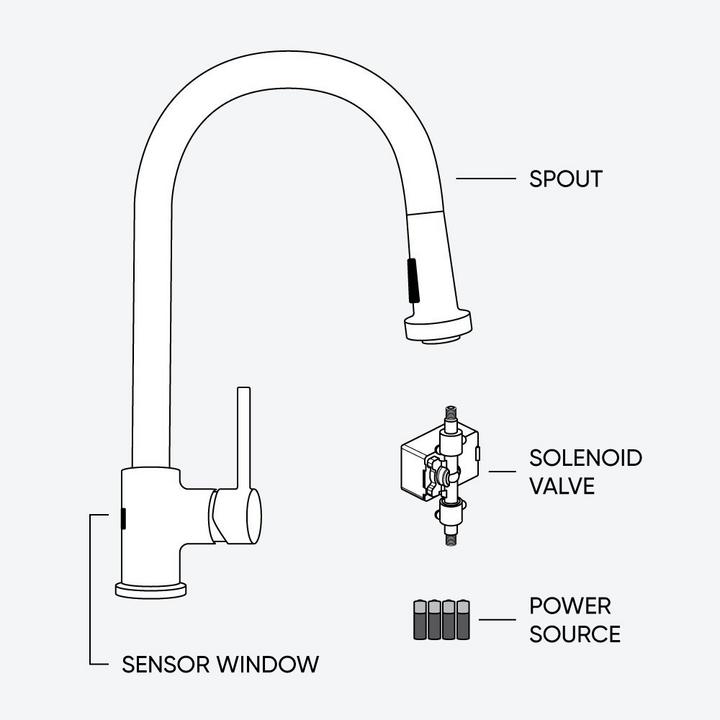
There are a few key parts that make this work:
- Infrared or motion sensor: Detects movement.
- Solenoid valve: Controls water flow, opening and closing based on signals from the sensor.
- Control box: Processes the signal and manages the faucet’s operations.
- Power source: Supplies energy to the sensor and solenoid.
Without power, the sensor and valve won’t work, and the faucet becomes just a regular tap—sometimes not even that.
Do Touchless Faucets Need Electricity?
The short answer is: Yes, most touchless faucets need electricity to operate. The sensors and solenoid require a small but steady source of power. However, this electricity doesn’t always have to come from your home’s main electrical wiring. There are two main ways these faucets get their power:
- Battery-powered
- Hardwired to the electrical system
Let’s look at each type in detail and see how they compare.
Battery-powered Touchless Faucets
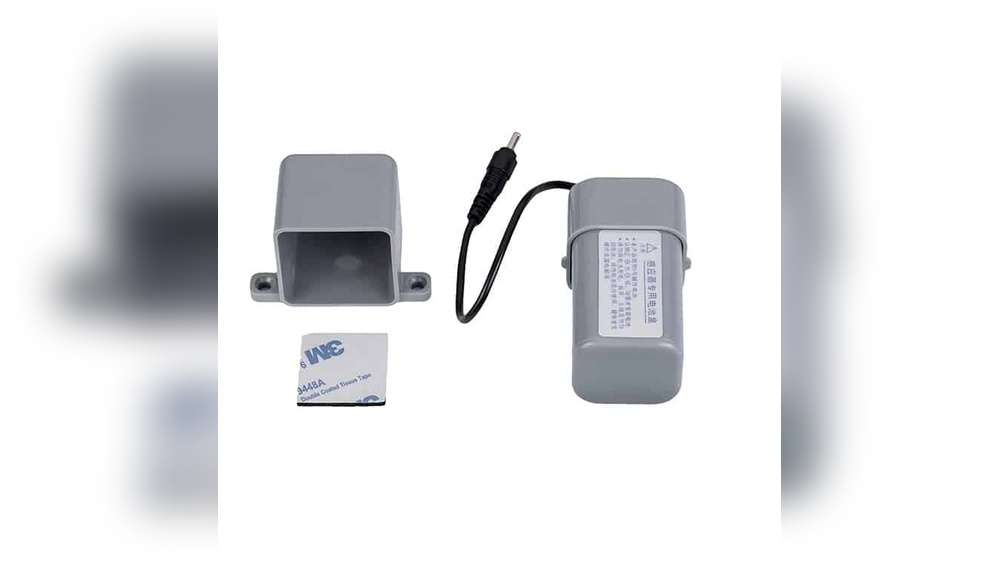
Many home touchless faucets use batteries. This is the most common option, especially for residential kitchens and bathrooms. The batteries are often placed in a compartment under the sink, making them easy to change.
Common battery types:
- AA or AAA alkaline batteries (usually 4 or 6 at a time)
- 9V batteries (less common, but used in some models)
- Lithium packs (for longer life)
A typical set of alkaline batteries can last anywhere from 6 months to 2 years, depending on how often the faucet is used and the type of battery. Some high-efficiency models can go even longer.
Advantages Of Battery Power
- Simple installation: No need to connect to the house’s wiring.
- No electrician needed: Most homeowners can install these themselves.
- Portability: Can be used even where there’s no nearby power outlet.
- Safety: No risk of electrical shock during installation.
Disadvantages Of Battery Power
- Battery replacement: You’ll need to change batteries occasionally.
- Battery cost: Over time, battery costs can add up, especially in high-traffic areas.
- Reduced performance: Low batteries may cause delayed or weaker sensor response.
Non-obvious insight: Some users forget about battery changes until the faucet stops working. It’s smart to mark a calendar or set a reminder. Also, using cheap or low-quality batteries can cause leaks or corrosion, damaging the faucet’s control box.
Hardwired Touchless Faucets
Hardwired touchless faucets get power directly from your home’s electrical system. These are common in public restrooms, commercial kitchens, or high-end home installations. A transformer, usually installed under the sink, converts the voltage to a safe, low-voltage current for the faucet.
Advantages Of Hardwired Power
- No battery changes: Once installed, power is continuous.
- Consistent performance: Sensor and valve always have full power.
- Good for high use: Best for busy bathrooms or kitchens.
Disadvantages Of Hardwired Power
- Complex installation: Requires access to wiring and sometimes a licensed electrician.
- Less flexibility: Harder to relocate or replace.
- Power outage risk: Faucet won’t work during a blackout unless it has battery backup.
Non-obvious insight: Some hardwired faucets include a battery backup. This lets them work during short power outages. Not all models have this feature, so check before buying.
Solar-assisted Touchless Faucets
A small but growing number of touchless faucets use solar panels as a supplemental power source. These are more common in commercial settings. The solar cell, usually on top of the faucet, charges an internal battery or powers the unit directly when there’s enough light.
How Solar Power Helps
- Reduces battery changes: Sunlight keeps the internal battery charged.
- Saves energy: Uses free, renewable power.
- Eco-friendly: Reduces overall carbon footprint.
Solar power alone is rarely enough to run the faucet 24/7, so most models still require batteries as a backup. Still, in sunny areas, solar assistance can double or triple battery life.
Example: Some high-traffic airport restrooms use solar-assisted faucets, saving maintenance time and energy costs.
Comparison: Battery Vs. Hardwired Vs. Solar-assisted
Here’s a quick look at how these power options compare:
| Power Type | Installation | Maintenance | Reliability | Best For |
|---|---|---|---|---|
| Battery | Easy | Battery changes | Good if checked | Homes, small offices |
| Hardwired | Medium to hard | Low | Very high | Commercial, high-traffic |
| Solar-Assisted | Easy to medium | Rare battery changes | High (with light) | Public, eco-focused |
Why Do Touchless Faucets Need Electricity?
It might seem strange that a faucet—a simple device for water—needs power. But the sensor, solenoid valve, and control box are all small electronic parts. The sensor watches for movement, the control box processes signals, and the solenoid valve opens or closes the water flow. Each of these needs a small but steady electrical current.
Without electricity:
- The sensor can’t detect your hand.
- The control box can’t send commands.
- The solenoid valve stays shut, blocking water.
That’s why, if the power source fails (dead batteries, unplugged transformer, etc. ), most touchless faucets stop working completely. Some models have a manual override, but many do not.
Manual Override: Can You Use A Touchless Faucet Without Power?
Some higher-end touchless faucets include a manual override feature. This lets you use the faucet like a standard one if the power fails. The override is usually a small lever or knob under the sink, or sometimes a hidden handle on the faucet itself.
Manual override is not standard—many home models do not have it. If you want this feature, check the specs before you buy.
Tip: For a kitchen sink, a manual override can be very helpful. For bathroom sinks, it’s less critical but still useful if you have frequent power issues.
Credit: www.signaturehardware.com
What Happens To Touchless Faucets During A Power Outage?
Here’s what you can expect:
- Battery-powered: If batteries are good, nothing changes. If batteries are dead, the faucet won’t work.
- Hardwired: Most will not work unless there’s a battery backup or manual override.
- Solar-assisted: If there’s enough light, it may keep working for a while. Otherwise, it relies on the backup battery.
If you live in an area with frequent power outages, battery-powered or battery-backup models are safest.
Energy Use: How Much Electricity Do They Use?
Touchless faucets are low-power devices. The sensor and solenoid use only a few milliwatts when idle, and a bit more when opening/closing. Over a year, a hardwired model typically uses less than 10 kilowatt-hours—about the same as leaving a nightlight on.
Battery life depends on:
- Number of uses per day (public restrooms use more)
- Type of battery
- Sensor sensitivity settings
In a home bathroom, batteries may last a year or more. In a busy restaurant, they might need replacing every few months.
Practical tip: Turn down the sensor sensitivity and set a short shut-off delay to extend battery life.
Maintenance: Keeping Your Touchless Faucet Running
Touchless faucets are low maintenance, but not maintenance-free. Here’s what to watch for:
- Battery checks: Replace batteries before they die. Most faucets give a blinking light or beep as a warning.
- Sensor cleaning: Wipe the sensor with a damp cloth. Dirt or soap can block signals.
- Solenoid valve: If the water flow becomes weak, the valve may need cleaning or replacement.
- Wiring checks: For hardwired models, check the power plug or transformer regularly.
Hidden issue: Corroded battery contacts are a common cause of failures. When changing batteries, check for white or green powder and clean it off.
Are There Touchless Faucets That Don’t Need Electricity?
A few older or special designs use mechanical systems—for example, a foot pedal or water-powered valve. These are rare and usually found in industrial or hospital settings. For nearly all home and public touchless faucets, electricity is required.
Don’t be fooled by “no electricity needed” claims—these usually refer to mechanical, not sensor-based, faucets. True touchless operation (wave to activate) always means electrical power.
Comparing Touchless Vs. Manual Faucets
Why choose a touchless faucet at all? Here’s a side-by-side look:
| Feature | Touchless | Manual |
|---|---|---|
| Hygiene | Very high (no touch) | Lower (touch handle) |
| Water Savings | Up to 70% (auto shutoff) | Varies (can be left running) |
| Power Needed | Yes (batteries/wired) | No |
| Installation | Medium to easy | Easy |
| Maintenance | Battery/wiring checks | None |
Example: In hospitals, touchless faucets help reduce the spread of germs. In homes, they can save water—especially if kids tend to leave the tap running.
Common Mistakes When Choosing A Touchless Faucet
Many buyers make avoidable errors:
- Ignoring power needs: Some install a hardwired model with no easy way to connect power.
- Buying the wrong battery type: Not all faucets use AA or AAA. Always check before buying replacements.
- Overlooking manual override: If you want backup in a power cut, choose a model with this feature.
- Not checking sensor range: Some sensors trigger too easily, wasting water. Others are too insensitive.
- Forgetting maintenance: Battery and sensor checks should be part of regular cleaning.
Helpful tip: Read the manual. It often includes tricks for adjusting sensor sensitivity and battery life.
Credit: www.tap-sensor.com
Who Should Choose Battery Vs. Hardwired?
Choose battery-powered if:
- You want easy DIY installation.
- Your sink is far from an outlet.
- You don’t use the faucet extremely often.
Choose hardwired if:
- The faucet will see heavy daily use (public, commercial).
- You want to avoid battery changes.
- You can access a nearby power source.
Choose solar-assisted if:
- The faucet is in a well-lit area.
- You want to maximize battery life and eco-friendliness.
Myths And Misunderstandings About Touchless Faucet Power
Myth 1: “Touchless faucets use a lot of electricity.”
- In reality, they use less power per year than a small LED nightlight.
Myth 2: “All touchless faucets stop working if the power goes out.”
- Some have battery backup or manual override, but most do stop if their power source fails.
Myth 3: “You can install any touchless faucet anywhere.”
- Not true. Some require access to power, others need space for battery packs.
Myth 4: “Touchless faucets are only for public bathrooms.”
- Many modern designs are stylish for home kitchens and bathrooms.
Myth 5: “Batteries need changing every few weeks.”
- Good models last 6 months to 2 years per battery set in normal use.
Real-world Examples
Case 1: A family installs a battery-powered touchless faucet in their kitchen. With two children and frequent cooking, they change batteries every 9 months. The sensor sometimes gets blocked by flour or soap, so they wipe it weekly.
Case 2: A restaurant uses hardwired touchless faucets in restrooms. They never need to worry about batteries, and the faucets help keep the space cleaner. During a power outage, backup batteries keep the faucets running for 6 hours.
Case 3: A school installs solar-assisted faucets in a sunny handwashing area. Battery life is extended to 18 months, and maintenance is minimal.
Environmental And Cost Considerations
Touchless faucets can save water—up to 70% compared to manual models in some studies. This means lower water bills and less waste. The small amount of electricity they use is usually offset by water savings.
Battery disposal: Used batteries should be recycled, not thrown in the trash. Check local recycling programs.
Upfront cost: Touchless faucets cost more to buy and install than manual ones. Over time, water and energy savings can make up the difference, especially in high-use areas.

Credit: www.annieandoak.com
Are Touchless Faucets Worth It?
For many, the benefits outweigh the downsides:
- Hygiene: No touching, fewer germs.
- Convenience: Easy for all ages and abilities.
- Water savings: Reduces waste.
- Modern look: Stylish designs for any room.
The main challenge is power. As long as you choose the right power option and stay on top of maintenance, touchless faucets are reliable and efficient.
Insider tip: When buying, look for models with both battery and hardwired options. This gives flexibility for the future if your needs change.
Frequently Asked Questions
Why Do Touchless Faucets Need Batteries Or Electricity?
The sensor and solenoid valve are electronic parts. They need power to detect your hand and turn the water on and off. Without electricity, the faucet can’t work automatically.
How Long Do Batteries Last In A Touchless Faucet?
In a typical home, batteries last 6 months to 2 years. How often you use the faucet, the type of battery, and sensor settings all affect battery life. High-traffic areas will use batteries faster.
Can A Touchless Faucet Work If The Power Goes Out?
Battery-powered models keep working as long as batteries are good. Hardwired faucets usually stop unless they have a battery backup or manual override. Always check your model’s features.
Is It Difficult To Install A Touchless Faucet?
Battery-powered models are usually DIY-friendly. Hardwired versions may need an electrician. Always follow the instructions, and check that you have space for batteries or wiring.
Are There Any Touchless Faucets That Do Not Need Electricity?
Nearly all sensor-activated touchless faucets need electricity. Some rare mechanical models use foot pedals or water pressure, but they are not truly “touchless.” For most homes and businesses, some form of electrical power is required.
For more details on the science behind sensors, see this Wikipedia page on sensors.
Touchless faucets are a smart upgrade for hygiene and convenience, but knowing how they’re powered is key. With the right choice, you’ll enjoy years of clean, hands-free water—no surprises when it comes to power.