Low Flow Faucet Vs Standard Faucet: Which Saves More Water?
Low Flow Faucet vs Standard Faucet: Which Is Right for You?
Water is precious. Every drop counts, not just for the environment, but also for your monthly bills. When you turn on the tap in your kitchen or bathroom, do you ever wonder how much water flows out? The answer depends a lot on the type of faucet you have. For many people, the choice comes down to two types: low flow faucets and standard faucets. Each type has its own strengths and weaknesses, and the best choice depends on your needs, habits, and even your local water supply.
If you are thinking about replacing a faucet or building a new home, it is important to understand the differences. Knowing these details can help you save money, reduce waste, and even improve your daily experience at the sink. In this article, you will learn what sets low flow and standard faucets apart, how they work, their pros and cons, and which type might be the better fit for your home.
We will also look at costs, installation, maintenance, and answer some of the most common questions people have when making this decision.
Understanding Low Flow Faucets
Low flow faucets are designed with one main goal: to reduce water usage without sacrificing performance. The term “low flow” usually means that a faucet allows less water to pass through per minute compared to a standard faucet.
Most standard bathroom faucets deliver 2.2 gallons per minute (GPM) or more. In contrast, low flow faucets have a maximum flow rate of 1.5 GPM, sometimes even as low as 1.0 GPM. The difference may seem small, but over time, it adds up to a lot of water saved.
How Low Flow Faucets Work
Low flow faucets use several smart designs to keep water usage low:
- Aerators: These mix air with water, creating a steady stream that feels strong but uses less water.
- Flow restrictors: These limit how much water comes out, even if the tap is fully open.
- Advanced valves: Some models use special valves that adjust water flow based on pressure.
You might think less water means weaker flow, but a good low flow faucet often feels just as effective as a standard model because of these technologies.
Key Benefits Of Low Flow Faucets
- Water Conservation: The main reason people choose low flow faucets is to use less water. For a typical family, switching can save thousands of gallons per year.
- Lower Utility Bills: Using less water means lower water bills. In some areas, it also reduces energy costs, since less hot water is used.
- Environmental Impact: Conserving water helps protect rivers, lakes, and reservoirs. It also means less energy is used for water treatment and delivery.
- Modern Design: Many low flow faucets come in stylish designs, matching modern kitchens and bathrooms.
Are There Downsides?
No faucet is perfect for everyone. Some people notice a drop in water pressure, especially in older homes with weak plumbing. Filling a sink or pot may take longer. However, in most cases, these issues are minor or can be solved by choosing a high-quality low flow model.
What Is A Standard Faucet?
A standard faucet is what most people have in homes built before 1995. These faucets typically allow water to flow at 2.2 GPM or more, sometimes up to 3 GPM. They provide a strong, steady stream with no restrictions.
Why Are Standard Faucets Still Used?
Some people prefer the full, powerful stream for washing hands, rinsing dishes, or filling pots quickly. Standard faucets are easy to find and are often cheaper than specialty models.
Common Features
- Simple design: No extra technology or flow limiters.
- Consistent water pressure: Delivers water at the pressure supplied by your plumbing.
- Wide variety: Many designs and finishes are available.
However, this traditional design comes with a price: higher water usage and, often, higher bills.
Direct Comparison: Low Flow Vs Standard Faucets
Let’s see how these two faucet types measure up in real-world use. The following table compares key features side by side.
| Feature | Low Flow Faucet | Standard Faucet |
|---|---|---|
| Average Flow Rate | 1.0–1.5 GPM | 2.2+ GPM |
| Water Use (per year, per person) | Approx. 5,500 gallons | Approx. 9,000 gallons |
| Monthly Water Bill | Lower | Higher |
| Pressure | Moderate | Strong |
| Installation Cost | Moderate | Low to moderate |
| Maintenance | Low | Low |
| Eco-Friendly | Yes | No |
| Availability | Growing | Widespread |
Real-world Example
Suppose you have a family of four. If each person uses the bathroom faucet for five minutes a day, over a year, a standard faucet could use over 13,000 gallons more than a low flow model. That extra water increases your bills and adds up over time.
Performance: Water Flow And Pressure
One of the biggest questions people have is about performance. Will a low flow faucet feel weak? Will it be annoying to use?
Water Pressure In Daily Use
- Low flow faucets use aerators and pressure-compensating valves to make the stream feel strong, even with less water. For most activities, like handwashing or brushing teeth, the difference is almost unnoticeable.
- Standard faucets deliver the full pressure of your home’s plumbing. Filling a large pot or bucket is faster.
What About Filling And Rinsing?
If you often fill large containers, a standard faucet is faster. For tasks like rinsing vegetables or washing hands, a low flow faucet is usually just as effective.
Non-obvious Insight
Some low flow faucets are designed for high-pressure homes and can actually feel more powerful than old, clogged standard faucets. Also, if your home has very low water pressure already, installing a low flow faucet may not give the best results unless you choose one made for low-pressure situations.
Water And Energy Savings: The Numbers
Switching to a low flow faucet can save a surprising amount of water and money. According to the U.S. Environmental Protection Agency (EPA), replacing just one old faucet with a WaterSense-labeled model can save up to 700 gallons per year.
Breakdown Of Potential Savings
- For a family of four:
- Standard faucet (2.2 GPM): ~13,000 gallons/year
- Low flow faucet (1.5 GPM): ~8,800 gallons/year
- Savings: Over 4,000 gallons each year
- Hot water savings: Because many tasks use hot water, you also save on energy needed to heat water. This can reduce your gas or electric bill.
Real Cost Impact
If your water costs $0. 01 per gallon, you could save $40 per year for just one faucet. Add in energy savings, and the numbers grow. Over several years, the savings often pay for the cost of a new faucet.
Another Non-obvious Benefit
In some cities, using less water can help avoid sewer surcharges. Many water utilities base wastewater charges on water use, so reducing water helps cut these costs too.
Environmental Impact
Using less water is not just good for your wallet. It also matters for the planet.
How Faucet Choice Affects The Environment
- Less water withdrawal: Using less water eases pressure on local rivers and lakes.
- Lower energy use: Treating and delivering water takes energy. Reducing use means less pollution from power plants.
- Supporting sustainability: Many cities are facing water shortages. Using low flow faucets is a simple way to help.
Switching just one faucet may seem small, but when millions of homes make the change, the impact is huge.
Cost: Purchase, Installation, And Maintenance
When deciding between a low flow faucet and a standard faucet, cost is a major factor. Let’s break down the expenses you may face.
Purchase Price
- Standard faucets are often cheaper up front, with prices starting as low as $20 for basic models.
- Low flow faucets usually cost $30–$80 for good models, though luxury designs can be much more.
Installation
Both types install the same way. If you are handy, you might install it yourself. If you hire a plumber, expect to pay $75–$150 for labor.
Maintenance
- Both types are easy to maintain. Cleaning the aerator every few months is usually enough.
- Low flow faucets may need more frequent cleaning if you have hard water, as minerals can clog the small holes in the aerator.
Long-term Value
A low flow faucet usually pays for itself in 1–2 years through lower bills. Over five or ten years, the savings really add up.
Aesthetic And Design Options
Some people worry that water-saving faucets look odd or are hard to match with their decor. This was true years ago, but not today.
Design Variety
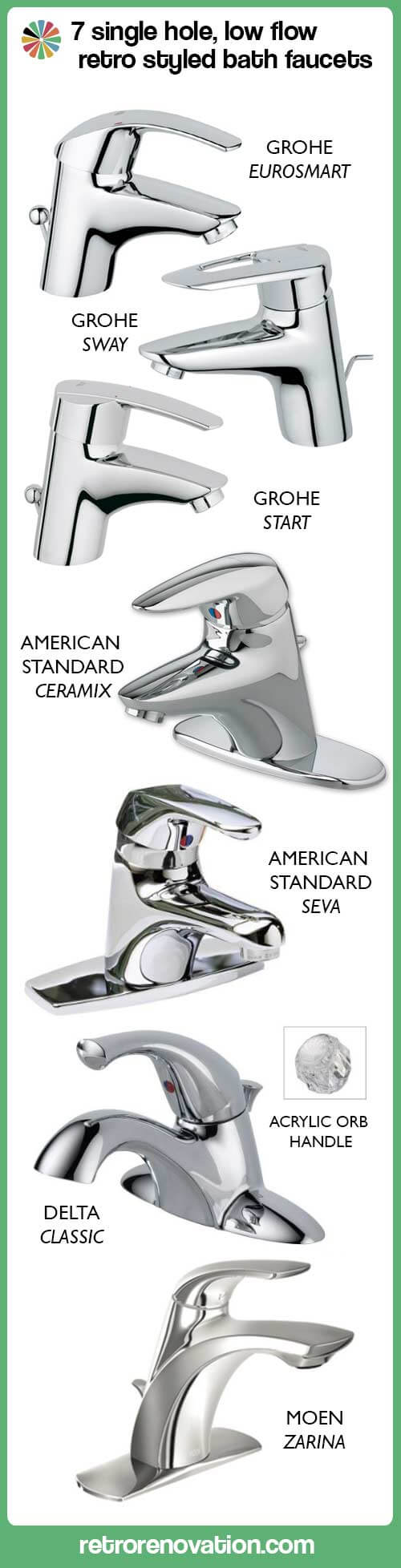
- Low flow faucets now come in every style: Modern, classic, industrial, and more.
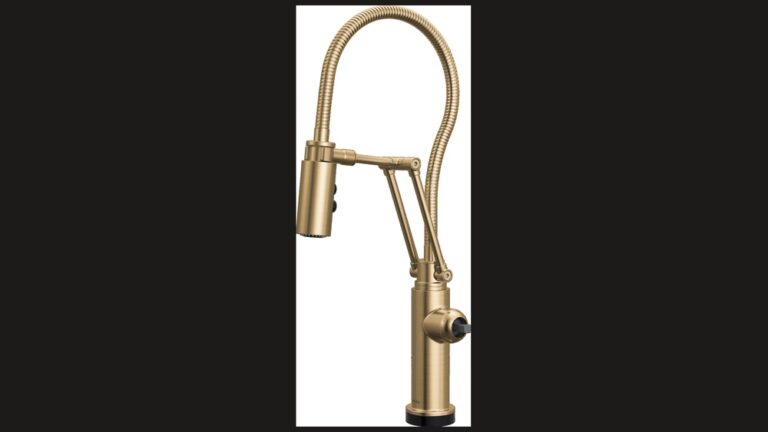
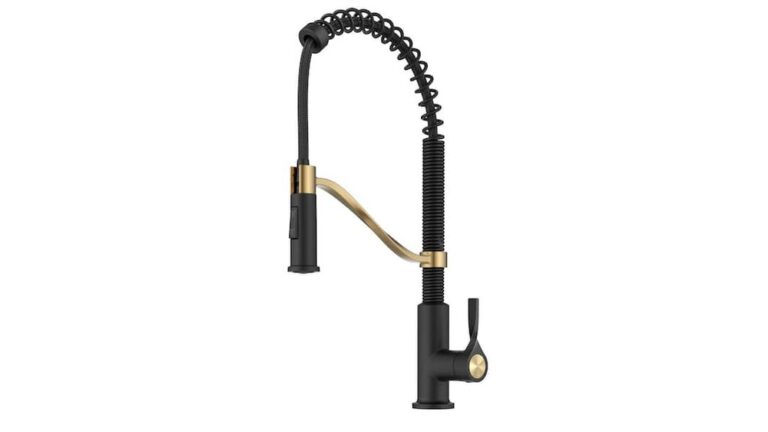
- Finishes: Chrome, brushed nickel, bronze, black, and even gold are available.
- Types: Single-handle, double-handle, pull-out, and touchless models.
Matching Your Space
You can almost always find a low flow model that matches your bathroom or kitchen. Some brands even offer matching sets for sinks, tubs, and showers.
Credit: www.bobvila.com
Installation: What To Expect
Changing a faucet is a common DIY project, but some people prefer to call a plumber.
Steps For Installing A Faucet
- Turn off the water supply under the sink.
- Remove the old faucet by loosening the nuts and disconnecting the supply lines.
- Clean the sink surface.
- Position the new faucet and connect the water lines.
- Tighten all connections and check for leaks.
- Turn the water supply back on and test the faucet.
Tips For Smooth Installation
- Use plumber’s tape on threaded connections to avoid leaks.
- If your old faucet is rusted or stuck, use a penetrating oil.
- For low flow faucets, be sure to install the aerator and restrictor as instructed.
Professional Help
If you are not comfortable with plumbing, a licensed plumber can install any faucet quickly.
Maintenance And Troubleshooting
Both low flow and standard faucets are easy to care for, but a few simple habits can make them last longer.
Regular Cleaning
- Wipe the faucet with a damp cloth to remove mineral buildup.
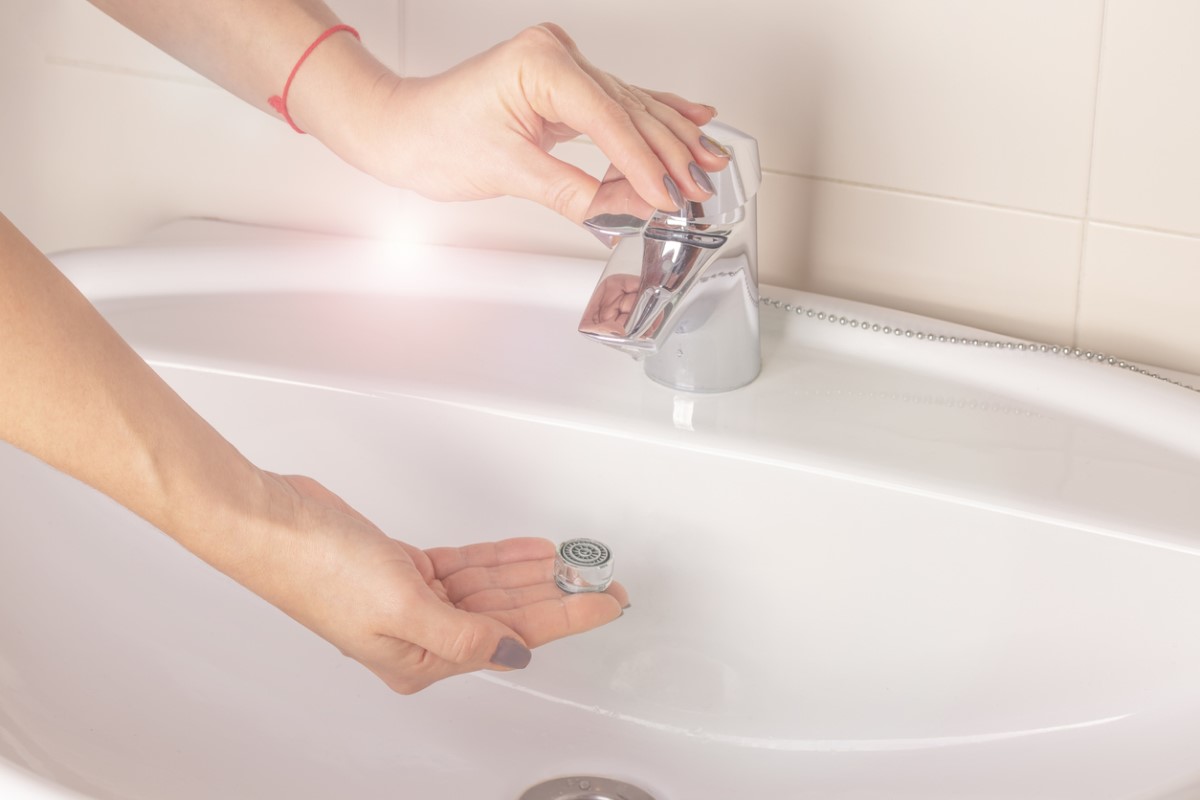
- Clean the aerator every few months. Unscrew it, rinse out debris, and replace it.
- If you have hard water, soak the aerator in vinegar to dissolve minerals.
Common Issues
- Reduced flow: Often caused by a clogged aerator. Clean it first.
- Leaks: Usually from worn washers or loose connections. Tighten or replace parts as needed.
- Noisy faucet: Sometimes caused by high water pressure. Try reducing the pressure or check for loose parts.
Special Note For Low Flow Faucets
Some people notice a whistling or hissing sound. This usually means the aerator is clogged or installed incorrectly. Cleaning or reseating it usually fixes the problem.

Credit: www.alwaysplumbing.ca
Regulations And Certifications
In many places, water-saving fixtures are not just a choice—they are required by law.
U.s. And International Standards
- EPA WaterSense: In the U.S., faucets with the WaterSense label meet strict water-saving standards (max 1.5 GPM). Many states require WaterSense-certified faucets in new homes.
- California Energy Commission (CEC): California requires even lower flow rates (max 1.2 GPM).
- International: Many countries have similar regulations, with flow rates between 1.0–1.5 GPM for new faucets.
Why Certification Matters
Certified faucets are tested for both water savings and performance. This ensures you get a faucet that works well while saving water.
When To Choose Low Flow Or Standard Faucets
There is no one-size-fits-all answer. Here are some situations to help you decide.
Choose A Low Flow Faucet If:
- You want to save water and money.
- You live in an area with water restrictions or shortages.
- You care about the environment.
- You are building or renovating and must meet new codes.
- You want to future-proof your home.
Choose A Standard Faucet If:
- You have frequent needs for high water flow (large pots, buckets).
- Your home has very low water pressure.
- You do not have water restrictions and prefer a strong flow.
A Hidden Factor
Some people install both types in the same home: low flow in bathrooms, standard in the kitchen. This balances water savings with convenience.
Credit: retrorenovation.com
Myths And Common Misunderstandings
Many people hesitate to buy low flow faucets because of common myths.
Myth 1: Low Flow Means Weak Performance
Modern low flow faucets use technology to keep the stream strong. For most uses, you will not notice a difference.
Myth 2: They Are Expensive
While some models cost more up front, the savings usually make up for it in 1–2 years.
Myth 3: Limited Choices
Today, you can find low flow faucets in every style and finish.
Myth 4: Hard To Maintain
Maintenance is about the same as any other faucet. Aerators just need occasional cleaning.
Latest Trends And Innovations
Faucet technology keeps improving. Some new trends include:
- Touchless faucets: Popular in kitchens and bathrooms, these save even more water by turning off automatically.
- Smart faucets: Some models track water use and even connect to your phone.
- Customizable aerators: Let you adjust the flow for different needs.
Manufacturers are also using more sustainable materials, like lead-free brass and recycled metals.
Key Factors To Consider When Choosing
To make the best choice, keep these points in mind:
- Water pressure in your home: Low flow faucets work best with moderate to high pressure.
- Typical usage: Do you often fill large containers or just wash hands?
- Local regulations: Some places require water-saving fixtures.
- Budget: Consider both purchase price and long-term savings.
- Design preferences: Make sure the faucet fits your style and space.
- Maintenance needs: Check if you are comfortable cleaning aerators.
Practical Tips For Making The Switch
If you are ready to try a low flow faucet, here are some helpful tips:
- Start with a bathroom sink, since most water use there is for quick tasks.
- Choose a faucet with an adjustable aerator if you are worried about pressure.
- If you do not want to replace the whole faucet, you can often install a low flow aerator on your existing tap for a few dollars.
- Look for the WaterSense label or local certification to be sure you are getting a quality product.
A Quick Look At Faucet Flow Rates
Here is a comparison of typical faucet flow rates for different types and uses.
| Faucet Type | Typical Flow Rate (GPM) | Best Use |
|---|---|---|
| Standard Bathroom Faucet | 2.2 | Washing hands, face |
| Low Flow Bathroom Faucet | 1.0–1.5 | Washing hands, face |
| Standard Kitchen Faucet | 2.2–2.5 | Filling pots, rinsing dishes |
| Low Flow Kitchen Faucet | 1.5 | Rinsing, light filling |
| Utility/Laundry Faucet | 2.5–4.0 | Heavy filling, cleaning |
Frequently Asked Questions
What Is The Main Difference Between A Low Flow Faucet And A Standard Faucet?
A low flow faucet is designed to use less water per minute, usually 1.0–1.5 GPM, while a standard faucet allows 2.2 GPM or more. Low flow faucets use aerators and flow restrictors to save water without reducing performance.
Will A Low Flow Faucet Lower My Water Pressure?
Not exactly. A low flow faucet reduces the amount of water coming out, but the stream is often aerated to feel strong. In most cases, you will not notice a big drop in pressure, unless your home already has low water pressure.
Can I Install A Low Flow Aerator On My Current Faucet?
Yes, in many cases you can replace just the aerator (the screen at the tip of the faucet) with a low flow model. This is a cheap and easy way to save water without changing the entire faucet.
Are Low Flow Faucets More Expensive To Maintain?
No, maintenance is similar for both types. The main extra task is to clean the aerator a bit more often, especially if you have hard water.
Where Can I Learn More About Water-efficient Products?
You can find more information and certified products on the official EPA WaterSense website.
Making the right choice between a low flow faucet and a standard faucet can help you save water, money, and support a healthier planet. By understanding the differences and considering your own needs, you can find the best option for your home—one that fits your lifestyle today, and protects resources for tomorrow.