Pull Down Faucet
When you upgrade your kitchen, the faucet is one of the most important choices you make. The faucet is not only for water—it’s something you use every day, sometimes dozens of times. Two of the most popular options are the pull down faucet and the side sprayer. Both let you wash dishes, fill pots, and clean the sink, but they work in very different ways. If you are remodeling, or if your old faucet needs replacing, it’s smart to understand the real differences.
Many people do not realize how much these two types can affect their daily kitchen routine. The right choice can save you time, reduce mess, and even make your kitchen feel more modern. But the wrong choice can lead to leaks, hard-to-reach corners, or even frustration every time you do the dishes. This guide will help you compare pull down faucets vs side sprayers in detail—so you can choose with confidence.
What Is A Pull Down Faucet?
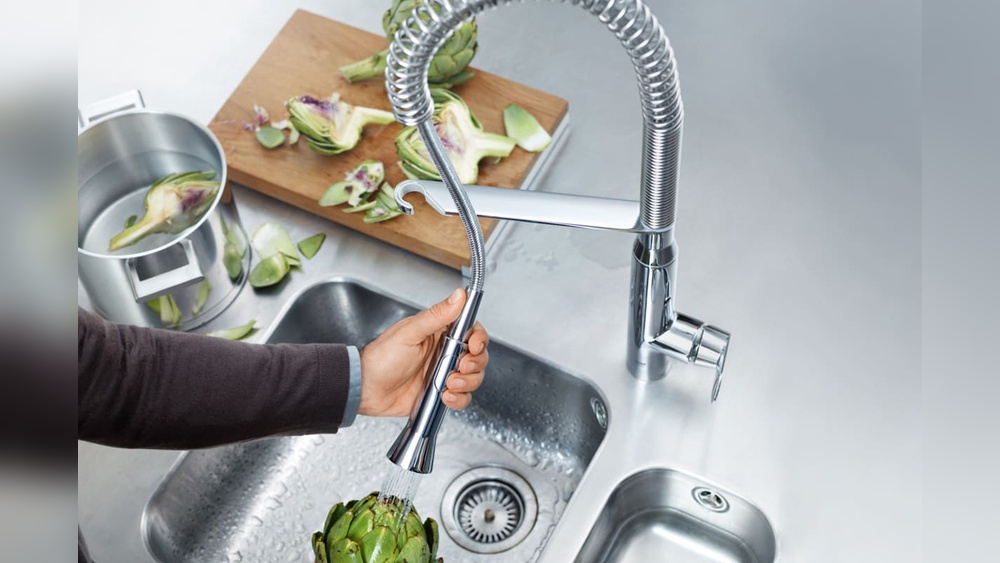
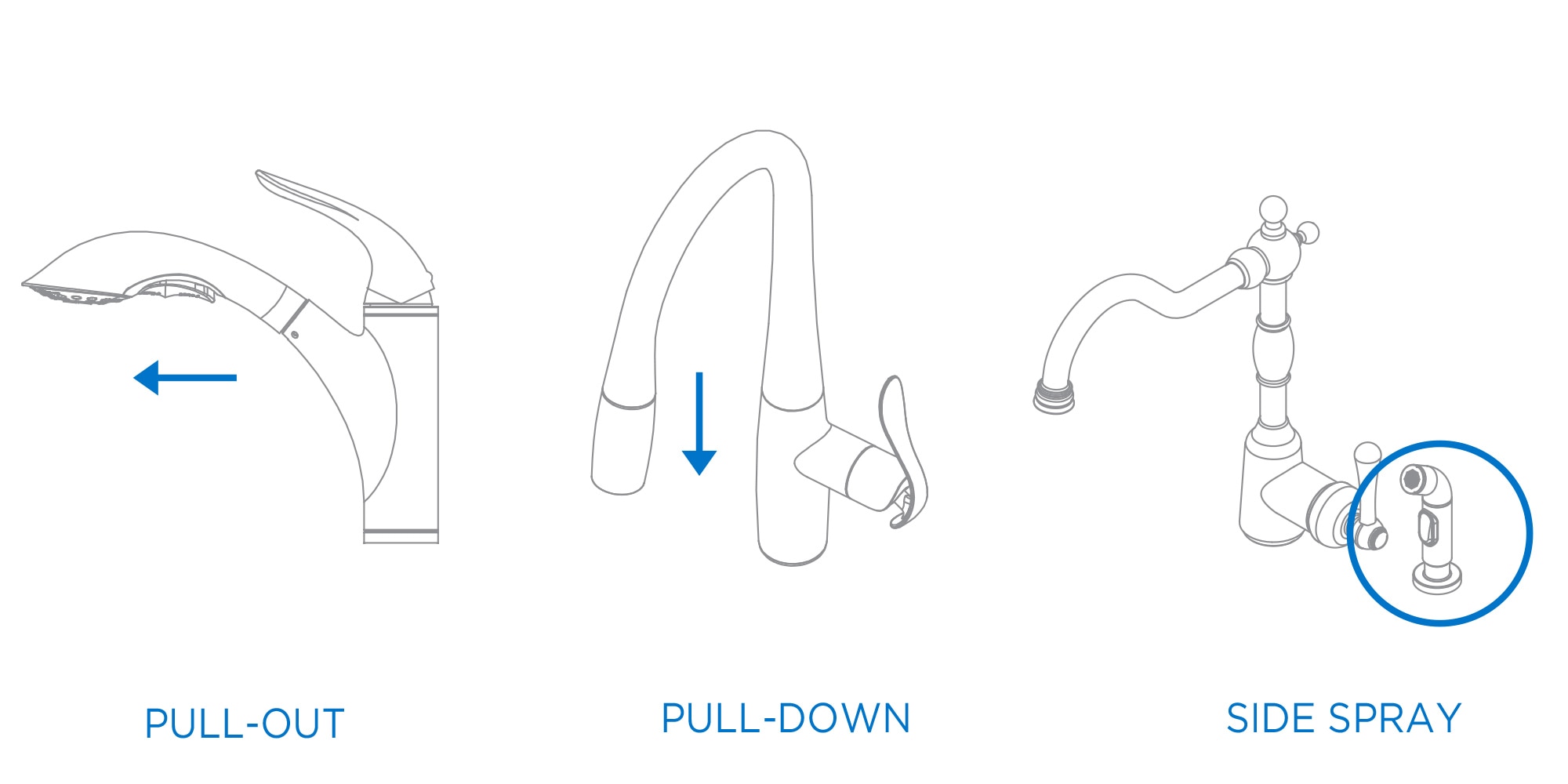
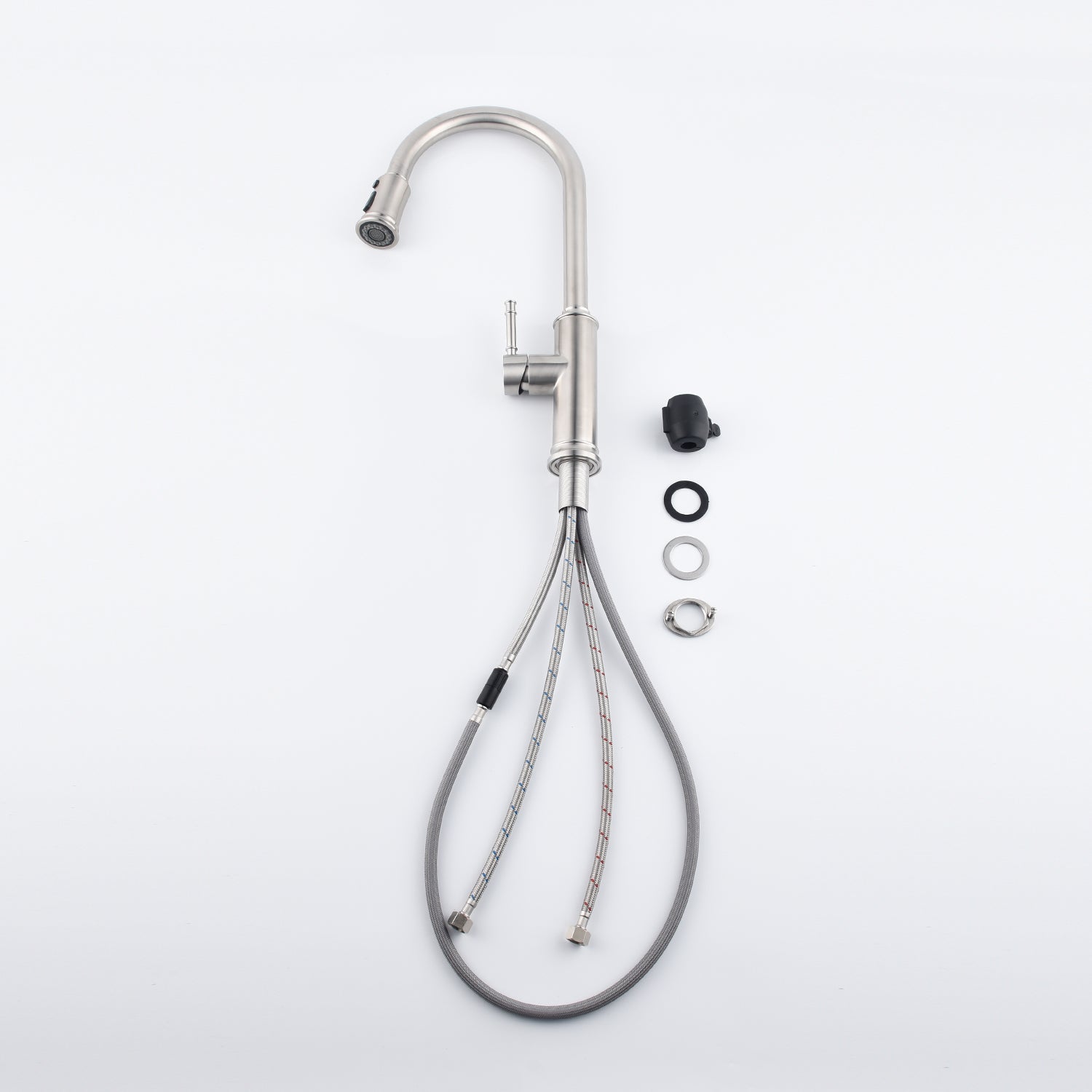
A pull down faucet is a kitchen faucet with a spray head that pulls straight down toward the sink. It combines the faucet and sprayer in one unit. When you need more reach, you grab the spray head and pull it down on a flexible hose. This makes it easy to rinse large pots, clean the sink, or reach every corner. After you finish, the spray head clicks back into place using a magnet or weight.
These faucets are popular in modern kitchens. They save space because you do not need a separate sprayer. You also get a sleek, simple look. Most pull down faucets have a tall, curved neck—sometimes called a “gooseneck”—which gives you more room for filling tall containers.
Some common features include:
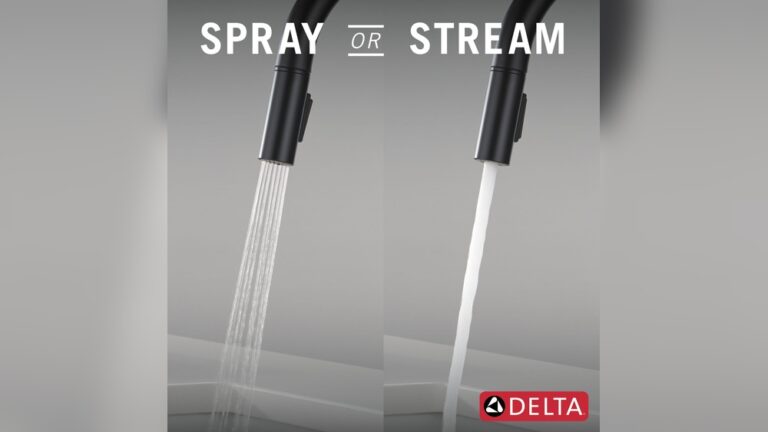
- Spray and stream modes: Switch between a wide spray for rinsing or a steady stream for filling.
- Magnetic docking: Keeps the spray head in place.
- Single handle control: Mix hot and cold water easily.
Pull down faucets are especially good for deep sinks because the hose pulls straight down. If you have a shallow sink, the spray can sometimes splash more, so keep that in mind.
What Is A Side Sprayer?
A side sprayer is a separate spray nozzle mounted on the side of your main faucet. Usually, it sits next to the main faucet and connects by a small hose under the sink. To use it, you hold the sprayer and press a button, which diverts water from the main faucet to the sprayer.
Side sprayers have been around for decades. They are common in older kitchens and basic sink setups. The main faucet stays simple, and the sprayer is a separate tool, often with a plastic or metal finish.
Some features of side sprayers:
- Flexible hose: Reach anywhere in the sink.
- Trigger button: Easy to control water flow.
- Simple design: Works with many types of sinks.
Side sprayers are good if you have a double-bowl sink or if you want a traditional look. They are also easy to replace or repair without touching the main faucet.
How Pull Down Faucets Work
Pull down faucets combine the faucet and sprayer in one. When you want to use the sprayer, you pull the spout down, and a hose extends. Inside, a special hose connects the spray head to the water supply. A weight or magnet makes the hose retract smoothly and keeps the head in place when you finish.
Most pull down faucets use a single handle to control both temperature and flow. Some models also have buttons on the spray head to switch between spray patterns, pause the water, or adjust pressure. Advanced models can even include touch sensors or motion activation.
A key point is that the hose length is usually between 15 and 24 inches. This is enough for most sinks, but not as long as some side sprayer hoses.
How Side Sprayers Work
Side sprayers use a separate hose that runs under the sink. When you press the trigger on the sprayer, water is diverted from the main faucet to the sprayer. This means you cannot use both at the same time—water only comes out of one.
Most side sprayers have a flexible plastic or metal hose, usually 36 inches or longer. This gives you a lot of reach. The sprayer itself is controlled by a button or lever, and the water stops as soon as you let go.
Because the side sprayer is separate, it is easy to replace if it breaks. However, the hose and diverter valve under the sink can wear out over time, which sometimes causes leaks or low water pressure.
Comparing Pull Down Faucets And Side Sprayers
To make the right choice, let’s look at the most important differences. The table below shows a quick comparison.
| Feature | Pull Down Faucet | Side Sprayer |
|---|---|---|
| Design | Modern, single unit | Traditional, separate sprayer |
| Reach | 15–24 inches | Up to 36 inches |
| Installation | One hole needed | Usually two or more holes |
| Space needed | Less | More (extra hole for sprayer) |
| Spray control | On spray head | On separate sprayer |
| Best for | Deep sinks, modern kitchens | Double sinks, traditional setups |
Let’s break down the most important points in more detail.
Installation And Compatibility
Pull down faucets are usually easier to install if you have a single-hole sink. Most new sinks are designed for this type. If your sink has more holes, you can cover the extra ones with a deck plate (often included).
Side sprayers need at least two holes—one for the main faucet, one for the sprayer. If you have a three- or four-hole sink, a side sprayer is often the natural choice. However, installing the hose and diverter can be more complex, especially if you are upgrading from a basic faucet.
Many people do not realize that switching from a side sprayer to a pull down faucet can leave an unused hole in the sink. You may need a soap dispenser or plug to cover it.
Usability And Everyday Experience
The way you use your faucet matters a lot. Pull down faucets put everything in one place. You do not have to reach for a separate sprayer. This is faster and feels more natural, especially if your hands are wet or dirty.
The spray head is always right at the spout.
With a side sprayer, you have to pick up the sprayer, press the trigger, and sometimes deal with a hose that tangles under the sink. However, the longer hose can help reach big pots or clean the sink more deeply.
One non-obvious detail: side sprayers can be harder for children or people with limited grip strength, as the trigger can be stiff. Pull down faucets, on the other hand, are easy for almost anyone to use.
Durability And Maintenance
Pull down faucets have moving parts inside the spray head and the hose. Over time, the hose can wear out or the magnetic docking can weaken. However, most modern pull down faucets are built to last 10 years or more with normal use.
Cleaning the spray head is usually simple—just wipe the rubber nozzles.
Side sprayers have more parts under the sink: the hose, the diverter, and sometimes extra valves. These can wear out, especially if you use the sprayer a lot. Leaks at the base of the sprayer are a common problem. However, replacing a side sprayer is cheap and easy—you do not need to replace the whole faucet.
One thing beginners miss: hard water can clog the spray nozzles on both types, but it is easier to clean the spray head on a pull down faucet than a side sprayer.
Credit: www.gerber-us.com
Water Pressure And Spray Patterns
Pull down faucets often have multiple spray patterns. You can switch from a wide spray for rinsing vegetables to a narrow stream for filling pots. Some even let you pause the water flow with a button.
Side sprayers usually have only one spray pattern—wide spray. The water pressure depends on your faucet’s diverter. If the diverter is old or worn, the sprayer can feel weak.
If you want more control and flexibility, pull down faucets win here. However, side sprayers can sometimes deliver stronger bursts of water if your plumbing is set up well.
Cleaning And Reaching Corners
The main reason people choose a sprayer is to clean every corner of the sink. Pull down faucets are great for deep sinks, but their hose is usually shorter than a side sprayer’s. If you need to reach far corners or clean a double-bowl sink, a side sprayer’s long hose is an advantage.
However, the pull down faucet’s spray head is more maneuverable and does not twist or tangle as easily. For most users, it is enough for daily cleaning and rinsing.
An insight many miss: If your sink is shallow or small, a pull down faucet can cause more splashing. In this case, a side sprayer may actually be less messy.
Credit: toolkiss.com
Style And Kitchen Design
Pull down faucets are seen as modern and stylish. They come in many finishes—chrome, brushed nickel, matte black, and more. The high arc looks elegant and gives you more space for washing.
Side sprayers are more traditional. They match classic kitchen styles and can be found in chrome or white finishes. Some designers feel that side sprayers make a kitchen look dated, but others like their “retro” charm.
If you want your kitchen to look up-to-date, a pull down faucet is usually the best choice. But if you love vintage or farmhouse design, a side sprayer might fit better.
Cost And Value
Pull down faucets tend to cost more. A basic model starts around $80, but high-quality brands like Moen or Delta can cost $200–$500 or more, especially with extra features.
Side sprayers are cheaper. Replacing just the sprayer can cost as little as $20–$50. A faucet with a side sprayer usually costs $60–$150 for a good model.
However, the cost of installation can add up, especially if you need a plumber to change your sink or drill new holes. Over time, a pull down faucet may save money because it is less likely to leak or break.
Common Problems And Solutions
Both types have their own issues. Knowing these in advance can help you avoid headaches.
Pull down faucet problems:
- Hose leaks or kinks
- Weak magnetic docking after years of use
- Spray head drips after shutting off
Side sprayer problems:
- Leaky hose under the sink
- Weak spray due to old diverter
- Sprayer gets stuck or does not retract
Most problems are easy to fix. For pull down faucets, replacing the hose or spray head is simple. For side sprayers, you can buy a replacement sprayer and hose at any hardware store.
One thing beginners do not realize: Many leaks come from worn-out washers or O-rings, not the sprayer or faucet itself. Replacing these small parts can solve most problems.
Safety And Accessibility
Pull down faucets are safer for children and seniors. There are no triggers or stiff buttons. The hose is tucked away, so there is less risk of getting caught or pinched.
Side sprayers can be harder to use if you have arthritis or weak hands. The trigger needs to be squeezed, and the hose can sometimes pop out quickly.
If accessibility is a concern, look for pull down faucets with touch or motion sensors. These let you turn the water on and off without even touching the handle.
Which One Is Easier To Clean?
Cleaning your faucet matters for hygiene and appearance. Pull down faucets are easy to wipe down, and the spray head can be soaked in vinegar to remove hard water deposits.
Side sprayers often get dirty around the base, where food and water can collect. The hose can also get sticky or moldy if not cleaned regularly.
If you want less cleaning work, pull down faucets are simpler. However, both types need regular care to stay looking new.
Real-world Examples
Let’s look at a few real kitchen scenarios.
Family with young kids: A pull down faucet is safer and easier for children to use. There are fewer parts to break, and the spray head is always in the same place.
Older home with double sink: A side sprayer works well, especially if the sink already has extra holes. The long hose helps reach both bowls.
Modern apartment: A pull down faucet saves space and matches the modern style. It is easy to install in a single-hole sink.
Home cook with lots of dishes: A pull down faucet with a pause button and multiple spray patterns makes washing faster and more efficient.
Water And Energy Efficiency
Pull down faucets often have aerators and water-saving features. Some models are WaterSense certified, which means they use less water without losing pressure. This saves both water and energy (for heating).
Side sprayers depend on your main faucet. Old sprayers can waste water if the trigger leaks. Newer models are better, but check for certification if efficiency is important to you.
If you care about the environment, a modern pull down faucet is usually the greener choice.
Upgrading And Retrofitting
If you want to upgrade, think about your current setup. Switching from a side sprayer to a pull down faucet is easy if your sink has a single hole. You may need to cover extra holes with a soap dispenser or plug.
If your sink is old or has multiple holes, adding a pull down faucet may require a new sink or countertop. This can add to the cost and time.
Side sprayers are easier to add to an existing multi-hole sink. Many replacement kits are available, and the work is usually simple.
Credit: allorausa.com
Pros And Cons Of Each Type
Here is a quick summary of the main advantages and disadvantages.
Pull Down Faucet
Pros:
- Modern look
- All-in-one convenience
- Easy to use and clean
- Multiple spray patterns
Cons:
- Shorter hose reach
- More expensive
- Can splash in shallow sinks
Side Sprayer
Pros:
- Long hose for big sinks
- Easy to replace or repair
- Fits traditional kitchens
- Cheaper to buy
Cons:
- More parts to break
- Harder for kids or seniors
- Can leak under sink
Making The Final Choice
So, should you choose a pull down faucet or a side sprayer? It depends on your needs and kitchen setup. Here are some guidelines:
- Choose a pull down faucet if you have a modern kitchen, a deep single-bowl sink, or want the latest features.
- Choose a side sprayer if you have a double-bowl sink, like a traditional look, or want something simple and cheap.
Think about how you use your kitchen every day. If you wash lots of big pots, a side sprayer’s long hose may help. If you want less clutter and a modern look, a pull down faucet is hard to beat.
One final tip: Always buy from a trusted brand and check the warranty. A good faucet or sprayer should last at least 10 years with proper care.
For more technical details about kitchen faucets, you can read this helpful guide from the Consumer Reports.
Frequently Asked Questions
What Is The Main Difference Between A Pull Down Faucet And A Side Sprayer?
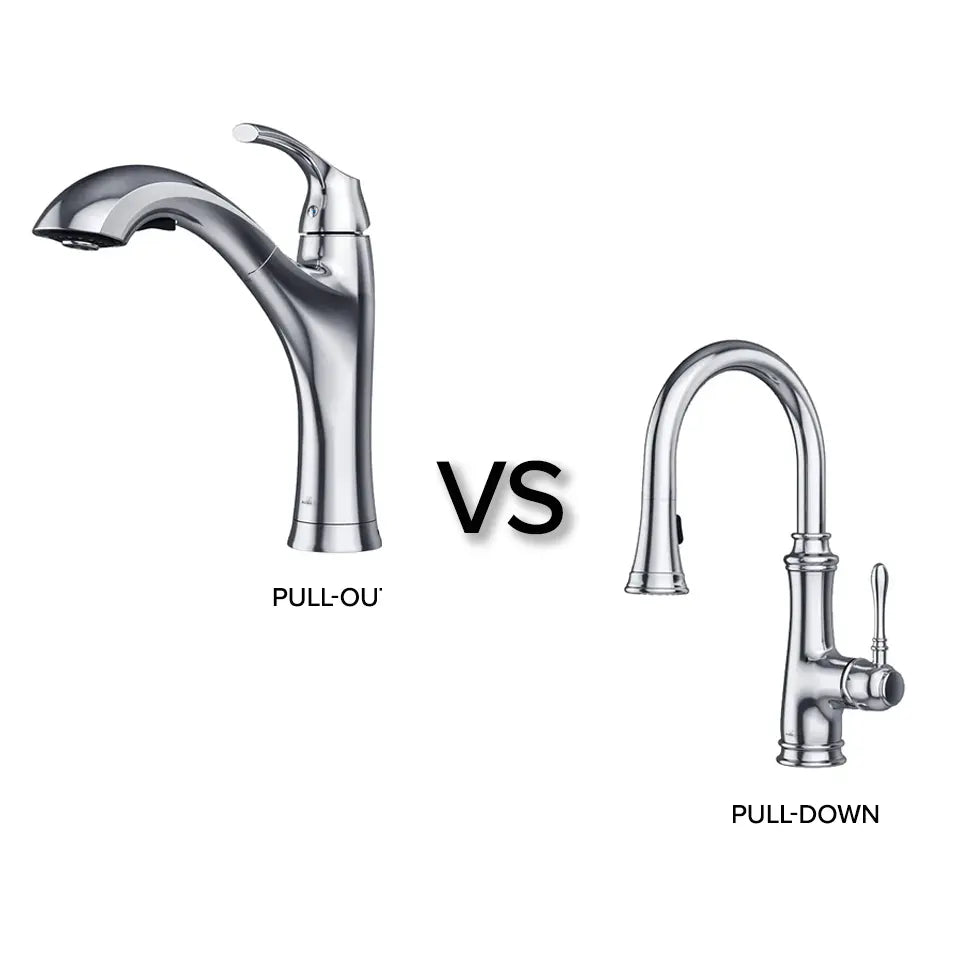
The main difference is where the sprayer is located. A pull down faucet has a built-in spray head you pull down from the spout. A side sprayer is a separate nozzle next to the main faucet. Pull down faucets look more modern, while side sprayers are traditional.
Which Is Better For Deep Sinks?
Pull down faucets are usually better for deep sinks. The hose pulls straight down, and the spray head is easy to control. However, if you need extra reach, a side sprayer’s longer hose can help, especially in a double-bowl sink.
Are Pull Down Faucets Harder To Install Than Side Sprayers?
Not always. Pull down faucets are easy to install in single-hole sinks. Side sprayers need an extra hole and more plumbing under the sink, which can be more complicated. If you are replacing an old side sprayer, installation is simple.
Do Side Sprayers Break More Often?
Side sprayers can break more often because they have more parts: the hose, the trigger, and the diverter valve. Leaks under the sink are common. Pull down faucets are usually more reliable, but the spray head can wear out after many years.
Can I Replace A Side Sprayer With A Pull Down Faucet?
Yes, you can replace a side sprayer with a pull down faucet. If your sink has extra holes, you may need a cover plate or soap dispenser. Make sure to check the size and spacing before you buy a new faucet.
Both pull down faucets and side sprayers have their place in the kitchen. The best choice depends on your needs, your sink, and your style. With this guide, you can decide what will make your kitchen work better every day.