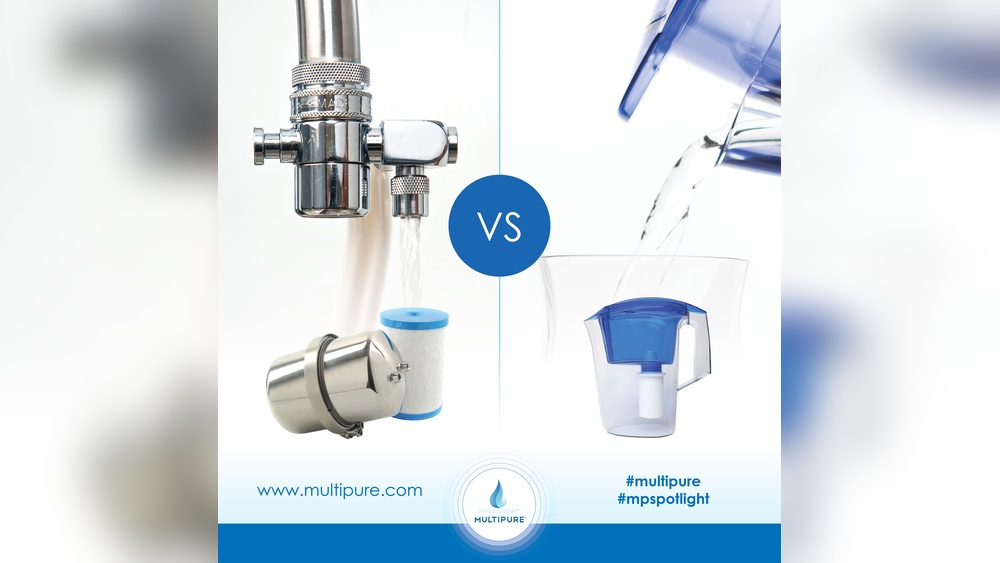
Pur Faucet Filter vs Pitcher: Which Water Filter Is Best?
Choosing the right water filtration system for your home can be confusing. Many people find themselves comparing the Pur Faucet Filter and a water filter pitcher. Both claim to give you cleaner, safer drinking water, but they do it in different ways. Which is best for your kitchen? Does one remove more contaminants? What about cost, convenience, and taste? This guide breaks down everything you need to know, so you can make a smart choice for your family.
Understanding How Each Filter Works
Before comparing their strengths and weaknesses, it helps to understand how each system functions.
Pur Faucet Filter
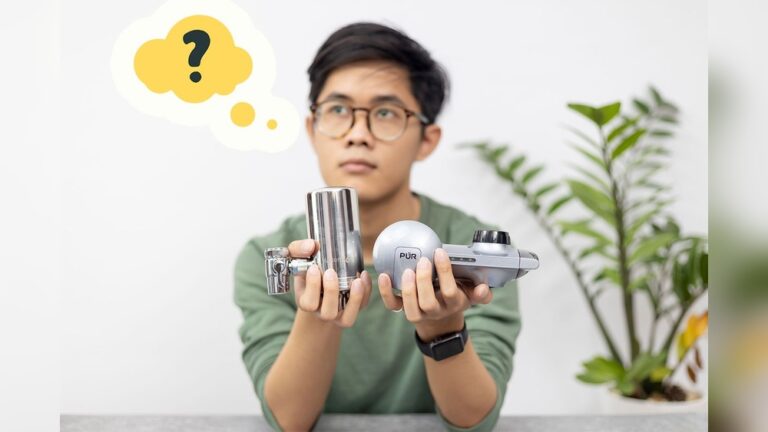
A Pur Faucet Filter attaches directly to your kitchen faucet. Water runs through the filter before coming out for drinking or cooking. Most Pur faucet systems use a combination of activated carbon and ion exchange to trap contaminants like chlorine, lead, mercury, pesticides, and some pharmaceuticals.
Key steps in how a faucet filter works:
- Tap water enters the filter housing.
- Large particles are caught by a mesh screen.
- Water passes through activated carbon, which absorbs chemicals and some metals.
- Ion exchange resin reduces lead and other heavy metals.
- Filtered water exits from a separate spout.
Pur faucet models usually have a light to tell you when to change the filter. Installation takes a few minutes and does not require tools.
Water Filter Pitcher
A pitcher filter is a jug with a built-in filter cartridge. You fill the top reservoir with tap water and let gravity move water through the filter into the bottom chamber. When you pour, you get filtered water.
Most pitchers use activated carbon and sometimes add an ion exchange layer. They are simple to use—just fill, wait, and pour. Brands like Pur, Brita, and ZeroWater have popular pitcher models.
Main filtration steps:
- Tap water is poured into the upper section.
- Water drips through the filter by gravity.
- Contaminants are reduced as water passes through the carbon and resin.
- Clean water collects in the lower chamber, ready to drink.
Pitchers need regular refilling and the filters must be replaced every 1-2 months, depending on use.
What Contaminants Do They Remove?
Clean water means more than just clear water. Let’s see how these two types of filters perform against common tap water problems.
Common Contaminants In Tap Water
- Chlorine: Used by cities to kill bacteria, but leaves a chemical taste.
- Lead: Dangerous metal, especially in older homes with lead pipes.
- Mercury and other heavy metals
- Pesticides and herbicides
- Pharmaceuticals
- Microplastics
- Sediment and rust
Pur Faucet Filter Performance
Pur faucet filters are certified by NSF International for reducing over 70 contaminants, including:
- 99% lead
- 96% mercury
- 92% pesticides
- Chlorine, pharmaceuticals, some industrial chemicals
Some models can even reduce trace pharmaceuticals and microplastics. The advantage is water is filtered instantly, straight from the tap, so you can use it for drinking, cooking, and even washing produce.
Pitcher Filter Performance
Pitcher filters usually remove fewer contaminants. Most are certified to reduce:
- Chlorine (taste and odor)
- Some heavy metals (lead, copper)
- Some pesticides
However, performance varies by brand and model. For example, ZeroWater claims to remove almost all dissolved solids, while standard Brita or Pur pitchers focus on taste and basic metals.
Non-obvious insight: Many people think all pitcher filters remove lead, but only a few models are certified for this. Always check the NSF certification for your specific pitcher.
Direct Comparison
Here’s a quick look at how Pur faucet filters and pitchers stack up for contaminant reduction:
| Contaminant | Pur Faucet Filter | Typical Pitcher Filter |
|---|---|---|
| Chlorine | Yes | Yes |
| Lead | Yes (99%) | Some models only |
| Mercury | Yes (96%) | Some models only |
| Pesticides | Yes (up to 92%) | Limited |
| Pharmaceuticals | Some models | Rarely |
| Microplastics | Some models | Rarely |
Tip: Always look for NSF/ANSI certification labels when buying any filter. This is the best way to know what it really removes.
Installation And Ease Of Use
How easy is it to use each system every day? This is a key factor for most families.
Pur Faucet Filter: Setup And Use
- Attachment: The filter screws onto your faucet. Most models fit standard taps, but not pull-out or spray-style faucets.
- Switch between filtered and unfiltered: You can turn the filter on or off with a simple lever.
- No waiting: Filtered water comes out instantly for drinking, cooking, or filling pots.
- Filter life indicator: Most models have a light that blinks when it’s time to replace the filter.
Common issue: Some users find the filter slows water flow, especially as the filter gets older. Also, if you have high water pressure, you may need to replace the filter more often.
Pitcher Filter: Setup And Use
- No installation: Just open the box, rinse the filter, and put it in the pitcher.
- Refilling: Pour tap water into the top and wait (usually 5-15 minutes for a full pitcher).
- Portability: Store in the fridge for cold, filtered water.
- Capacity: Most pitchers hold 5-10 cups, so you may need to refill several times a day for a large family.
Non-obvious insight: Many people find the waiting time annoying, especially if they drink a lot of water or have guests. Pitchers are best for small households or individuals.
Cost Comparison
Let’s break down the costs—both up front and over time.
Upfront Cost
- Pur Faucet Filter: $25–$45 for the unit, which includes one filter cartridge.
- Pitcher Filter: $20–$40 for a pitcher, usually with one filter.
Filter Replacement Cost
- Faucet filter: $15–$25 per replacement (lasts about 2-3 months or 100 gallons).
- Pitcher filter: $6–$12 per replacement (lasts about 1-2 months or 40 gallons).
Average Annual Cost
Assuming a family drinks 2 gallons per day:
- Pur Faucet Filter: 2 gallons/day × 365 = 730 gallons/year. About 7 filters needed ($105–$175 per year).
- Pitcher Filter: 730 gallons/year ÷ 40 gallons = 18 filters needed ($108–$216 per year).
Hidden Costs
- Wasted water: Faucet filters can waste a little water during the first flush after changing filters.
- Time and effort: Pitcher filters require frequent refilling and waiting.
Example: If you value convenience, the faucet filter gives you instant water and less refilling, even though the annual cost is similar.
| System | Starter Cost | Annual Filter Cost (avg.) | Time to Filter |
|---|---|---|---|
| Pur Faucet Filter | $25–$45 | $105–$175 | Instant |
| Pitcher Filter | $20–$40 | $108–$216 | 5–15 min/pitcher |
Taste And Water Quality
Good taste often motivates people to buy a filter. Both systems improve water quality, but there are differences.
Pur Faucet Filter
Users often say water tastes crisper and fresher, with almost no chlorine smell. Because it removes more contaminants, the flavor is often better, especially in cities with poor-tasting water.
Pitcher Filter
Pitchers remove most chlorine and improve taste, but sometimes leave behind a slight metallic or chemical note if the filter is old. Water is often cooler if stored in the fridge, which some people prefer.
Non-obvious insight: If your tap water has a strong chlorine or sulfur smell, a faucet filter is usually more effective. For mild taste issues, a pitcher may be enough.
Maintenance And Longevity
How much work is required to keep each system running well?
Pur Faucet Filter
- Filter change: Every 2-3 months or 100 gallons.
- Cleaning: Wipe exterior; rinse filter housing when changing.
- Common mistake: Forgetting to flush the new filter before first use. Always run water for 5 minutes after installing a new filter.
Pitcher Filter
- Filter change: Every 1-2 months or 40 gallons.
- Cleaning: Wash pitcher by hand weekly to prevent mold or odor.
- Common mistake: Overfilling the upper chamber, which can cause unfiltered water to mix with clean water.
Tip: Set a reminder to change your filter. Old filters can make water taste worse and may even release trapped contaminants.
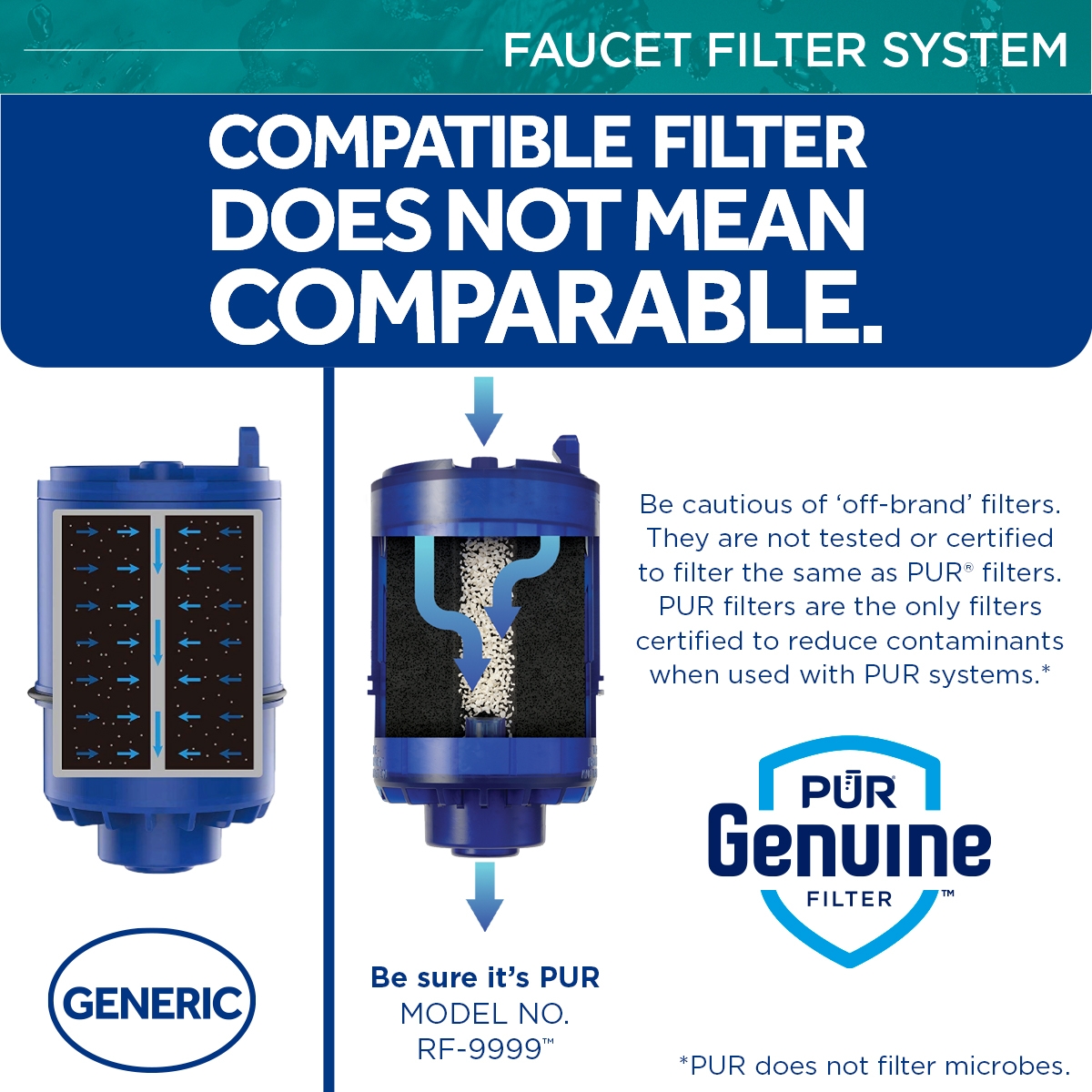
Credit: www.pur.com
Capacity And Speed
How Much Water Do You Get, And How Fast?
Pur Faucet Filter
- Unlimited filtered water, limited only by flow rate and filter life.
- Faster: Delivers filtered water instantly, so you can fill a pot or bottle in seconds.
- Good for cooking: Ideal for washing vegetables or making pasta.
Pitcher Filter
- Limited capacity: 5–10 cups per fill.
- Slower: Takes several minutes to filter a full pitcher.
- Best for drinking: Not practical for large cooking tasks.
Practical advice: For big families or cooking, a faucet filter is more practical. For a single person or chilled water, a pitcher is fine.
Space And Design
Where Will The Filter Fit In Your Kitchen?
Pur Faucet Filter
- Compact: Mounts on your faucet, does not take up counter or fridge space.
- Fits standard faucets: Not compatible with all faucets (especially pull-down or spray models).
- Visible: Some may not like the look of a device on the sink.
Pitcher Filter
- Portable: Store in fridge or on counter.
- Takes space: Can fill a large part of your refrigerator shelf.
- Stylish: Some pitchers come in colors and modern designs.
Non-obvious insight: Pitcher filters are easier to take to the table or bring to another room. Faucet filters are fixed in one spot.
When To Choose A Pur Faucet Filter
- You want instant, unlimited filtered water.
- You cook often or need a lot of water for a family.
- Your tap water has many contaminants (lead, pesticides, pharmaceuticals).
- You dislike waiting for water to filter.
- Your kitchen faucet is compatible with the unit.
When To Choose A Pitcher Filter
- You have a small household or live alone.
- You want cold, filtered water from the fridge.
- Your main concern is taste, not heavy contaminants.
- You have a non-standard faucet or live in a dorm.
- You want a portable filtration solution.

Credit: mytapscore.com
Environmental Impact
Both systems reduce the need for single-use plastic bottles, which is a positive step for the planet. However, consider:
- Filter cartridges: Both require regular replacement, creating some waste. Pur has a recycling program for used filters.
- Plastic use: Pitchers are often made from plastic, but last for years with proper care.
- Water use: Faucet filters may waste a small amount during filter changes.
Pro tip: Check if your local area recycles used filters or offers drop-off points.
Real-world User Experiences
Pur Faucet Filter
- Positive: Many users praise the convenience and improved taste, especially in old buildings.
- Negative: Some report leaking or difficulty fitting the device to unusual faucets. Others mention reduced water pressure as the filter ages.
Pitcher Filter
- Positive: Users like the simplicity and portability. Many college students or renters prefer pitchers.
- Negative: Waiting time and small capacity are common complaints. Some users forget to change the filter, which affects taste.
How To Decide: Key Questions To Ask Yourself
- How much water do you use daily?
- Do you want cold or room-temperature water?
- What is the main problem with your tap water (taste, lead, other chemicals)?
- Is your faucet compatible with a filter system?
- How much time are you willing to spend refilling or maintaining the system?
If you’re still unsure, check your water quality report (usually available from your city’s website or utility company). This will tell you which contaminants are present and help you choose the best solution.
Alternatives To Consider
While Pur faucet filters and pitchers are very popular, some households need more advanced systems, such as:
- Under-sink filters: Higher capacity, hidden installation.
- Reverse osmosis systems: Remove almost all contaminants, but cost more and waste more water.
- Whole-house filters: Treat all water entering your home.
For most people, however, a faucet or pitcher filter is enough for daily drinking and cooking needs.
External Reference
If you want to know more about water filtration standards and certifications, visit the NSF International website.
Frequently Asked Questions
What Is The Main Difference Between A Pur Faucet Filter And A Pitcher?
A Pur faucet filter attaches to your kitchen tap and gives you filtered water instantly. A pitcher filter is a jug you fill and wait for water to drip through a filter. Faucet filters handle more water at once, while pitchers are portable and can be kept in the fridge.
Do Both Filters Remove Lead And Other Heavy Metals?
Most Pur faucet filters are certified to remove 99% of lead and a high amount of other metals. Only some pitcher filters remove lead—check the label for NSF certification. Standard pitchers usually focus on chlorine and taste.
Which Is More Expensive Over Time?
Costs are similar for both if you use a lot of water. Faucet filters cost more per replacement but last longer. Pitcher filters are cheaper per unit, but you change them more often. For large families, both systems will cost about $100–$200 per year.
Are These Filters Safe For Babies And Children?
Yes, as long as you change filters on time and buy a model certified to remove harmful contaminants. If you have lead pipes or very old plumbing, a faucet filter is usually safer because it removes more metals.
Can I Use A Pur Faucet Filter With Any Faucet?
No. Pur faucet filters do not fit pull-down, spray, or non-standard faucets. They work best on regular, threaded kitchen taps. Always check the product’s compatibility list before buying.
—
Choosing between a Pur faucet filter and a pitcher comes down to your needs, water quality, and kitchen setup. Both can improve taste and remove common contaminants, but faucet filters provide more power and speed, while pitchers offer simplicity and portability.
Consider your daily habits, budget, and what truly matters for your home. Clean, safe water is worth the small effort—choose the system that fits your life best.
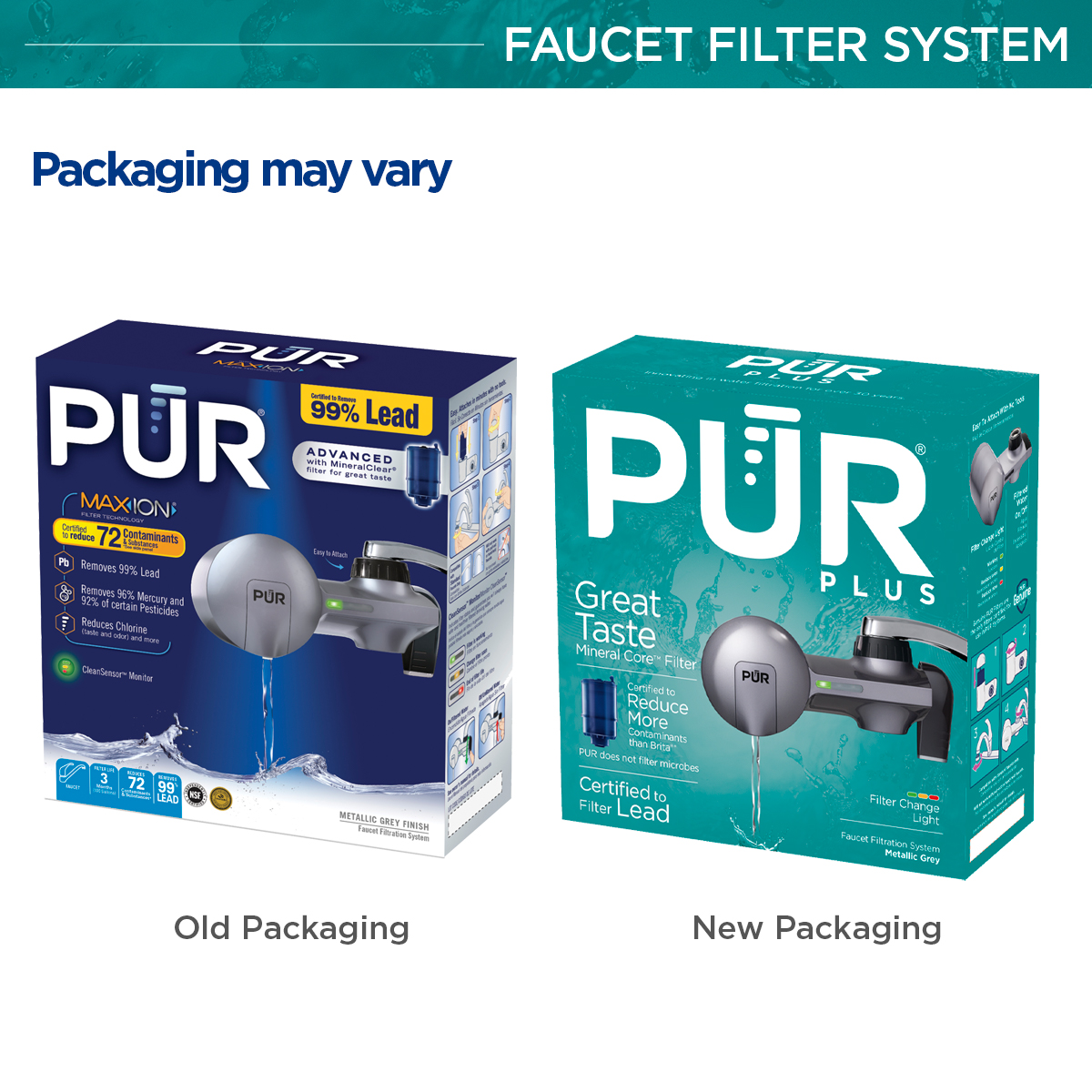
Credit: www.pur.com