Hansgrohe Vs Kohler Kitchen Faucet: Which Is Best for Your Home?
When you upgrade your kitchen, the faucet may seem like a small detail. But anyone who has spent time cooking or cleaning knows how much this one item matters. Two brands often come up in the search for the best kitchen faucet: Hansgrohe and Kohler. Each has loyal fans, a long history, and a reputation for quality. But which one is better for your kitchen?
Choosing between Hansgrohe and Kohler is not easy. Both offer modern designs, reliable performance, and smart features. Yet, there are important differences in style, durability, technology, price, and support. Many homeowners find themselves stuck, reading reviews and comparing specs, but still unsure.
This article will help you see both brands clearly and decide with confidence.
We’ll break down their histories, product ranges, materials, finishes, installation, and maintenance. We’ll look at real-life user experiences and cover what most reviews miss. By the end, you’ll know exactly what matters for your kitchen and which faucet will serve you best for years to come.
Brand Backgrounds
Understanding each brand’s roots helps explain their strengths. Hansgrohe and Kohler both have deep experience, but they come from different traditions.
Hansgrohe: German Engineering
Hansgrohe started in Germany in 1901. Over more than a century, the company has become a leader in kitchen and bathroom fixtures. German engineering is famous for precision and durability, and Hansgrohe lives up to this. The brand is known for creating sleek, modern faucets with efficient water technology.
Hansgrohe invests heavily in research and design. Many of their faucets win awards for both looks and eco-friendly features. The company is also recognized for its commitment to sustainability—reducing water use without sacrificing performance.
Kohler: American Innovation
Kohler, based in Wisconsin, USA, has an even longer history, founded in 1873. What started as a cast iron and steel company grew into a household name for kitchen and bath products. Kohler focuses on innovation and user comfort. They offer a wide range of traditional and modern designs and often introduce new features before competitors.
Kohler’s reputation comes from making reliable products that balance style with function. The brand is also known for its customer support and for offering a wide network of service centers across North America.
Design And Style
When you walk into a kitchen, the faucet is one of the first things you notice. Both Hansgrohe and Kohler offer a variety of styles, but their approaches are different.
Hansgrohe’s Modern Look
Hansgrohe’s designs are clean, minimal, and elegant. Most models have smooth, rounded edges or sharp geometric lines, often with a European flair. The finishes are usually chrome, stainless steel, or matte black, giving a modern touch to any kitchen. Many professional designers prefer Hansgrohe for contemporary spaces.
A signature feature is the pull-out or pull-down spray head, which is integrated seamlessly into the body. The operation feels solid and smooth, thanks to tight engineering.
Kohler’s Versatile Range
Kohler’s design range is wider. You can find sleek, modern styles like the Simplice series, but also traditional, classic designs like the Artifacts collection. Kohler offers more finish options, including vibrant brushed gold, oil-rubbed bronze, and polished nickel. This makes it easier to match a faucet to your kitchen’s theme.
Kohler also pays attention to ergonomics. Many models have a gently curved spout and an easy-to-grip handle, which feels comfortable for daily use.
Side-by-side Design Comparison
Here’s a simple comparison of the main style points:
| Feature | Hansgrohe | Kohler |
|---|---|---|
| Design Focus | Modern, minimal, European | Modern and traditional, American |
| Finish Choices | Chrome, stainless, matte black | Chrome, gold, bronze, nickel, black |
| Handle Style | Slim, integrated | Ergonomic, varied |
| Spray Head Design | Sleek pull-out/pull-down | Flexible, often larger |
Key insight: If you want a faucet that looks ultra-modern, Hansgrohe is hard to beat. For more finish options or a traditional look, Kohler has the edge.

Credit: www.kbauthority.com
Build Quality And Materials
A kitchen faucet is an investment. You want it to last for years without leaks or stains. The materials and build quality matter more than most people realize.
Hansgrohe’s Materials
Most Hansgrohe kitchen faucets are made from solid brass, which resists corrosion and feels heavy and strong. The company uses PVD (Physical Vapor Deposition) coating for finishes, which is highly durable and resists scratching and tarnishing.
Hansgrohe also uses high-quality ceramic cartridges inside their faucets. These cartridges control water flow and are less likely to wear out, reducing the risk of drips.
Kohler’s Materials
Kohler also uses brass construction for most faucets. Some entry-level models may use a combination of brass and zinc or stainless steel. Their finishes use a proprietary process called Vibrant® Finish, which is tested to withstand years of use.
Kohler’s ceramic disc valves are similar in performance to Hansgrohe’s. They help the faucet last longer and reduce maintenance.
Durability In Everyday Use
Both brands are known for durability. However, Hansgrohe’s focus on precision German engineering means their faucets often feel tighter, with less play in the handle over time. Kohler’s faucets are robust but can show wear in the finish if not cared for, especially in hard water areas.
Common mistake: Some buyers focus only on style and forget to check the materials used, especially in less expensive models. Always choose solid brass for the body, no matter the brand.
Technology And Features
Today’s kitchen faucets are more than just pipes and handles. Modern models include features to make your life easier and your kitchen more efficient.
Hansgrohe Features
Hansgrohe offers several unique technologies:
- QuickClean: Flexible silicone nozzles on the spray head make it easy to remove limescale and mineral buildup with a simple wipe.
- Select Button: Some Hansgrohe faucets have a button on the spray head to switch between spray modes instantly.
- EcoRight: Built-in technology reduces water flow to 1.75 GPM (gallons per minute) without losing pressure, helping you save water and money.
- ComfortZone: Different spout heights for various tasks, making it easier to wash big pots or fill bottles.
Hansgrohe is also a leader in quiet operation. Their faucets are engineered to reduce noise, which is noticeable in open-plan kitchens.
Kohler Features
Kohler is known for introducing user-friendly innovations, such as:
- Sweep® Spray: A powerful, fan-shaped spray that cleans dishes and sinks quickly.
- DockNetik®: Magnetic docking system that locks the spray head in place so it doesn’t droop over time.
- Response® Touchless Technology: Wave your hand to turn the water on or off. This is great for messy hands or multi-tasking.
- ProMotion® Technology: A braided hose and swiveling ball joint for smoother, quieter operation of the spray head.
Some Kohler models also come with built-in water filtration or voice control compatibility.
Feature Comparison Table
To see how the main features compare, check this overview:
| Feature | Hansgrohe | Kohler |
|---|---|---|
| Water-saving Tech | EcoRight | Standard or optional aerators |
| Spray Modes | Select button (instant switch) | Sweep® Spray, pause, boost |
| Touchless Option | Rare, in some lines | Available in many models |
| Magnetic Docking | No | DockNetik® |
| Limescale Cleaning | QuickClean | Manual (varies by model) |
Non-obvious insight: If you want touchless operation, Kohler gives you more options. For water savings and easy cleaning, Hansgrohe’s EcoRight and QuickClean stand out.

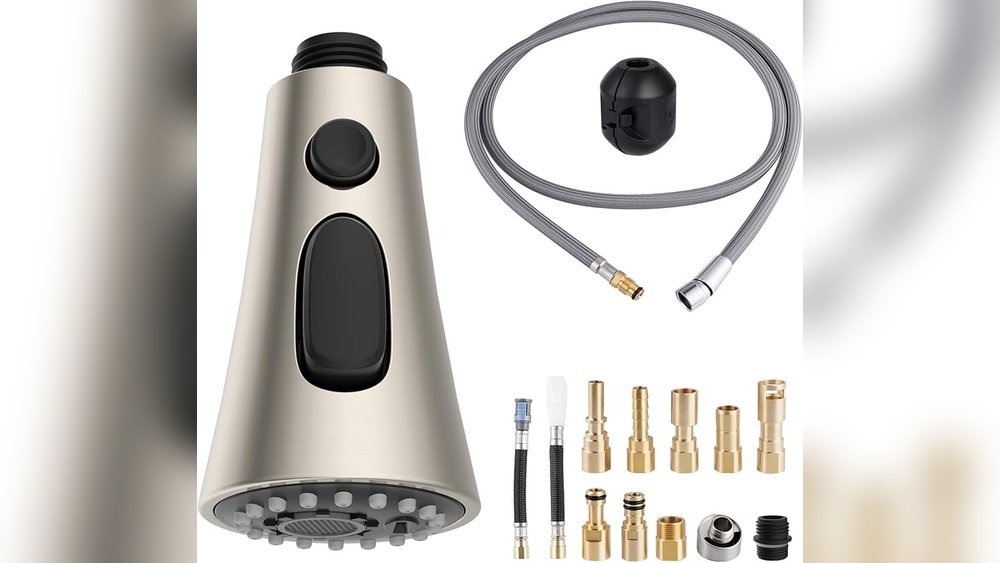
Credit: www.amazon.com
Installation And Compatibility
A faucet should fit your kitchen and your skill level. Both Hansgrohe and Kohler make installation as easy as possible, but there are some differences.
Hansgrohe Installation
Hansgrohe faucets are designed with European plumbing in mind. Most come with flexible supply hoses attached, which fit standard US connections but may require adapters in older homes. Instructions are clear, but some users report that installation takes a bit longer due to the precise fit.
Mounting hardware is sturdy and often includes a metal base plate. This adds stability, especially for taller faucets.
Kohler Installation
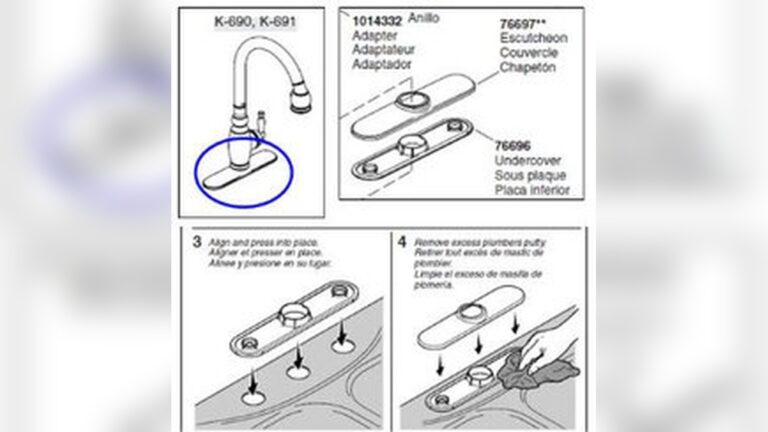
Kohler’s faucets are made for the North American market, so installation is usually straightforward. They often include pre-attached supply lines and a quick-connect system for the spray head. Many models are designed for single-hole or three-hole sinks, and come with an optional deck plate.
Kohler’s customer support offers detailed videos and phone help if you run into trouble.
Compatibility Factors
- Sink holes: Check how many holes your sink has. Both brands offer models for single or multiple holes, but Kohler’s deck plates are more forgiving if you want to cover extra holes.
- Water pressure: Hansgrohe faucets are designed for higher European water pressure. In some areas with low pressure, you might notice reduced flow.
- Counter thickness: Both brands support standard counter thickness, but if you have a very thick or thin countertop, double-check the specs.
Practical tip: If you are replacing an old American faucet in a standard sink, Kohler’s installation may be smoother. For new kitchens or custom setups, Hansgrohe works well but check for adapters.
Maintenance And Cleaning
A faucet should not require much effort to keep looking and working like new. But real kitchens are messy, and hard water can leave stains.
Hansgrohe Maintenance
Hansgrohe’s QuickClean nozzles make it easy to remove mineral buildup. Just rub the silicone with your finger and limescale flakes off. The PVD finish resists fingerprints and water spots better than standard chrome.
Cartridge replacements are rare, but when needed, Hansgrohe cartridges are easy to swap out.
Kohler Maintenance
Kohler’s finishes are tough, but some (especially polished chrome) can show water spots. Wiping with a soft cloth keeps them shiny. The spray head nozzles are not always silicone, so you may need to soak the head in vinegar if mineral buildup occurs.
Kohler’s customer service is known for sending replacement parts quickly, often for free if under warranty.
Non-obvious insight: Many users forget to clean the aerator (the screen at the tip of the spout). In both brands, regular cleaning here prevents reduced water flow.
Price And Value
The price of a kitchen faucet can range from under $100 to over $1,000. Hansgrohe and Kohler both target the mid-to-high end of the market.
Hansgrohe Pricing
Hansgrohe kitchen faucets typically range from $250 to $800, depending on features and finishes. The higher price reflects the engineering and materials. Basic models are rarely found below $200.
Kohler Pricing
Kohler’s lineup is broader. Basic kitchen faucets start at $120–$150, with mid-range models around $250–$500. Their most advanced or designer models can also reach $900 or more.
Kohler offers more options for tight budgets, while Hansgrohe focuses on premium products.
Value For Money
Both brands last a long time if cared for. Hansgrohe’s durability means you may pay more up front, but save on repairs. Kohler’s wider range lets you find a good fit at almost any price point.
Common mistake: Some buyers choose the cheapest model from a top brand and expect all the same features and quality as higher-end options. Always compare specs, not just the name.
Warranty And Customer Support
A faucet is a long-term purchase, so warranty matters.
Hansgrohe Warranty
Hansgrohe offers a limited lifetime warranty for the original owner. This covers defects in materials and workmanship. If you sell your home, the warranty does not transfer. Most parts, including cartridges, are covered, but finishes have a shorter guarantee.
Hansgrohe’s US support is good, but parts can take longer to arrive compared to Kohler.
Kohler Warranty
Kohler also gives a lifetime limited warranty for residential faucets. Their service is famous for being fast and generous—many users report getting replacement parts with no hassle.
Finish warranties vary by type, with some special finishes covered for a shorter time.
Support Experience
Kohler has a larger support network in North America, so help is usually quick. Hansgrohe’s support is strong but can depend on local distributors.
Key insight: If you live in the US or Canada and value fast service, Kohler has an edge. For European buyers, Hansgrohe support may be more local.
Credit: www.homedepot.com
User Reviews And Real-world Experience
Reading specs is helpful, but real-world experience tells the full story.
What Hansgrohe Users Say
Most Hansgrohe owners praise the smooth operation and high-end feel. Users often mention that the faucet looks new after years of use and that the handle stays tight. The most common downside is the higher price and, in rare cases, spray heads that become loose if not installed carefully.
Some users in North America report the need for adapters during installation, but once installed, leaks and drips are very rare.
What Kohler Users Say
Kohler gets high marks for easy installation and customer service. Many reviewers say Kohler replaced parts for free, even out of warranty. The touchless models are a hit, though a few users mention sensor issues after several years.
Some users notice that lower-priced Kohler faucets feel less solid. The finish on high-use models may show wear after 5+ years, especially in polished chrome.
Long-term Satisfaction
Both brands have high ratings for reliability. Hansgrohe fans are often repeat buyers for new homes, while Kohler’s strength is in hassle-free support.
Practical advice: Check forums and owner groups for your exact model. Sometimes small design changes happen, and feedback for a 2016 model may not apply to the 2023 version.
Sustainability And Environmental Considerations
Kitchen faucets impact water and energy use. Both Hansgrohe and Kohler work to reduce their environmental footprint.
Hansgrohe’s Eco Approach
Hansgrohe’s EcoRight limits water flow to 1.75 GPM or less, which meets strict California standards. Their factories use renewable energy, and the company aims to be carbon-neutral. Many models are WaterSense certified.
Kohler’s Green Efforts
Kohler offers WaterSense certified faucets and has a focus on recycling and reducing waste in manufacturing. Many models use aerators to lower water use. Kohler also invests in projects for clean water access worldwide.
Non-obvious insight: Not all models from either brand are equally eco-friendly. Always look for the WaterSense label if water savings are a priority.
Which One Is Right For You?
Choosing between Hansgrohe and Kohler comes down to your kitchen style, needs, and budget.
- Choose Hansgrohe if you want:
- Sleek, modern design
- Top-tier German engineering
- Quiet operation and water-saving features
- You’re willing to pay a bit more for durability
- Choose Kohler if you want:
- More finish and style options
- Easier installation in North American homes
- Touchless or advanced features
- Quick, local customer support
Final tip: Always compare specific models, not just brands. Both Hansgrohe and Kohler have standout faucets, but also entry-level lines that may not have all the features you expect.
For more details on faucet standards and certifications, you can visit the official EPA WaterSense site.
Frequently Asked Questions
What Is The Main Difference Between Hansgrohe And Kohler Kitchen Faucets?
The main difference is in design and features. Hansgrohe focuses on modern, European styles with water-saving technology, while Kohler offers a wider range of styles and more touchless options. Kohler tends to be easier to install in North America and has faster local support.
Are Hansgrohe Faucets More Durable Than Kohler?
Both brands use solid brass construction and high-quality ceramic valves, so both are durable. Hansgrohe’s precise engineering may give it a slight edge in long-term handle feel and resistance to leaks, but Kohler’s finishes and parts are also built to last.
Which Brand Is Better For Touchless Kitchen Faucets?
Kohler is better for touchless models. They offer several lines with touchless or voice-activated features, while Hansgrohe’s touchless options are limited.
How Do I Know If A Hansgrohe Or Kohler Faucet Will Fit My Sink?
Check the number of sink holes and the thickness of your countertop. Kohler faucets usually come with deck plates for different setups, while Hansgrohe may need an adapter for older US plumbing. Always check the installation guide before buying.
Which Brand Offers Better Customer Service?
In the US and Canada, Kohler is famous for fast, generous support and easy parts replacement. Hansgrohe’s service is strong but can be slower, especially outside Europe.
Selecting the right kitchen faucet is about more than just looks. It’s about finding a tool that fits your space, works every day, and lasts for years. Both Hansgrohe and Kohler are strong choices—your final decision should match your kitchen’s needs and your own style.