
How to Clean Black Faucets: Easy Tips for a Spotless Shine
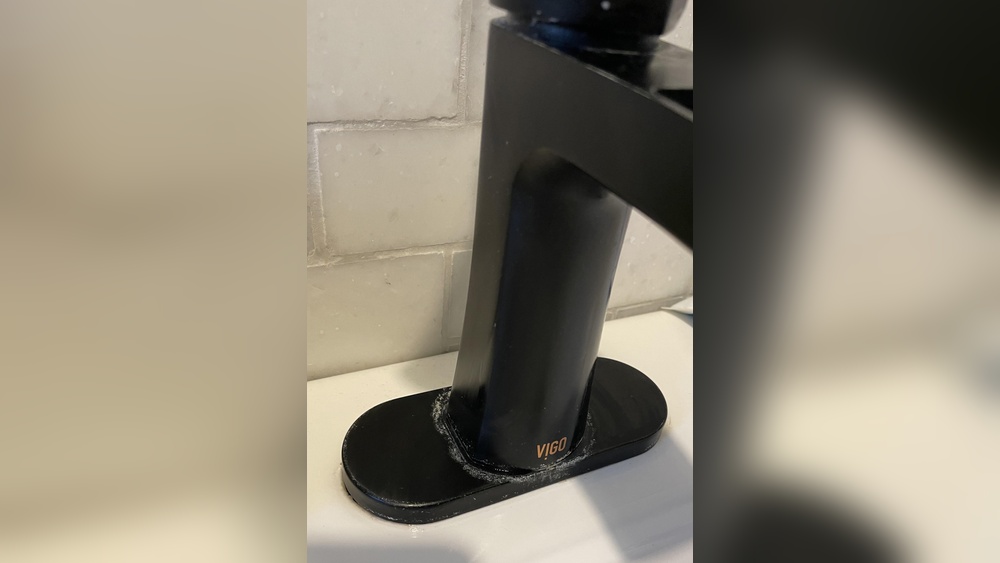
Black faucets are a growing trend in modern homes. They add a stylish, clean look to kitchens and bathrooms. But if you own one, you might know the frustration that comes with keeping them looking perfect. Water spots, fingerprints, and soap scum can quickly make a matte black faucet look old and dirty.
Cleaning black faucets is different from cleaning chrome or stainless steel. If you use the wrong cleaner, you can damage the finish. If you ignore maintenance, stains can become permanent. In this guide, you’ll learn everything you need to know to keep your black faucet looking new—without stress or confusion.
Why Black Faucets Need Special Care
Black faucets, especially those with a matte finish, are more sensitive than you might think. The surface can scratch or fade if you use harsh chemicals or abrasive tools. Unlike shiny chrome, black finishes can show watermarks and soap residue more clearly.
That’s why you need a different approach. Knowing what to avoid and what to use makes all the difference.
Some black faucets have a powder-coated finish, while others use a physical vapor deposition (PVD) layer. Each type offers durability, but both can be damaged by rough treatment. In fact, a study by the National Association of Home Builders found that surface damage is a leading cause of premature faucet replacement.
Taking a few extra steps pays off in the long run.
The Right Tools And Cleaners For Black Faucets
Before you start cleaning, gather the right supplies. Using the wrong tools is one of the most common mistakes people make with black fixtures. Here’s what you need:
- Soft microfiber cloths – These are gentle and won’t scratch the surface.
- Mild dish soap – Avoid anything with bleach, ammonia, or strong acids.
- White vinegar (optional) – Useful for stubborn mineral deposits, but dilute it.
- Spray bottle – For mixing water and soap or vinegar solutions.
- Old toothbrush – Good for cleaning around the base or crevices.
- Distilled water – Helps prevent water spots, especially in hard water areas.
- Dry towel – For buffing and drying after cleaning.
Avoid paper towels, rough sponges, and any cleaner labeled as abrasive. These can leave tiny scratches that are very visible on a black finish.
Step-by-step Guide: How To Clean Black Faucets
Cleaning black faucets is not complicated, but the details matter. Here’s a clear process you can follow:
1. Remove Loose Dirt And Debris
Start by wiping the faucet with a dry microfiber cloth. This removes dust and loose particles that could scratch the surface if rubbed in.
2. Prepare A Gentle Cleaning Solution
Mix a few drops of mild dish soap with warm water in a spray bottle. Shake gently to combine. For most cleaning, this solution is all you need.
3. Wipe Down The Faucet
Spray the soapy water onto a clean microfiber cloth, not directly onto the faucet. Wipe the faucet’s surface, including the handles and base. This lifts away fingerprints, smudges, and light stains.
4. Rinse With Clean Water
Dampen another cloth with distilled water. Wipe the faucet again to remove any soapy residue. Soap left behind can cause streaks or spots.
5. Dry And Buff
Use a dry, soft towel to dry the faucet completely. Water left on the surface can cause marks, especially if your tap water is hard.
6. Tackle Stubborn Spots (optional)
If you see mineral deposits or water spots that don’t come off, mix equal parts white vinegar and distilled water. Dampen a cloth with the solution and gently rub the spot. Rinse immediately with water and dry. Never leave vinegar on the surface for long—it can damage the finish.
7. Clean Around The Base And Handles
Use an old toothbrush dipped in your soapy solution to gently scrub tight areas. Don’t use too much force. Rinse and dry as you did above.
8. Regular Maintenance
Repeat this process weekly or whenever you notice spots building up. Quick, gentle cleaning keeps your faucet looking fresh.
What To Avoid When Cleaning Black Faucets
It’s easy to accidentally damage a black faucet if you’re not careful. Here are some key things to avoid:
- Abrasive cleaners: These can scratch and dull the surface.
- Bleach and ammonia: Strong chemicals break down protective coatings.
- Scrubbing pads or steel wool: Even light pressure can leave marks.
- Leaving water droplets: Hard water can create stubborn spots over time.
- Strong vinegar or acid soaks: Prolonged exposure can fade the finish.
Always check the manufacturer’s recommendations for your specific faucet. Some brands have unique coatings or care instructions.
Comparing Cleaning Methods For Black Faucets
Let’s compare common cleaning approaches:
| Method | Effectiveness | Safety for Finish | Notes |
|---|---|---|---|
| Soap & Water | High | Very Safe | Recommended for regular cleaning |
| Vinegar Solution | Medium-High | Safe (if diluted & rinsed quickly) | Good for hard water spots, use with caution |
| Commercial Cleaner | Varies | Risky | Check label for compatibility |
| Scrubbing Pad | High | Not Safe | Can scratch or dull finish |
The safest and most effective method is always mild soap and water, with a soft cloth.
How Water Quality Affects Black Faucets
One detail many homeowners miss is how hard water can impact black faucets. Hard water contains minerals like calcium and magnesium. When water dries on the faucet, these minerals can leave white spots and streaks. Over time, these stains can become difficult to remove.
In areas with hard water, consider:
- Wiping the faucet dry after each use
- Using distilled water for the final rinse
- Installing a water softener for your home
If you notice chalky buildup, address it quickly with the diluted vinegar method described earlier. Don’t let deposits sit for weeks.

Credit: www.reddit.com
Spot Cleaning: Quick Fixes For Daily Messes
Not every mess needs a full cleaning session. Here are easy ways to tackle small problems:
- Fingerprints: Wipe with a dry microfiber cloth. For stubborn smudges, dampen the cloth slightly.
- Water Spots: Dry the faucet with a towel after each use.
- Soap Scum: Wipe with soapy water, rinse, and dry.
- Toothpaste or Hair Dye Stains: Act fast. Wipe immediately with soap and water to prevent staining.
For busy households, keeping a clean cloth in the bathroom or kitchen makes spot cleaning easy.
How To Deal With Scratches And Fading
Even with care, accidents happen. If you notice a scratch or the finish looks faded, here’s what you can try:
- Micro-scratches: Sometimes buffing gently with a dry microfiber cloth can reduce their appearance.
- Deeper scratches: There are specialty touch-up pens for black fixtures. Test on a small area first.
- Fading or dullness: A tiny drop of mineral oil on a cloth can sometimes restore shine. Use sparingly and buff well.
Never use car wax or polish unless the manufacturer recommends it. These can build up and create more problems.
Preventing Damage: Long-term Care Tips
Taking care of black faucets is not just about cleaning. It’s also about preventing problems before they start. Here are some practical steps:
- Dry after each use: Prevents water spots and mineral buildup.
- Use only soft cloths: Microfiber is best. Avoid paper towels.
- Check for leaks: Drips can stain the base and encourage buildup.
- Avoid harsh chemicals nearby: Don’t use bleach or strong cleaners on sinks or counters near the faucet.
- Teach family members: Make sure everyone knows how to clean the faucet correctly.
Small daily habits can extend the life and beauty of your black faucet for years.
Common Mistakes Beginners Make
Many people ruin their black faucets by making a few simple mistakes. Here’s what to watch out for:
- Using all-purpose bathroom cleaners: Most are too harsh for black finishes.
- Letting toothpaste, soap, or shampoo sit: These can etch the surface if left too long.
- Ignoring water spots: They get harder to remove the longer they stay.
- Assuming black hides dirt: It actually shows spots and smudges more than chrome!
- Trying DIY hacks found online: Things like baking soda, lemon juice, or glass cleaner can be risky.
Always stick with methods proven safe by faucet manufacturers.
Credit: www.reddit.com
How Black Faucets Compare To Other Finishes
Wondering how black faucets stack up against other finishes when it comes to cleaning and maintenance? Here’s a quick comparison:
| Finish | Ease of Cleaning | Shows Water Spots? | Scratch Resistance |
|---|---|---|---|
| Matte Black | Moderate | Yes | Moderate (with care) |
| Chrome | Easy | Yes | High |
| Brushed Nickel | Easy | Rarely | High |
| Oil-Rubbed Bronze | Hard | No | Low |
Matte black looks stunning but requires a bit more attention than some other finishes, especially in busy or high-traffic bathrooms.
The Truth About Commercial Cleaners
If you search online, you’ll find many cleaners claiming to be “safe for black faucets.” But not all are created equal. Many contain hidden chemicals that can harm your faucet over time. If you decide to use a commercial product, always:
- Read the label for “matte black safe” or “safe for powder-coated finishes.”
- Test on a small, hidden area first.
- Use it sparingly—don’t soak the faucet.
- Rinse and dry immediately after use.
In most cases, you don’t need anything more than soap and water. If you want to try a cleaner, check for third-party reviews or recommendations from the faucet’s manufacturer.
How Often Should You Clean Black Faucets?
The best frequency depends on your household and water type:
- Light use: Once a week is usually enough.
- Heavy use: Twice a week or as needed, especially if you have kids.
- Hard water: Wipe dry after every use, and deep clean weekly.
Neglecting regular cleaning is a common reason black faucets lose their appeal quickly.
Natural Cleaning Alternatives
Some people prefer to use natural products. Here are safe options:
- Baking soda: Not recommended for black faucets; can be abrasive.
- Lemon juice: Can fade the finish—avoid.
- Diluted vinegar: Safe if used carefully and rinsed off.
- Castile soap: A plant-based, mild soap that’s safe for black finishes.
Always dilute natural acids and test in a small area first. Even “green” products can cause damage if misused.
Credit: www.youtube.com
Safe Ways To Disinfect Black Faucets
If you want to disinfect your faucet—important during cold and flu season—use these methods:
- Mix a few drops of dish soap with warm water.
- Wipe with a damp microfiber cloth.
- For extra safety, spray a diluted rubbing alcohol solution (70% alcohol, 30% water) onto a cloth and wipe the faucet. Let it air dry.
- Avoid bleach or disinfectant sprays unless labeled safe for black finishes.
Disinfection should never mean damaging the faucet.
Tips For Kitchen Vs. Bathroom Black Faucets
Kitchens and bathrooms have different cleaning challenges:
- Kitchen faucets: Watch for grease, food splashes, and hard water stains. Wipe spills quickly before they dry.
- Bathroom faucets: Toothpaste, soap, and cosmetics can stain. Clean around the base and handles regularly.
A smart tip: Use separate cloths for the kitchen and bathroom to prevent cross-contamination.
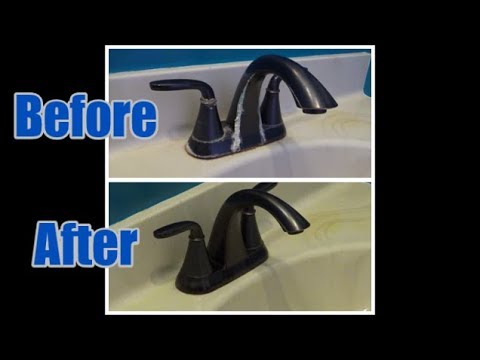
How To Restore Shine To A Dull Black Faucet
If your black faucet looks faded or dull, try this:
- Clean as usual with soap and water.
- Dry completely with a soft cloth.
- Apply a tiny amount of mineral oil or olive oil to a clean microfiber cloth.
- Buff the faucet gently in small circles.
- Wipe off any excess oil with a dry cloth.
This method is safe for most matte black finishes and can restore a subtle luster. Don’t overdo it—too much oil can attract dust.
What To Do If You Damage The Finish
If you accidentally damage your faucet’s finish:
- Check if the faucet is still under warranty. Many manufacturers offer replacements for finish defects.
- Avoid DIY painting or coatings—these rarely match the original look.
- For small scratches, try a touch-up pen from the faucet brand.
- For large areas, you may need professional help or consider replacing the faucet.
Prevention is always easier than repair.
The Role Of Manufacturer Instructions
Always read the instructions that came with your faucet. Manufacturers know the details of their own finishes. Sometimes, the warranty can be voided if you use the wrong cleaner. If you can’t find your manual, check the brand’s website or contact their support.
Environmental Impact Of Cleaning Black Faucets
Cleaning habits matter for the environment, too. Using harsh chemicals can pollute water supplies and harm wildlife. By sticking to mild soap, water, and natural cloths, you reduce your impact. Plus, your faucet will last longer, so you won’t need to replace it as often—a win for your wallet and the planet.
For more about eco-friendly cleaning, see the EPA’s Safer Choice program.
Frequently Asked Questions
How Do I Remove Hard Water Stains From A Black Faucet?
Mix equal parts white vinegar and distilled water. Dampen a microfiber cloth with this mixture and gently rub the stains. Rinse with water and dry immediately. Never let vinegar sit for long, as it can damage the finish.
Can I Use Baby Wipes Or Disinfectant Wipes On Black Faucets?
Use baby wipes sparingly. Some contain oils or chemicals that leave residue. Disinfectant wipes can be too harsh, especially with alcohol or bleach. Stick with a damp microfiber cloth for everyday cleaning.
What Should I Do If My Black Faucet Starts To Peel?
Peeling means the finish is breaking down. Stop using all cleaners except water and contact the manufacturer. If under warranty, they may replace it. Avoid using the faucet until you know if it’s safe to continue.
Why Does My Black Faucet Look Streaky After Cleaning?
Streaks usually come from soap or cleaner residue not being rinsed off fully, or from drying with a rough towel. Rinse with distilled water and dry with a clean microfiber cloth for the best results.
Is There A Way To Make My Black Faucet More Resistant To Water Spots?
You can apply a very light coat of mineral oil or a finish-safe protective spray, but always test in a small area first. Wiping the faucet dry after each use is the most effective way to prevent spots.
Keeping your black faucet looking new is not about using fancy products—it’s about gentle, regular care and knowing what to avoid. With the right habits, you can enjoy the bold style of black fixtures for many years.