Pfister Vs Delta Faucets: Which Brand Should You Choose?
Pfister Vs Delta Faucets: A Complete Comparison For Buyers
Choosing the right faucet can change the look and function of your kitchen or bathroom. For many people, the choice comes down to Pfister and Delta Faucets. These two brands are among the most popular in the United States. Each offers a wide range of products, modern features, and promises about durability. But which one is truly better for your home?
This article gives you an in-depth, side-by-side look at Pfister and Delta Faucets. Whether you’re remodeling, building new, or replacing old fixtures, you’ll learn about design, technology, price, reliability, and real user experiences. You’ll also discover useful details most buyers miss, common mistakes, and the most important factors to consider before making your decision.
Brand Backgrounds And Reputation
Understanding each brand’s history helps you see what they stand for and why people trust them.
Pfister
Pfister began in 1910 as the Price Pfister Brass Manufacturing Company in Los Angeles. For over a century, it has focused on making affordable, stylish, and reliable faucets. Pfister is known for innovation, like the first single control shower valve. Today, Pfister offers a wide selection of kitchen and bathroom faucets, with an emphasis on value and design. Their products are found in hardware stores, online, and through home builders.
Pfister often works with home builders and property managers, making them a top choice for new homes and apartments. The brand is owned by Spectrum Brands, a large company with resources to support quality and customer service.
Delta Faucets
Delta is part of Masco Corporation, a giant in the home improvement industry. Delta started in 1954 and quickly became famous for the first ball valve single-handle faucet. Over the years, Delta has led the way in faucet technology, with features like Touch2O (touch activation) and MagnaTite Docking (magnetic spray heads).
Delta is seen as a premium brand, offering products for both budget and luxury markets. Their focus is on innovation, user experience, and durability. Delta is a common choice for homeowners, remodelers, and even some commercial projects.
Design And Style Options
Both brands offer a wide variety of styles, but there are differences in their design approach.
Pfister’s Design Approach
Pfister’s styles cover everything from classic traditional to sleek modern. You’ll find finishes like brushed nickel, chrome, bronze, and matte black. Pfister pays attention to details, with handles, curves, and shapes that suit many tastes.
One thing unique to Pfister is their “Style Suite” collections. You can match faucets with showers, tub fillers, and even towel bars for a coordinated look. This makes it easier if you want your bathroom or kitchen to have a unified style.
Delta’s Style Choices
Delta offers a huge range, but often pushes innovative designs. They are known for minimalistic, contemporary styles as well as ornate, traditional options. Delta’s “Brilliance” finishes resist tarnishing and discoloration, keeping faucets looking new for years.
Delta’s products are often seen as a bit more refined in terms of engineering and feel. Their handles, spouts, and sprayers are usually smoother and heavier, which many users say feels “premium. ”
Real-world Design Comparison
If you want a simple, classic look at a lower price, Pfister has plenty of options. For higher-end, modern looks or unique finishes, Delta usually leads. However, both brands have hundreds of choices, so most homeowners will find something they like from either company.
Technology And Special Features
Modern faucets are more than just pipes and handles. Both Pfister and Delta bring advanced features, but their focus is different.
Delta’s Standout Features
- Touch2O Technology: Tap anywhere on the spout or handle to turn water on or off—great when your hands are messy.
- ShieldSpray Technology: A powerful jet in the middle of a gentle stream, making it easier to clean dishes without splashing.
- MagnaTite Docking: Uses magnets to keep the sprayer head locked in place.
- DIAMOND Seal Technology: Uses diamond-embedded ceramic discs for leak-free valves.
- VoiceIQ: Some models let you control the faucet with voice assistants like Alexa or Google Assistant.
Pfister’s Notable Innovations
- React Touch-Free Technology: Motion sensor for hands-free use, similar to Delta’s Touch2O.
- HydroBlade: A strong water blade for cleaning stubborn messes on dishes.
- Pforever Seal: Ceramic disc valve that helps prevent leaks for life.
- AccuDock: Magnetic docking for pull-down sprayers, though not as strong as Delta’s MagnaTite.
- Spot Defense: Finish that resists fingerprints and water spots, helpful for busy families.
Feature Comparison Table
Here’s how some of the most popular features compare:
| Feature | Pfister | Delta |
|---|---|---|
| Touchless Activation | React Touch-Free | Touch2O |
| Magnetic Docking | AccuDock (some models) | MagnaTite |
| Leak Prevention | Pforever Seal | DIAMOND Seal |
| Voice Control | No | VoiceIQ (select models) |
| Special Spray Options | HydroBlade | ShieldSpray |
Delta has an edge in smart home integration and magnetic docking strength. Pfister covers most basics and even offers some unique cleaning modes.
Durability And Build Quality
A faucet’s lifespan depends on materials and quality control. Both brands have strengths and weaknesses.
Materials Used
Delta often uses solid brass or zinc alloy for their core components, especially in mid- to high-end models. Their valves are tested to last over 5 million cycles. The DIAMOND Seal valve resists mineral buildup and corrosion, which is important in areas with hard water.
Pfister uses a mix of brass, zinc, and sometimes plastic in low-end models. Their higher-end products are mostly brass with ceramic disc valves (Pforever Seal), giving good long-term reliability.
Real-world Performance
Most homeowners report 10-20 years of life from Delta faucets with basic maintenance. Pfister models usually last 8-15 years, though some premium lines last longer.
Here’s a look at durability by price range:
| Price Range | Pfister (Average Lifespan) | Delta (Average Lifespan) |
|---|---|---|
| Budget | 5-8 years | 8-10 years |
| Mid-Range | 10-15 years | 12-18 years |
| Premium | 15+ years | 18+ years |
Non-obvious insight: The real key to long faucet life is not just the brand, but also installation quality and regular cleaning. Hard water can shorten any faucet’s life, so consider a water softener if you have mineral-rich water.
Price And Value For Money
Price matters for most families. Here’s how the two brands compare.
Pfister Pricing
Pfister is known for affordable pricing. Basic bathroom faucets start around $40-60, while kitchen faucets with pull-down sprayers cost $80-150. Touch-free and premium models range from $180-350.
Pfister often offers better value for budget buyers. Their style and feature sets at lower prices appeal to landlords, first-time homeowners, and anyone upgrading on a tight budget.
Delta Pricing
Delta’s entry-level models start a bit higher ($60-90 for bathrooms, $120-180 for kitchens). Advanced features and designer finishes can push prices to $300-600 or more.
Delta’s higher prices reflect their engineering and extra features. If you want touch or voice control, or a finish that truly resists wear, Delta is the leader.
Cost Vs. Value Table
Here is a quick comparison of typical price ranges:
| Type | Pfister Price Range | Delta Price Range |
|---|---|---|
| Basic Bathroom Faucet | $40-$90 | $60-$120 |
| Mid-Range Kitchen Faucet | $90-$200 | $120-$260 |
| Touchless/Smart Faucet | $180-$350 | $250-$600 |
Tip: When budgeting, don’t forget to include installation costs (usually $100-250 unless you do it yourself).
Installation And Compatibility
Most faucets today are designed for DIY installation, but there are some differences.
Pfister Installation
Pfister faucets are often easier for beginners. The company includes all parts and clear instructions. Their “Push & Seal” drain is a favorite for first-time installers—no plumber’s putty needed.
Pfister’s “Universal” mounting means many of their faucets fit both single- and three-hole sinks without extra parts. However, some users report that the included supply lines are shorter than Delta’s, so you may need to buy extensions.
Delta Installation
Delta provides detailed manuals and videos. Their “EZ Anchor” system allows you to install some faucets from above the sink, which is much easier than crawling under the cabinet. Delta also includes longer, flexible supply lines on most models.
One difference is that Delta sometimes uses proprietary parts (like their valve cartridges), which can be harder to find at small hardware stores.
Common Mistakes
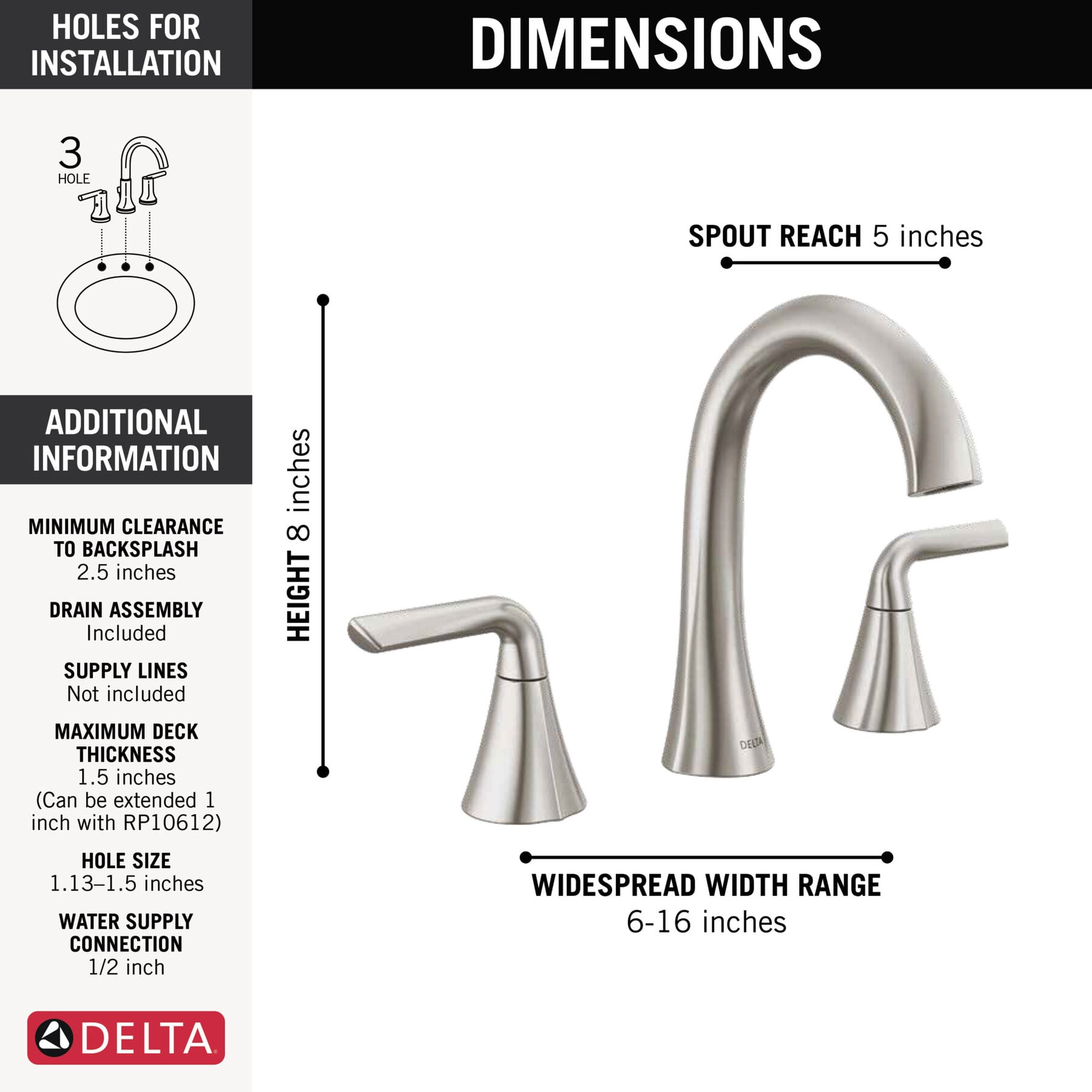
- Not measuring sink holes: Both brands have models for different hole setups (1, 2, 3, or 4 holes). Measure first.
- Ignoring clearance: Some Delta faucets need extra space behind for the handle, which can hit the backsplash.
- Forgetting supply line length: Always check if you need an extension before starting.
Non-obvious insight: If you’re not sure about DIY, both companies have phone and online support. Delta’s support is usually faster, but Pfister’s staff are praised for patience with beginners.
Credit: www.deltafaucet.com
Warranty And Customer Service
Warranty is your safety net. Both brands offer strong coverage, but there are differences.
Pfister Warranty
Pfister offers a “Pforever Warranty” on most faucets. This covers both finish and function for as long as you own your home. If anything breaks, leaks, or discolors, Pfister will send free replacement parts (sometimes even a new faucet).
However, some users say the process can be slow, with long wait times for phone support and occasional delays in shipping parts.
Delta Warranty
Delta’s lifetime limited warranty is also strong, covering parts and finish for the original owner. Delta is known for quick response and often sends parts without lots of questions.
Delta also supports commercial installations, though coverage is usually shorter (5 years).
Practical tip: Always keep your receipt and register your faucet online for fastest service with either company.
User Reviews And Real-world Experiences
Looking at real user reviews gives you insight that specs and ads can’t show.
Pfister User Feedback
Pfister gets high marks for affordable style and easy installation. Many users say their faucets look more expensive than they are. However, some report issues with leaks or loose handles after several years, especially on cheaper models.
Pfister’s customer service gets mixed reviews—some people love it, others find it slow. The warranty is solid, but getting parts can sometimes take weeks.
Delta User Feedback
Delta users often mention the smooth operation and solid feel of the handles. Faucets with Touch2O technology get rave reviews for convenience, though battery changes are needed every 1-2 years.
Delta’s finishes hold up well, even with heavy use. Complaints are rare, but some users dislike the higher prices and the fact that parts are sometimes brand-specific.
Non-obvious insight: Both brands are widely used by plumbers, but many professionals prefer Delta for high-end jobs and Pfister for large developments or rentals.
Credit: www.alibaba.com
Environmental Impact And Water Efficiency
Both brands are committed to saving water and meeting green standards.
Pfister And Delta’s Eco Features
- WaterSense Certification: Most faucets from both brands meet EPA WaterSense rules, using 20% less water without losing pressure.
- Lead-Free Compliance: All new models meet strict lead safety standards.
- Recyclable Materials: Both companies use recyclable packaging, and brass is highly recyclable.
Delta goes further with some faucets that offer flow rate adjustment, letting you save more water if needed.
Tip: Always look for the WaterSense label if water savings matter to you.
Which Brand Is Right For You?
No faucet brand is perfect for everyone. Here’s how to decide:
- Choose Pfister if you want style on a budget, easy DIY installation, and a solid warranty. Ideal for first homes, rentals, or when you need several faucets without spending a lot.
- Go with Delta if you want advanced features, high-end finishes, voice or touch control, and the best long-term durability. Worth the investment for your “forever home” or if you love gadgets.
Credit: www.arcorafaucet.com
Practical Buying Guide
Here are the most important factors to consider before you buy:
- Budget: Decide how much you want to spend. Remember to add installation and possible extra parts.
- Sink Setup: Check how many holes you have and what size they are.
- Finish: Choose a finish that matches your décor and is easy to clean.
- Features: Do you need touch, motion, or smart features?
- Brand Support: Consider warranty and how easy it is to get help if something goes wrong.
- Availability: Some models are easier to find in stores or online. Delta is more widely available, especially in specialty finishes.
- Plumbing Compatibility: If you have old pipes, check that new supply lines and fittings will work.
Common mistake: Don’t just pick the cheapest faucet. Consider total cost, ease of use, and how long you plan to keep it.
Where To Buy
Both Pfister and Delta are sold at big stores like Home Depot, Lowe’s, and online retailers. Delta’s higher-end models are sometimes only available through specialty shops or direct from their website. Pfister is more common in builder supply stores.
If you want to compare models side by side, visit a home improvement store and handle the faucets yourself. You’ll feel the difference in weight, smoothness, and spray functions.
For more information, check the official Delta Faucet website.
Frequently Asked Questions
What Is The Main Difference Between Pfister And Delta Faucets?
The main difference is that Delta focuses on advanced technology, premium finishes, and long-term durability. Pfister offers more affordable options with easy installation and a wide range of styles. Delta is better for high-end needs, while Pfister is ideal for budget-friendly upgrades.
Are Delta Faucets Really Worth The Higher Price?
For many buyers, yes. Delta’s higher price reflects better materials, smoother operation, and unique features like Touch2O and ShieldSpray. If you want a faucet that lasts longer and has more technology, Delta is often worth it.
Which Brand Is Easier To Install For Diyers?
Pfister faucets are usually easier for beginners, with features like Push & Seal drains and universal mounting. Delta’s EZ Anchor is also easy, but some models need more under-sink work. Both brands include good instructions.
How Do Warranties Compare Between The Two Brands?
Both Delta and Pfister offer lifetime limited warranties for residential faucets. Delta’s customer support is often faster, but Pfister’s warranty is just as strong. Keep your receipt and register your product for the best service.
Do Pfister Or Delta Faucets Fit All Sinks?
Most models from both brands fit common sink setups (one to four holes), but always check product specs before buying. Measure your sink holes and check for enough space behind for the handle.
Choosing between Pfister and Delta faucets depends on your budget, style, and what features matter most to you. By understanding the real differences, you can pick a faucet that not only looks great but works well for years to come.