Brass Vs Stainless Steel Faucet: Ultimate Durability Showdown
Choosing the right faucet for your kitchen or bathroom isn’t just about looks—it’s about durability, safety, and ease of maintenance. When deciding between brass and stainless steel faucets, you might wonder which one truly fits your needs.
Are you looking for a timeless, sturdy option that develops character over time? Or do you prefer a sleek, modern design that stays spotless with minimal effort? You’ll discover the key differences between brass and stainless steel faucets, helping you make a confident choice that suits your style, budget, and lifestyle.
Keep reading to find out which faucet material will serve you best for years to come.

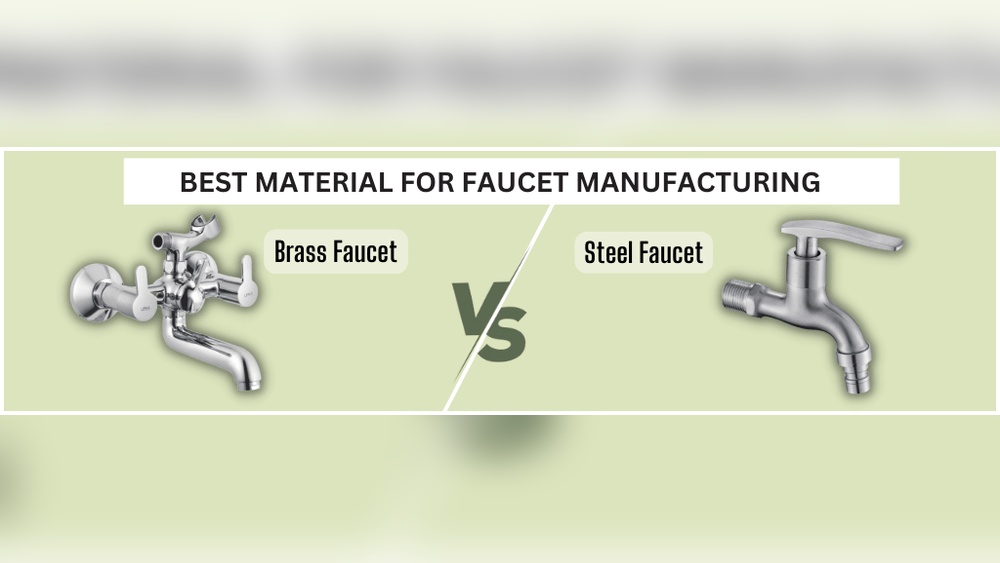
Credit: www.renovatorstore.com.au
Material Properties
The material properties of faucets greatly affect their durability, appearance, and maintenance. Brass and stainless steel are two popular materials used in faucet manufacturing. Each has unique features that make it suitable for different uses and styles. Understanding these properties helps choose the right faucet for your home or business.
Brass Composition And Features
Brass is an alloy made mostly of copper and zinc. The copper gives brass its strength and corrosion resistance. Zinc adds durability and ease of casting. Brass faucets resist rust and can last many years.
They develop a natural patina over time, which some find attractive. Brass is also antimicrobial, helping reduce germs on faucet surfaces. It requires occasional polishing to maintain its shine and avoid tarnish.
Brass can contain small amounts of lead, so certified low-lead or lead-free brass is safer for drinking water. Its warm color suits traditional and rustic décor styles well.
Stainless Steel Composition And Features
Stainless steel is an alloy mainly of iron, with chromium and nickel added. Chromium creates a thin protective layer that prevents rust and stains. This makes stainless steel highly corrosion-resistant.
Stainless steel faucets have a sleek, modern look. They resist hard water marks and are easy to clean. Their smooth surface also helps prevent bacteria buildup.
They are lead-free by nature, making them safe for water use. Stainless steel is harder to machine, so faucet designs may be simpler. It fits well in contemporary kitchens and commercial settings.
Durability Comparison
Durability is a key factor when choosing between brass and stainless steel faucets. Both materials offer strong performance, but their resilience varies under different conditions. Understanding how each handles corrosion, wear, and hard water can help you pick the right faucet for your home.
Corrosion Resistance
Brass resists corrosion well due to its copper content. It forms a protective layer that slows rust. Stainless steel, especially grades like 304 or 316, has excellent corrosion resistance. It does not rust easily, even in moist environments. Stainless steel works better in coastal or humid areas.
Longevity And Wear
Brass faucets last for decades with proper care. They withstand daily use without cracking or breaking. Stainless steel faucets also have long lifespans. They resist scratches and dents better than brass. Both materials maintain their function over many years.
Impact Of Hard Water
Hard water leaves mineral deposits that affect faucets. Brass can develop stains or patina from minerals over time. These marks add character but may need cleaning. Stainless steel handles hard water better by resisting buildup. It stays cleaner and requires less maintenance.
Maintenance Needs
Maintenance needs vary significantly between brass and stainless steel faucets. Understanding these needs helps keep faucets looking good and working well for years. Both materials require care but differ in cleaning, scratch resistance, and surface changes over time.
Cleaning And Polishing
Brass faucets need regular cleaning to remove fingerprints and water spots. Polishing helps maintain their shine and prevent dullness. Use mild soap and a soft cloth to avoid damaging the finish. Stainless steel faucets clean easily with just soap and water. They rarely need polishing, making them low maintenance. Avoid abrasive cleaners on both to protect surfaces.
Scratch Resistance
Stainless steel is more scratch resistant than brass. It withstands daily use without showing wear easily. Brass is softer and can scratch or dent more quickly. Careful handling extends the life of brass faucets. Stainless steel keeps a sleek look longer with less effort.
Patina Development
Brass develops a natural patina over time. This greenish or brownish layer forms as the metal ages. Some homeowners like this vintage look. Others may prefer to polish it away for a shiny finish. Stainless steel does not develop patina. It maintains a consistent color and appearance throughout its life.

Credit: lipkahome.com
Safety And Health
Choosing the right faucet affects more than style and durability. Safety and health are key factors to consider. Faucets come into direct contact with water you use daily. The materials must ensure clean, safe water without harmful substances. Brass and stainless steel differ in these important health aspects.
Lead Content And Certification
Brass often contains small amounts of lead. This lead can leach into water if the faucet is not certified. Modern brass faucets usually meet strict low-lead or lead-free standards. Look for certifications like NSF/ANSI 61 to ensure safety. Stainless steel faucets are naturally lead-free. They do not pose risks of lead contamination. Choosing certified products reduces health risks.
Antimicrobial Properties
Brass has natural antimicrobial effects. It kills many bacteria on its surface over time. This can help reduce germs in kitchens and bathrooms. Stainless steel is less antimicrobial but is easy to clean thoroughly. Regular cleaning keeps stainless steel faucets hygienic and safe. Both materials offer health benefits when maintained well.
Design And Style
The design and style of a faucet influence the overall look of your kitchen or bathroom. Choosing between brass and stainless steel faucets means balancing tradition with modernity. Each material offers unique visual qualities that can enhance different interior themes.
Aesthetic Appeal Of Brass
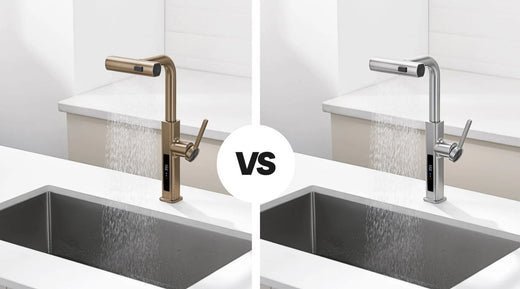
Brass faucets have a warm, rich glow. Their golden tone adds elegance and charm. Over time, brass can develop a natural patina. This gives it a vintage, classic look. Brass works well with traditional and rustic decor styles. It brings a sense of luxury and craftsmanship to any room.
Modern Look Of Stainless Steel
Stainless steel faucets offer a sleek and polished appearance. Their silver color fits well in modern and minimalist spaces. They reflect light and create a clean, bright feel. Stainless steel’s smooth surface looks fresh and simple. This style suits contemporary kitchens and bathrooms perfectly.
Suitability For Different Decor Styles
Brass fits best with vintage, rustic, or classic designs. It pairs nicely with wood and warm colors. Stainless steel matches modern, industrial, or coastal themes. It complements cool tones and glass elements. Both materials can work in mixed decor but choose based on your room’s mood.
Credit: www.leftonhome.com
Cost Considerations
Cost plays a big role when choosing between brass and stainless steel faucets. It affects your budget and the long-term value of your purchase. Understanding the price differences helps you pick the best option for your needs and wallet.
Price Range Of Brass Faucets
Brass faucets usually cost more upfront than many other materials. Solid brass models are often priced between $70 and $250. Some high-end designer pieces can go beyond this range. Brass faucets with chrome plating or finishes tend to be less expensive but still hold value.
Price Range Of Stainless Steel Faucets
Stainless steel faucets generally start at a lower price point than solid brass. You can find quality stainless steel faucets between $50 and $200. Prices may rise for thicker steel or special finishes. They often provide good options for budget-conscious buyers.
Value For Money
Brass faucets last long and resist corrosion well, which can save money over time. They may need polishing to keep their shine. Stainless steel faucets resist rust and stains easily and require less upkeep. Both materials offer strong durability, but your choice depends on maintenance preference and style.
Best Use Cases
Choosing between brass and stainless steel faucets depends on the setting and how you use them. Each material suits different environments due to their unique features. Knowing the best use cases helps pick the right faucet for your space.
Ideal Environments For Brass
Brass faucets fit well in traditional and classic kitchens and bathrooms. Their warm, golden color matches rustic and vintage decor perfectly. Brass also works great in places with normal water conditions since it resists corrosion well.
These faucets are excellent for homes looking for durability with style. They also suit high-end spaces where a luxurious look is important. Brass handles heat and pressure without wearing out fast, making it reliable for long-term use.
Ideal Environments For Stainless Steel
Stainless steel faucets shine in modern and minimalist kitchens and bathrooms. Their sleek, silver finish fits clean and simple designs easily. Stainless steel handles moist and humid areas better, so it is great for coastal homes.
This material is ideal for commercial settings or busy households. It resists stains and hard water spots well, reducing cleaning time. Stainless steel’s toughness also makes it perfect for places with heavy daily use.
Frequently Asked Questions
Is Brass Faucet Better Than Stainless Steel?
Brass faucets offer durability and antimicrobial benefits with a classic look. Stainless steel is lead-free, low-maintenance, and corrosion-resistant. Choose brass for traditional style; pick stainless steel for modern design and easier cleaning. Both last long but differ in price and aesthetics.
What Are The Cons Of Brass Faucets?
Brass faucets can be costly and may develop a patina over time. They require regular polishing and must be certified low-lead for safety.
What Faucets Do Plumbers Prefer?
Plumbers prefer solid brass faucets for durability and antimicrobial properties. Stainless steel faucets suit modern, low-maintenance needs and high-moisture areas. Both offer excellent corrosion resistance and longevity, with brass providing a classic look and stainless steel offering lead-free safety and easier cleaning.
Is Brass Better Than Stainless Steel For Water?
Brass offers durability and natural antimicrobial properties but may tarnish over time. Stainless steel is lead-free, corrosion-resistant, easier to maintain, and ideal for modern, high-moisture settings. Choose brass for classic style and stainless steel for longevity and low upkeep.
Conclusion
Choosing between brass and stainless steel faucets depends on your needs. Brass offers strong durability and a classic look. It ages with a unique patina but needs some care. Stainless steel is low-maintenance and resists corrosion well. It fits modern styles and is lead-free by nature.
Both materials serve well in different settings. Consider your budget, style, and maintenance preferences. This helps you pick the right faucet for your home.