Pur Pitcher vs Faucet: Which Water Filter Is Best for You?
Choosing clean water for your home is a big decision. Many people look at Pur pitcher filters and Pur faucet filters. Both promise better drinking water, but they work in different ways. If you want to understand which is best for you, it helps to look at how each works, what they cost, how easy they are to use, and how well they remove contaminants.
This article explains everything you need to know about Pur pitcher and faucet filters. You’ll learn their strengths, weaknesses, and important details that most buyers miss. Whether you’re worried about taste, safety, or saving money, you’ll find clear advice to help you decide.
How Pur Pitcher And Faucet Filters Work
Pur is a well-known brand for water filters. Their pitcher and faucet products use similar technology but in different ways.
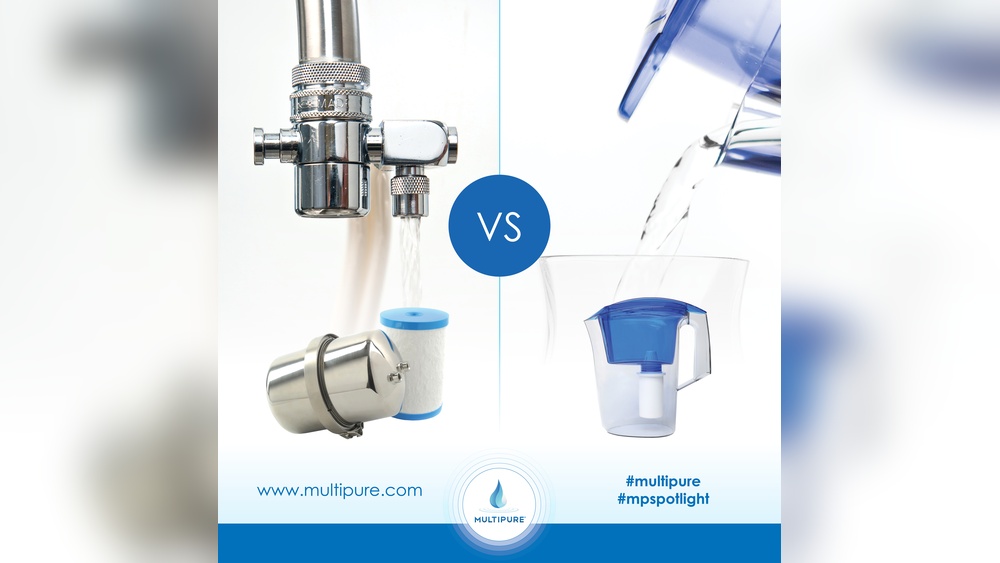
The Pur pitcher filter sits inside a plastic jug. You pour tap water into the top, and gravity pulls it through a filter. The clean water collects in the bottom. You keep the pitcher in your fridge or on your counter.
A Pur faucet filter attaches directly to your kitchen faucet. When you turn on the water, it flows through the filter before coming out. There’s usually a lever to switch between filtered and unfiltered water.
Both filters use activated carbon and ion exchange to trap contaminants. But their speed, convenience, and power are different.
What Each Filter Removes
People often ask, “Does a pitcher filter clean as well as a faucet filter? ” The answer depends on what you want to remove.
Pur says both products reduce:
- Chlorine (improves taste and smell)
- Lead (heavy metal that can harm health)
- Some pesticides and herbicides
- Certain industrial pollutants
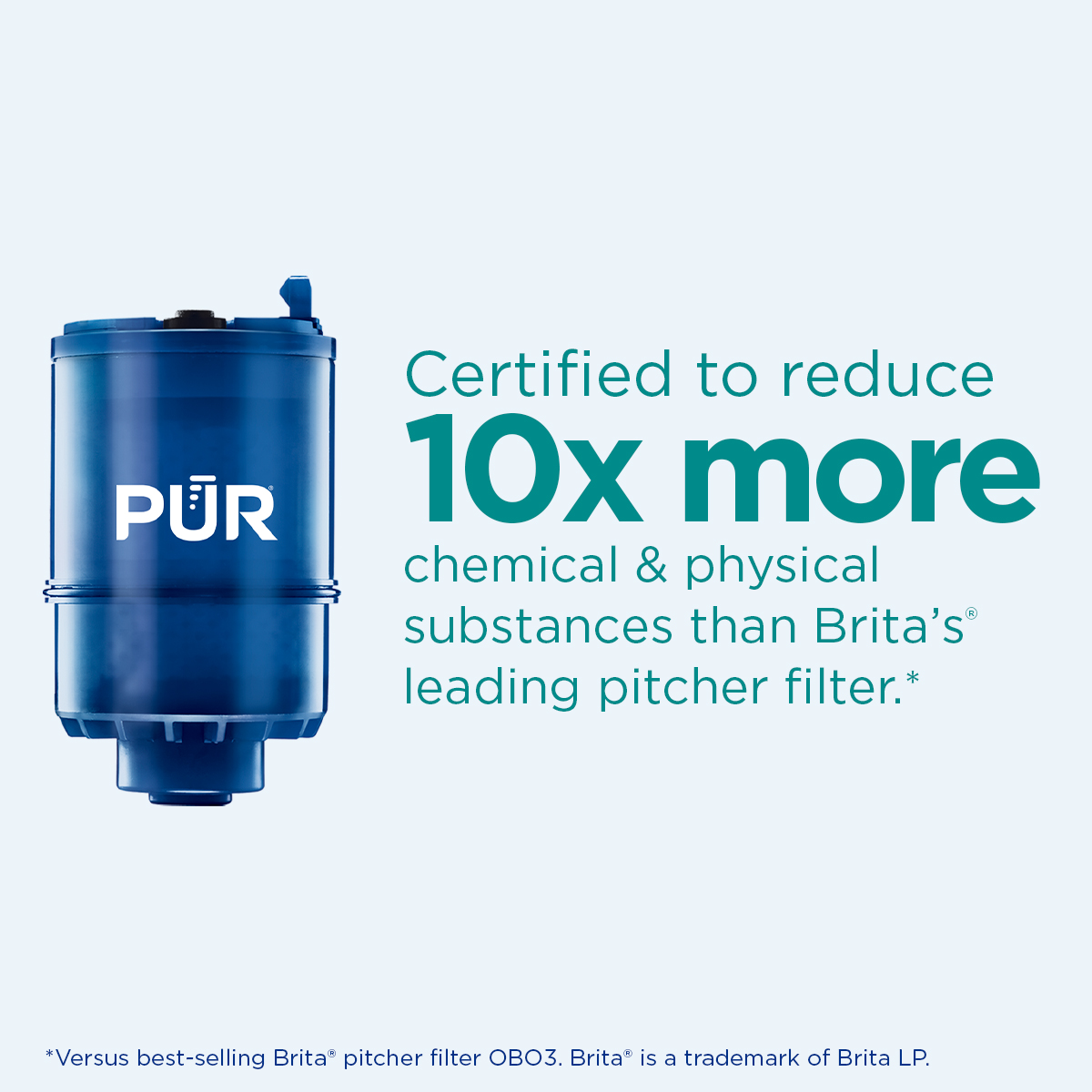
But faucet filters usually remove more contaminants. For example, Pur faucet filters are certified to reduce 70+ substances, while most Pur pitcher filters are certified for 20-30.
Here’s a simple comparison:
| Contaminant | Pur Pitcher | Pur Faucet |
|---|---|---|
| Chlorine (taste & odor) | Yes | Yes |
| Lead | Yes | Yes |
| Mercury | Some models | Yes |
| Pesticides/Herbicides | Limited | Yes |
| Microbial Cysts | No | Yes |
| Pharmaceuticals | No | Limited |
| Industrial Pollutants | Some | Many |
Non-obvious insight: Faucet filters often have more powerful filtration because they can use larger, more complex filter units. Pitchers are limited by their size and gravity flow.
Installation And Setup
Pur Pitcher
Setting up a Pur pitcher is easy. You unpack the pitcher, wash it, and run cold water through the filter for a few minutes. Then you put the filter in the top reservoir and fill with water.
You don’t need tools or any plumbing work. Anyone can do it in five minutes.
Pur Faucet
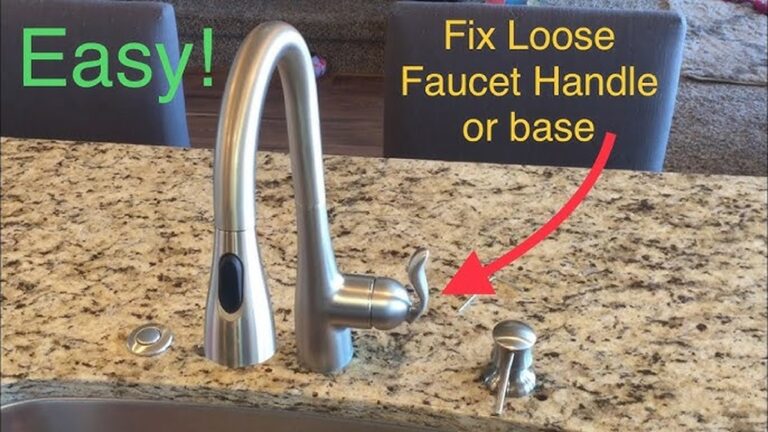
Installing a Pur faucet filter takes a bit more effort. You unscrew the aerator (the small tip) from your kitchen faucet and screw on the filter unit. Most faucets fit, but some special types (like pull-out or spray faucets) may not work.
You have to run water through the filter for a few minutes before first use. After that, you flip a lever to switch between filtered and unfiltered water.
Non-obvious insight: If your faucet is not compatible, you may need an adapter, or a faucet filter may not work for you at all. Always check compatibility before buying.
Speed And Capacity
When you need water quickly, the speed of the filter matters.
- Pur pitcher filters work slowly. A full pitcher (about 10 cups) can take 5-10 minutes to filter, depending on the model and water temperature.
- Pur faucet filters are much faster. You get filtered water almost instantly—enough for a full glass in a few seconds.
However, faucet filters can slow down if your water pressure is low or if the filter gets clogged over time.
| Feature | Pur Pitcher | Pur Faucet |
|---|---|---|
| Speed | Slow (5-10 min/pitcher) | Fast (on-demand) |
| Water Capacity per Filter | 40 gallons (about 2 months) | 100 gallons (about 2-3 months) |
| Serving Size | Limited to pitcher size | Unlimited (as long as filter lasts) |
Practical tip: For large families, a faucet filter is more convenient. You don’t have to wait or refill a pitcher multiple times a day.
Cost: Upfront And Ongoing
Upfront Price
- Pur pitcher filters cost between $20-$40, depending on the size and design.
- Pur faucet filters usually cost $25-$45 for the base unit.
Replacement Filters
- Pitcher filters: About $6-$10 each, last for 40 gallons or 2 months.
- Faucet filters: About $12-$18 each, last for 100 gallons or 2-3 months.
Total Cost Over A Year
Suppose a small family uses 2 gallons of filtered water daily (drinking, coffee, cooking):
- Pitcher: 2 gallons/day = 60 gallons/month. You’ll need about 1.5 pitcher filters every month (18 per year). That’s $108–$180 per year for filters.
- Faucet: 2 gallons/day = 60 gallons/month. One faucet filter lasts about 1.5 months, so you’ll need 8 per year. That’s $96–$144 per year for filters.
So, costs are similar, but faucet filters may last longer per filter.
Experience-based insight: Some users find faucet filters need more frequent replacement if their water has a lot of sediment, which can make them less cost-effective.
Taste And Water Quality
Both filters improve taste by removing chlorine and some metals. Most people notice a clear difference compared to straight tap water.
Faucet filters often do a slightly better job, especially in older homes with lead plumbing or high sediment, because they have stronger filtration and process water directly from the tap.
However, water left in a pitcher for days may taste stale, so it’s best to drink it within a day or two.
Non-obvious tip: If you’re sensitive to taste, try a side-by-side test at home. Some people prefer pitcher taste, others like faucet-filtered water.
Space And Portability
- Pur pitcher filters are portable. You can move them from kitchen to dining room, or even take them to a picnic. They fit in most fridge doors.
- Pur faucet filters stay in one place. You can’t move them easily, and they add bulk to your kitchen faucet.
If you have a small kitchen or shared space, a pitcher is less intrusive.
Calm expert’s advice: If you rent your apartment or move often, a pitcher is a safer choice. You won’t have to install anything or worry about damaging a faucet.
Convenience For Cooking And Cleaning
With a pitcher, you can only filter what fits inside—usually about 8-12 cups. For large pots (like pasta or soup), you may need to refill the pitcher several times.
A faucet filter gives you unlimited filtered water, as long as the filter lasts. That’s handy for cooking, washing vegetables, or filling a kettle.
Straight-to-the-point helper tip: For heavy kitchen use, a faucet filter saves time and effort.
Maintenance And Filter Changes
Both systems need regular filter changes. Ignoring this will reduce performance and could let contaminants through.
- Pitcher filters: Change every 2 months or 40 gallons (whichever comes first).
- Faucet filters: Change every 2-3 months or 100 gallons.
Some pitcher models have a sticker or electronic timer to remind you. Faucet filters often have a light that changes color when it’s time to change.
For both, running hot water through the filter is a mistake. Only use cold water to prevent damage.
Common mistake: Forgetting to change filters on time leads to poor performance and bad taste.
Filter Life And Indicator Features
Modern Pur filters have built-in indicators. Some faucet units have a light—green means “good,” yellow means “replace soon,” red means “change now. ” Pitchers may have a dial or electronic countdown.
If you ignore the indicator, water quality drops. Always reset the indicator after changing the filter.
Practical advisor’s suggestion: Keep spare filters on hand so you don’t run out.
Credit: www.pur.com
Durability And Product Lifespan
Pitchers are made of BPA-free plastic. They last for years if handled gently, but can crack if dropped.
Faucet filters are more robust but can wear out from daily use. The lever or housing may loosen over time, especially with frequent switching or hard water.
Replacement parts for faucet filters are available, but sometimes it’s cheaper to buy a new unit.
Important detail: If your water is very hard (full of minerals), faucet filter housings and seals may wear out faster.
Environmental Impact
Both options reduce plastic waste compared to buying bottled water. But there are some differences:
- Pitcher filters create more waste because you replace them more often.
- Faucet filters last longer and filter more water per unit.
Pur offers a recycling program for used filters, but not all stores accept them. If you want to minimize waste, check for local recycling options.
Non-obvious insight: If you use a lot of water, a faucet filter has a lower environmental footprint per gallon.

Credit: mytapscore.com
Aesthetics And Kitchen Fit
Pitchers come in many colors and styles. They look good on a table or in the fridge. Some people like showing them off to guests.
Faucet filters are more visible in the kitchen. They add bulk and can block certain faucet movements. If your kitchen is modern with a pull-out faucet, you may not like the look of a faucet filter.
Friendly mentor’s advice: Choose what fits your style and habits. Don’t underestimate daily annoyance if a filter gets in the way.
Common Problems And Limitations
No filter is perfect. Here are some common issues:
- Pitcher filters can clog quickly if your water has lots of sediment. Pouring speed slows down over time.
- Faucet filters may leak if not installed tightly. Some models make the water stream splash or reduce water pressure.
- Both types only remove certain contaminants. They do not remove fluoride, viruses, or all pharmaceuticals. For those, you need a reverse osmosis or UV system.
Critical reminder: Always match the filter’s certification (like NSF/ANSI) to the problems in your local water report. Don’t guess.
Who Should Choose A Pur Pitcher?
A pitcher works best if you:
- Have a small family or live alone
- Drink only a few glasses a day
- Move often or rent your home
- Want a simple, portable solution
- Have a fridge with space for a pitcher
- Don’t need to filter water for cooking
A pitcher is also great for students, offices, or travel.
Who Should Choose A Pur Faucet Filter?
A faucet filter is better if you:
- Have a big family or use lots of water daily
- Want filtered water for both drinking and cooking
- Need to remove more contaminants (like microbial cysts)
- Don’t mind a small installation job
- Want faster, on-demand water
- Have a compatible kitchen faucet
It’s ideal for homeowners or anyone who cooks often.
Real-life Examples
Mia’s family uses a Pur faucet filter. They have two kids and cook every day. They like that they can fill pots quickly and never run out of clean water. Their home has old pipes, so the extra contaminant removal is important.
Raj lives alone in a small apartment. He uses a Pur pitcher because he only drinks a few glasses a day. He likes taking the pitcher to his room or keeping it cold in the fridge.
Non-obvious user story: Some people use both: a pitcher for cold drinking water, and a faucet filter for cooking. This works if you want the best of both worlds.
Scientific Testing And Certification
Pur filters are tested and certified by NSF International (an independent group) for removing specific contaminants. Look for NSF/ANSI standards on the box:
- Standard 42: For chlorine, taste, and odor
- Standard 53: For health-related contaminants (like lead)
- Standard 401: For emerging contaminants (like some pharmaceuticals)
Faucet filters often have more certifications than pitchers. Always check the packaging for what your model is certified to remove.
For more about water filter standards, you can visit the NSF official website.
When Neither Is Enough
If your water has serious problems (like well water with bacteria, or high arsenic/fluoride), neither filter may be enough. You might need a more advanced reverse osmosis or UV system.
Pitchers and faucet filters are not substitutes for boiling water if there’s a contamination warning from your city.
Confident guidance: Always test your water or get a local water quality report before buying any filter.
Detailed Comparison Table
Here’s a side-by-side look at key features:
| Feature | Pur Pitcher | Pur Faucet |
|---|---|---|
| Installation | No tools, very easy | Tools may be needed, moderate |
| Speed | Slow (gravity-based) | Fast (on-demand) |
| Filter Life | 40 gallons | 100 gallons |
| Contaminant Removal | 20–30 types | 70+ types |
| Capacity | 1–3 liters per fill | Unlimited (until filter replacement) |
| Portability | High | Low |
| Best For | Small families, renters | Large families, frequent cooks |
| Upfront Cost | $20–$40 | $25–$45 |
| Annual Filter Cost | $108–$180 | $96–$144 |
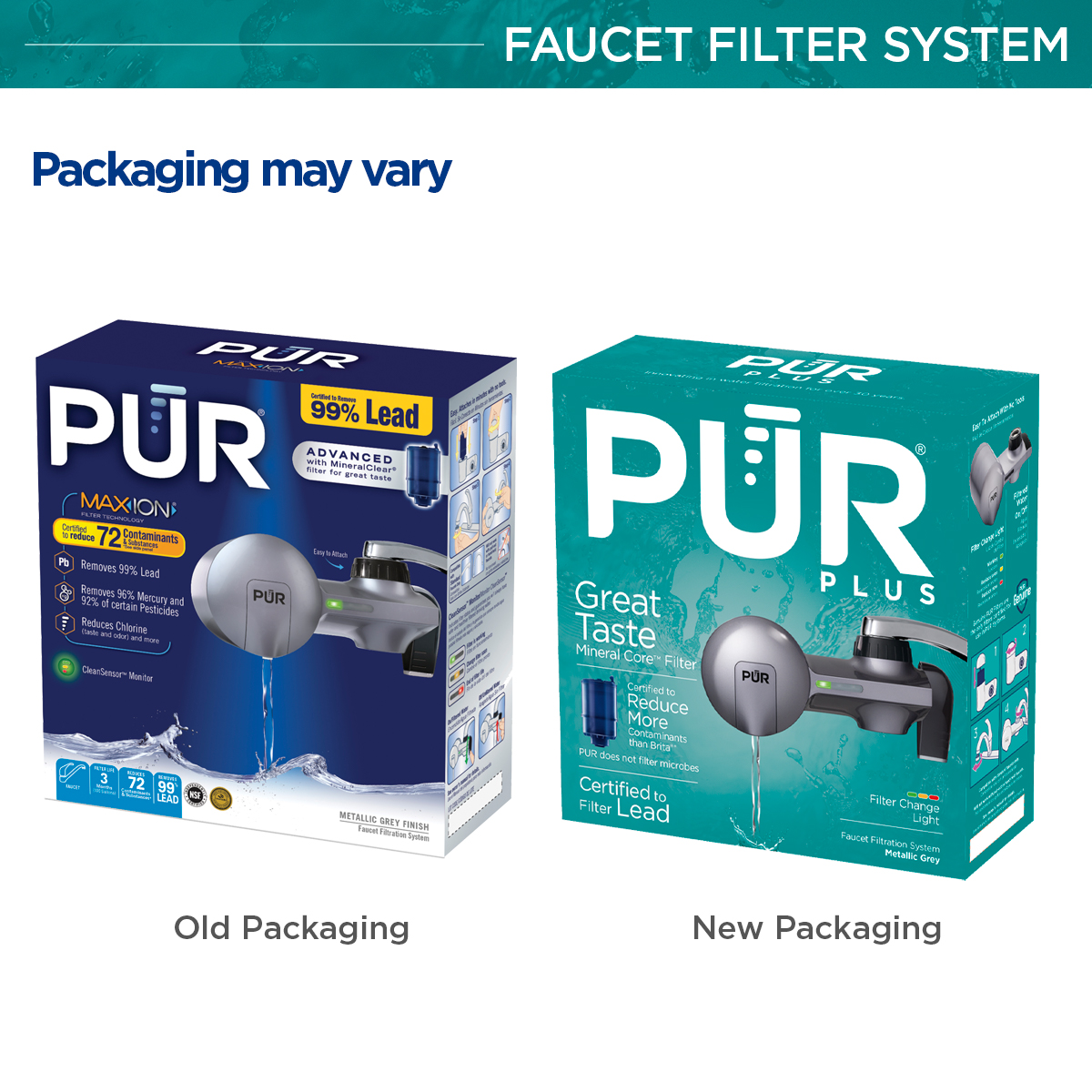
Credit: www.pur.com
Making The Final Decision
When choosing between a Pur pitcher and a Pur faucet filter, think about your home, habits, and needs. A pitcher is simple, portable, and great for small families or singles. A faucet filter gives more power, speed, and contaminant removal—best for kitchens with lots of cooking.
Many buyers make the mistake of picking the cheapest option or just copying what friends use. Instead, ask:
- How much water do I use daily?
- Do I want cold water from the fridge?
- Is my faucet compatible with a filter?
- Do I need to remove specific contaminants?
- How much space do I have in my kitchen?
The right answer is the one that fits your life—not just what’s popular.
Frequently Asked Questions
What Is The Main Difference Between A Pur Pitcher And A Pur Faucet Filter?
The main difference is how they filter water. A Pur pitcher filters water by gravity as you pour it into the top. A Pur faucet filter attaches to your kitchen faucet and filters water as it flows, giving you clean water instantly. Faucet filters usually remove more contaminants and work faster.
Which Filter Removes More Contaminants?
Pur faucet filters typically remove more contaminants than pitcher filters. Faucet filters can reduce over 70 different substances, including lead, chlorine, and some pesticides. Pitcher filters handle about 20–30 contaminants, mainly chlorine and some heavy metals.
Are Pur Faucet Filters Hard To Install?
Most Pur faucet filters are easy to install and do not require special tools. You remove your faucet’s aerator and screw on the filter. However, some faucets, like pull-out or spray models, may not be compatible. Always check compatibility before buying.
How Often Do I Need To Change The Filters?
- Pitcher filters: Every 2 months or after filtering 40 gallons.
- Faucet filters: Every 2–3 months or after filtering 100 gallons.
If your water has a lot of sediment or you use more water, you may need to replace filters more often.
Can I Use Both A Pur Pitcher And A Pur Faucet Filter Together?
Yes, many people use both. For example, you can use a faucet filter for cooking and a pitcher for cold drinking water. This gives you flexibility and convenience, especially in busy homes.
Clean water matters for your health and comfort. By understanding the real differences between Pur pitcher and faucet filters, you can choose the right one for your needs and enjoy safer, better-tasting water every day.