How Do Touchless Faucets Work: The Science Behind Hands-Free Tech
Touchless faucets are no longer just a futuristic idea found in science fiction. Today, they are common in public restrooms, busy kitchens, hospitals, and even private homes. Many people enjoy their convenience, but few understand how these modern fixtures actually function.
If you have ever waved your hands under a faucet and watched water flow instantly—without touching anything—you might have wondered what is happening inside. This article takes you inside the technology, design, and real-world impact of touchless faucets, making everything clear with easy explanations and practical examples.
The Basics: What Is A Touchless Faucet?
A touchless faucet is a type of water tap that operates without physical contact. Instead of turning a knob or lifting a handle, you simply move your hand near the faucet’s sensor area. The water starts flowing automatically. When you move your hand away, the water stops. This is possible because of built-in electronic parts that can detect movement and control water flow.
Touchless faucets are sometimes called automatic faucets or sensor faucets. They are popular in places where hygiene is very important, like restaurants, hospitals, and schools. More homeowners are also installing them for convenience and to reduce the spread of germs.
Key Components Of A Touchless Faucet
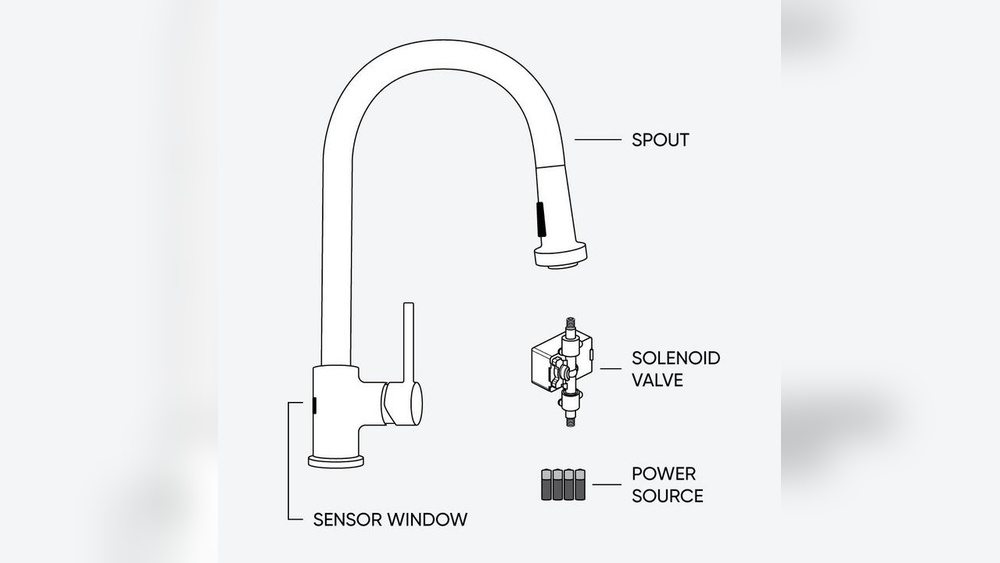
Every touchless faucet has several main parts that work together:
- Sensor: Detects motion or presence of hands.
- Solenoid Valve: Opens and closes to control water flow.
- Power Source: Provides energy to the electronics.
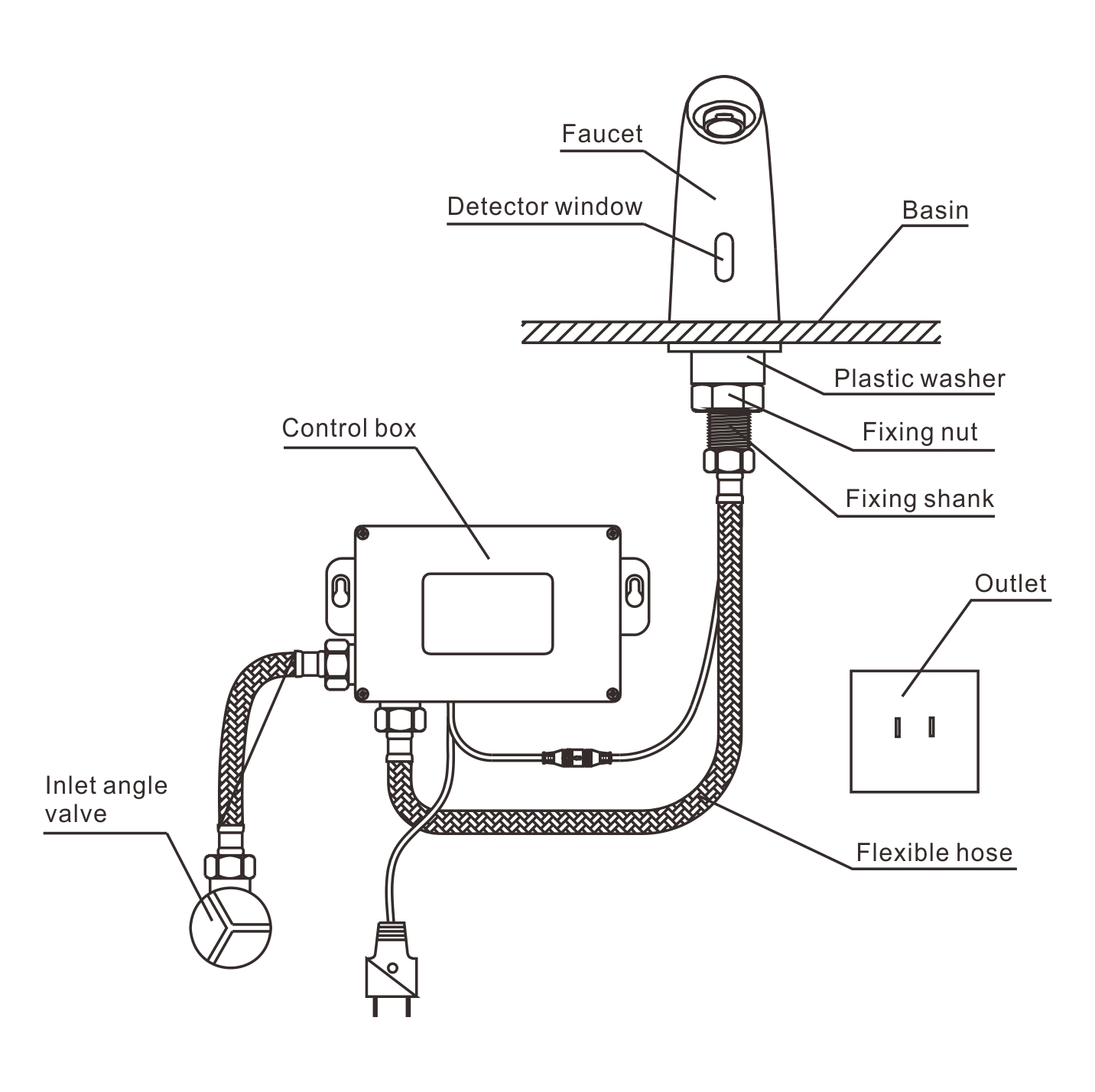
- Control Box: The “brain” that receives signals and manages the system.
- Faucet Spout and Plumbing: Delivers water.
Let’s look closer at each part.
Sensors: How Motion Is Detected
The sensor is the heart of a touchless faucet. Most use infrared technology. Here’s how it works:
- The faucet emits an invisible beam of infrared light.
- When you place your hands in front of the faucet, the light bounces off your skin and returns to the sensor.
- The sensor detects this change and sends a signal to the control box.
Some advanced models use capacitive sensors (they detect the electric field from your body), or even ultrasonic sensors (they sense changes in sound waves). But infrared is the most common.
Non-obvious insight: The sensor must be placed and angled correctly. If the sensor is too sensitive, the faucet may turn on by accident (false triggers). If it’s not sensitive enough, you might need to wave your hands several times to get water.
Solenoid Valve: The Gatekeeper Of Water
Once the sensor detects hands, it sends an electronic signal to the solenoid valve. This is a special valve that opens and closes very quickly using a small electric current.
- When activated, the solenoid pulls a plunger inside, letting water flow.
- When the signal stops, the valve closes and water stops immediately.
Solenoid valves are precise and reliable, but they need to be made from materials that don’t corrode or leak. This is especially important in areas with hard water.
Power Source: Keeping It Running
Touchless faucets need electricity, but they do not plug directly into a wall outlet. Instead, they use:
- Batteries (usually AA or 9V): Common in homes and places where wiring is difficult.
- AC Power Adapters: Used in commercial settings for continuous use.
Pro tip: Battery-powered faucets usually have a low-battery indicator (like a blinking LED). It’s wise to check the batteries every 6-12 months, especially if the faucet starts behaving oddly.
Control Box: The Brain Of The System
All the signals from the sensor and power go to the control box. This small unit, often hidden under the sink, tells the solenoid valve when to open or close. It also manages extra features, such as:
- Delay times (how long water runs after hands are removed)
- Safety shut-off (prevents flooding if the sensor fails)
- Temperature mixing (in some models)
Faucet Spout And Plumbing
The faucet spout delivers water in the usual way, but inside there are special designs to help water flow smoothly and avoid splashing. The plumbing connections are similar to regular faucets, but there is often an extra wire or tube for the sensor and solenoid.
How Touchless Faucets Actually Work: Step-by-step
Here’s a simplified step-by-step process of how a touchless faucet operates:
- You move your hand near the faucet.
- The sensor detects motion (usually by sensing reflected infrared light).
- The sensor sends a signal to the control box.
- The control box activates the solenoid valve.
- Water flows out of the faucet.
- You remove your hand.
- Sensor notes the absence of motion.
- Control box tells solenoid to close.
- Water stops flowing.
This process happens in less than a second, making it feel instant to the user.
Types Of Touchless Faucets
While the basic idea is the same, there are several types of touchless faucets available. These types differ based on their power source, installation style, and features.
By Power Source
- Battery-powered: Easy to install, great for places without electrical wiring.
- AC-powered: For heavy use, often found in public restrooms.
- Hybrid: Can switch between battery and AC, giving flexibility.
By Sensor Location
- Spout-mounted sensors: The sensor is right on the faucet spout.
- Base-mounted sensors: The sensor is on the faucet base or countertop, allowing for different hand positions.
By Use Case
- Residential: Designed for home kitchens and bathrooms, often with stylish designs.
- Commercial: Built for high traffic, with stronger materials and longer-lasting components.
- Medical: Special versions for hospitals, may include extra hygiene features like touchless temperature control.
By Extra Features
Some modern touchless faucets have advanced features, such as:
- Temperature adjustment without touching (using a nearby control or preset buttons)
- LED indicators for water temperature
- Voice activation (integrated with smart home systems)
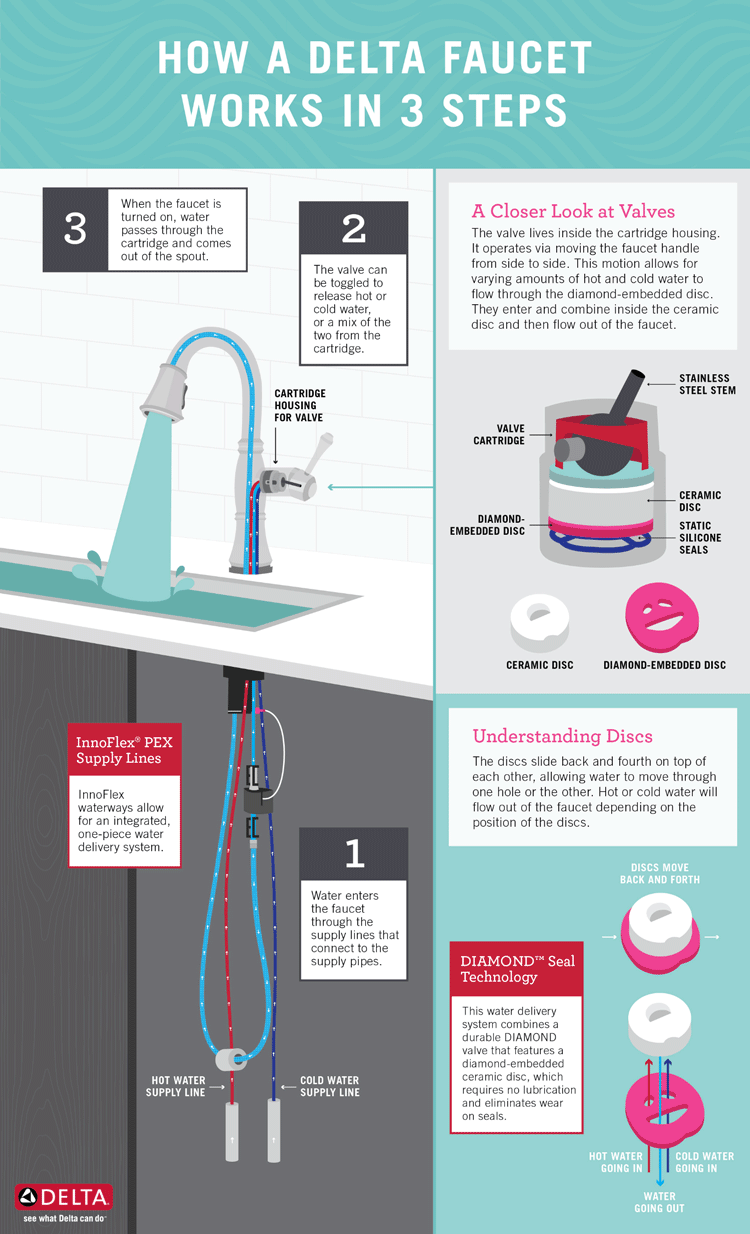
Credit: www.deltafaucet.com
Why People Choose Touchless Faucets
Touchless faucets are not just a luxury. They offer real benefits, especially for hygiene, convenience, and efficiency.
Hygiene Improvement
Because you do not touch the faucet with dirty hands, the risk of spreading germs is lower. This is critical in places like hospitals and restaurants.
- Studies show that touchless faucets can reduce the spread of bacteria by up to 70% compared to manual taps.
- In the era of COVID-19 and flu seasons, reducing contact points is more important than ever.
Water Conservation
Touchless faucets can save water because they only run when needed. According to the U.S. Environmental Protection Agency, automatic faucets can cut water use by 30-50% compared to traditional faucets. This is because people often leave manual taps running while washing hands, brushing teeth, or cleaning dishes.
Convenience
Touchless faucets are easier to use for children, elderly people, or anyone with mobility issues. You can turn the water on even if your hands are full or dirty, which is helpful when cooking.
Energy And Cost Savings
Less water used means lower water bills. In busy places like airports or shopping centers, these savings add up quickly.
Modern Style
Many touchless faucets have a sleek, modern look, making them popular in new homes and commercial spaces.
Real-world Examples And Data
Let’s look at some real numbers and examples:
- In a study at a large hospital, replacing manual faucets with touchless ones reduced bacterial contamination on faucets by over 60%.
- A school in California reported saving over 100,000 gallons of water per year after installing touchless faucets in their bathrooms.
- The average flow rate for a touchless faucet is 0.5 to 1.5 gallons per minute, compared to 2.2 gallons per minute for traditional faucets.
Here is a comparison of typical water flow rates:
| Faucet Type | Average Flow Rate (gallons per minute) |
|---|---|
| Touchless | 0.5 – 1.5 |
| Standard Manual | 2.2 |
| Low-Flow Manual | 1.5 |
Non-obvious insight: Touchless faucets are often set to a lower flow by default, not just because of the valve, but to prevent splashing and to match sensor timing.
Common Problems And How To Fix Them
Even the best technology can have issues. Knowing the common problems with touchless faucets can save you time and frustration.
Faucet Does Not Turn On
- Dead batteries: Most common in battery-powered models. Replace with fresh batteries.
- Blocked sensor: Dirt or water spots on the sensor lens can stop it from detecting motion. Clean with a soft cloth.
- Loose wiring: If the faucet was recently installed or bumped, check the connections under the sink.
Faucet Turns On And Off Randomly
- Sensor sensitivity too high: Objects like jewelry, sleeves, or even sunlight reflections can trigger the sensor. Adjust sensitivity if possible.
- Nearby objects: Remove items that might reflect light or block the sensor.
Weak Or No Water Flow
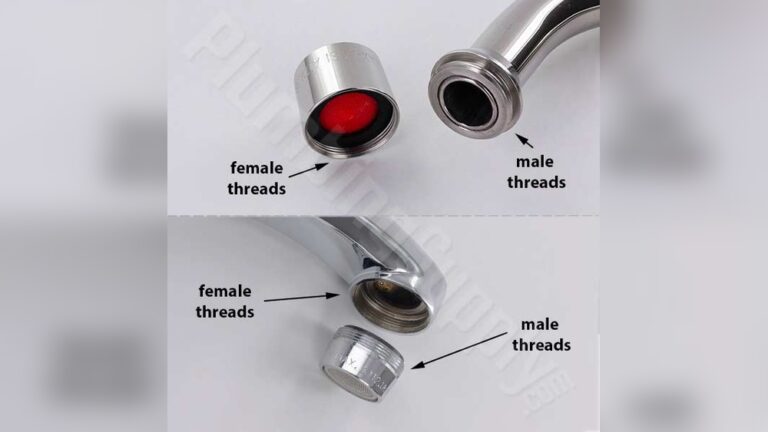
- Clogged aerator: Minerals from hard water can clog the small screen at the faucet tip. Unscrew and clean it.
- Low water pressure: Check your home’s water supply valves.
Water Temperature Issues
- Incorrect mixing valve setting: Some touchless faucets have a separate mixing valve under the sink. Adjust to your preferred temperature.
- No temperature control: Some basic models only offer cold water.
Comparing Touchless Faucets To Traditional Faucets
It’s helpful to compare touchless and manual faucets side by side.
| Feature | Touchless Faucet | Traditional Faucet |
|---|---|---|
| Operation | Hands-free, sensor-based | Manual handle or knob |
| Hygiene | High (no touch) | Lower (hands touch faucet) |
| Water Saving | 30-50% less use | Depends on user |
| Power Source | Batteries or AC | None |
| Installation | More complex | Simpler |
| Maintenance | Requires battery/power changes | Rarely needed |
| Cost | Higher upfront | Lower upfront |
Real-world Example
A busy family kitchen might benefit from a touchless faucet because it keeps the sink area cleaner and is easier for kids to use. However, if you live in an area with frequent power outages, a simple manual faucet may be more reliable.
Pro tip: Some homes install both—a touchless faucet in the kitchen and traditional faucets in other areas.

Credit: www.aquacubic.com
Choosing The Right Touchless Faucet
If you are considering a touchless faucet, keep these factors in mind:
1. Power Source
- Battery: Easiest to install, but remember to change batteries.
- AC Adapter: No batteries needed, but requires a power outlet under the sink.
2. Sensor Type And Placement
- Infrared: Most common and reliable.
- Capacitive or Ultrasonic: Less common, but can be more accurate in some settings.
Key insight: The sensor location matters. Spout-mounted sensors are easier to use, but can be triggered by splashes. Base-mounted sensors are less likely to trigger accidentally, but may need more precise hand placement.
3. Material And Build Quality
Choose brass or stainless steel for durability. Avoid cheap plastic models, especially in busy kitchens.
4. Temperature Control
- Single-temperature models are fine for public restrooms.
- Dual-temperature models (with a mixing valve) are better for home kitchens.
5. Installation
Some touchless faucets are easy to install if you are comfortable with basic plumbing. Others may need a professional, especially if electrical wiring is required.
6. Extra Features
- LED indicators can show water temperature and power status.
- Voice control is available in high-end models, useful for smart homes.
7. Price
Touchless faucets usually cost more than manual ones, but prices have dropped in recent years. Expect to pay between $80 and $400 for a quality model.
Here’s a comparison of key features to consider:
| Feature | Basic Model | Advanced Model |
|---|---|---|
| Sensor Type | Infrared | Infrared, Capacitive, Ultrasonic |
| Power Source | Batteries | AC & Batteries |
| Temperature Control | Manual valve only | Touchless or digital |
| Voice Control | No | Yes |
| Price Range | $80 – $200 | $200 – $400+ |
Common mistake: Many buyers focus only on style, not on sensor quality or power options. Always check reviews for reliability and battery life.
Maintenance And Care
Touchless faucets are not set-and-forget. To keep them working smoothly:
- Clean the sensor area regularly. Fingerprints, soap, or water spots can block the sensor.
- Replace batteries as soon as you see a warning light or water flow slows down.
- Check for leaks around the solenoid valve every few months.
- Clean the aerator (the small screen at the faucet tip) every 6-12 months to prevent mineral buildup.
If you notice water running continuously or the faucet not responding, disconnect the power and check for stuck valves or sensor problems. Most brands provide troubleshooting steps in the manual.
Pro tip: Keep the manual in a safe place. It often has codes or instructions that are not available online.
The Future Of Touchless Faucets
With technology advancing, touchless faucets are becoming smarter and more efficient. Some new models connect to smart home systems, allowing you to control water flow and temperature with your voice or a smartphone app. Others use artificial intelligence to learn your washing habits and adjust automatically.
In the commercial sector, data from touchless faucets is being used to measure water usage, detect leaks, and even monitor handwashing compliance in hospitals.
Interesting fact: Some airports now use touchless sinks that combine soap, water, and air drying in one unit, reducing the need to move between stations.
The demand for touchless faucets is growing. According to market research, the global touchless faucet market is expected to reach $1.9 billion by 2027, with the fastest growth in Asia and North America.
If you want to dive deeper into the science behind sensor faucets, visit the Wikipedia entry on sensor faucets.
Frequently Asked Questions
How Long Do The Batteries In A Touchless Faucet Last?
Battery life depends on the brand, model, and usage. In a typical home, AA batteries in a touchless faucet can last 1 to 2 years. In a busy public restroom, they may last only 3-6 months. Always use high-quality batteries for best results.
Can A Touchless Faucet Be Installed On Any Sink?
Most touchless faucets fit standard sink holes, but you should always check the product’s specifications. Some older sinks may need an adapter or minor plumbing changes. If your sink has extra holes, covers are usually included.
Are Touchless Faucets Safe For Children And Elderly People?
Yes. Touchless faucets are actually safer for children and seniors, as they reduce the risk of germs and are easier to use. However, make sure the water temperature is set correctly to avoid hot water burns.
Do Touchless Faucets Work During A Power Outage?
Battery-powered models will continue to work during a power outage. AC-powered models will not. Some hybrid models can switch to battery power automatically if the main electricity fails.
What Should I Do If My Touchless Faucet Is Not Responding?
First, check if the batteries or power supply are working. Clean the sensor area gently. If the problem continues, consult the manufacturer’s troubleshooting guide or call a plumber with experience in electronic faucets.
Credit: www.fontanashowers.com
Final Thoughts
Touchless faucets are more than just a modern gadget—they offer real benefits in hygiene, convenience, and water savings. By understanding how they work, you can choose the right model for your home or business and keep it running smoothly for years.
With new features and smarter designs appearing every year, touchless faucets are set to become an even bigger part of daily life. Next time you wash your hands without turning a handle, you’ll know exactly what’s happening behind the scenes.