Is Black Slime on Faucet Dangerous? What You Need to Know
You turn on the bathroom tap and notice a black slime around the faucet. Maybe it’s sticky, or it leaves a dark ring where water pools. Many people see this and wonder: *Is black slime on faucet dangerous?* If you’ve spotted this in your kitchen, bathroom, or anywhere in your home’s plumbing, it’s natural to feel concerned. This sticky, often unpleasant substance raises questions about water safety, health risks, and what you should do next.
Let’s explore everything you need to know about black slime on faucets. You’ll learn what causes it, whether it’s harmful, and how to remove it the right way. This guide also looks at when you should worry, how to prevent it, and answers common questions people have.
By the end, you’ll have a clear understanding and the confidence to keep your home’s water fixtures safe and clean.
What Is Black Slime On Faucet?
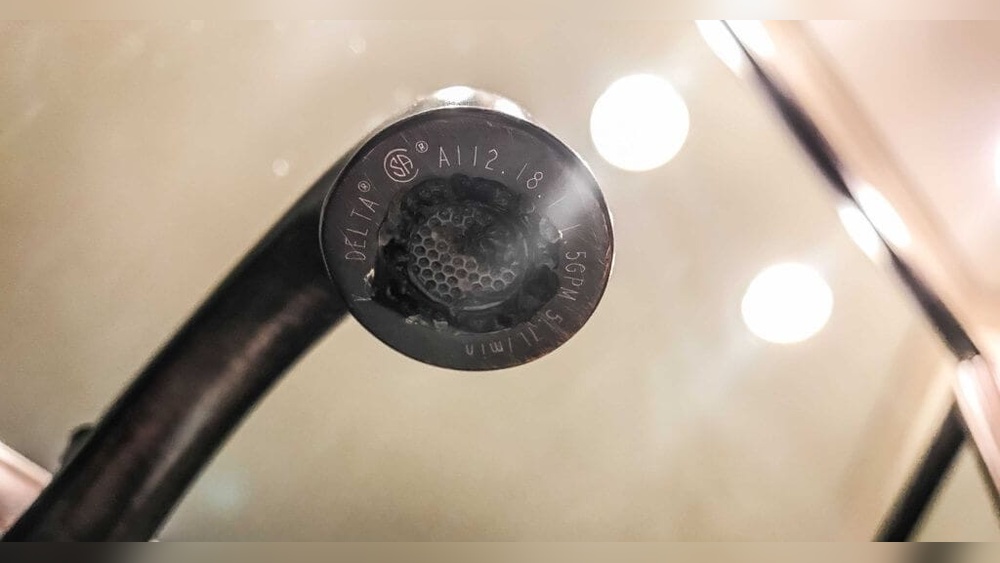
Black slime is a dark, often greasy or sticky film that forms around faucet spouts, inside tap aerators, and sometimes in sink drains. It often appears where water drips or stands, especially in bathrooms and kitchens. The color ranges from dark gray to true black, and the texture may be slimy, jelly-like, or even a little gritty.
Most people notice black slime:
- On the underside or tip of the faucet spout
- Around the base of the faucet, especially if there’s a leak
- Inside the aerator (the small mesh screen at the tip of most faucets)
- In showerheads or bathtub spouts
This buildup can be stubborn and return quickly, even after cleaning. The sight of black slime often raises alarm—but what is it, really?
Main Causes Of Black Slime
Understanding why black slime appears is key to knowing if it’s dangerous. There are several possible causes, and often, more than one factor is involved.
1. Manganese And Iron In Water
Manganese and iron are natural minerals found in groundwater. When water with high levels of these minerals flows through your pipes, it can leave behind a black or dark brown residue. This is especially common in wells or in homes with older plumbing.
When these minerals mix with oxygen, they can form deposits that appear as slime or stains. Manganese, in particular, often causes black slime, while iron usually causes reddish or orange stains.
2. Bacterial Growth
Certain types of bacteria thrive in moist, mineral-rich environments. These bacteria are not always harmful, but they can form biofilms—a sticky, slimy layer where minerals, dirt, and bacteria stick together. These biofilms often look black, dark gray, or even purple.
Common bacteria found in faucet slime include:
- Serratia marcescens: Usually red or pink, but can mix with other minerals for darker slime.
- Manganese-oxidizing bacteria: Use manganese from water as an energy source, creating black residue.
3. Mold And Mildew
In bathrooms and damp places, mold and mildew can grow around faucets, especially if there’s poor ventilation. These fungi are usually dark and can contribute to black slime, especially if combined with mineral deposits or soap scum.
4. Soap Scum And Organic Debris
Soap residue, toothpaste, or organic debris can mix with minerals in water, forming a dark, greasy film. This is more common in sinks where people wash hands, brush teeth, or shave.
5. Plumbing Material Breakdown
Sometimes, old rubber washers or seals inside your faucet start to break down. This can release dark particles that mix with water, forming a black ring or slime.
6. Water Quality Issues
Municipal water systems sometimes have changes in water chemistry, like after pipe repairs or changes in disinfectant use. This can loosen mineral deposits or bacteria from pipes, causing temporary black slime.
Credit: www.reddit.com
Is Black Slime On Faucet Dangerous?
This is the big question—and the answer depends on what’s causing the slime. Let’s break down the risks based on the most common causes.
Manganese And Iron Deposits
When black slime is mainly from manganese or iron, it’s usually not dangerous in small amounts. These minerals are common in nature and are even needed in tiny amounts for health. The U.S. Environmental Protection Agency (EPA) sets a recommended limit for manganese in drinking water at 0.05 mg/L for taste and staining reasons—not because it’s toxic at low levels.
However, very high levels of manganese (much higher than seen in most tap water) can cause health problems, especially for infants and pregnant women. But the black slime itself, if it’s just mineral, is not usually a health hazard.
Bacterial Biofilms
Bacteria in black slime are usually environmental bacteria—not the dangerous kind that cause disease. Most people with healthy immune systems are not at risk from touching or using water with these bacteria.
But there are two important exceptions:
- People with weakened immune systems (elderly, babies, people with certain illnesses) should avoid contact, as they are more easily infected.
- Open wounds or cuts exposed to contaminated water can sometimes get infected.
Most bacteria found in faucet slime are not the same as those that cause serious waterborne diseases. However, the presence of biofilm can make faucets harder to clean and can hide other germs.
Mold And Mildew
Mold can cause allergies and breathing problems, especially in people with asthma or sensitivities. If you see black, fuzzy patches that smell musty, it’s best to clean them right away. Mold is more likely to be a problem in bathrooms with poor ventilation.
Other Health Risks
It’s rare for black slime to contain dangerous substances like lead or toxic mold. If your home has old plumbing or you suspect chemical contamination, it’s wise to get your water tested.
Key Insight: Black slime is most often a nuisance and a sign of water quality or cleaning issues, not a serious health hazard. But you should always clean it promptly and check the cause.
How To Identify The Type Of Black Slime
You can often tell what’s causing the black slime by looking at where and how it forms.
| Slime Feature | Likely Cause | Appearance |
|---|---|---|
| Sticky, black ring under faucet | Manganese deposits | Dark, smooth, stains easily |
| Jelly-like film, returns quickly | Bacterial biofilm | Glossy, slimy, may look purple |
| Musty smell, fuzzy or powdery | Mold or mildew | Black or green, patchy |
| Gritty particles in water | Rubber washer breakdown | Black specks, not slimy |
If you’re unsure, you can:
- Use a cotton swab to collect a sample and smell it (mold smells musty)
- See if the slime returns quickly after cleaning (biofilm often does)
- Check if your neighbors have the same problem (points to water supply issue)
- Ask your local water supplier for a water quality report
How To Clean Black Slime On Faucet
Removing black slime is important—not only for appearance, but to reduce germs and keep your water safe. Here’s a reliable step-by-step process:
1. Gather Your Supplies
You’ll need:
- Rubber gloves (to protect your skin)
- An old toothbrush or small scrub brush
- White vinegar or lemon juice
- Baking soda (optional)
- Mild dish soap
- A clean cloth or paper towels
- For tough cases: A small amount of bleach solution (1 part bleach, 10 parts water)
2. Remove The Faucet Aerator
Most black slime hides inside the aerator. Unscrew it (usually by hand or with pliers wrapped in a cloth). Be careful not to lose the small parts.
3. Soak And Scrub
- Soak the aerator and any removable faucet parts in white vinegar for 30 minutes. Vinegar helps break down mineral and bacterial buildup.
- Scrub all surfaces with the toothbrush.
- For stubborn slime, add a little baking soda to the brush.
4. Clean The Faucet Spout
- Dip your brush in vinegar and scrub the inside and outside of the faucet tip.
- Wipe away loose slime with a cloth.
5. Rinse And Reassemble
- Rinse all parts with clean water.
- Reattach the aerator and run the faucet for a minute.
6. Disinfect (optional)
If you suspect bacteria or mold, wipe the area with a diluted bleach solution. Let it sit for 5 minutes, then rinse well.
Pro Tip: If slime keeps returning, clean your faucet every 1-2 weeks to keep buildup under control.
7. Clean The Drain
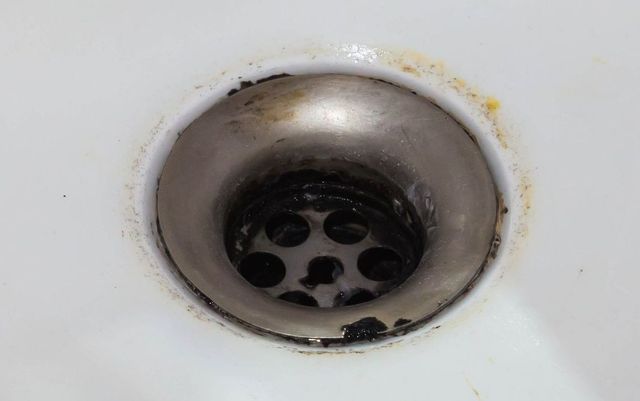
Don’t forget to clean the sink drain, where slime and bacteria can also hide. Pour a cup of baking soda followed by a cup of vinegar down the drain, wait 10 minutes, then flush with hot water.
Non-Obvious Insight: Always check and clean BOTH the faucet and the aerator. Many people clean the outside but forget the inside, where most slime forms.
How To Prevent Black Slime On Faucets
Cleaning is good, but preventing black slime is even better. Here are the most effective steps:
1. Check Your Water Source
If you have well water or live in an area with high manganese, consider a water test. You can buy home test kits or ask your water supplier for a detailed report.
2. Install Water Filters
A whole-house filter or a faucet filter can reduce minerals and bacteria. Look for filters rated for iron and manganese removal.
3. Improve Ventilation
Bathrooms with poor airflow are more likely to get mold and mildew. Use exhaust fans or open windows to keep the area dry.
4. Regular Cleaning Routine
Wipe faucets and sinks dry after use. Clean aerators every month. Don’t let water stand around the base of the faucet.
5. Replace Old Plumbing Parts
If you see black specks, check for worn washers or rubber seals. Replacing these can stop the problem at the source.
6. Flush Your Pipes
If you’ve been away for a while or notice a sudden change in water color, run your taps for a few minutes to flush out loose deposits.
Credit: www.superiorplumbing.com
When To Worry About Black Slime
In most cases, black slime is unpleasant but not dangerous. However, there are times when you should act quickly:
- If the slime smells very bad (like rotten eggs or sewage)
- If you or someone in your home gets sick after using the water
- If you see black slime in multiple locations at once (could signal a bigger water system problem)
- If you notice a sudden change in water taste, color, or odor
- If you have old pipes (lead, galvanized steel) and suspect contamination
In these cases, stop using the water for drinking or cooking and get it tested. Contact your local water supplier or health department for guidance.
Comparing Black Slime To Other Common Faucet Problems
Here’s a quick comparison of black slime and other common issues:
| Problem | Main Cause | Health Risk | Best Action |
|---|---|---|---|
| Black slime | Manganese, bacteria, mold | Low to moderate (for most people) | Clean, test water if recurring |
| White crust | Calcium/lime scale | None | Clean with vinegar |
| Rusty stain | Iron deposits | Low | Flush system, check pipes |
| Green/blue stain | Copper corrosion | Possible (if high copper) | Test water, consult plumber |
Non-Obvious Insight: Black slime is almost never the same as black mold found in walls. Faucet slime is usually a mix of minerals and harmless bacteria, not the toxic molds that require professional removal.
Practical Tips For Safe Water Use
Even if black slime is not usually dangerous, it’s smart to follow some simple safety tips:
- Always let tap water run for a few seconds before using, especially if it hasn’t been used for hours.
- Use cold water for drinking and cooking. Hot water can dissolve more minerals and metals from pipes.
- If you use a filter, change it regularly—old filters can become a source of bacteria.
- Teach children not to touch or play with slime around faucets.
What If You Have A Well Or Private Water System?
Homes with private wells are more likely to have high manganese or iron, and sometimes bacteria. If you use a well:
- Test your water at least once a year for minerals and bacteria.
- Install a filter or softener if recommended.
- Shock-chlorinate your well if you have persistent slime or bad odors.
For more details on water testing and safe levels of minerals, the CDC’s well water safety guide is a reliable resource.

Credit: www.reddit.com
Myths And Misunderstandings About Black Slime
It’s easy to find scary stories online, but many are based on myths. Here’s the truth:
- Myth: Black slime always means your water is unsafe.
- Fact: Most black slime is from harmless minerals or bacteria.
- Myth: You need to replace all your plumbing if you see slime.
- Fact: Regular cleaning and small repairs fix most problems.
- Myth: Bleach is the only way to clean black slime.
- Fact: Vinegar, scrubbing, and good maintenance often work better and are less harsh.
- Myth: Black slime is always mold.
- Fact: Mold is only one possible cause, and usually has a musty smell and fuzzy texture.
When To Call A Professional
If cleaning and maintenance don’t solve the problem, or if you suspect a bigger issue, it’s time to call in help. Contact a plumber or water specialist if:
- The slime returns within days, even after deep cleaning
- You notice leaks, water pressure changes, or pipe corrosion
- Water tests show high levels of dangerous bacteria or chemicals
- You have old plumbing and worry about lead or other toxins
A professional can check your pipes, recommend filters, and test your water more accurately than most home kits.
Frequently Asked Questions
What Is The Main Cause Of Black Slime On My Faucet?
The most common causes are manganese deposits, bacterial biofilm, and sometimes mold. Hard water and old plumbing can also contribute.
Is Black Slime From My Faucet Harmful To Drink?
Usually, black slime is not harmful for healthy adults. It’s mainly a nuisance. However, if you have a weak immune system or see other water quality problems, avoid drinking until you test your water.
How Do I Permanently Get Rid Of Black Slime?
Regular cleaning, installing water filters, and repairing old washers or seals usually prevent slime from returning. If the slime is due to your water source, a filter is the best long-term solution.
Can I Use Bleach To Clean Black Slime?
A diluted bleach solution can disinfect and remove bacteria or mold, but it’s not always necessary. Vinegar and scrubbing work for most cases. Always rinse well after using bleach.
Should I Get My Water Tested If I Find Black Slime?
If black slime keeps coming back, appears in several taps, or you notice a change in taste or smell, testing your water is a good idea. This checks for minerals, bacteria, and possible contamination.
Keeping your faucets clean and your water safe doesn’t have to be difficult. With the right knowledge, regular cleaning, and simple prevention steps, you can keep black slime under control and enjoy peace of mind every time you turn on the tap.